There are moments in cinema that sear themselves onto your memory, not just as scenes, but as experiences. For many of us who first encountered Steven Spielberg’s Saving Private Ryan (1998) not in the hushed reverence of a cinema but on a worn VHS tape slotted into the VCR, the opening twenty minutes weren't just watched; they were endured. It felt less like entertainment and more like a harrowing transmission from the past, a visceral shockwave that fundamentally altered how war could be portrayed on screen, even flickering on our old CRT TVs. What stays with you, long after the static clicks off?
Into the Cauldron
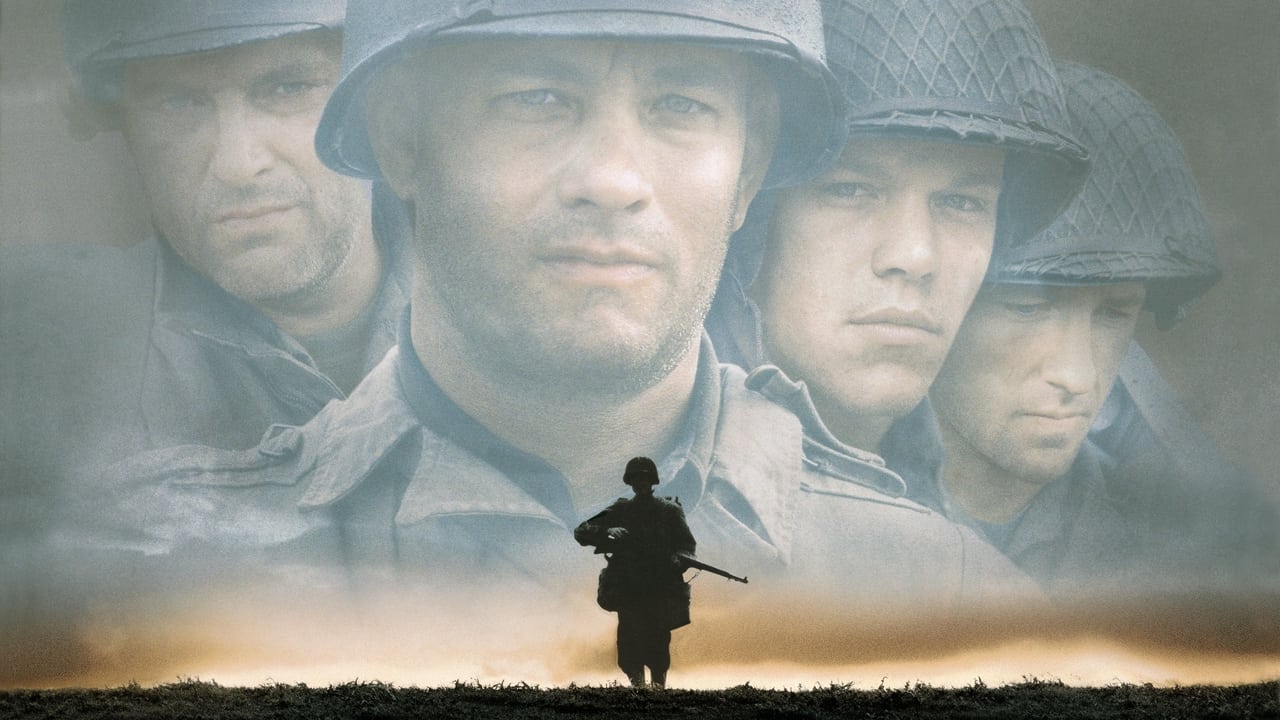
The film plunges us immediately into the chaos and terror of the Omaha Beach landing on D-Day, June 6, 1944. There’s no heroic fanfare, no clean Hollywood deaths. Instead, Spielberg, working from Robert Rodat’s unflinching script, crafts a terrifying ballet of violence and panic. The handheld camera work, often shaking and spattered with debris (or worse), puts you right there amidst the deafening roar of machine guns and the desperate cries of dying men. It’s a sequence that reportedly cost $12 million of the film's approximate $70 million budget and took four weeks to film on the Irish coast, employing some 1,500 extras, including members of the Irish Army Reserve. Spielberg famously chose not to storyboard the landing, aiming for a raw, unpredictable feel. The impact was immediate and profound; veterans reportedly walked out of screenings, deeply affected, and hotlines were set up to support those experiencing PTSD triggered by the film’s unflinching realism. Even shrunk down to the television screen, the power was undeniable, a brutal counterpoint to the sanitized war narratives we’d grown accustomed to.
The Weight of One Life

Beyond the visceral opening, the film settles into its core narrative: a mission born from a public relations-minded directive deep within the War Department. After learning that three brothers from the Ryan family have been killed in action within days of each other, Army Chief of Staff George C. Marshall orders that the fourth and final surviving brother, Private James Francis Ryan, be found and brought home. Captain John H. Miller (Tom Hanks) and a handpicked squad from the 2nd Ranger Battalion are tasked with this perilous journey through German-occupied territory.
This premise immediately raises complex questions. Is one life, deemed symbolically important, worth risking eight others? The film doesn't offer easy answers. Instead, it uses the mission as a crucible to explore the psychological toll of war, the bonds forged under fire, and the individual struggles simmering beneath the uniforms. The central quest, while fictional, drew inspiration from real-life stories, most notably the Niland brothers, adding a layer of historical resonance.
Faces in the Fog of War
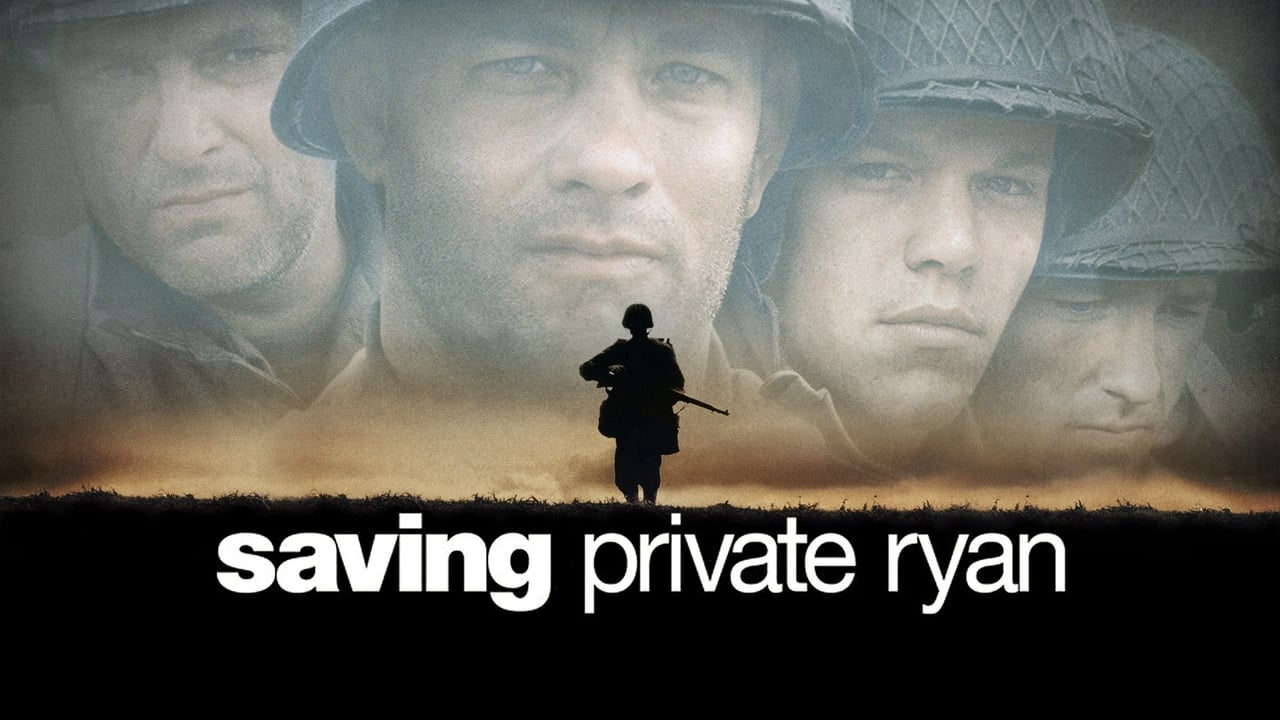
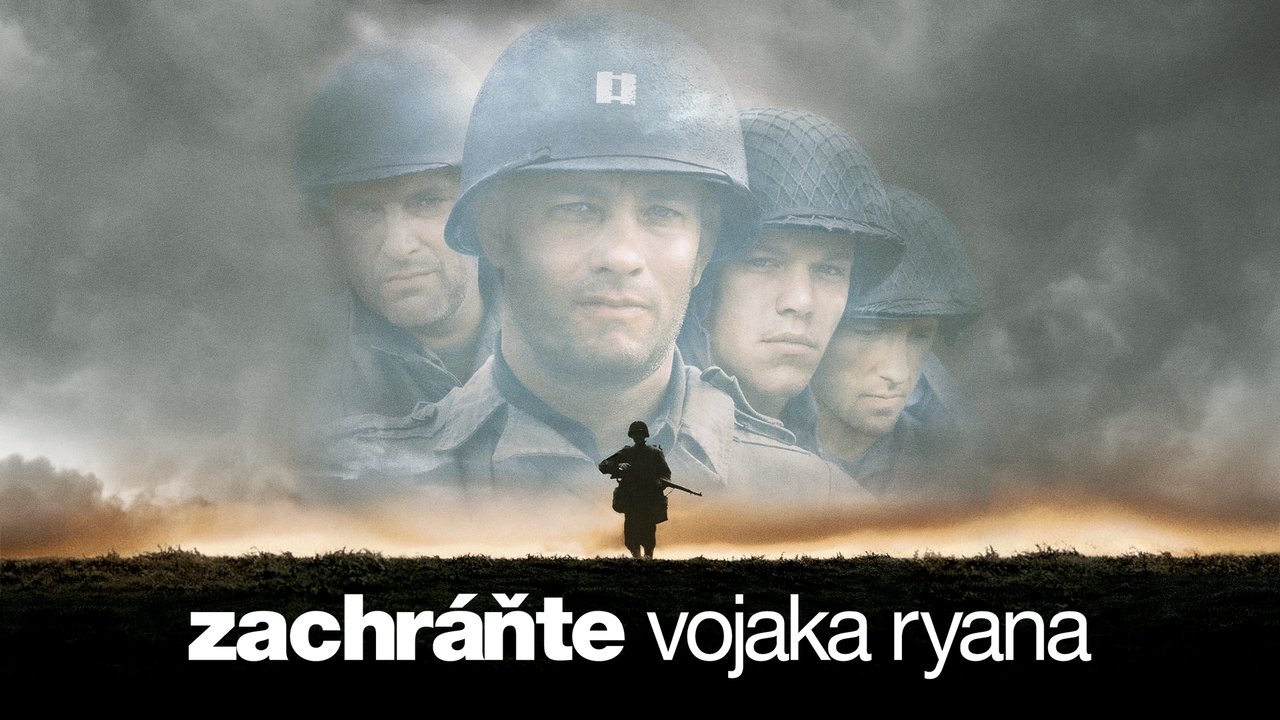
Tom Hanks delivers a career-defining performance as Captain Miller. He’s not a superhero; he’s a former schoolteacher thrust into leadership, carrying the immense weight of responsibility for his men. His occasional tremor of the hand isn't just a physical tic; it’s a visible manifestation of the cumulative stress, the fear he cannot show his soldiers. Hanks embodies the quiet decency struggling to survive amidst brutality, his weariness palpable in every frame.
The supporting cast is equally superb, forming a believable unit grappling with fear, cynicism, and duty. Tom Sizemore as the gruff but loyal Sergeant Horvath, Edward Burns as the cynical Private Reiben questioning the mission's validity, Jeremy Davies as the terrified, out-of-his-depth Corporal Upham – each represents a different facet of the soldier’s experience. To foster genuine camaraderie and exhaustion, most of the main actors (pointedly excluding Matt Damon, whose character needed to feel like an outsider to the squad initially) endured a notoriously harsh multi-day boot camp led by military advisor Captain Dale Dye (who also has a small role in the film). This shared ordeal undoubtedly contributed to the authentic, lived-in feel of their interactions.
Spielberg's Mastery, Refined
While known for spectacle (Joe Dante gave us Gremlins (1984), but Spielberg gave us Jaws (1975) and Jurassic Park (1993)), Spielberg here employs his technical mastery for realism and emotional depth rather than pure thrills. The desaturated color palette, achieved through a bleach bypass process on the film negatives, lends the visuals a stark, documentary-like quality. The sound design, which rightfully earned an Academy Award, is immersive and terrifying – the distinct ping of an M1 Garand running empty, the zipper-like rip of an MG42, the sickening thud of bullets hitting flesh. It’s a far cry from the adventurous tone of his Indiana Jones films; this is Spielberg confronting the grim realities hinted at in Schindler's List (1993) but now applied to the battlefield with devastating effect.
From Big Screen Shock to VHS Reality
I distinctly remember the double-VHS set this film came in – its sheer length demanding two tapes, a physical reminder of the epic undertaking. Did watching it at home diminish its power? Perhaps slightly in scale, but the emotional core, the brutality, the performances – they translated powerfully. If anything, the intimacy of the small screen, huddled closer, perhaps made the human cost feel even more personal. It was a film discussed in hushed tones, a tape passed between friends with a warning: "You have to see this, but be ready." It felt important, a landmark achievement even then, grossing over $482 million worldwide against its $70 million budget (that's nearly $900 million in today's money, from a production cost equivalent to about $130 million).
The Lingering Echo
Saving Private Ryan isn't just a technical marvel; it’s a profound meditation on sacrifice, duty, and the search for meaning amidst unimaginable horror. What does it mean to "earn" the sacrifices made for you? Miller’s final, whispered words to Ryan – "Earn this" – resonate long after the credits roll. The film forces us to confront the human price of freedom, the random cruelty of war, and the extraordinary resilience of the human spirit. Doesn't the moral calculus of the mission – risking many to save one – still echo in difficult decisions made today?
Rating: 10/10
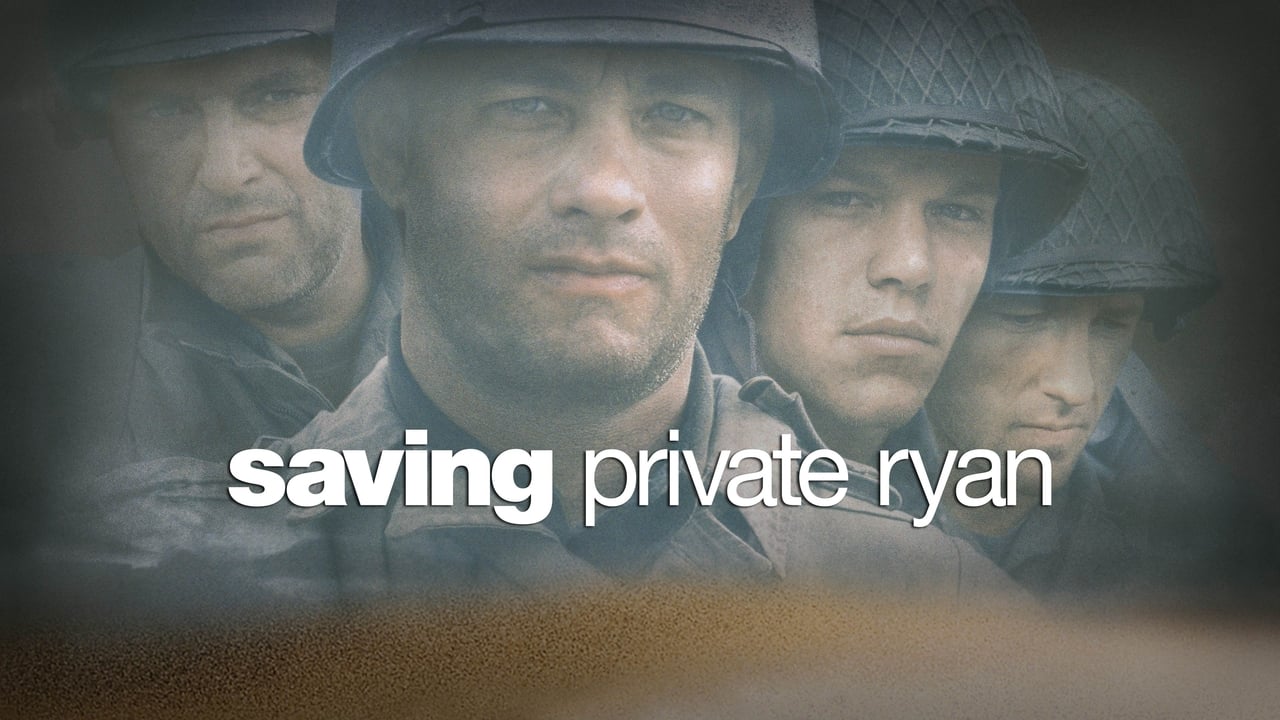
This rating isn't given lightly. Saving Private Ryan achieves a rare synthesis of breathtaking technical craft, profound emotional depth, and searing historical evocation. The performances are uniformly excellent, led by Hanks' career-best turn. The direction is masterful, immersing the viewer in the reality of combat like few films before or since. Its impact on the war genre is undeniable, setting a new standard for realism and psychological honesty. It's a film that earns its place not just as a late-90s blockbuster, but as a vital piece of American cinema.
It remains a film that demands reflection, a harrowing but ultimately necessary journey that reminds us of the cost of conflict and the weight of survival. It’s more than just a movie; it's an experience that stays with you, a powerful echo from that VHS era that hasn't faded with time.