It arrives not with the fanfare of a Hollywood blockbuster, but with the weight of history itself. Watching Moustapha Akkad’s Lion of the Desert (1981) today, perhaps on a worn VHS tape pulled from the back of a shelf, feels less like revisiting a movie and more like unearthing a potent, sprawling document. It’s a film that carries an almost unbelievable story both on-screen and behind it, a testament to conviction in the face of overwhelming power.
A Forgotten War, An Unforgettable Stand
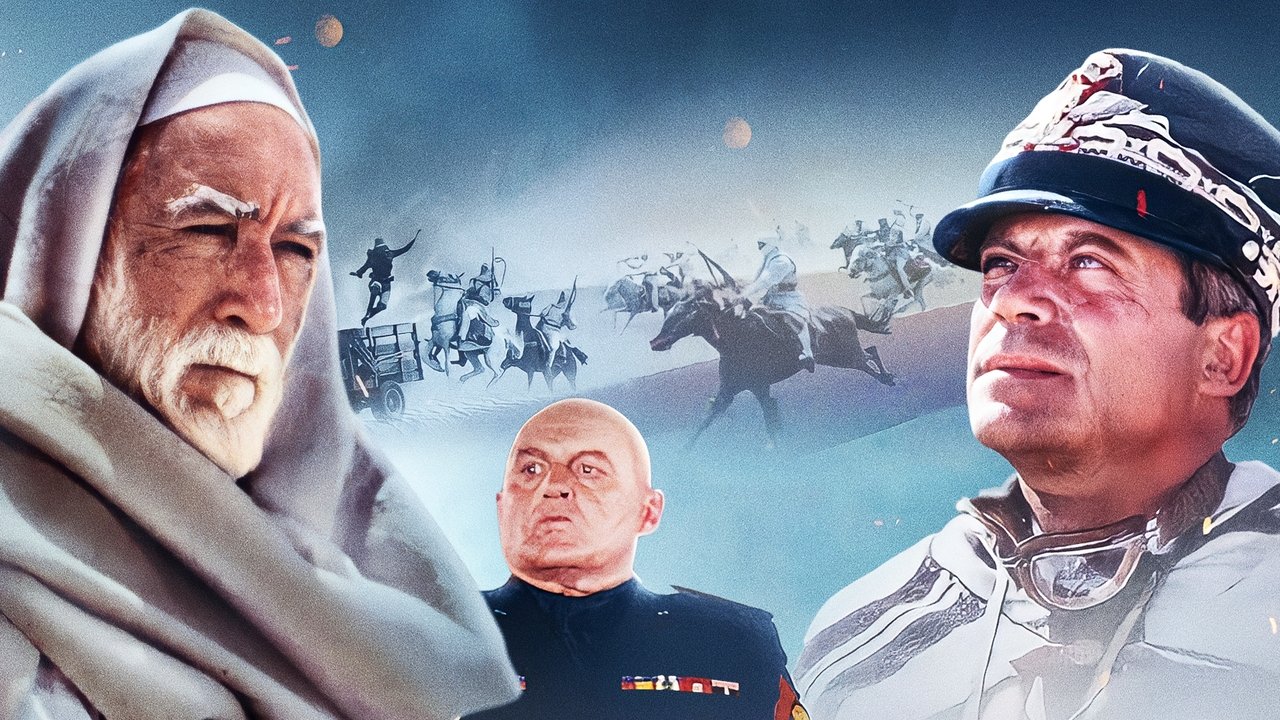
The film transports us to Libya in the late 1920s and early 30s, a period often overshadowed in Western historical narratives. Here, Benito Mussolini’s Fascist Italy is ruthlessly attempting to solidify its colonial grip. Against this technologically superior force stands Omar Mukhtar, an elderly Koranic teacher turned guerrilla leader, leading Bedouin tribesmen in a desperate, decades-long resistance. It’s a narrative stark in its David vs. Goliath setup, yet Akkad, working from a script by H.A.L. Craig (who also penned the screenplay for Waterloo (1970)), refuses easy sentimentality. This is a brutal depiction of colonial warfare, unflinching in its portrayal of Italian tactics under the command of the chillingly pragmatic General Rodolfo Graziani.
Quinn: More Than a Performance
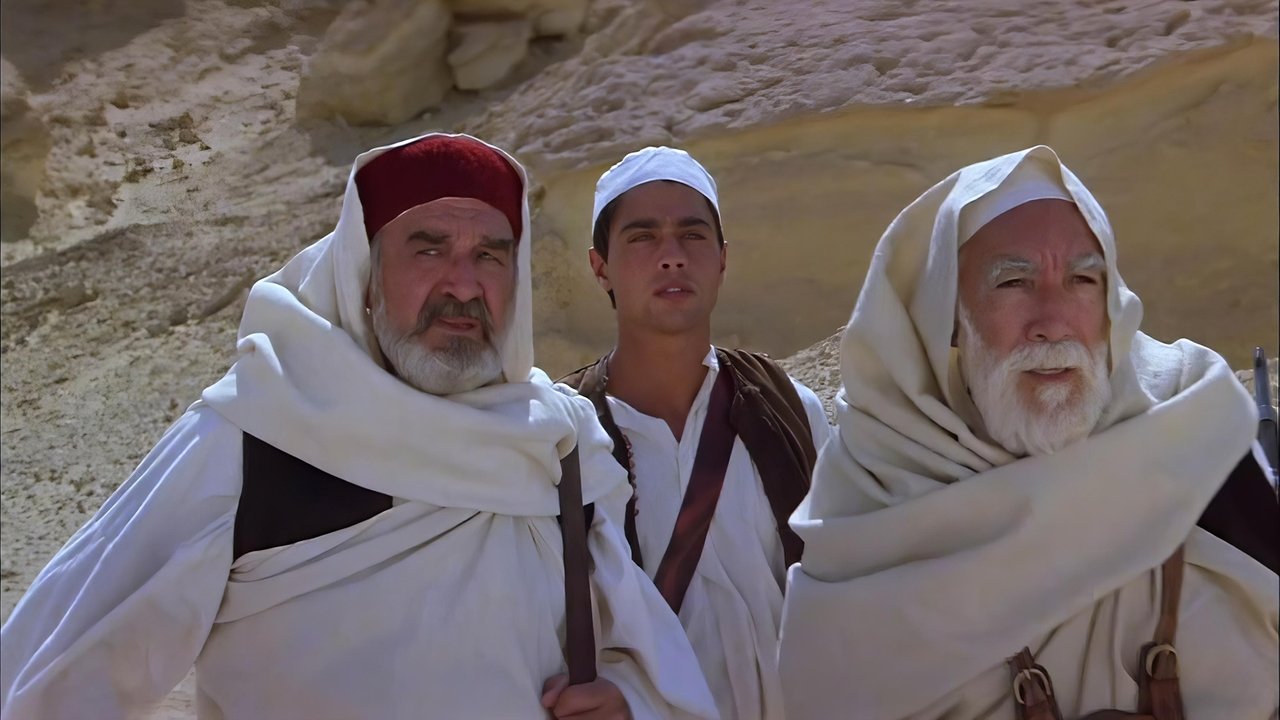
At the heart of the storm is Anthony Quinn as Omar Mukhtar. It’s difficult to imagine anyone else inhabiting this role with such profound dignity and quiet authority. Quinn, who had memorably played Arab characters before, notably Auda abu Tayi in Lawrence of Arabia (1962), reportedly felt a deep personal connection to Mukhtar, viewing him as a figure of immense integrity. It shows. There’s a weariness in his eyes, born of decades of struggle, but also an unyielding resolve rooted in faith and love for his people. He embodies the "Lion of the Desert" not through roaring bravado, but through steadfastness, wisdom, and an almost unbearable sense of sacrifice. His portrayal feels less like acting and more like channeling – a performance that anchors the entire epic undertaking.
The Face of Imperial Ambition
Opposite Quinn, Oliver Reed delivers a performance of chilling efficiency as General Graziani. Reed, often known for his volatile screen presence (seen later in films like Gladiator (2000)), here embodies the cold logic of military dominance. Graziani isn't depicted as a mustache-twirling villain, but as a ruthless instrument of Mussolini's will, employing concentration camps and brutal suppression tactics with detached professionalism. The scenes between Quinn and Reed are electric, charged with the ideological clash of their worlds. Adding another layer of historical weight is Rod Steiger (In the Heat of the Night (1967)), who offers a brief but memorable turn as Mussolini, capturing the Duce’s arrogant bluster from his opulent Roman offices, a stark contrast to the harsh desert realities.
Spectacle Born of Conviction (and Controversy)
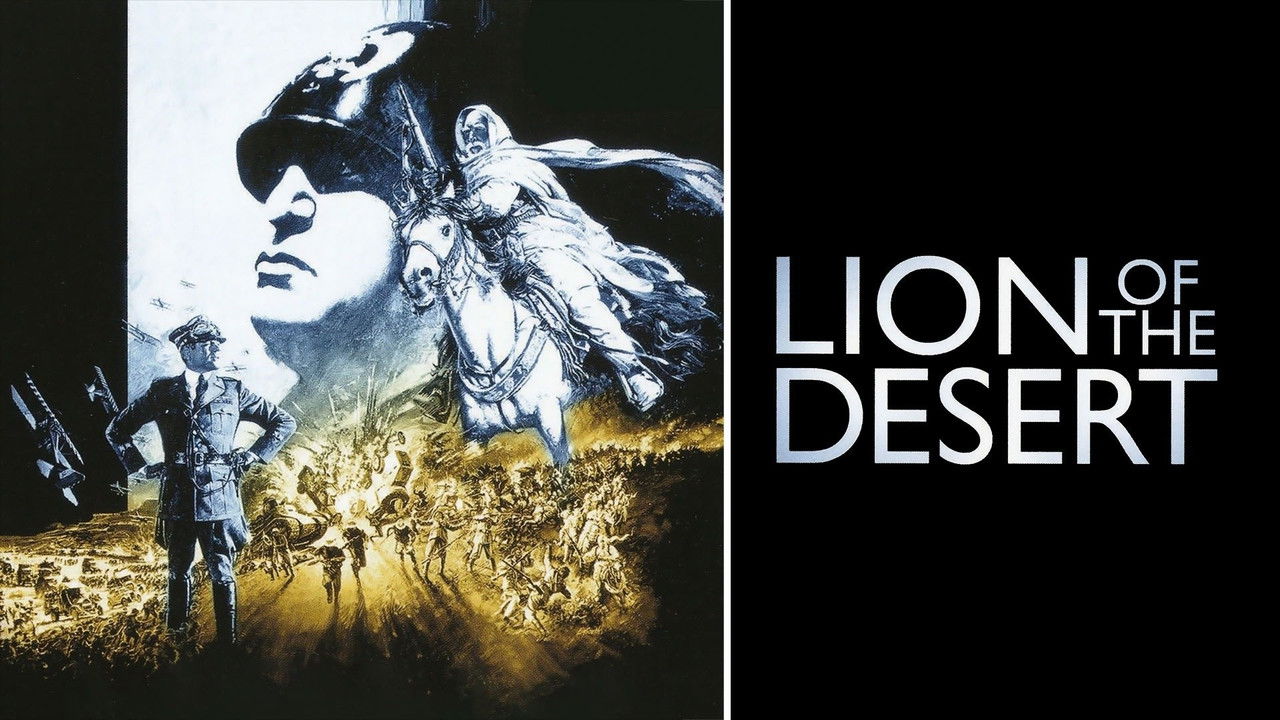
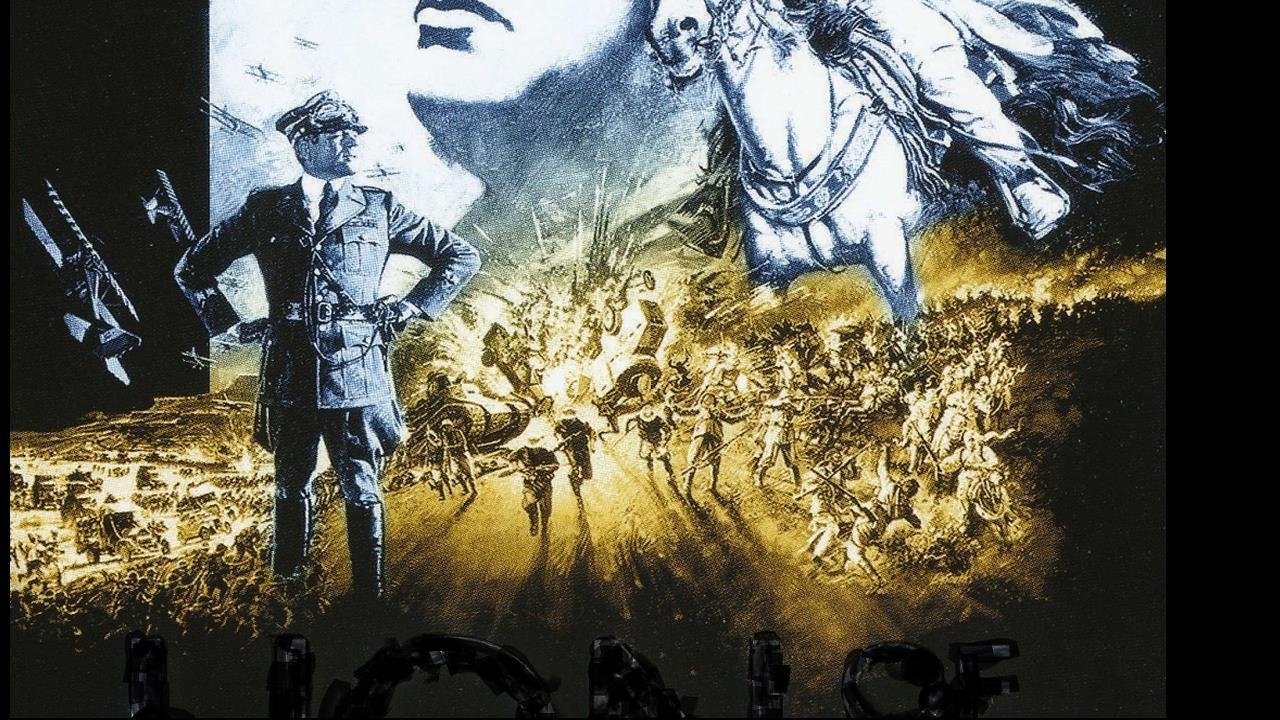
What truly sets Lion of the Desert apart, especially when viewed through the lens of 80s cinema, is its sheer scale, achieved practically. Director Moustapha Akkad, perhaps more famously known to genre fans as the producer of the entire Halloween franchise, saw this film as a vital historical corrective, a way to tell a crucial story from the Arab perspective to a Western audience. Its staggering $35 million budget – reportedly financed largely by the Libyan government under Muammar Gaddafi, a sum equivalent to well over $120 million today – allowed for a level of authenticity rarely seen. Forget CGI armies; Akkad utilized thousands of actual Libyan soldiers as extras for the sweeping battle sequences. The cavalry charges, the desperate skirmishes across the vast, unforgiving landscape (shot on location in Libya and Italy) feel terrifyingly real. You can almost taste the dust and feel the scorching sun. This commitment to practical filmmaking lends the violence a visceral, horrifying impact that digital effects often struggle to replicate. Remember the awe of seeing such tangible epics unfold, even on a CRT screen? This film delivered that in spades.
Echoes in the Sand
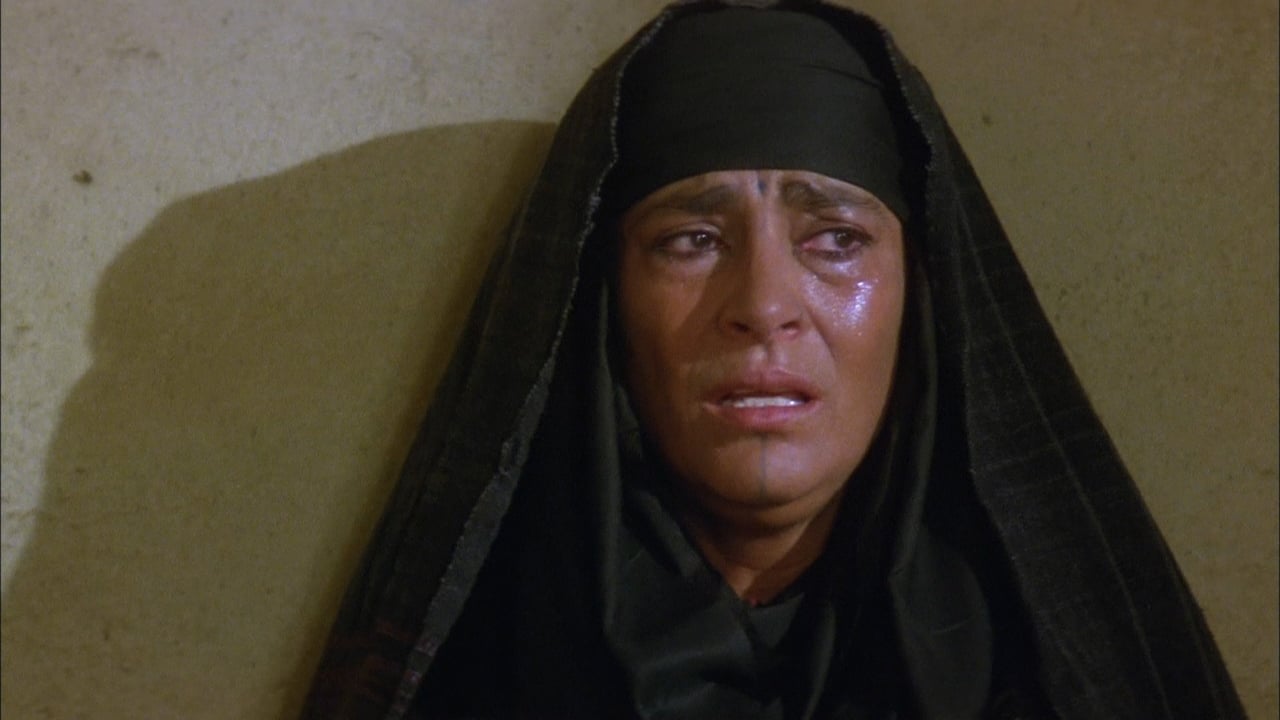
Beyond the spectacle, Lion of the Desert forces us to confront uncomfortable truths about colonialism, resistance, and the cost of freedom. How does a people fight back when facing overwhelming technological and military might? What sustains the human spirit under brutal occupation? Mukhtar’s unwavering faith and commitment to his cause, even when facing certain defeat, resonate deeply. The film doesn't shy away from the horrific means employed by the Italians, including the use of chemical weapons and the establishment of concentration camps, making it a challenging but necessary watch. Doesn't this struggle against seemingly insurmountable odds find echoes in conflicts throughout history, even today?
The film's funding and subject matter inevitably courted controversy. It was banned in Italy for nearly three decades, deemed damaging to the honor of the Italian army, only receiving its first official television broadcast there in 2009. This complex history perhaps contributed to its relative obscurity in the West compared to other epics of the era, despite critical praise for its ambition and Quinn's towering performance. It became one of those slightly harder-to-find gems in the video store, often relegated to a double-cassette box that promised something substantial. I distinctly remember renting this as a teenager, drawn by Quinn's face on the cover, and being unprepared for the historical weight and emotional gravity contained within those tapes.
A Monument Unearthed
Lion of the Desert is more than just an 80s historical epic; it's a powerful statement piece, anchored by an unforgettable central performance and brought to life with breathtaking, practical scope. It tackles difficult subject matter with unflinching honesty and demands reflection long after the credits roll. While its controversial production history and limited initial distribution may have kept it from wider blockbuster fame, its quality and significance are undeniable.
Rating: 9/10
This score reflects the film's outstanding lead performance by Anthony Quinn, its impressive practical scale and direction by Moustapha Akkad, its historical importance, and its unflinching portrayal of a brutal conflict. It achieves nearly everything it sets out to do with remarkable conviction, even if its challenging subject and background made it a difficult sell for mainstream audiences at the time.
It remains a potent reminder of forgotten histories and the enduring power of the human spirit against oppression, a true lion roaring from the sands of the VHS era.