It's a strange thing, the residue a film can leave behind. Some wash over you, entertaining for a couple of hours before fading like a dream. Others, like Nagisa Ōshima’s haunting 1983 drama Merry Christmas, Mr. Lawrence, lodge themselves somewhere deeper. Decades after first encountering its stark beauty and unsettling questions on a flickering CRT, the film's central image – a moment of profound, unexpected connection amidst the brutality of a Japanese POW camp – remains indelible. It wasn’t your typical Friday night rental, sandwiched between action flicks and comedies, but its power felt undeniable even then, a whisper of something complex and deeply human beneath the surface of war.
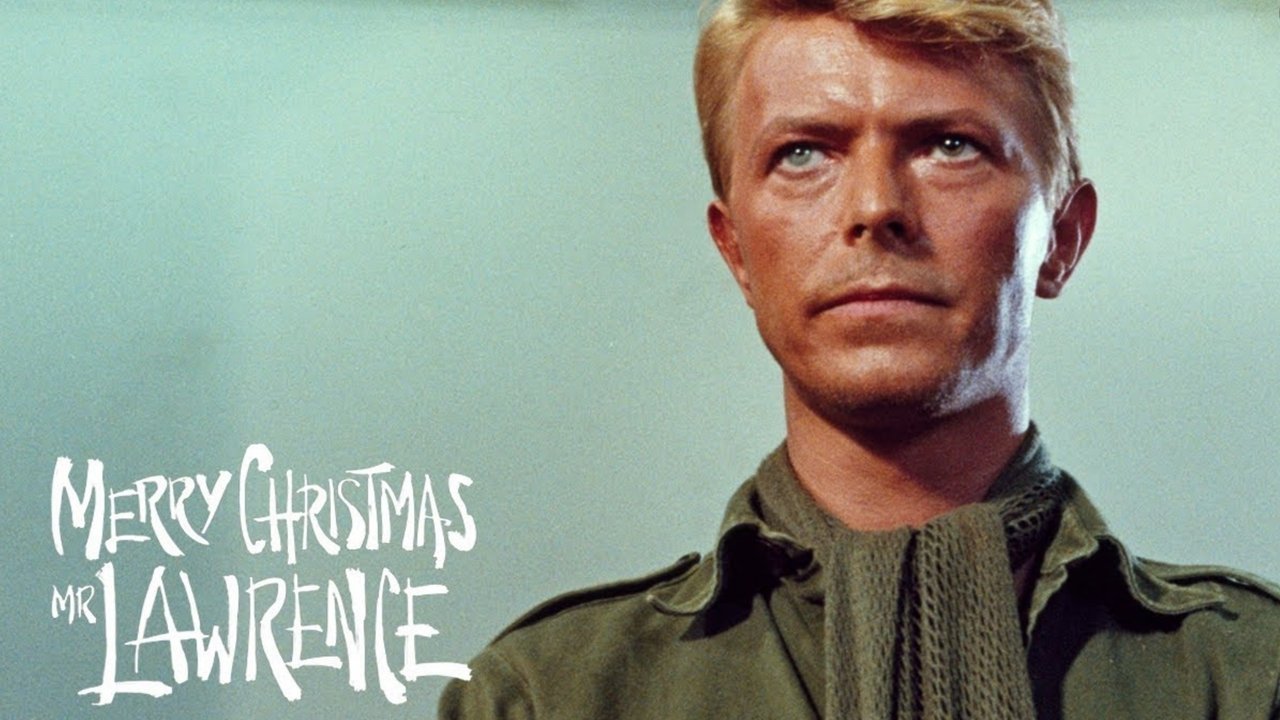
Worlds Colliding in the Javan Heat
Set in a Japanese prisoner-of-war camp in Java during World War II, the film immediately immerses us in a crucible of conflicting cultures and codes of honor. British officer John Lawrence (Tom Conti), fluent in Japanese, acts as a reluctant bridge between the prisoners and their captors, primarily the rigid, duty-bound camp commandant Captain Yonoi (Ryuichi Sakamoto) and the seemingly brutal Sergeant Hara (Takeshi Kitano). The arrival of Major Jack Celliers (David Bowie), a charismatic and defiant South African officer with a shadowed past, disrupts the camp’s fragile ecosystem, sparking a dangerous fascination in Yonoi and setting the stage for a profound exploration of masculinity, guilt, and unspoken desire. Ōshima, known for his provocative works like In the Realm of the Senses (1976), doesn't shy away from the harsh realities of the camp, yet the film is less about the physical horrors of war and more about the psychological and spiritual battles waged within its confines.
An Enigmatic Rebel and the Burden of Translation

The casting itself feels like a stroke of genius, or perhaps audacious fate. David Bowie, already a global music icon, brings an almost otherworldly quality to Celliers. His inherent charisma and ambiguous nature make him a perfect catalyst for the film's tensions. Is he a hero, a reckless fool, or something in between? Bowie doesn’t just play the part; he embodies Celliers' enigmatic defiance, his presence a constant challenge to Yonoi’s rigid worldview. It's a performance built on presence and reaction as much as dialogue, culminating in that unforgettable moment – a gesture both shocking and strangely transcendent. Reportedly, Ōshima saw Bowie perform on stage and immediately decided he was the only one who could play Celliers, viewing him as possessing an almost divine energy.
Opposite Bowie, Tom Conti delivers a performance of staggering empathy and nuance as Lawrence. He’s the film’s weary heart, the man caught between two irreconcilable worlds, trying desperately to navigate the treacherous landscape of cultural misunderstanding. Lawrence understands both the British stiff upper lip and the complex Japanese concept of honor (or giri), making him a vital interpreter not just of language, but of the human spirit. Conti makes Lawrence’s exhaustion, his frustration, and his flicker of hope utterly believable. His scenes with Takeshi Kitano’s Hara are particularly fascinating. Kitano, then primarily famous in Japan as a comedian ("Beat Takeshi"), brings a surprising depth to Hara, revealing glimpses of warmth and conflicted humanity beneath the gruff, often cruel, exterior. Their final exchange provides the film its title and one of cinema's most poignant, unexpected moments of grace.
Sounds of Silence and Suffering
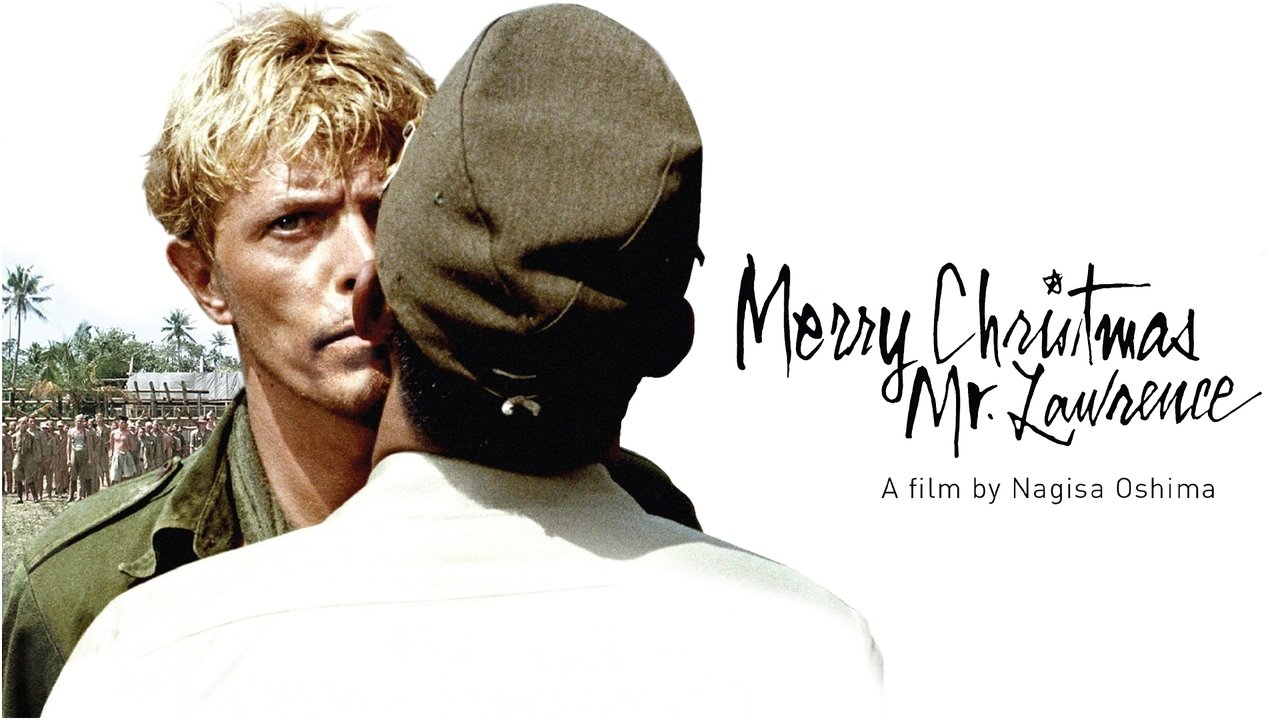
Adding another layer of brilliance is the casting of musician Ryuichi Sakamoto as Captain Yonoi. Initially chosen for his striking looks and intensity, Sakamoto was then persuaded by Ōshima to compose the film's score. It proved to be an inspired decision on both counts. Sakamoto portrays Yonoi with a simmering intensity, a man wrestling with his strict adherence to Bushido and his inexplicable fascination with Celliers. His performance is largely internal, conveyed through subtle shifts in expression and posture. And then there's the music. Sakamoto’s score, particularly the iconic main theme, is simply unforgettable – a haunting, melancholic melody that perfectly captures the film's blend of beauty and sorrow. It floats over the narrative, evoking the unspoken emotions and the vast cultural divides, and deservedly won him a BAFTA. It’s one of those themes that became instantly recognizable, finding its way onto countless compilation tapes back in the day.
Beyond the Barbed Wire
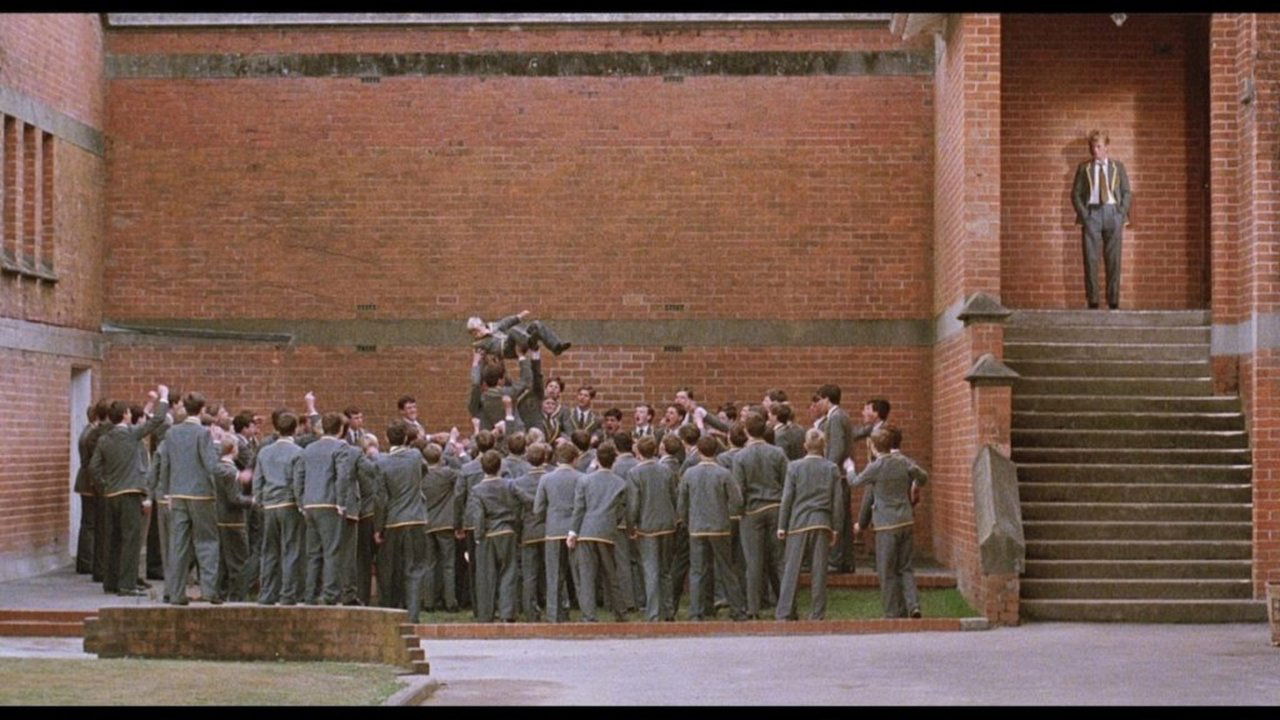
Ōshima masterfully uses the confined setting of the POW camp, filmed primarily on the Cook Islands substituting for Java, not just as a backdrop for conflict, but as a pressure cooker for examining fundamental questions about human nature. What happens when disparate codes of ethics collide? Where does duty end and humanity begin? The film explores themes of guilt – particularly Celliers’ backstory involving his younger brother – and repressed homosexuality with a sensitivity and directness that felt rare for its time. The tension between Yonoi and Celliers crackles with unspoken energy, a dangerous attraction that transcends mere cultural curiosity. It's handled not with sensationalism, but as part of the complex tapestry of human connection under extreme duress.

Merry Christmas, Mr. Lawrence wasn't a massive blockbuster, earning perhaps modestly against its production costs, but its reputation has only grown over the decades. It remains a powerful, unsettling, and ultimately deeply moving piece of cinema. It challenges viewers, asking difficult questions without offering easy answers. It reminds us that even in the darkest of circumstances, flickers of understanding, compassion, and even love can unexpectedly ignite. It’s the kind of film that benefits from revisiting, its layers revealing themselves more fully with time.
Rating: 9/10
This rating reflects the film's artistic ambition, its stunning performances (particularly from Bowie, Conti, and Sakamoto), Ōshima's masterful direction, and Sakamoto's unforgettable score. While its deliberate pacing and challenging themes might not appeal to everyone seeking simple entertainment, its profound exploration of humanity under duress makes it a standout piece of 80s cinema. It’s a film that lingers, prompting reflection long after the haunting final notes of the theme have faded, leaving you with the echo of an impossible connection forged across enemy lines.