It arrived on video store shelves like a transmission from a slightly warped parallel universe, a space opera beamed directly from the glorious, sometimes gloriously cheesy, heart of the early 80s. Roger Corman, the undisputed king of low-budget ingenuity, decided that if George Lucas could have Star Wars, then he could have his own slice of the galactic pie. The result? 1980's Battle Beyond the Stars, a film that might not have had Lucas's budget, but brimmed with a scrappy ambition and a surprising roster of talent that makes it a fascinating watch even today. Forget polished chrome and thoughtful allegories for a moment; this was drive-in sci-fi aiming for the stars, fueled by equal parts inspiration and sheer Corman-esque thrift.

### Corman's Magnificent Seven... In Space!
The premise itself is pure, unadulterated pulp genius, borrowing shamelessly (and effectively) from Akira Kurosawa's Seven Samurai (1954) and its Western remake, The Magnificent Seven (1960). On the peaceful farming planet of Akir (yes, really), the idyllic lives of the Akira (yes, really) are threatened by the tyrannical Sador (John Saxon, chewing scenery with delightful menace) and his Malmori Starfleet. Sador demands subjugation, threatening annihilation with his "Stellar Converter," a planet-destroying weapon that feels delightfully like a Death Star built on a tighter deadline. Enter Shad, a young Akira played by Richard Thomas (a far cry from John-Boy Walton!), tasked with venturing into the cosmos to hire mercenaries to defend his home. It’s a classic setup, instantly familiar, but transplanting it to space gives it a wonderfully fresh, if slightly kitschy, coat of paint.
Written by the incredibly talented John Sayles – who would go on to write and direct acclaimed films like Lone Star (1996) and Matewan (1987) – the script manages to inject personality into its archetypes, even amidst the laser fire and spaceship dogfights. Sayles reportedly churned out the script quickly, tailored to Corman's specific needs: make it like Star Wars but cheaper, and borrow that Magnificent Seven plot. It's a testament to his skill that the dialogue often rises above typical B-movie fare, giving the eclectic cast something tangible to work with.
### Assembling the Galactic Gunslingers
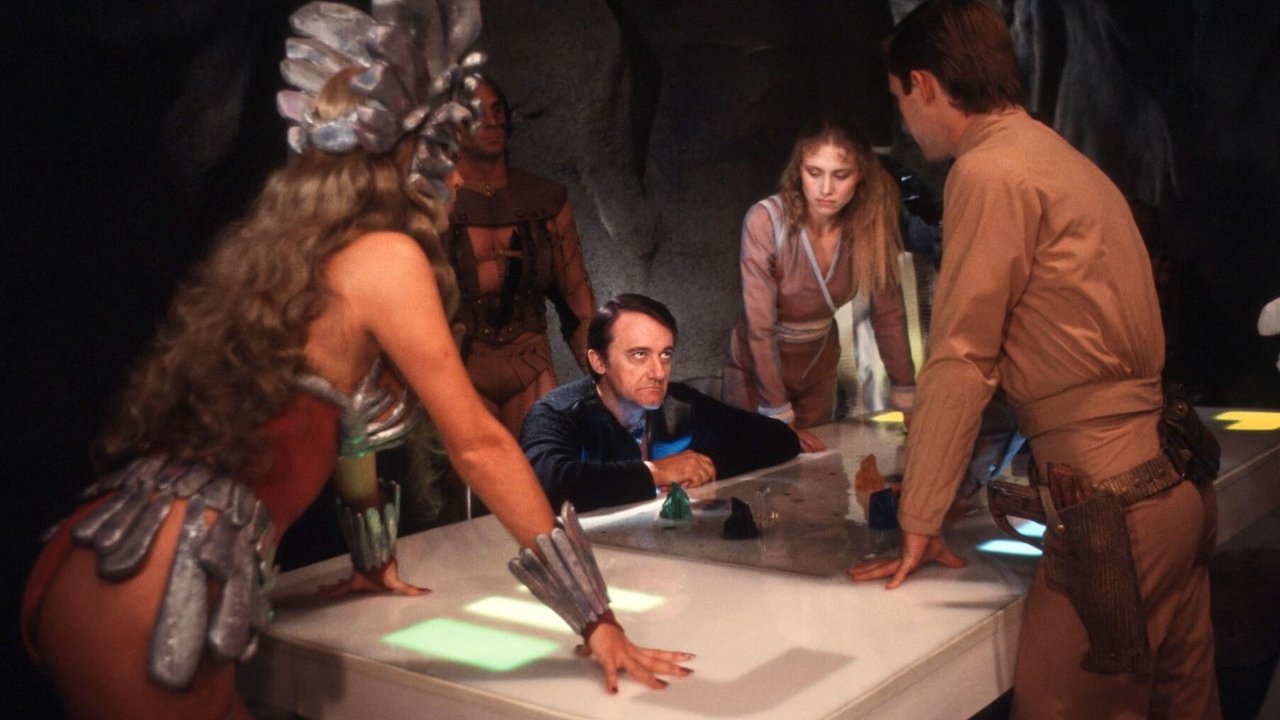
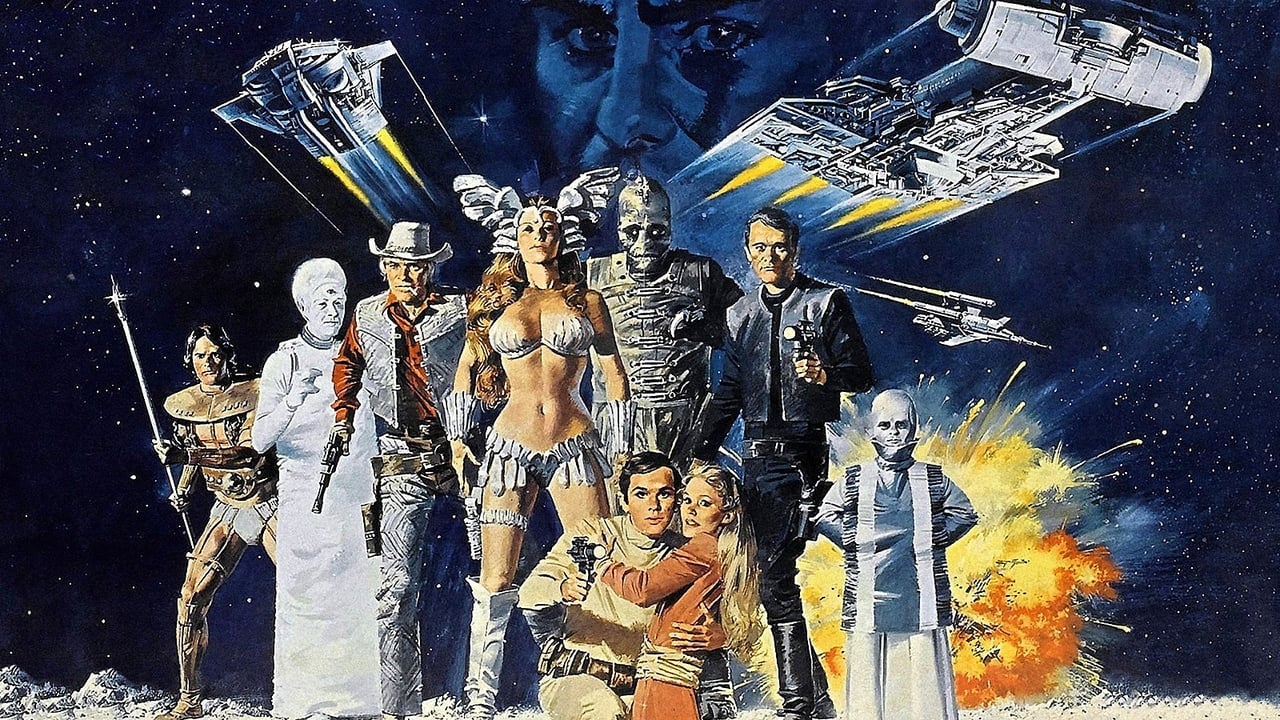
And what a cast it is! Shad’s recruitment drive brings together a wonderfully motley crew. There’s the laconic space cowboy Gelt, played with weary cool by George Peppard, clearly enjoying his Han Solo-esque role, complete with a cool ship and a penchant for Earth whiskey. Then we have the reptilian bounty hunter Cayman (Morgan Woodward), accompanied by his unsettlingly calm Kelvin clones. Perhaps most memorably, there’s Saint-Exmin (Sybil Danning), a Valkyrie warrior whose skimpy battle attire became instantly iconic, embodying the film's particular brand of 80s sci-fi pulp appeal.
But the casting coup, the wink to the audience that still lands perfectly, is Robert Vaughn as Gelt. Vaughn, of course, played the haunted gunman Lee in The Magnificent Seven. Here, he’s essentially reprising that role as a galaxy-weary, high-priced assassin living in self-imposed isolation, waiting for one last, meaningful fight. It's a wonderful piece of meta-casting that adds a layer of knowing charm to the proceedings. Seeing him and Peppard share scenes feels like a mini-reunion of classic Hollywood tough guys, albeit amidst asteroids and aliens.
### Junkyard Genius: Cameron and the Effects
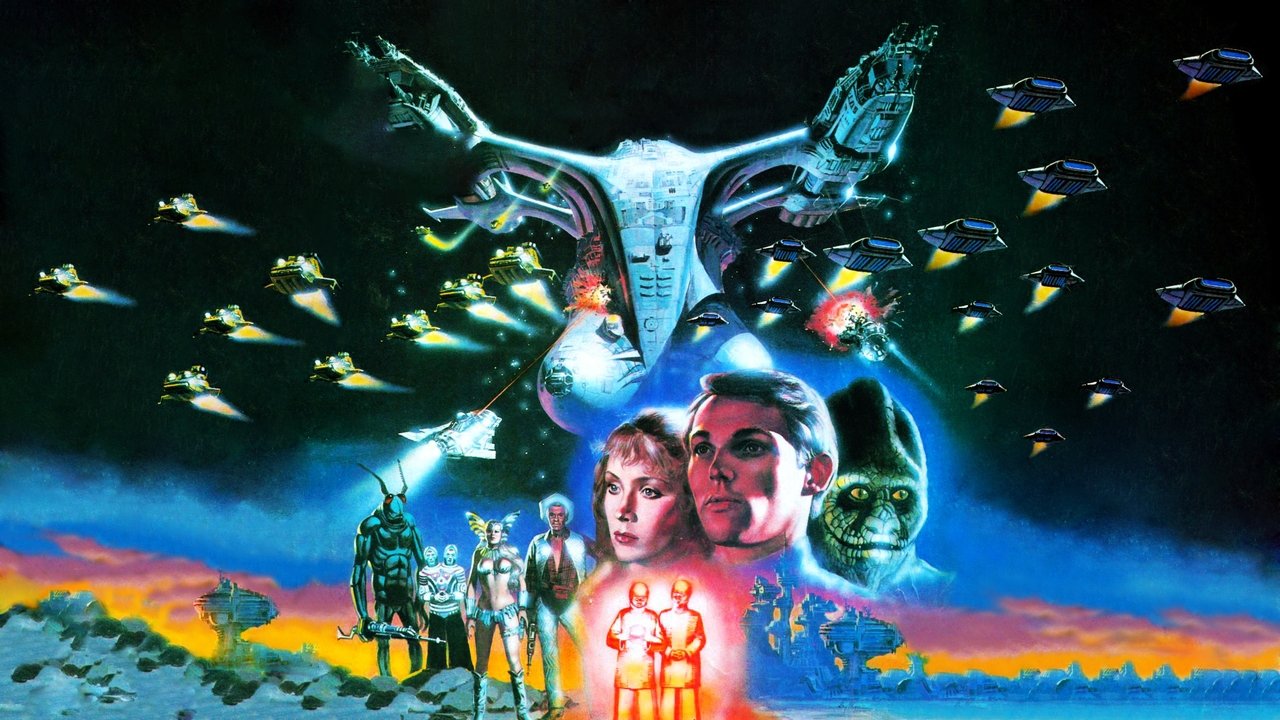
Now, let's talk about the look. Produced for around $2 million – Corman's most expensive film up to that point, but pocket change compared to The Empire Strikes Back released the same year – Battle Beyond the Stars needed serious visual creativity. Enter a young, hungry special effects whiz named James Cameron. Yes, that James Cameron. Serving as Art Director and Effects Photographer, Cameron was instrumental in creating the film's distinctive visual landscape. Working with miniatures often cobbled together from model kits and found objects (a technique Corman championed), Cameron and his team delivered surprisingly dynamic space battles and imaginative ship designs on a shoestring.
One ship, in particular, achieved legendary status: Nell, Shad's primary vessel. Designed by Cameron with deliberate, shall we say, anatomical inspiration, Nell is a sentient ship with a distinctly female form. It's simultaneously goofy and strangely memorable, a perfect symbol of the film's uninhibited creativity. Rumor has it Cameron was initially resistant to the overtly suggestive design requested by Corman but ultimately delivered one of sci-fi's most uniquely shaped starships. The practical effects, while obviously dated by today's standards, possess a tangible quality, a handcrafted charm that CGI often lacks. Watching the miniatures zip and explode has a certain tactile thrill, a reminder of an era where visual magic felt genuinely made.
### Horner's Heroic Fanfares
Adding immeasurably to the film's sense of scale and adventure is the soaring musical score by another future legend: James Horner. Just a couple of years before his iconic work on Star Trek II: The Wrath of Khan (1982), Horner delivered a fantastic, brass-heavy score for Battle Beyond the Stars. It’s epic, heroic, and undeniably catchy, elevating the on-screen action significantly. You can hear early hints of the themes and orchestrations that would define his later, bigger projects. It's a score far grander than the film's budget might suggest, proving that Corman, for all his legendary penny-pinching, knew where to invest for maximum impact.
### Legacy of a Low-Budget Star War
Battle Beyond the Stars was a financial success for Corman, reportedly grossing over $11 million domestically – a tidy profit on its $2 million investment. While critics at the time were somewhat mixed, often pointing out the obvious Star Wars comparisons and budget limitations, the film quickly found its audience on home video and television. It became a beloved staple for kids hungry for sci-fi adventure, a movie you’d happily catch on a Saturday afternoon or pick up from the local rental store, drawn in by its lurid cover art.
Its influence, though subtle, is there. It provided crucial early experience for Cameron and Horner, launching pads for their incredible careers. It stands as a prime example of Roger Corman's uncanny ability to tap into the zeitgeist, deliver genre thrills efficiently, and occasionally produce something genuinely fun and enduring. The practical effects, especially the spaceship models, were reportedly reused (in true Corman fashion) in later productions like Space Raiders (1983).
Is it high art? Absolutely not. Is it occasionally silly? Without a doubt. But Battle Beyond the Stars pulses with an infectious energy, a love for classic storytelling structures, and the sheer joy of galactic adventure. It’s a film made with passion and ingenuity, overcoming its limitations through cleverness and a cast clearly having a good time.
Rating: 7/10
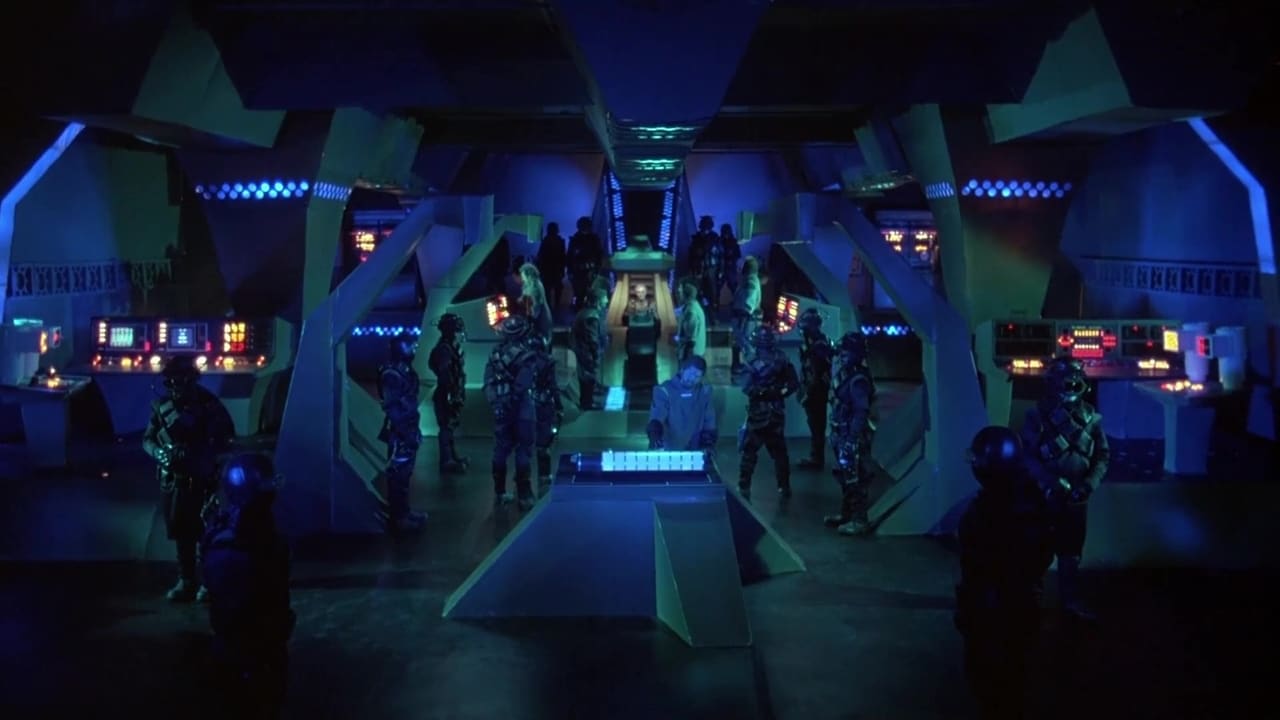
The rating reflects the film's undeniable charm, its historical significance as a launchpad for major talent, and its status as a fun, if flawed, cult classic. It successfully translates a timeless story to a sci-fi setting with energy and surprisingly effective practical effects for its budget, anchored by a game cast and a fantastic score. Points are deducted for the sometimes cheesy dialogue, uneven pacing in spots, and effects that haven't aged gracefully, but its sheer enthusiasm wins out.
For anyone who remembers scouring the sci-fi shelves at the video store, Battle Beyond the Stars is a warm, fuzzy blast from the past – a reminder that sometimes, all you need is a good story, some cool spaceships (even buxom ones), and a willingness to aim for the stars, even on a shoestring budget.