### The Weight of Past Sins
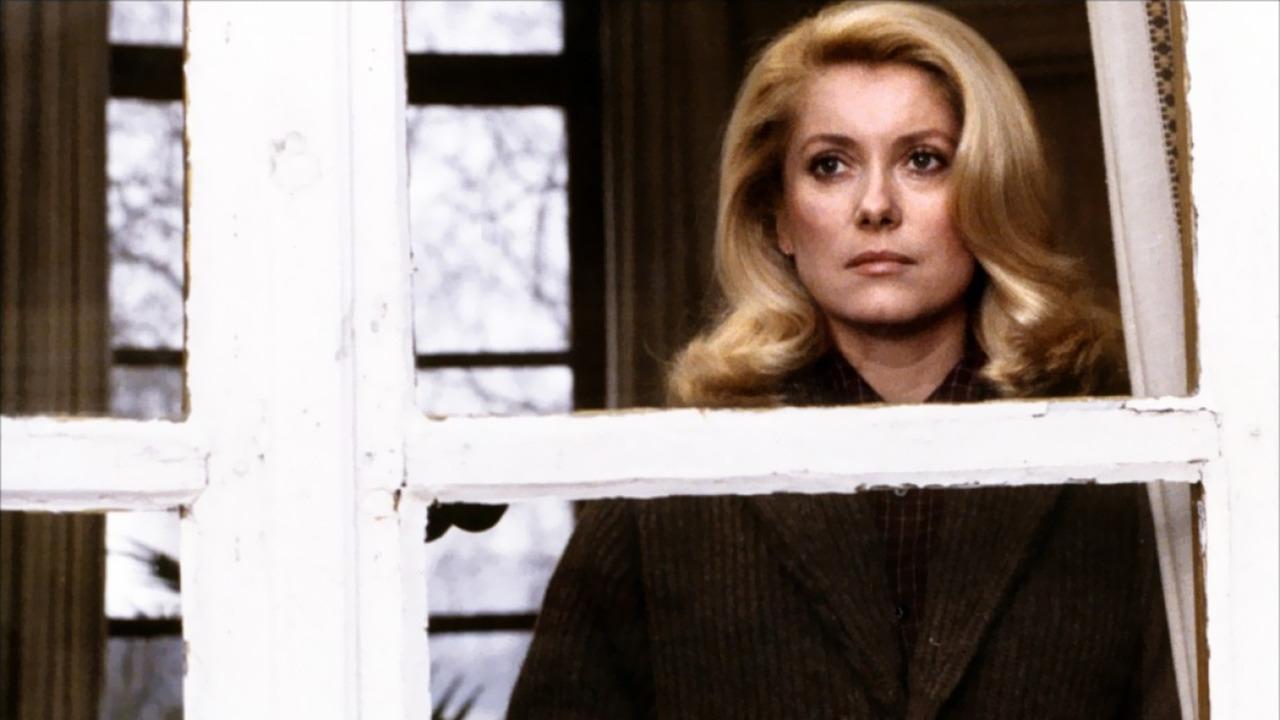
There’s a particular kind of quiet dread that settles over Alain Corneau’s Choice of Arms (1981), a feeling distinct even within the rich landscape of French crime thrillers, or polars, from that era. It’s not the frantic energy of a heist gone wrong, nor the shadowy labyrinth of urban conspiracy. Instead, it begins with the illusion of peace – a sprawling country estate, horses grazing, an older man seemingly retired from a life best left unspoken. But like a storm gathering on the horizon, you feel the inevitable disruption coming, the past refusing to stay buried. It's this tension, this sense of encroaching fate embodied by two colossal figures of French cinema, that makes revisiting this film feel so potent.
### An Unwelcome Guest, An Inescapable Past
The setup is deceptively simple. Noël Durieux (Yves Montand) is a former gangster living a life of quiet respectability with his partner Nicole (Catherine Deneuve) on their stud farm. He’s left the violence behind, or so he believes. His carefully constructed tranquility is shattered by the arrival of Mickey (Gérard Depardieu), a volatile, impulsive young criminal fresh from a prison break and accompanied by another escapee. Mickey sees Noël as a figure from the old days, perhaps a mentor or a potential ally, someone who understands the code. But Noël sees only trouble, a dangerous reminder of a life he desperately wants to forget, dragging him back into the very world he escaped. What unfolds is less a conventional thriller plot and more a slow-burn character study, a collision course between weary experience and reckless youth.
### Montand & Depardieu: A Study in Contrasts
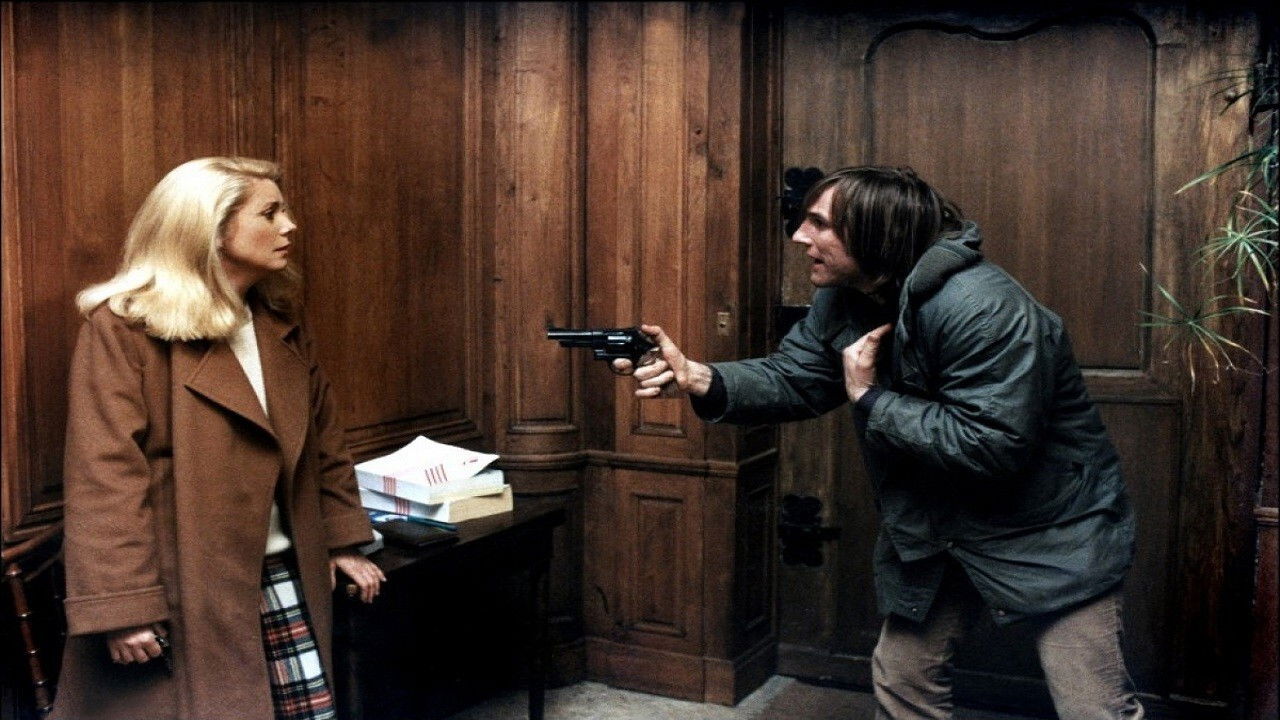
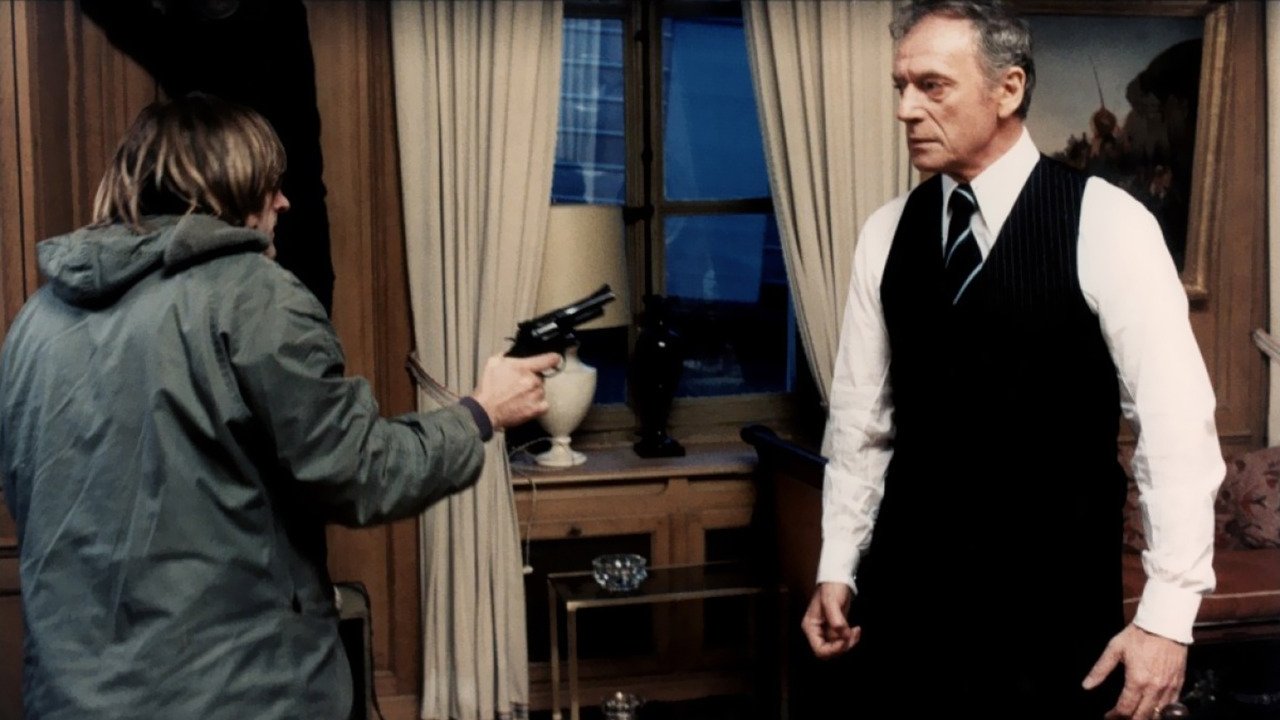
The absolute core of Choice of Arms lies in the performances of its two male leads, perfectly cast as opposing forces. Yves Montand, then in his early 60s, embodies Noël with a profound sense of world-weariness. His face is a map of past regrets and hard-won composure. There’s a stillness to him, a desire for control, but beneath it simmers the residual steel of his former life. You see the calculations behind his eyes, the constant weighing of options, the dawning horror that his peaceful retirement is irrevocably compromised. It’s a performance built on subtle reactions and quiet authority, utterly magnetic.
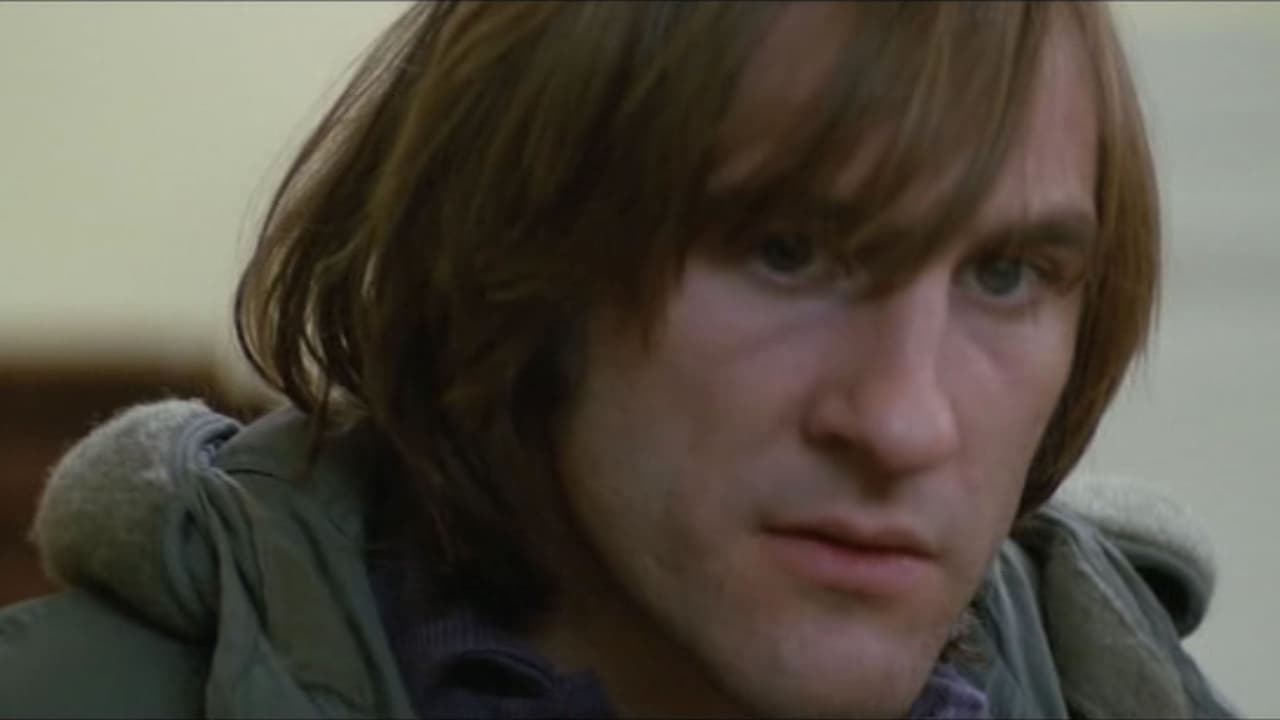
Contrast this with Gérard Depardieu as Mickey. Bursting onto the scene just a few years after his breakout in Going Places (1974), Depardieu is pure, raw energy here. Mickey is unpredictable, almost feral – a creature of instinct and impulse, lacking Noël’s foresight or restraint. He’s dangerous not just because he’s armed, but because he’s emotionally volatile, capable of sudden violence or surprising vulnerability. Depardieu doesn’t just play Mickey; he inhabits him, making his chaotic presence genuinely unsettling. Seeing these two titans share the screen, circling each other like wary predators, is the film's undeniable highlight. Catherine Deneuve, elegant as always, provides a crucial anchor as Nicole, though arguably the script doesn't give her quite as much depth to explore as her male co-stars. Her presence signifies the life Noël stands to lose, adding another layer to his internal conflict.
### Corneau's Measured Hand
Director Alain Corneau, who sadly passed away in 2010, was a master of mood and tone, often drawing inspiration from American noir but infusing it with a distinctly French sensibility. Fresh off the critical success of the bleak Série noire (1979), he brings a similar atmospheric weight to Choice of Arms, but with a different rhythm. The pacing is deliberate, allowing the tension to build slowly through watchful silences and loaded glances rather than constant action. Corneau uses the picturesque countryside setting not just as a backdrop, but as an ironic counterpoint to the brutality simmering beneath the surface. The violence, when it erupts, feels sudden and impactful precisely because of the preceding calm.
Reportedly, Corneau aimed for a modern tragedy structure, focusing on the inevitability of Noël's entanglement. The film was a significant production for its time in France, bringing together three of the country's biggest stars. While perhaps not as widely remembered internationally as some other French thrillers of the period, it performed well domestically, further cementing Corneau's reputation and showcasing the dramatic range of both Montand and Depardieu. The score by Philippe Sarde, a frequent collaborator with Corneau, perfectly complements the film's melancholic and suspenseful atmosphere.
### Echoes in the Quiet
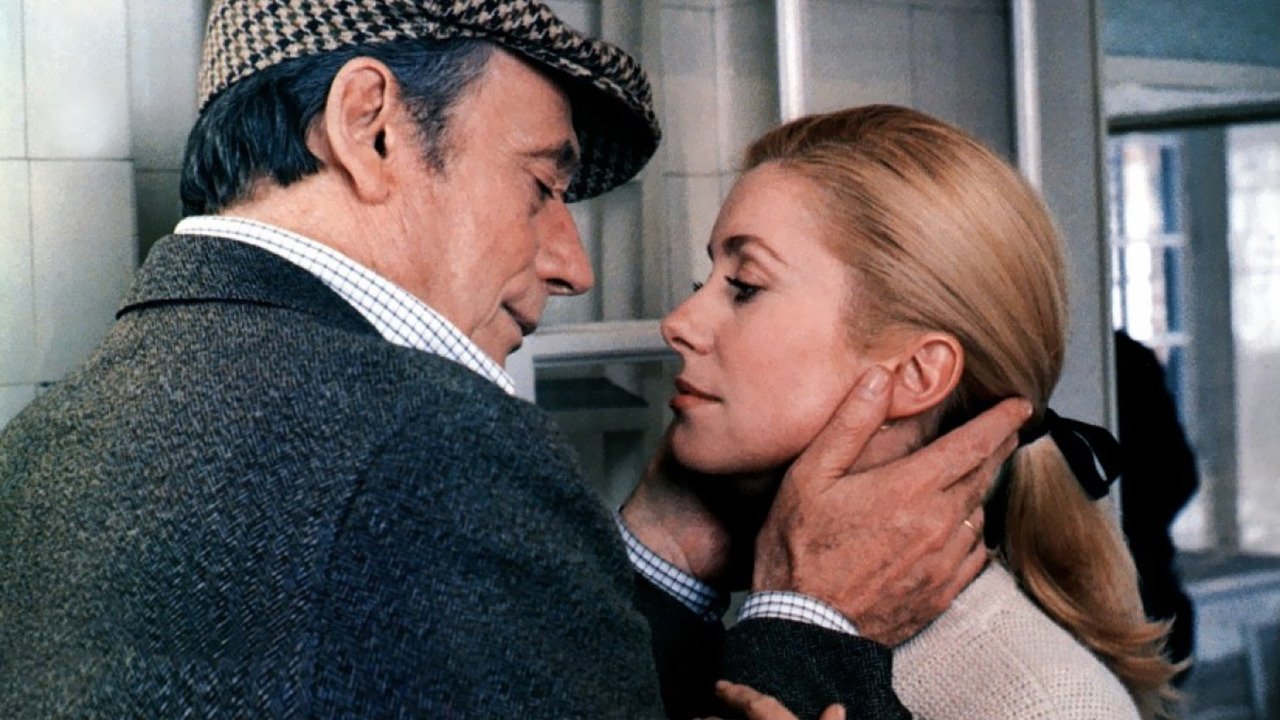
What lingers long after watching Choice of Arms isn't just the star power or the bursts of violence, but the pervasive sense of melancholy. It’s a film about consequences, about the impossibility of truly escaping who you once were. Noël's tragedy is that his very nature, the skills and instincts honed in his past life, are what he must call upon to deal with the threat Mickey represents, pulling him back into the darkness. Does trying to protect the peace ultimately destroy it? It's a question the film leaves hanging, heavy in the air. For those of us who remember browsing the aisles of the local video store, finding a gem like this felt like uncovering something substantial, a film with weight and texture beyond typical Hollywood fare. It might not have had the flashy marketing push of some blockbusters, but its quiet intensity could stick with you.
Rating: 8/10
Choice of Arms stands as a powerful example of French neo-noir, anchored by towering performances from Yves Montand and Gérard Depardieu. Its strength lies in its deliberate pacing, moody atmosphere, and thoughtful exploration of inescapable fate. While perhaps Catherine Deneuve's role feels slightly underutilised, the central conflict is utterly compelling. This isn't just a crime story; it's a somber meditation on the shadows that follow us, a film whose quiet intensity resonates long after the VCR clicks off. A must-watch for fans of character-driven thrillers and classic French cinema.