Before James Cameron took us back to the icy depths, there was another, altogether different cinematic voyage involving the world’s most infamous ocean liner. It arrived with the kind of colossal ambition usually reserved for building actual pyramids, promising a spectacle whispered about in hushed, excited tones across playgrounds and office water coolers alike. I’m talking about 1980’s Raise the Titanic, a film whose very title felt like a direct challenge to the impossible, a blockbuster promise etched onto countless VHS rental shelves. And while the final product might not have quite lived up to the legendary hype, its story, both on-screen and off, remains a fascinating artifact of early '80s big-budget filmmaking.
An Ocean of Ambition
Based on the best-selling novel by Clive Cussler, the plot dives headfirst into classic Cold War intrigue. The mission isn't just about historical curiosity; it's a high-stakes race against the Soviets to recover a fictional, incredibly rare mineral called "byzanium" from the Titanic's hold. This MacGuffin is supposedly the key ingredient for a powerful new defense system capable of stopping any nuclear missile – the kind of plot device that felt ripped straight from the geopolitical anxieties of the era. Leading the charge is Cussler's recurring hero, Dirk Pitt (played with a certain rugged weariness by Richard Jordan), under the watchful eye of Admiral James Sandecker (Jason Robards, lending his usual gravitas). David Selby rounds out the core team as Gene Seagram, the scientist obsessed with the project.
The sheer scale of what director Jerry Jameson (no stranger to watery peril after helming Airport '77) was attempting cannot be overstated. This wasn't just a movie; it felt like an engineering project disguised as entertainment. The production, bankrolled by the legendary British producer Lord Lew Grade's ITC Entertainment, famously spiraled into one of the most expensive films made up to that point. Figures vary, but estimates often land around a staggering $40 million – an almost unbelievable sum back then (easily over $140 million in today's money).
Building a Legend (and a Very Expensive Model)
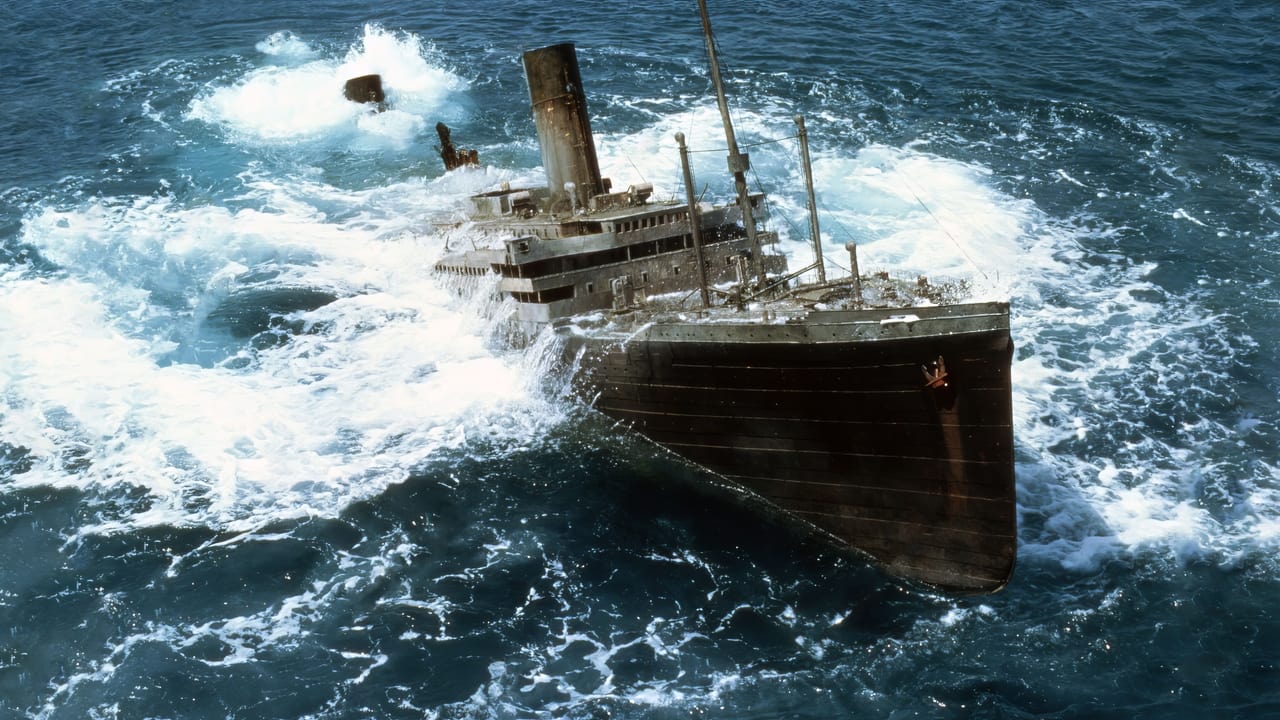
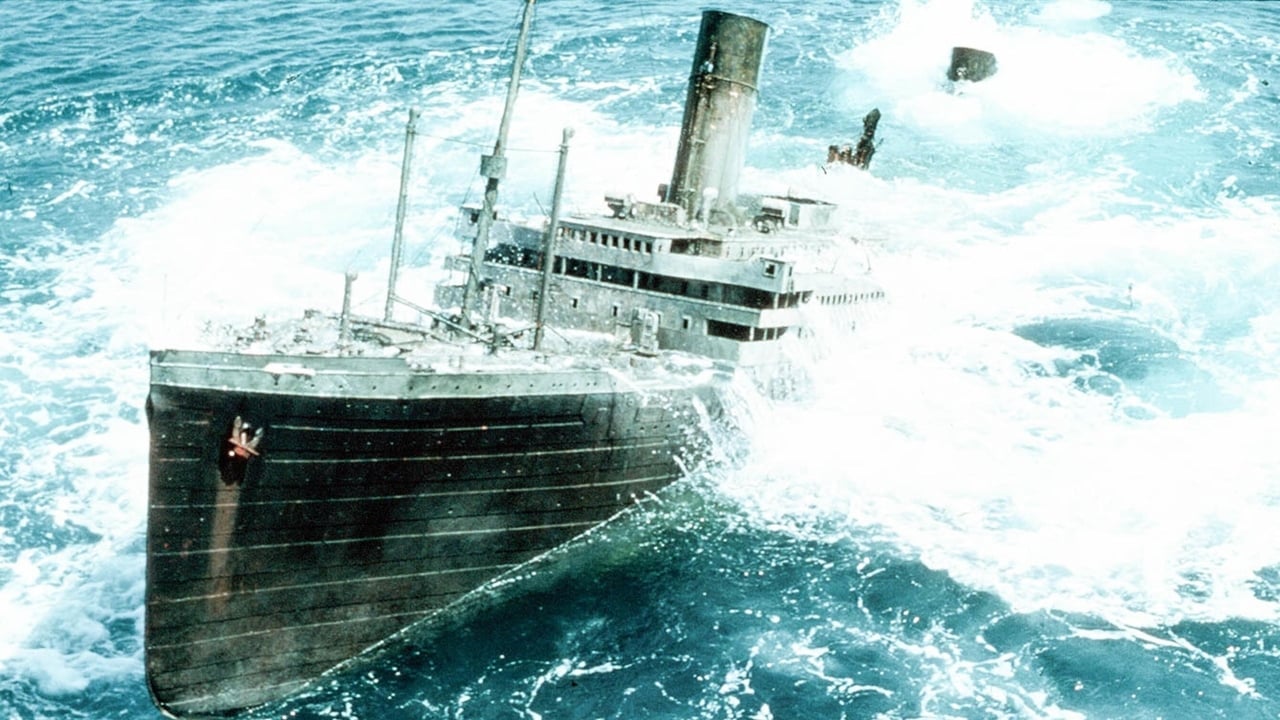
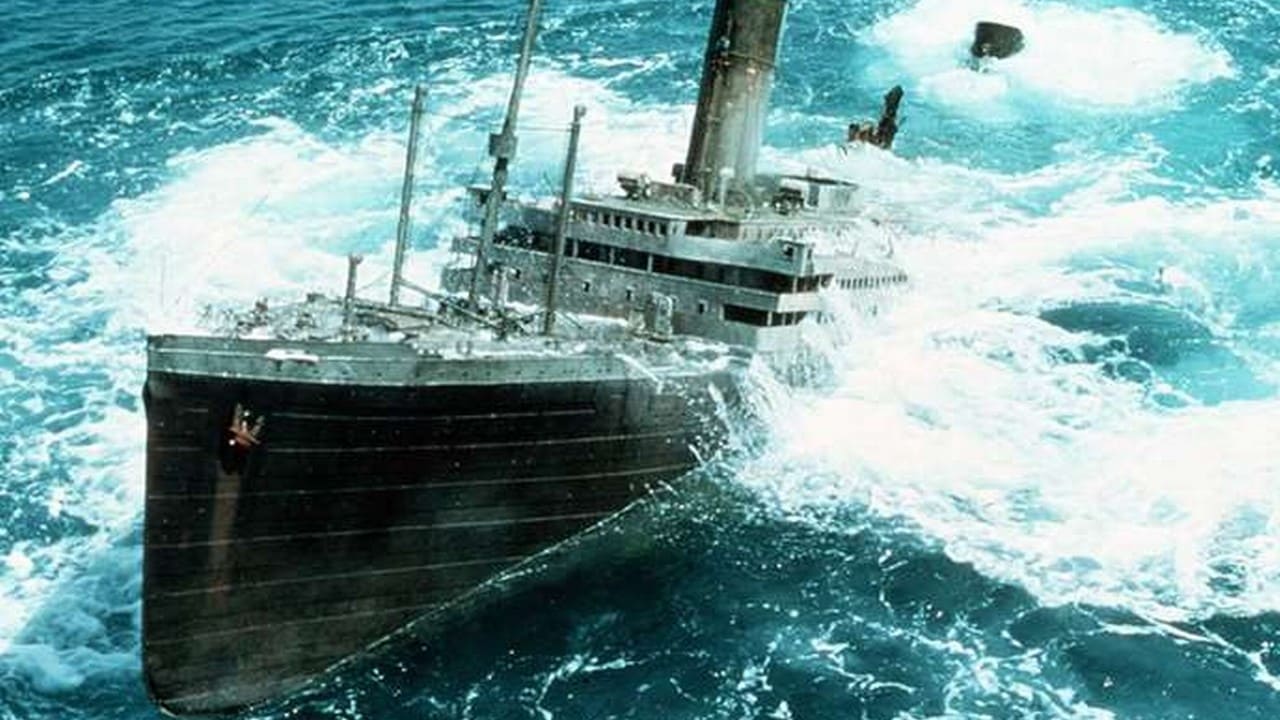
Much of that colossal budget went into the astonishing practical effects, particularly the star of the show: the Titanic itself. Forget CGI; this was the era of meticulous model work. A massive, 55-foot, 10-ton replica of the rusting liner was painstakingly constructed for the climactic raising sequence. Filmed in a gigantic water tank built specifically for the production in Malta, this model alone reportedly cost somewhere in the region of $7 million. Watching those scenes today, you can appreciate the craftsmanship, even if the effects inevitably show their age. Back in 1980, seeing that ghostly behemoth slowly, agonizingly break the surface… well, for a kid glued to the TV screen, it was pretty awe-inspiring, a tangible piece of movie magic. You could almost feel the groaning metal and the icy chill.
This dedication to physical spectacle, however, came at a cost beyond the financial. The narrative sometimes feels like it's treading water, waiting for the next big set piece. While Jason Robards delivers his lines with seasoned authority and Richard Jordan makes for a capable, if slightly understated, action hero, the characters often feel secondary to the mission's mechanics. Even a brief appearance by the legendary Sir Alec Guinness as an elderly survivor feels somewhat adrift in the procedural plot. The script, adapted by Adam Kennedy and Eric Hughes, struggles to maintain momentum between the impressive underwater searches and the grand finale.

The Aftermath and the VHS Echo
The film's fate became almost as legendary as the ship it depicted. Despite the massive hype and the inherent draw of the Titanic name, Raise the Titanic sank at the box office, recouping only a fraction of its enormous cost (around $7 million domestically). This led to Lord Lew Grade's famously wry quip: "It would have been cheaper to lower the Atlantic." The financial fallout severely wounded ITC Entertainment. Clive Cussler himself was reportedly so displeased with the adaptation that he refused to sell film rights to his other Dirk Pitt novels for decades, until 2005's Sahara.
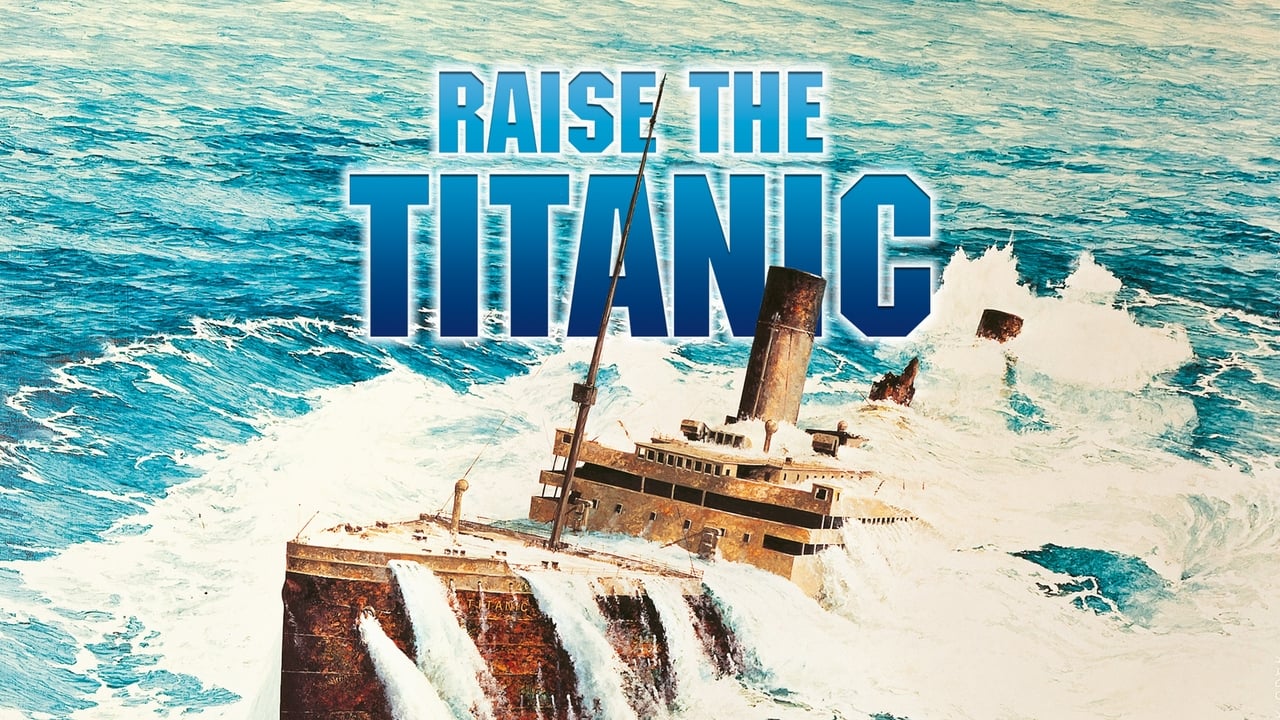
Yet, Raise the Titanic lingered in the collective consciousness, largely thanks to home video. Its distinctive VHS cover, often featuring the dramatic image of the ship surfacing, was a familiar sight in rental stores throughout the '80s. For many of us, renting this tape was driven by sheer curiosity – could they really raise the Titanic? It might not have been the pulse-pounding adventure some expected, feeling more like a methodical naval operation at times, but the central image stuck. There's a certain charm to its earnestness, its commitment to a wildly ambitious, slightly bonkers premise. It’s a film born of a time when practical effects reigned supreme, and studios were occasionally willing to bet the farm on a single, spectacular idea.
Rating: 5/10
Raise the Titanic earns its score for sheer, unadulterated ambition and its impressive, if dated, practical effects showcase. The central raising sequence remains a memorable piece of large-scale model work from the era. However, the film is undeniably hampered by sluggish pacing, a somewhat dry plot that prioritizes procedure over character, and a legendary production cost that vastly overshadowed its actual performance. It's a fascinating cinematic artifact, a testament to grand vision meeting harsh reality, but often more interesting to talk about than to rewatch.
For all its flaws, Raise the Titanic remains a curious monument in the landscape of 80s cinema – a big swing that didn't quite connect, but whose audacious attempt still echoes across the decades, much like the ghostly sonar pings searching the deep.