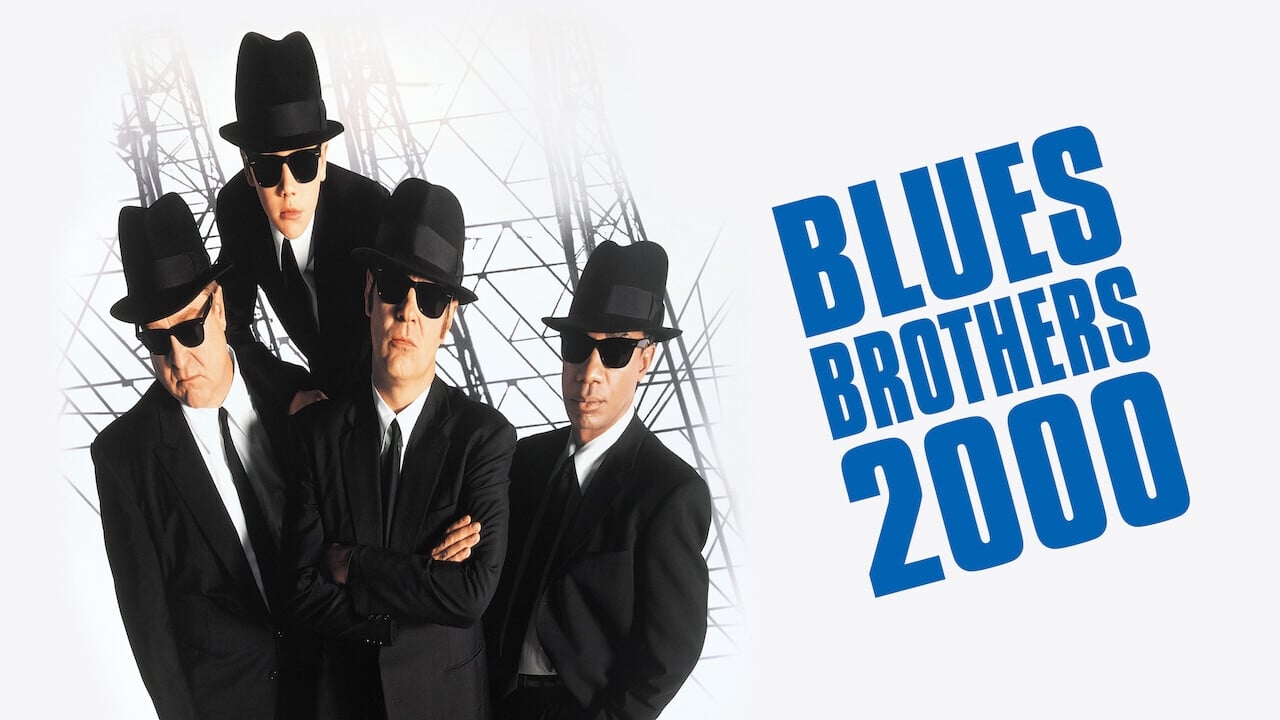
Alright, fellow tapeheads, let's rewind to 1998. The shelves at Blockbuster were still stacked high, the distinct clunk of a VHS tape entering the VCR was music to our ears, and eighteen long years after the original mission from God, Elwood Blues was getting out of prison… again. The arrival of Blues Brothers 2000 felt both inevitable and slightly baffling. Could lightning possibly strike twice, especially without the irreplaceable comedic anarchy of John Belushi? Pull up a chair, crack open a cold one, and let's pop this late-90s curiosity into the machine.

### The Band's Back (Sort Of)
The first thing you notice is the sheer weight of expectation pressing down on this film. Dan Aykroyd, co-writing with returning director John Landis (the man who gave us certified classics like An American Werewolf in London (1981) and Trading Places (1983)), clearly poured his heart into resurrecting Elwood and his world. The plot echoes the original: Elwood emerges from prison to discover seismic shifts in his old life (Curtis is gone, the orphanage is history) and promptly decides the only solution is... yep, get the band back together for another righteous gig.
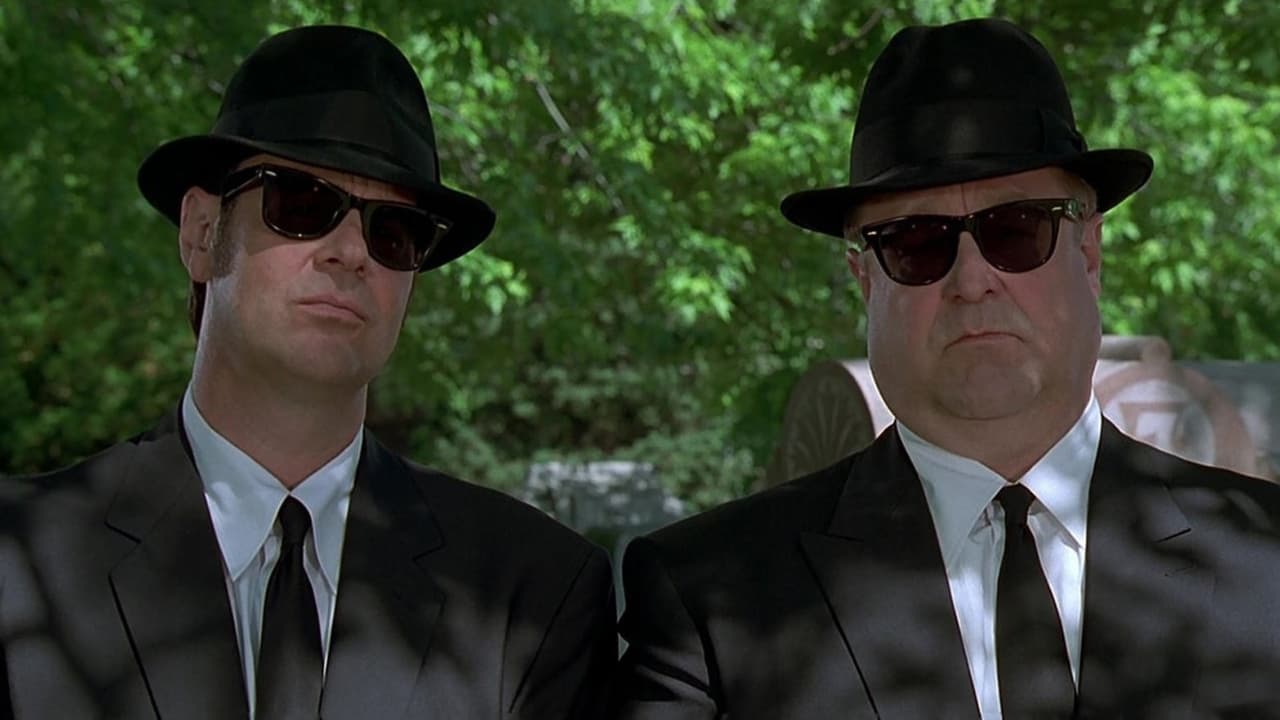
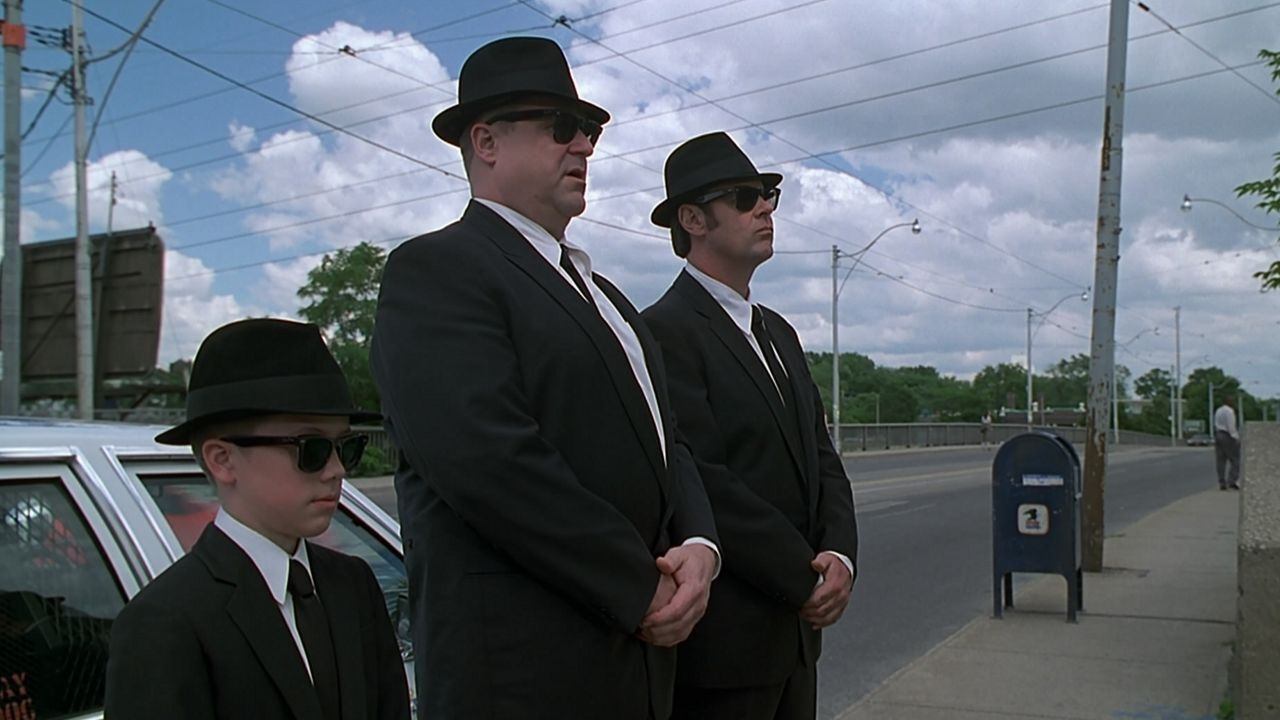
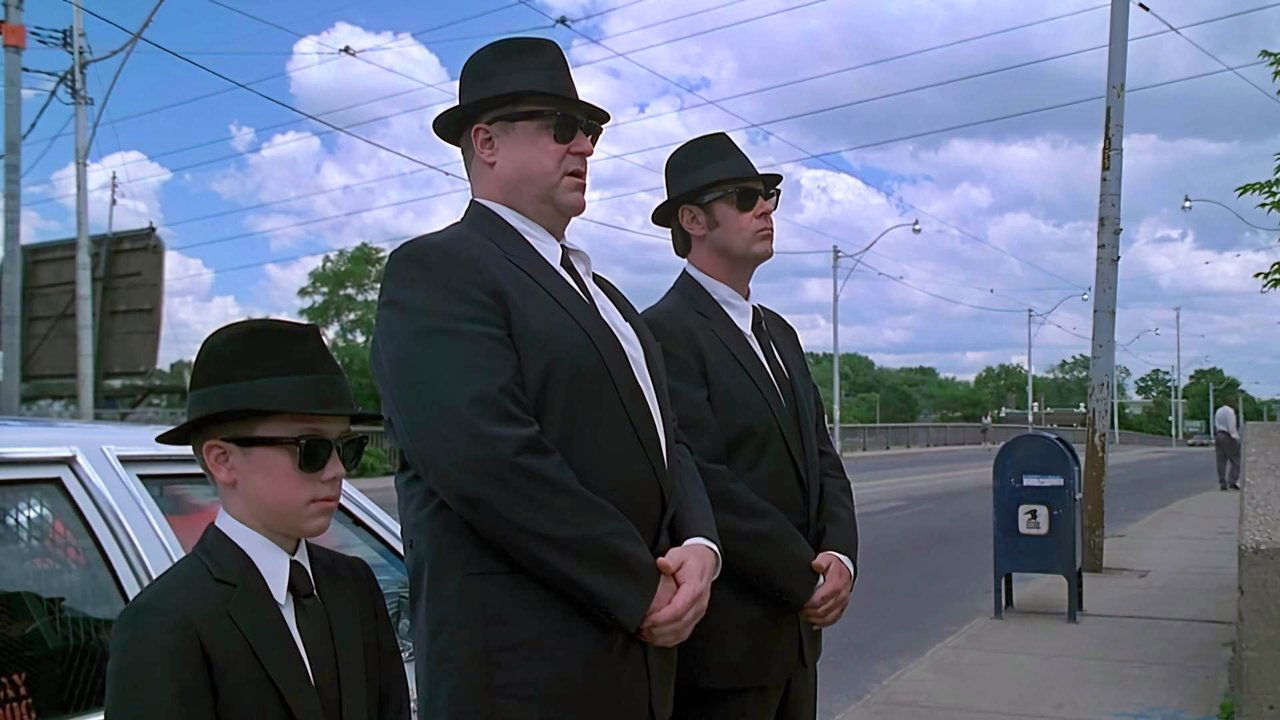
This time, though, Jake is gone. The gaping hole left by Belushi's passing hangs heavy. Enter Mack McTeer, played with gusto by the always-welcome John Goodman. Goodman doesn't try to be Belushi – a wise move – instead bringing his own brand of booming enthusiasm as a bartender-turned-bluesman. He’s joined by Joe Morton as Cab Chamberlain, the estranged son of the original film's Curtis (a role intended for Cab Calloway himself before his passing in 1994, a poignant 'what if'), and, somewhat randomly, a ten-year-old orphan named Buster (J. Evan Bonifant). The chemistry isn't the same volatile magic of Aykroyd and Belushi, naturally, but there's an earnest effort to forge a new dynamic.
### More Cameos Than You Can Shake a Tail Feather At
If the original Blues Brothers (1980) was a love letter to Chicago blues and soul, Blues Brothers 2000 feels like an all-star revue desperately trying to recapture that spirit. And honestly? The music is often the best reason to stick with this tape. Seeing legends like Aretha Franklin belt out "R.E.S.P.E.C.T." again, James Brown leading a revival meeting with "Please, Please, Please," and B.B. King fronting the supergroup The Louisiana Gator Boys (featuring Eric Clapton, Bo Diddley, Dr. John, Isaac Hayes, and so many more!) – these moments genuinely spark. Newcomers like Erykah Badu also fit right in. Hearing these performances, likely booming imperfectly through old CRT speakers, was still a treat. You could feel the energy of real musicians playing their hearts out, something raw and authentic that often gets lost today.
The film is absolutely stuffed with cameos, musical and otherwise. It sometimes feels less like a cohesive story and more like Landis and Aykroyd called everyone they knew. It’s fun spotting faces, but it contributes to the movie feeling overstuffed and lacking the lean, mean narrative drive of its predecessor. There's a sense that the sheer spectacle was intended to compensate for the missing core element.
### When Practical Effects Went BIG
Now, let's talk destruction. While Blues Brothers 2000 might lack the gritty realism of 80s actioners, it doubles down on the cartoonish vehicular mayhem the original perfected. Remember that climactic police car pile-up? They didn't just do it again; they went for the Guinness World Record. Reportedly, 63 cars were wrecked in the sequence, a number that still sounds faintly ludicrous. Watching it back then, even on a fuzzy VHS copy, the scale was undeniable. No slick CGI smoothing things over – you saw real metal crunching, real cars flipping (albeit in a highly choreographed ballet of destruction). It’s absurd, over-the-top, and perhaps the most memorable visual part of the movie, precisely because it felt so tangible. This dedication to practical mayhem, even when played for laughs, is pure late-era VHS blockbuster energy. They actually did that!
### A Mission Muddled?
Despite the musical highlights and that epic pile-up, Blues Brothers 2000 struggles. The plot feels thinner, recycling beats from the first film without the same sharp satire or underlying heart. The inclusion of supernatural elements (voodoo curses, transforming bluesmen) feels out of place, pushing the film from quirky comedy into outright silliness that doesn't always land. Aykroyd remains a compelling Elwood, deadpan as ever, but the story meanders, lacking the urgent, driving purpose of the original mission.
The film reportedly had a long and difficult development, stretching years after the original's success. Initial plans apparently involved figures like John Candy before his untimely death further altered the landscape. By the time it finally hit screens in 1998, after costing around $28 million, it sadly failed to connect with critics or audiences, barely making back its budget domestically. It became one of those sequels many fans of the original preferred to pretend didn't exist.
### The Verdict
Watching Blues Brothers 2000 today feels like digging up a time capsule from a very specific moment – the late 90s, when studios were perhaps a bit too eager to cash in on beloved properties, sometimes missing the essence of what made them special. It’s a film bursting with musical talent and featuring one undeniably impressive practical stunt sequence. Dan Aykroyd's passion project is evident, and John Goodman gives it his all. But it can't escape the shadow of its near-perfect predecessor. The magic feels diluted, the jokes don't land as sharply, and the plot often feels like a faded photocopy.
Rating: 4/10
The rating reflects the undeniable musical pedigree and the sheer audacity of some moments (that car crash!), weighed against a weak script and the impossible task of filling Belushi's shoes. It’s not unwatchable, especially if you adore the musicians involved, but it lacks the vital spark of the original.
Final Thought: It tried to put the band back together, but ultimately, Blues Brothers 2000 mostly proves that some missions from God are best left as legendary one-offs, forever preserved on those well-loved, slightly worn-out VHS tapes of the original.