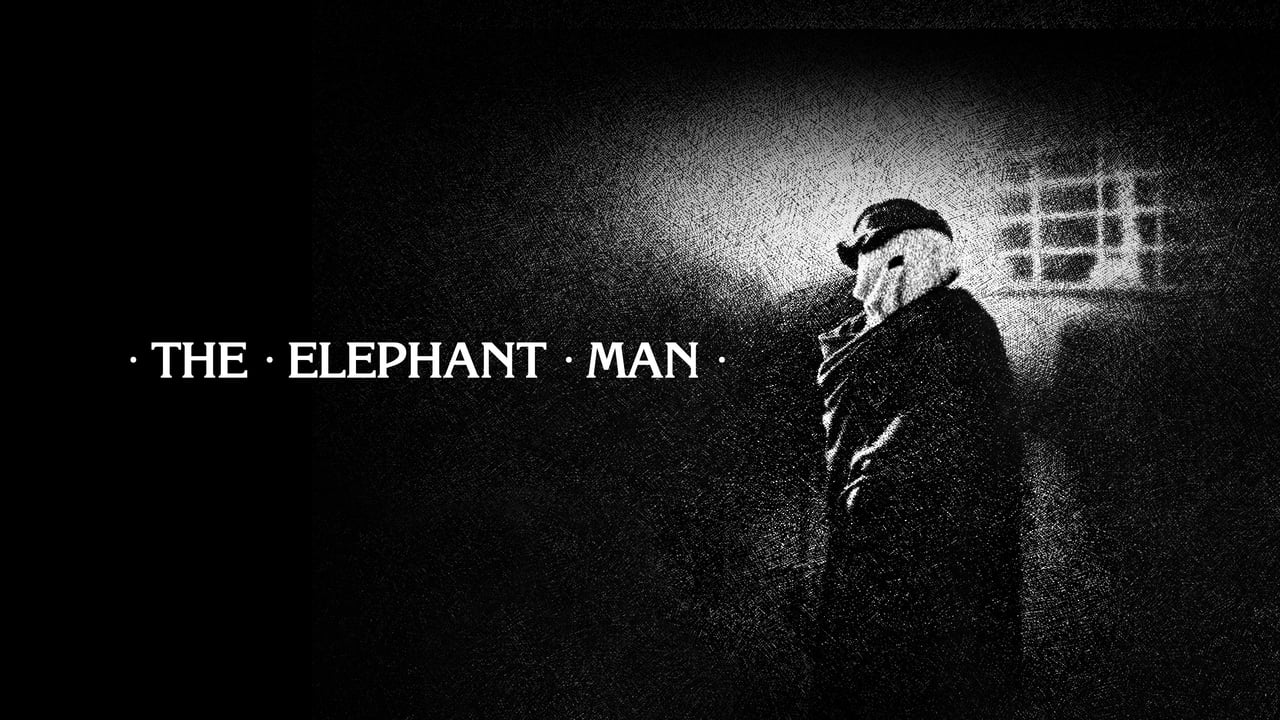
It’s a strange, perhaps even jarring, thought now: the profoundly moving, deeply human story of The Elephant Man was brought to the screen by Brooksfilms, the production company of Mel Brooks. Brooks, wisely sensing that audiences might expect Young Frankenstein levels of parody, kept his own name off the main credits. Yet, this unlikely pairing – the master of cinematic spoof backing the sophomore feature of David Lynch, then known primarily for the surrealist body-horror of Eraserhead (1977) – resulted in one of the most hauntingly beautiful and emotionally devastating films of the 1980s. Seeing it again, perhaps pulling out that well-worn VHS copy with the stark, unforgettable cover art, doesn't diminish its power one bit.
A World of Shadow and Steam
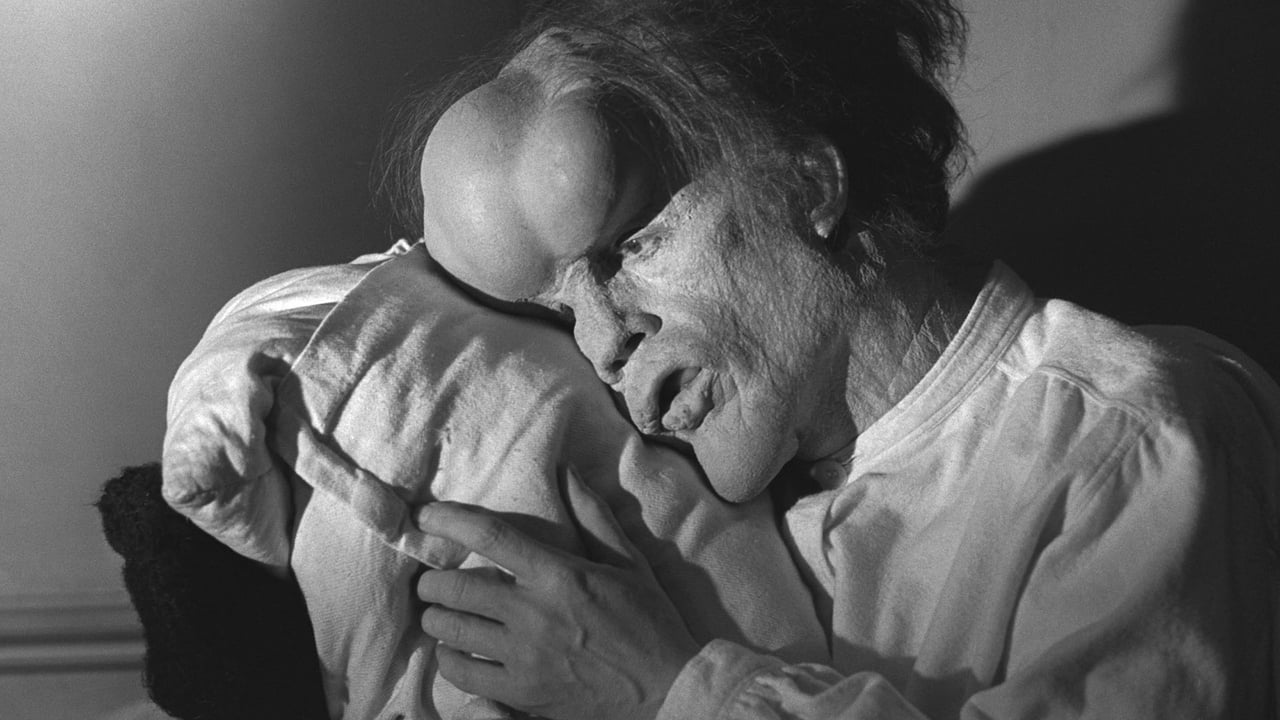
From its opening frames, Lynch plunges us into a specific vision of Victorian London. This isn't the cozy, gaslit world of Sherlock Holmes; it's a monochrome nightmare of industrial grime, clanking machinery, and human misery. Shot in stunning black and white by the veteran cinematographer Freddie Francis (who won an Oscar for 1960's Sons and Lovers and later shot Lynch's Dune and The Straight Story), the film immediately establishes an atmosphere thick with dread and sorrow. Within this world, we find John Merrick (John Hurt), cruelly exhibited in a travelling freak show as "The Elephant Man," his severe deformities making him an object of horror and morbid curiosity. His rescue, or perhaps acquisition, by the ambitious surgeon Frederick Treves (Anthony Hopkins) sets the stage for a story that probes the very nature of humanity.
Beyond the Visage
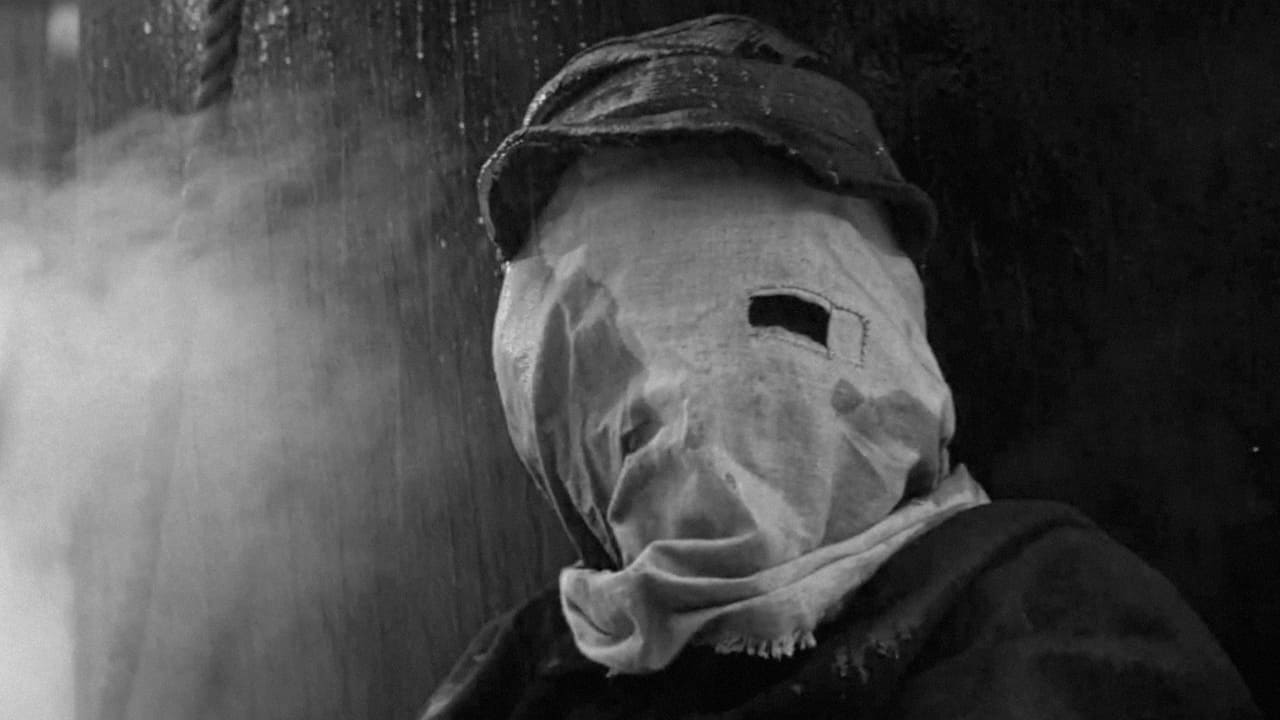
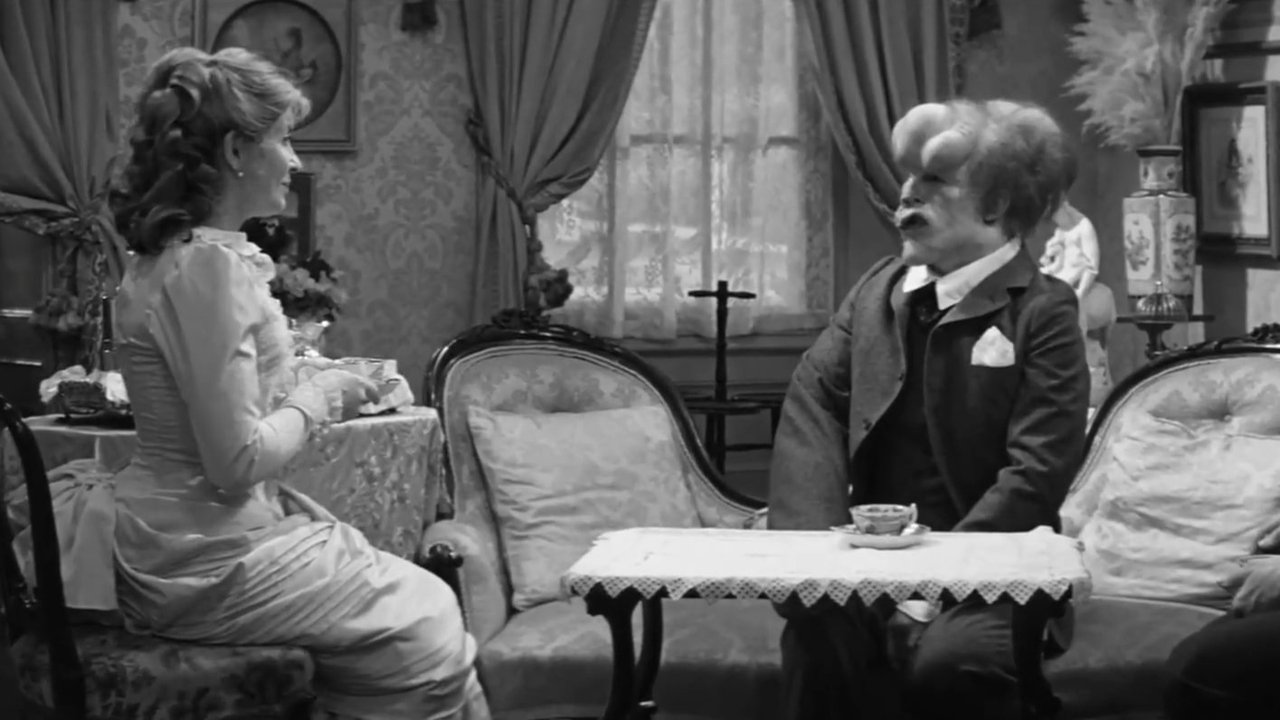
The heart of The Elephant Man beats within the extraordinary performance of John Hurt. Buried beneath Christopher Tucker’s groundbreaking prosthetic makeup – a stunning creation that reportedly took seven to eight hours to apply daily and initially caused Hurt considerable distress – he achieves something miraculous. Tucker's work was so revolutionary, yet unrecognised by the Academy Awards at the time (there was no category for makeup), that it directly led to the creation of the Best Makeup Oscar the following year. Hurt, unable to rely on conventional facial expressions, conveys Merrick’s soul through his eyes, his voice (a soft, hesitant intelligence emerging from the distorted form), and the subtle, heart-wrenching physicality of his movements. We see not a monster, but a gentle, intelligent, and deeply sensitive man yearning for dignity and acceptance. His eventual declaration, "I am not an animal! I am a human being!" lands with the force of a physical blow, a moment seared into cinematic memory.
Mirrors of Compassion and Cruelty
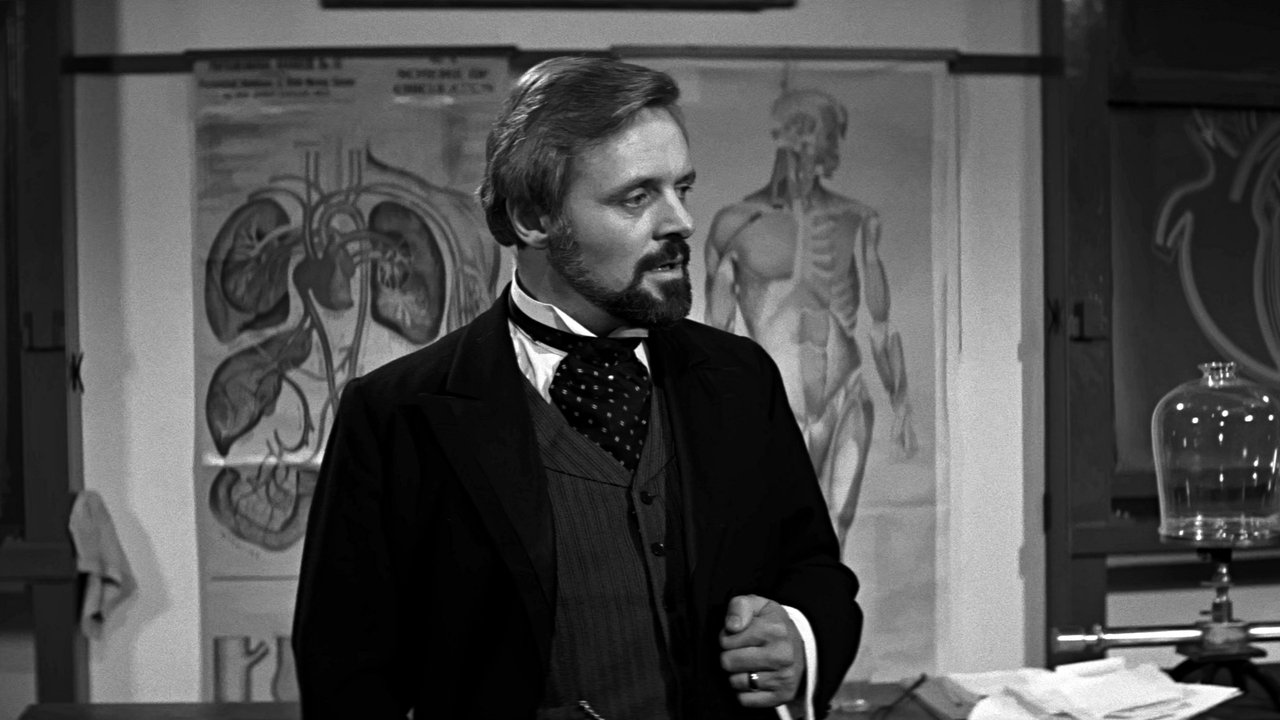
Anthony Hopkins, as Dr. Treves, provides a fascinating counterpoint. He is initially driven by scientific curiosity and professional ambition, presenting Merrick to his colleagues almost as a specimen. Yet, Hopkins masterfully charts Treves’ transformation from detached observer to Merrick’s fierce protector and, eventually, genuine friend. His journey reflects our own potential path – from seeing the 'other' to recognizing the shared humanity beneath. The arrival of the celebrated actress Mrs. Kendal (Anne Bancroft, radiating warmth and effortless grace) marks a turning point. Her ability to see past Merrick's appearance, treating him with genuine kindness and respect, cracks open the door to a semblance of normalcy and acceptance for him, however fragile. Bancroft embodies the film's central plea for empathy. But Lynch doesn't shy away from the darkness. The film starkly contrasts these moments of compassion with the persistent cruelty of society – the gawking crowds, the abusive hospital night porter, the return to the horrors of the freak show. It forces us to ask: who are the real monsters here?
Lynch's Delicate Touch
While lacking the overt surrealism of Eraserhead or Blue Velvet (1986), Lynch’s distinctive directorial hand is evident. The industrial soundscape, the careful compositions that often isolate Merrick or emphasize the oppressive environments, the dreamlike sequences (like the haunting opening suggesting Merrick’s mother’s encounter with elephants), and the pervasive sense of melancholy all bear his signature. He avoids cheap sentimentality, allowing the inherent tragedy of Merrick’s life (based loosely on the real Joseph Merrick) and Hurt’s performance to carry the emotional weight. The black and white photography wasn’t just an aesthetic choice; it feels essential, stripping away distraction and focusing us on the textures, the shadows, and the raw emotion etched on the characters' faces and in their surroundings. The film cost around $5 million to make, a relatively modest sum even then (roughly $17 million today), but its visual richness and emotional depth feel vast, ultimately earning critical acclaim and eight Academy Award nominations, including Best Picture, Best Director, and Best Actor for Hurt.
The Enduring Echo
The Elephant Man remains profoundly affecting decades after its release. It’s a film that stays with you long after the credits roll, prompting reflection on appearance versus reality, the societal tendency to ostracize the different, and the enduring power of simple human kindness. It reminds us that dignity isn't something granted by society, but something inherent within the individual, regardless of their outward form. Watching it on VHS back in the day, perhaps as a teenager first grappling with complex themes in cinema, felt like a rite of passage. It was challenging, upsetting, but ultimately, deeply enriching.
Rating: 10/10
This rating reflects the film's near-perfect execution on almost every level. From John Hurt's legendary performance and Christopher Tucker's landmark makeup, to David Lynch's sensitive direction and Freddie Francis's evocative cinematography, The Elephant Man achieves a rare synthesis of artistry and emotional power. It's a masterclass in empathy, a timeless story told with grace, intelligence, and devastating impact. It doesn't just depict a life; it forces us to examine our own capacity for compassion. What lingers most isn't the tragedy, but the quiet, resilient humanity that shone through it all.