Okay, fellow travelers through time and tape, let's dim the lights and settle in for something a little different today. Not a neon-drenched actioner or a synth-scored slasher this time, but a film born from the fires of history itself, captured with an urgency that still feels electric decades later. I'm talking about Andrzej Wajda's staggering 1981 achievement, Man of Iron (Człowiek z żelaza), a film that arrived on discerning video store shelves like a smuggled dispatch from the front lines of change. Finding this one, perhaps nestled between more typical Hollywood fare, felt like uncovering a secret history lesson wrapped in compelling human drama.
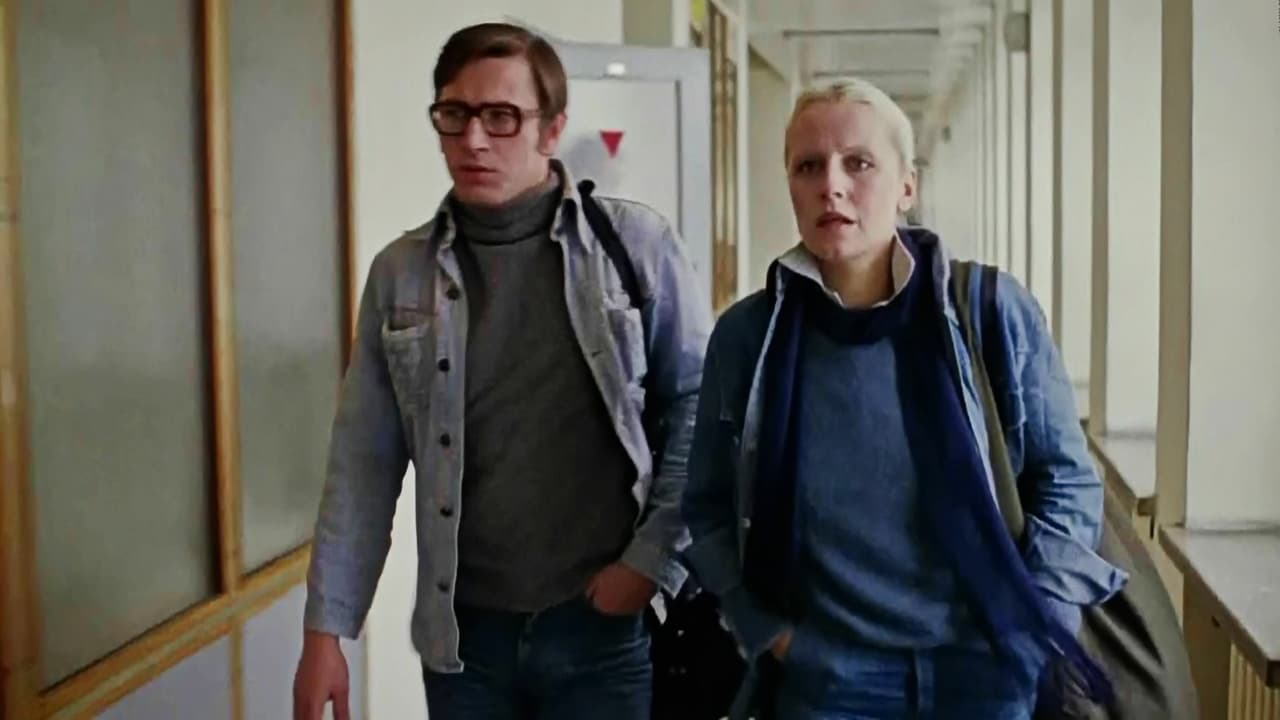
For those who experienced Wajda's earlier masterpiece, Man of Marble (1977), picking up Man of Iron felt less like watching a sequel and more like witnessing the immediate, volatile consequence of the questions posed in the first film. Where Marble used a student filmmaker's investigation to deconstruct the myths of Poland's Stalinist past, Iron throws us directly into the churning heart of the Solidarity (Solidarność) movement in Gdańsk, 1980. It doesn't just depict history; it feels like it breathes it.
Truth Captured on the Fly
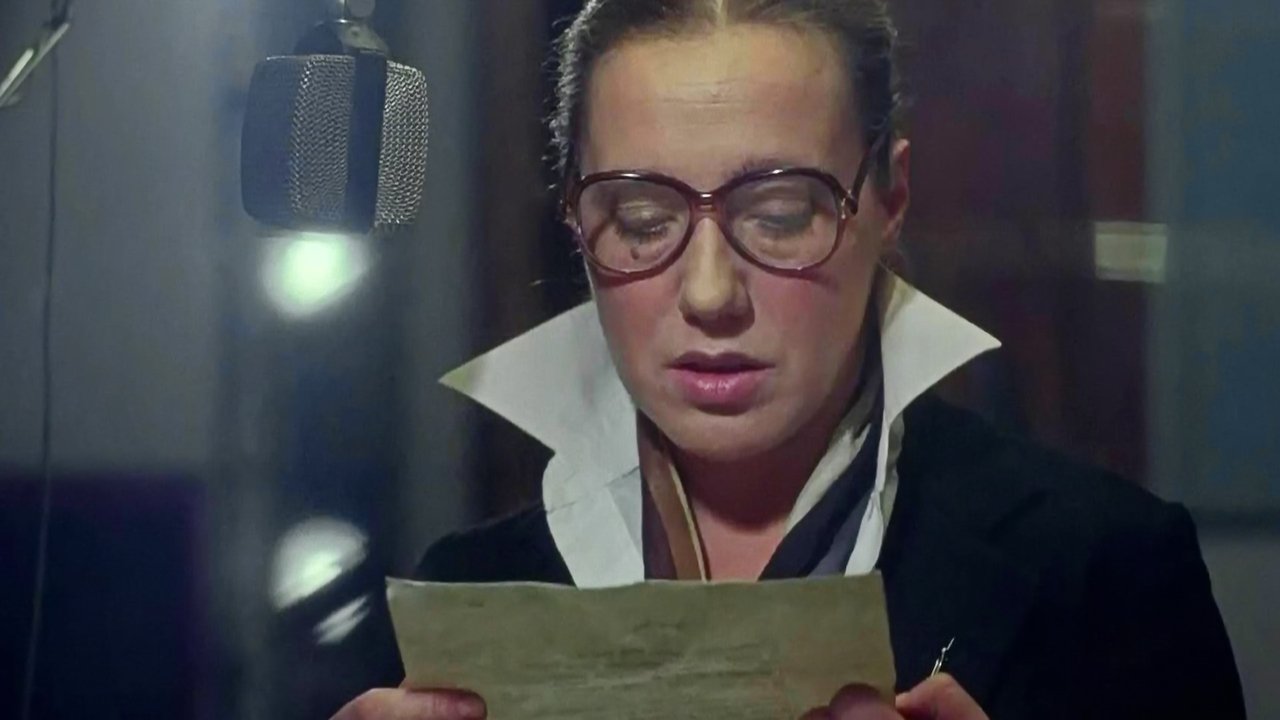
The film follows Winkel (Marian Opania), a washed-up, cynical radio journalist dispatched by the authorities to dig up dirt on Maciek Tomczyk (Jerzy Radziwiłowicz, reprising his role as the son of Man of Marble's protagonist). Tomczyk is now a key figure in the shipyard strikes, a symbol of the burgeoning worker's movement. Winkel’s journey forces him to confront his own compromised past and the raw idealism driving the strikers, including Tomczyk's fiercely committed wife, Agnieszka (Krystyna Janda, also returning from Man of Marble).
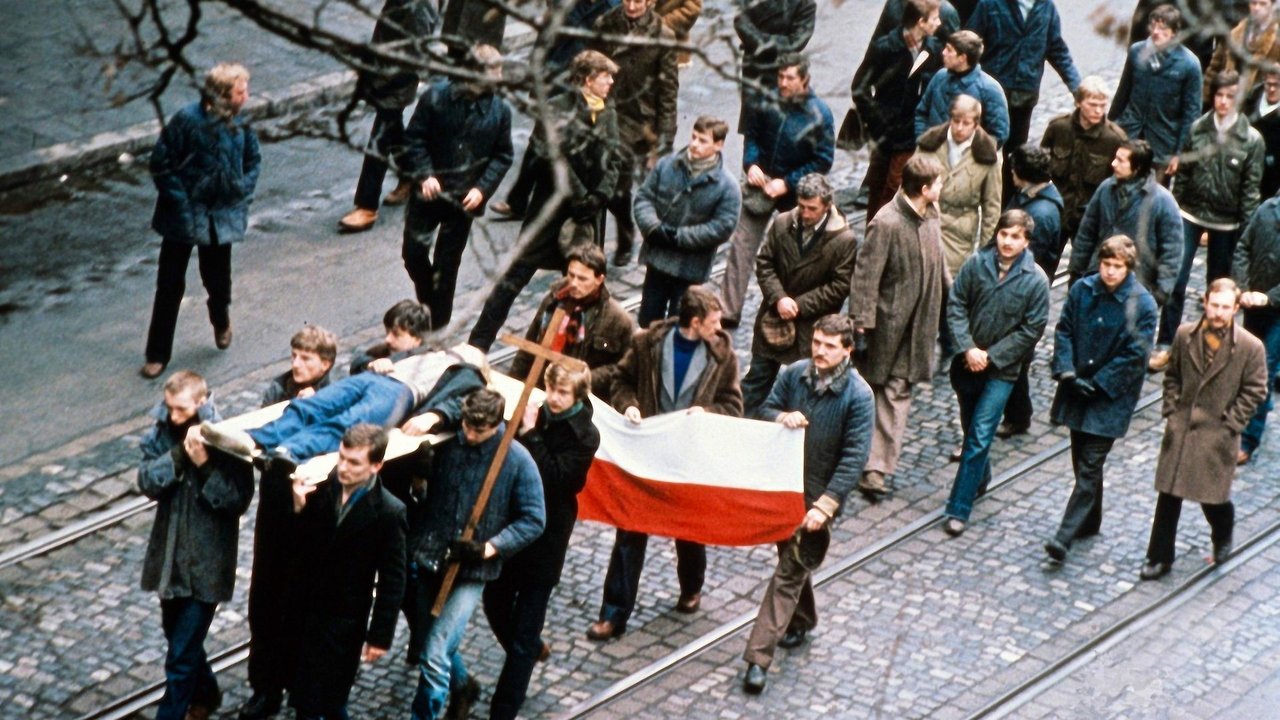
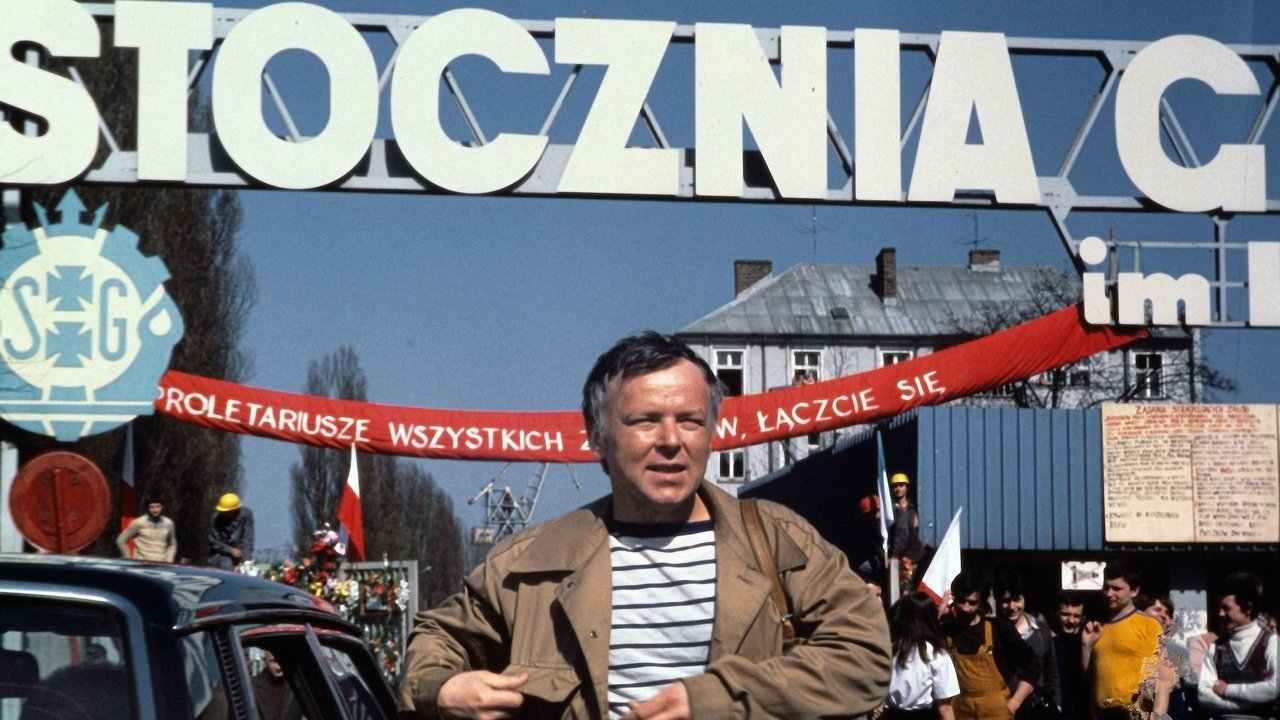
What makes Man of Iron so potent, especially looking back from our vantage point, is its astonishing immediacy. Wajda and screenwriter Aleksander Ścibor-Rylski crafted this story during the actual Gdańsk shipyard strikes. Think about that for a second. They weren't just recreating events; they were weaving their fictional narrative through genuine historical moments as they unfolded. The film seamlessly blends dramatic scenes with actual newsreel footage and documentary-style sequences shot within the striking Lenin Shipyard. You see the faces of real strikers, feel the energy of the crowds, and even catch a glimpse of a then-relatively unknown Lech Wałęsa playing himself. This wasn't just filmmaking; it was cinematic testimony, captured under immense pressure and uncertainty.
A Journalist's Crisis, A Nation's Awakening
Marian Opania's portrayal of Winkel is the film’s conflicted soul. He’s not a straightforward villain, but a man worn down by the compromises required to survive under an oppressive regime. His gradual awakening, spurred by Agnieszka’s unwavering integrity and the sheer conviction of the strikers, forms the emotional core. We see the gears turning – the calculation, the fear, the dawning realization that he's on the wrong side of history. It’s a performance steeped in weary authenticity.
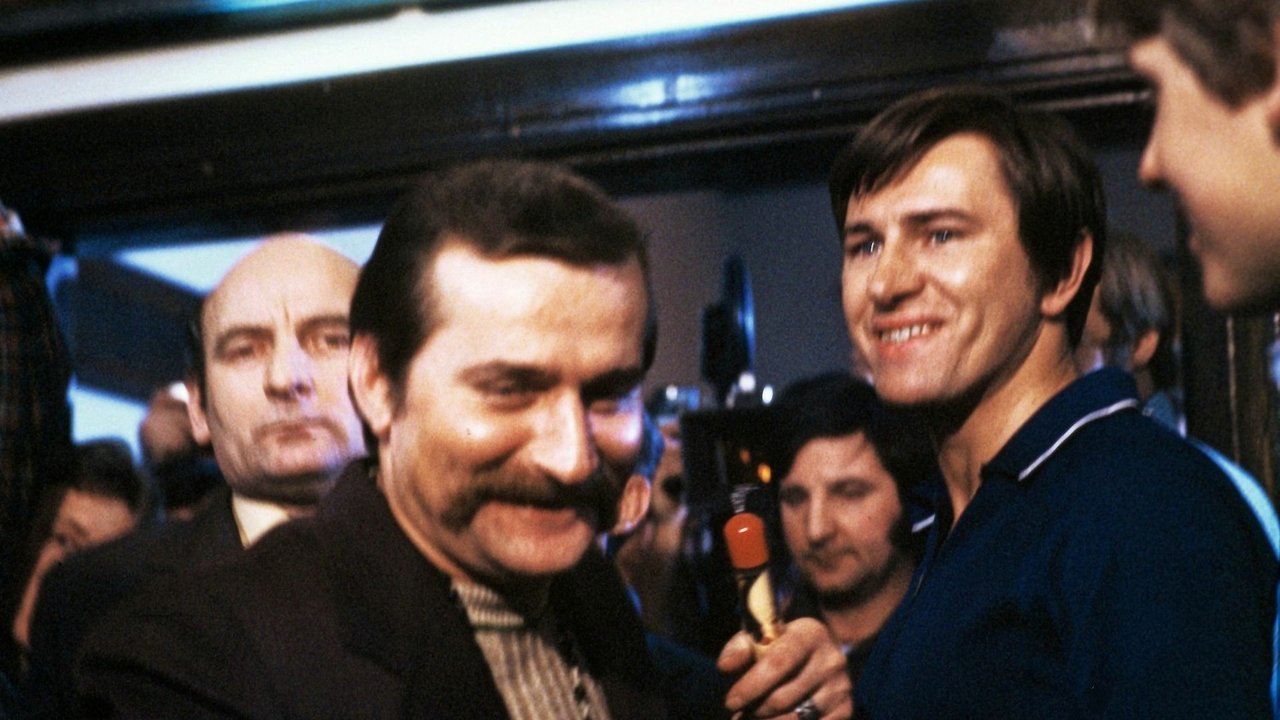
Opposite him, Jerzy Radziwiłowicz embodies the titular "Man of Iron" – not through brute force, but through unyielding principle. His Tomczyk carries the weight of his father's disillusionment (explored in Man of Marble) but channels it into determined action. And Krystyna Janda as Agnieszka? She’s pure fire, her passionate belief radiating off the screen. Her journey connects the two films, providing continuity and underscoring the generational shift from questioning the past to actively shaping the future.
Beyond the Headlines: Raw Craft
The film’s aesthetic mirrors its subject matter. It's often raw, gritty, favouring realism over polish. The camera work plunges you into the midst of the action, capturing the claustrophobia of tense negotiations and the vastness of the assembled workers. The integration of archival footage is masterful, never feeling jarring but adding layers of unimpeachable truth to the fictional narrative. You feel the cold Baltic air, the metallic tang of the shipyards, the palpable hope and tension.
It’s a fascinating piece of trivia that Wajda was essentially urged by the striking workers themselves to make this film, to document their struggle. He secured permission to film inside the occupied shipyard, a truly remarkable feat given the political climate. The production was a race against time, completed rapidly to ensure its relevance. This urgency bleeds into the final product, giving it an energy that transcends typical filmmaking constraints. Its impact was immediate and undeniable: Man of Iron went on to win the Palme d'Or at the 1981 Cannes Film Festival, a stunning victory that brought international attention to the Solidarity movement just months before martial law was declared in Poland, leading to the film being banned in its home country.
The Enduring Echo
Watching Man of Iron today, especially if you first encountered it on a grainy VHS tape decades ago, is a powerful experience. It’s a reminder of a specific, pivotal moment in 20th-century history, but its themes – the courage required to stand against oppression, the power of collective action, the moral compromises individuals face under authoritarianism, the crucial role of a free press (and the dangers of a controlled one) – remain profoundly relevant. It asks us: What does it take to stand firm for one's beliefs? How does history weigh on the present?
This isn't light viewing, certainly not the usual escapism we might associate with a Friday night rental back in the day. But finding it then, perhaps prompted by a curious cover or a recommendation from a discerning video store clerk, was to discover the potent capabilities of cinema beyond entertainment. It was proof that film could be immediate, dangerous, and world-changing.
Rating: 9/10
Man of Iron earns this high score not just for its historical importance, but for its brave filmmaking, compelling performances, and the sheer audacity of its creation. It masterfully blends fiction and reality to capture a nation at a crossroads. While its specific political context is rooted in 1980 Poland, the human struggles and ethical questions it raises are timeless. It might lack the slickness of Western productions from the era, but its raw power and authenticity are undeniable.
Final Thought: A film forged in the crucible of history, Man of Iron remains a vital, electrifying testament to the power of conviction and the camera's unique ability to bear witness, even as the world holds its breath.