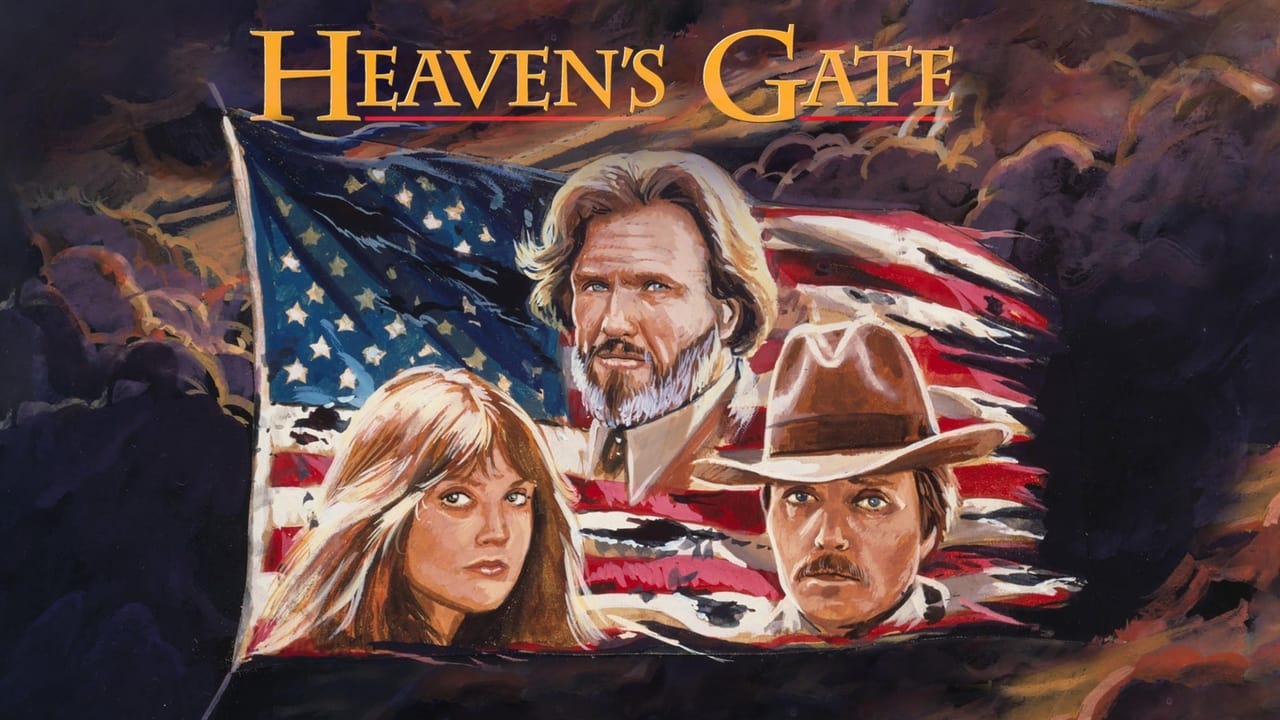
It sits on the shelf of cinematic history less like a movie and more like a monument – or perhaps a cautionary monolith. Heaven's Gate (1980) wasn't just a film; it was an event, a watershed moment whispered about in hushed tones even years later as we browsed the aisles of the local video store. Seeing that hefty, often double-cassette box felt different. It wasn't the brightly coloured allure of a blockbuster; it carried the weight of its own mythos, the legend of a visionary director's ambition colliding spectacularly with the realities of studio filmmaking. To finally slide that tape into the VCR, especially one of the longer cuts that eventually surfaced, felt like undertaking an expedition.
An Epic Canvas, A Troubled Dawn
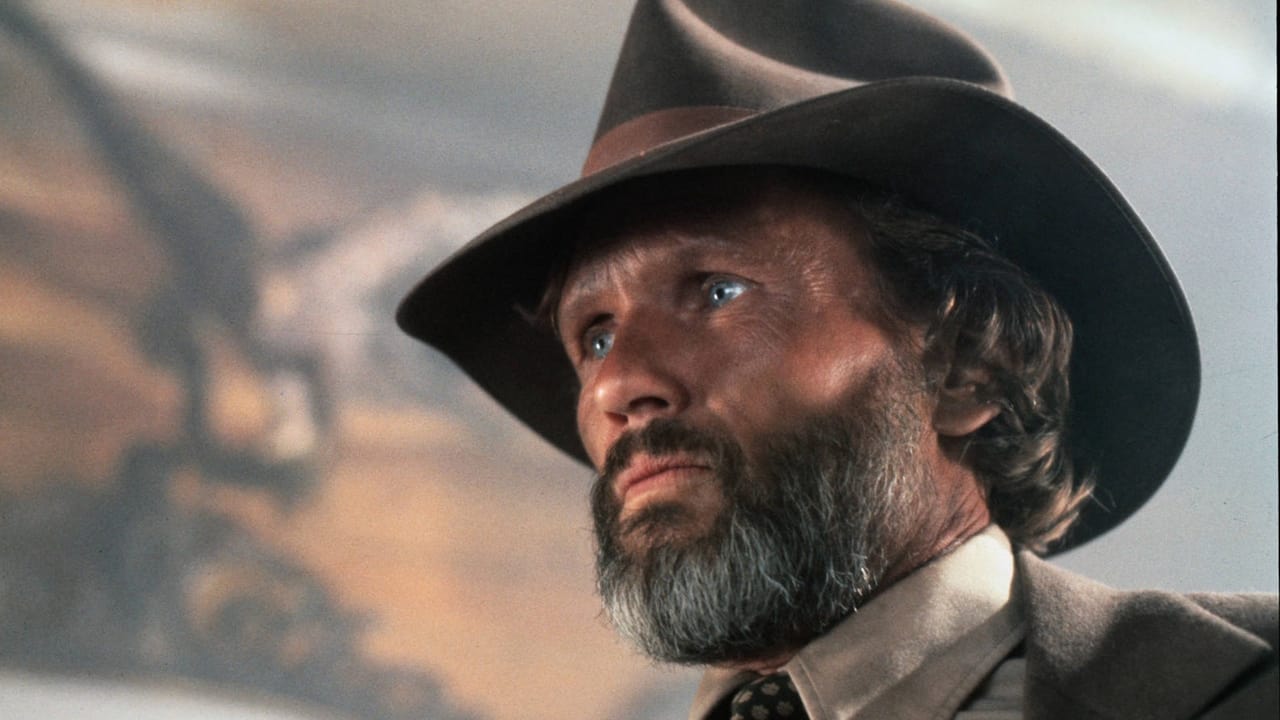
Directed by Michael Cimino hot off the dizzying success of The Deer Hunter (1978), Heaven's Gate aimed for nothing less than the definitive cinematic statement on the American West's brutal expansion and the crushing of immigrant dreams. Set against the backdrop of the historical Johnson County War in 1890s Wyoming, it depicts the violent conflict between wealthy cattle barons and European settlers. Federal Marshal James Averell (Kris Kristofferson) finds himself caught between his establishment ties and his sympathies for the immigrants, including Ella Watson (Isabelle Huppert), the strong-willed madam loved by both Averell and the hired enforcer Nathan Champion (Christopher Walken).
The sheer look of the film is undeniable. Cimino and cinematographer Vilmos Zsigmond (Close Encounters of the Third Kind (1977)) crafted a vision of the West steeped in dust, smoke, and a kind of melancholic grandeur. Every frame feels meticulously composed, almost like a painting brought to life. The bustling immigrant communities, the vast landscapes, the elaborate set pieces (like the Harvard graduation prologue or the roller-skating sequence) possess a staggering level of detail. This pursuit of authenticity became legendary, and ultimately, notorious. Tales from the set painted a picture of obsessive perfectionism: Cimino reportedly waiting hours for the right cloud, demanding countless takes, and commissioning staggeringly complex set constructions. One persistent story involves the construction, dismantling, and reconstruction of an entire street set because it wasn't quite right. This dedication is visible on screen, creating an immersive, tangible world, but it came at a staggering cost.
Whispers of Production Chaos
You simply can't discuss Heaven's Gate without acknowledging the behind-the-scenes turmoil that overshadowed the film itself. What started with a generous budget ballooned astronomically, eventually reaching a reported $44 million – an almost unimaginable sum back then (easily over $170 million in today's money). The production delays were equally epic. These weren't just rumours; they were front-page news, painting Cimino as a director out of control. The film became a symbol of directorial excess, the kind of blank-check filmmaking power granted after The Deer Hunter's Oscar wins, pushed to its absolute limit. The initial disastrous premiere of a near five-and-a-half-hour cut, savaged by critics, led to United Artists pulling it and demanding drastic cuts. The subsequent theatrical release, hacked down to under two and a half hours, was incoherent and bombed spectacularly, effectively bankrupting the venerable studio and sending shockwaves through Hollywood. It marked, for many, the definitive end of the auteur-driven "New Hollywood" era of the 70s.
Performances Amidst the Spectacle
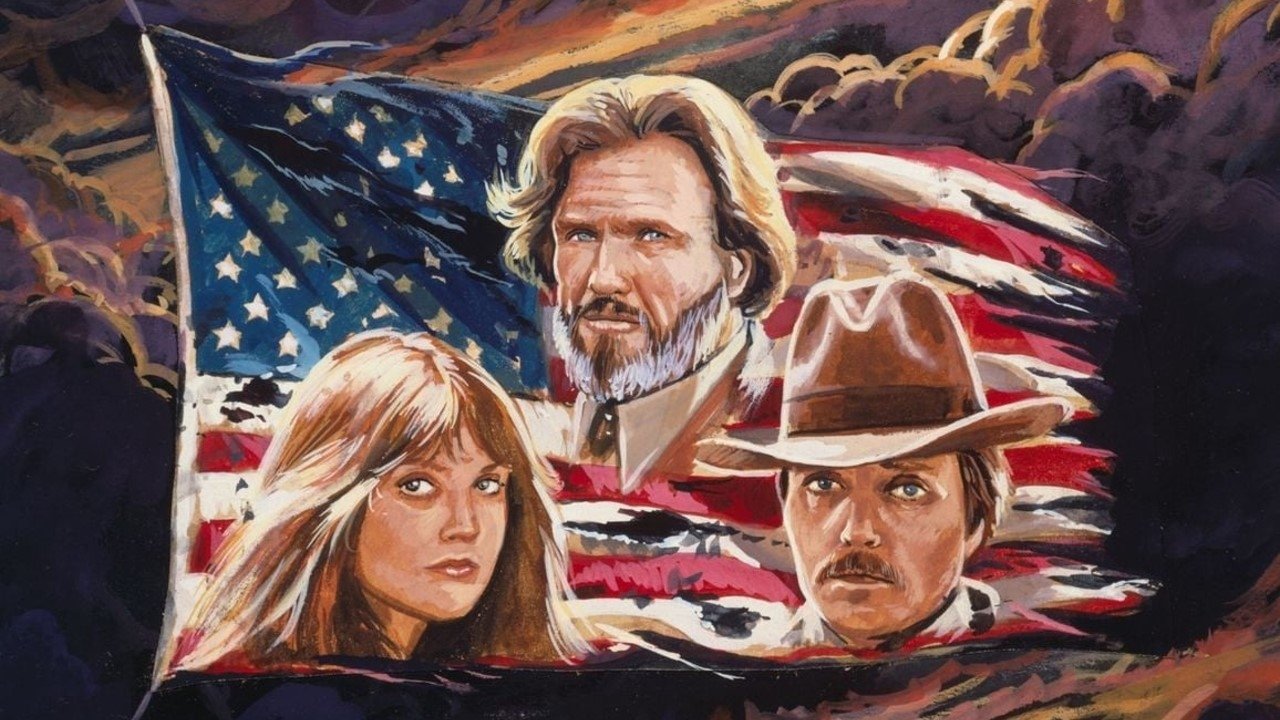
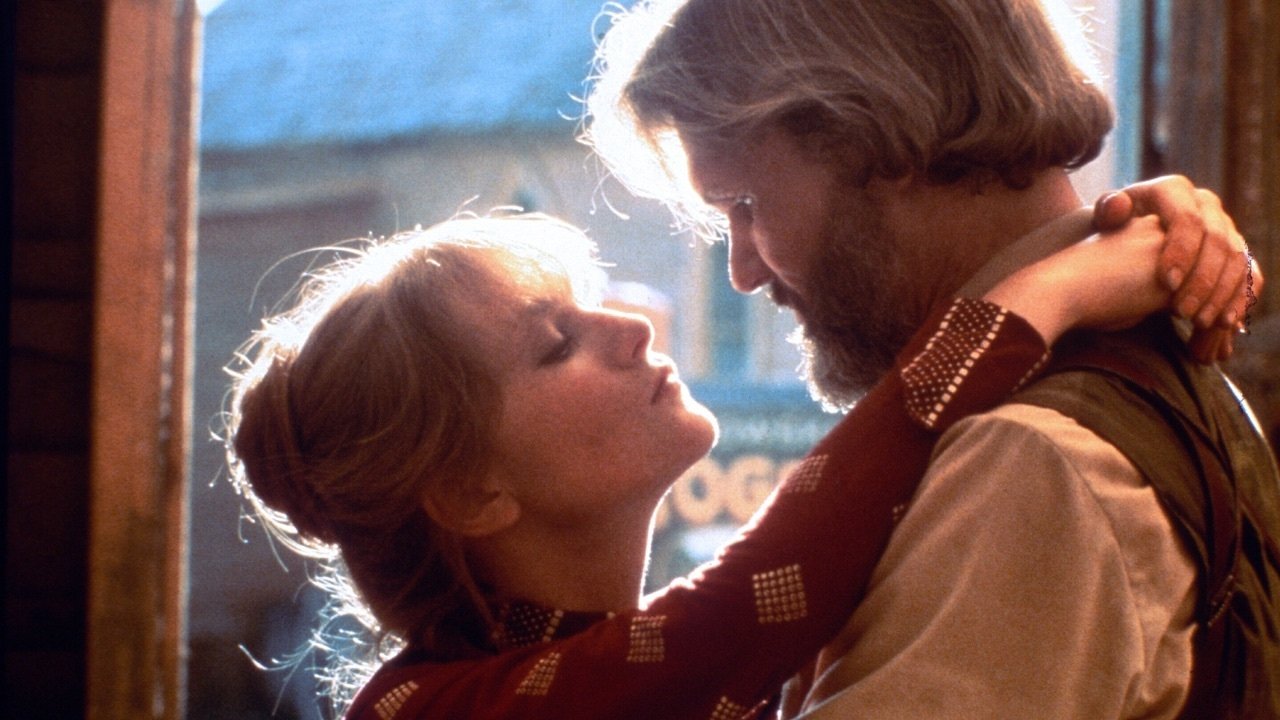
Lost sometimes in the noise surrounding the production are the performances. Kris Kristofferson, bringing his characteristic quiet intensity, embodies Averell's weary integrity. He's a man witnessing the ideals he once believed in crumble into violence and greed. Christopher Walken, ever magnetic, delivers a performance of chilling stillness as Nate Champion, a man doing a dirty job with a conflicted sense of honour. His scenes with Isabelle Huppert, who is luminous and fiercely independent as Ella, provide some of the film's most potent emotional beats. And John Hurt, as the articulate but alcoholic intellectual Billy Irvine, offers moments of sharp commentary amidst the sprawling narrative. These actors ground the epic scope in human moments, even if the film's sheer scale and sometimes languid pacing threaten to dwarf them. Does Averell’s passivity sometimes frustrate? Perhaps, but doesn't it reflect the helplessness many feel when faced with overwhelming, systemic injustice?
The Long View from the Tape Deck
Watching Heaven's Gate today, especially in one of its restored longer versions (like the 219-minute Director's Cut), is a different experience than encountering the truncated theatrical release or just hearing the infamous tales. It’s undeniably flawed – the pacing can be indulgent, the narrative sometimes meanders, and certain scenes feel drawn out purely for visual splendor. Yet, there's a haunting beauty and a profound sadness that permeates the film. It’s a sprawling, ambitious, and deeply serious examination of class warfare, xenophobia, and the dark side of American expansionism. Cimino’s reach may have exceeded his grasp in terms of commercial viability and narrative discipline, but the sheer artistry and the gravity of his themes are undeniable.
It wasn't the kind of tape you'd pop in for a casual Friday night viewing back in the day. It demanded attention, patience, and maybe even a bit of historical context. It was the film the industry tried to bury, but like the ghosts of Johnson County, it refused to stay entirely forgotten, slowly finding reappraisal as a magnificent, troubled masterpiece.

Rating: 7/10
Justification: This score reflects the film's undeniable, breathtaking visual artistry, its ambitious thematic scope, and strong central performances. However, it's tempered by the infamous production history which undeniably impacted the final product, the sometimes self-indulgent pacing, and narrative choices that can obscure rather than clarify. It's a monumental piece of filmmaking, essential for understanding a key moment in Hollywood history, but its flaws prevent it from reaching the heights it clearly aspired to.
Final Thought: Heaven's Gate remains a fascinating paradox: a colossal failure that bankrupted a studio, yet possesses moments of staggering cinematic beauty and raises profound questions about the American dream that linger long after the dust settles. It’s a film you don’t just watch; you reckon with it.