It wasn't the gunfights that lingered after the static faded from the screen and the VCR whirred to a stop. It was the rain. The endless, muddying rain soaking the fictional town of Big Whiskey, Wyoming, mirroring the moral quagmire its characters found themselves trapped within. Clint Eastwood’s Unforgiven (1992) arrived like a thunderclap in the landscape of Westerns, a genre many considered long past its prime. This wasn't the mythologized frontier of Eastwood's own Spaghetti Western youth; this was something far bleaker, more complex, and ultimately, unforgettable.
Beyond the Legend
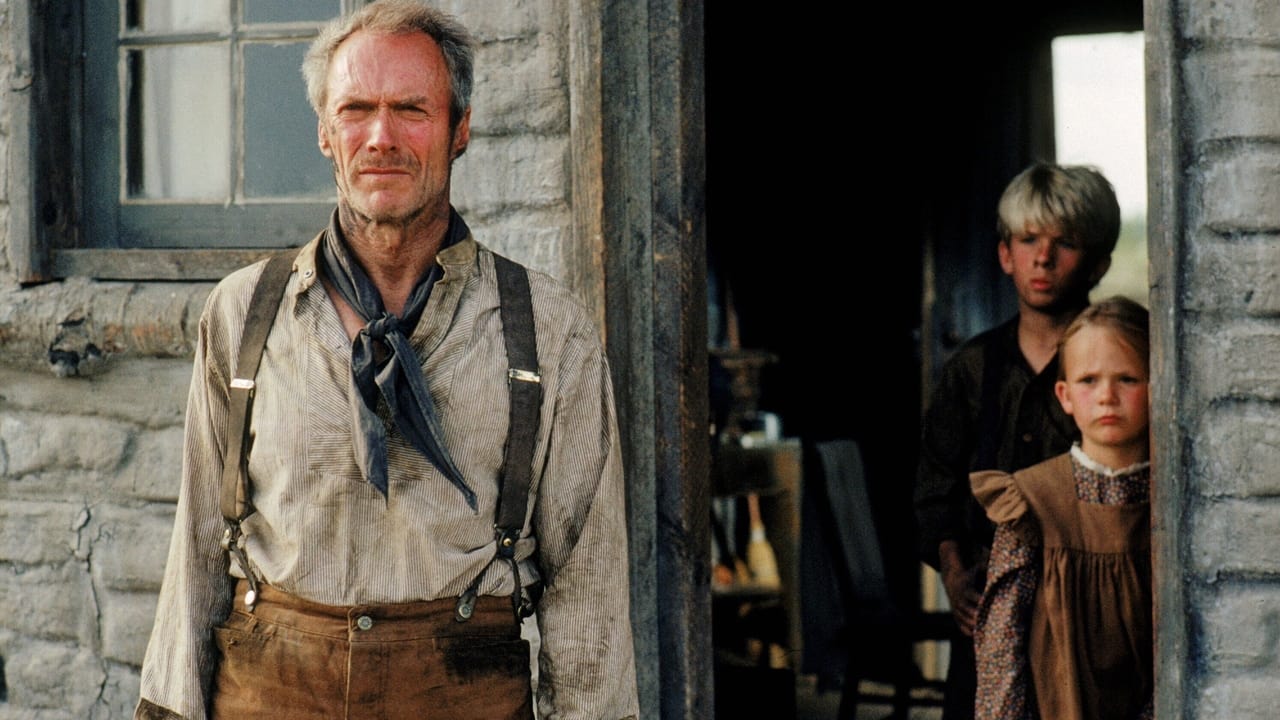
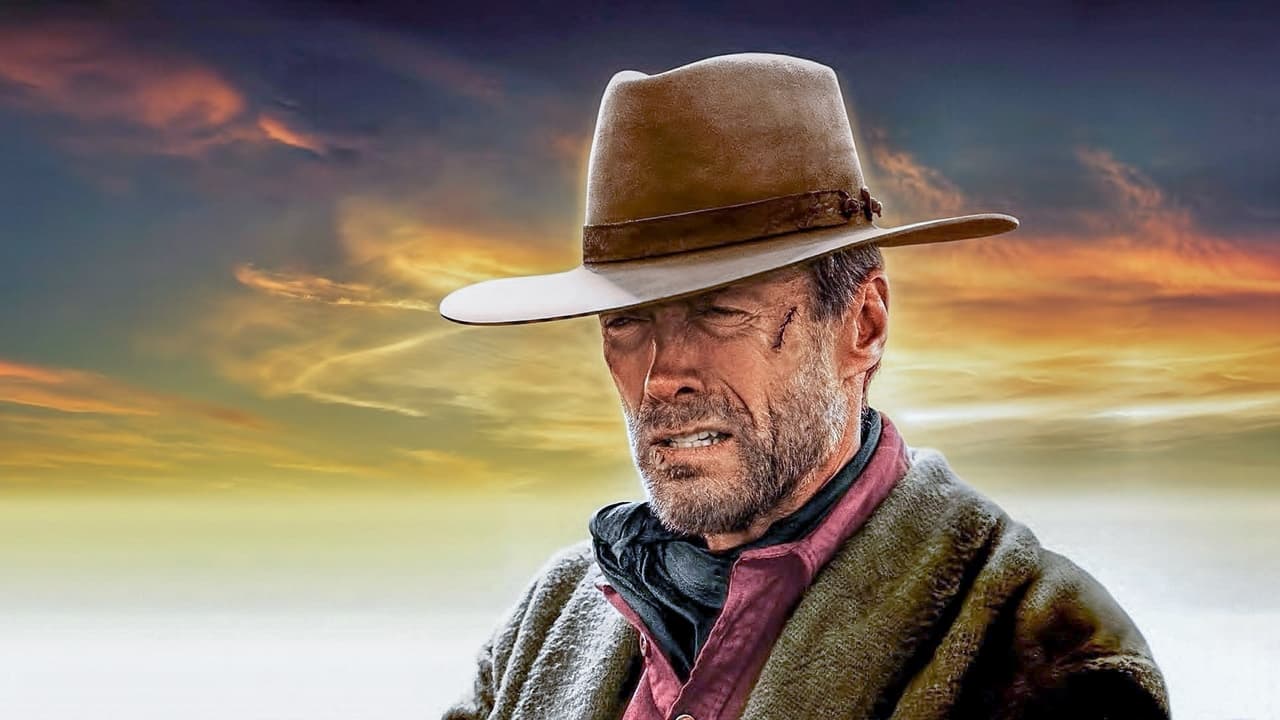
What strikes you immediately, especially revisiting it decades later, is how deliberately Clint Eastwood, both as director and star, dismantles the very archetypes he helped forge. William Munny is no Man With No Name. He’s a former killer, renowned for his wickedness, now struggling to raise two children on a failing pig farm. He’s older, slower, haunted by his past sins, and initially, utterly inept when he tries to saddle his horse, let alone wield a gun again. There’s a weariness etched onto Eastwood’s face, a physical embodiment of regret that makes Munny instantly compelling and painfully human. He takes up the bounty offered by wronged prostitutes not out of a thirst for justice or adventure, but out of desperation for his children’s future. Does that motivation somehow purify the violent path he retreads? The film leaves that question hanging heavy in the damp air.
The script, penned by David Webb Peoples (who also gave us the gritty future-noir of Blade Runner), reportedly circulated for years under titles like "The Cut-Whore Killings" before Eastwood felt he was the right age, the right weight, to embody Munny. That patience paid off dividends. Peoples' writing dissects the romantic notions of the gunslinger, exposing the brutal, clumsy, and often pathetic reality beneath the legend. This is most vividly contrasted through the character of English Bob (Richard Harris), a dandyish gunman whose reputation, carefully cultivated by his fawning biographer W.W. Beauchamp (Saul Rubinek), crumbles under the brutal authority of Sheriff Little Bill Daggett.
The Weight of Violence
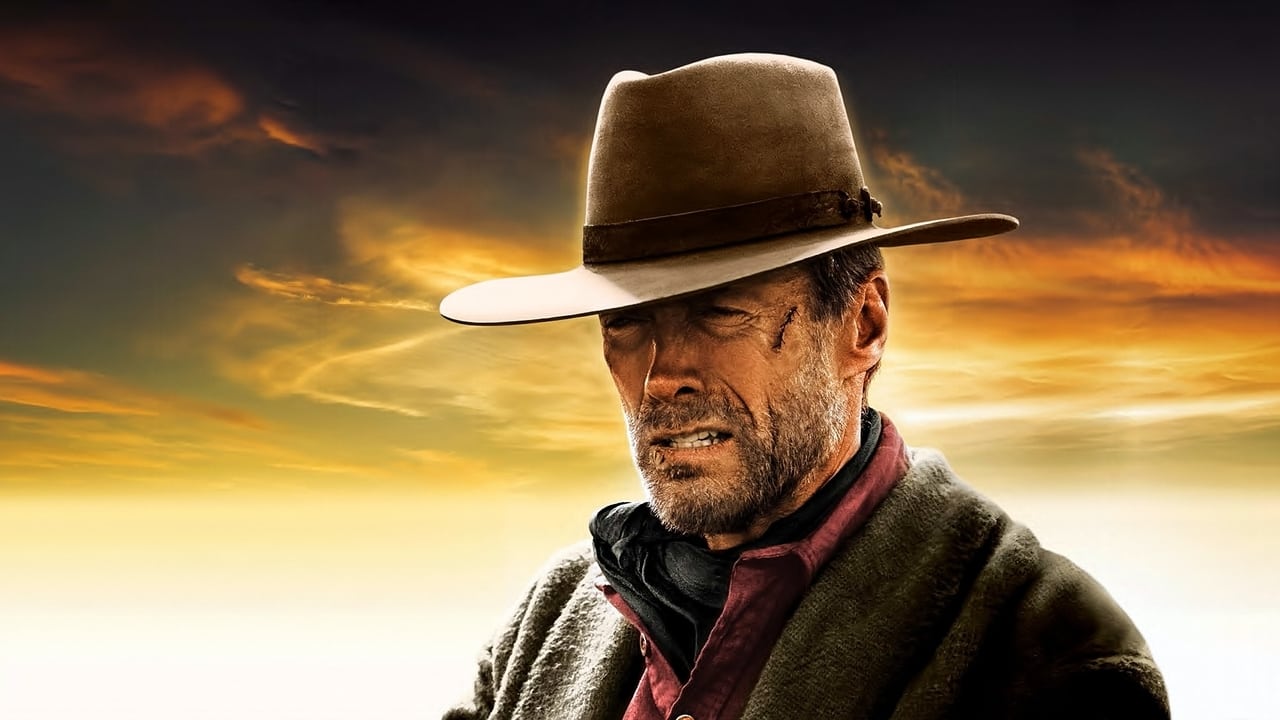
And what a performance Gene Hackman delivers as Little Bill. It’s a masterclass in simmering menace disguised beneath a veneer of folksy charm and pragmatic law enforcement. Little Bill isn't just a sadist; he’s building a house, meticulously ensuring the joins are right, while simultaneously dispensing savage beatings and upholding his own tyrannical version of order. He embodies the hypocrisy and casual cruelty that can fester under the guise of civilization. Hackman’s portrayal, which rightly earned him an Academy Award for Best Supporting Actor, is chilling precisely because Little Bill seems so convinced of his own righteousness. Interestingly, Hackman initially turned down the role, troubled by the script's violence, but Eastwood convinced him of the film's anti-violent message. It’s a testament to both actors that this complex dynamic resonates so powerfully.
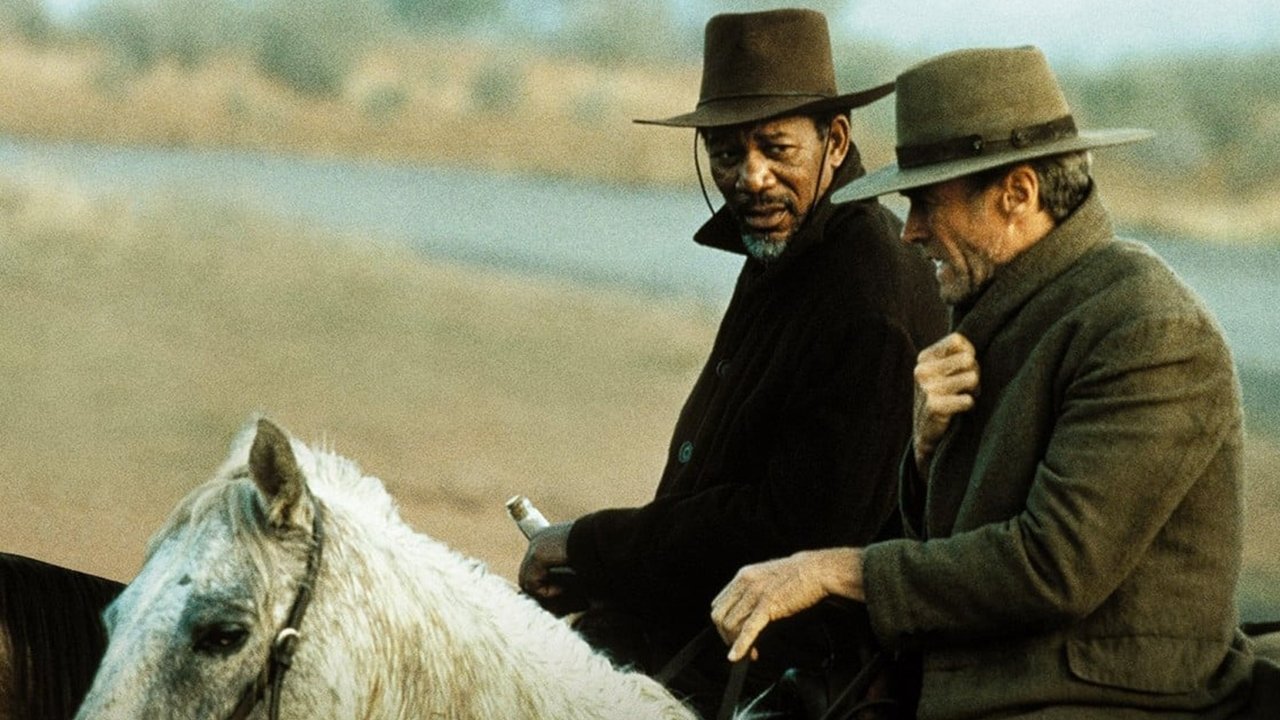
Alongside Munny is his former partner, Ned Logan, played with soulful gravity by Morgan Freeman. Ned represents the conscience Munny tries to suppress. He joins the hunt, perhaps seeking one last taste of the life they left behind, but the reality of killing – messy, horrifying, and deeply personal – proves too much. Freeman's quiet horror is palpable, grounding the film's exploration of consequence. These aren't heroes riding into the sunset; they're flawed men grappling with the ghosts of their actions and the grim necessity they've embraced.
Mud, Rain, and Truth
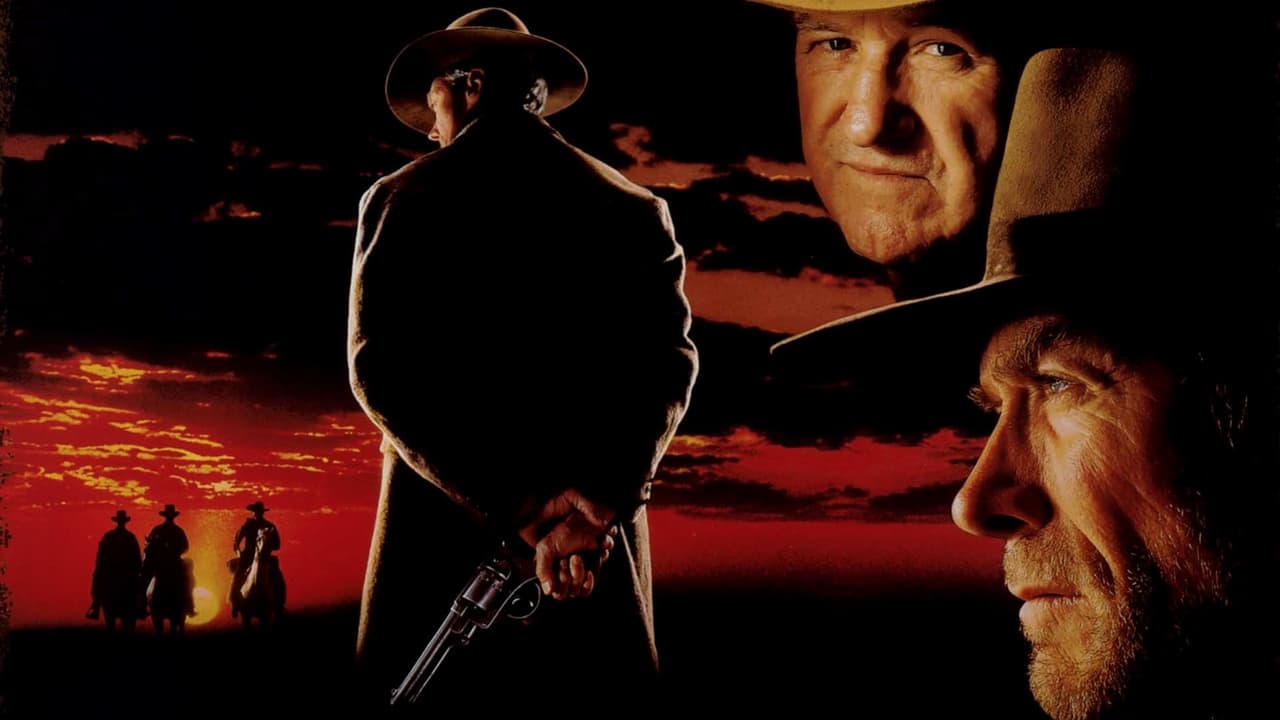
Eastwood directs with a stark, measured confidence. The pacing is deliberate, allowing the atmosphere to seep in. Cinematographer Jack N. Green captures the harsh beauty and oppressive gloom of the Alberta landscape (standing in for Wyoming) perfectly. The colour palette is muted, dominated by browns, greys, and the ever-present mud. There’s little glamour here. Even the violence, when it erupts, is shocking in its lack of stylization. Gunshots are loud and impactful, wounds are grievous, and death is ugly. It strips away the cinematic thrill often associated with the genre, forcing a confrontation with the grim reality. Remember those meticulously choreographed shootouts in other Westerns? Unforgiven offers something far more visceral and disturbing.
The film was a gamble – a dark, revisionist Western in an era leaning towards blockbusters. Made for roughly $14.4 million (around $31 million today), it became a critical and commercial triumph, grossing over $159 million worldwide (a staggering $345 million+ adjusted for inflation) and winning four Academy Awards, including Best Picture and Best Director for Eastwood. It was a rare instance of the Academy recognizing a Western at that level, a sign of the film's undeniable power and artistry. Eastwood dedicated the film "For Sergio and Don," acknowledging his mentors Sergio Leone and Don Siegel, directors who shaped his earlier screen persona – a persona Unforgiven so masterfully deconstructs.
Lingering Questions
Rewatching Unforgiven on that well-worn VHS tape always felt significant, even back then. It lacked the easy comforts of many 90s films, demanding more from its audience. It poses difficult questions: What truly separates a killer from a lawman? How much does reputation shape reality? Can redemption ever truly be earned, or is the past an inescapable weight? The film offers no easy answers, least of all in its explosive, terrifying climax where Munny finally unleashes the cold-blooded killer he tried to bury. Is it a moment of justice, or simply the inevitable eruption of a violent nature?
Unforgiven isn't just a great Western; it's a profound meditation on violence, aging, and the corrosive nature of myth. It stands as a towering achievement in Eastwood's career and a high-water mark for the genre itself.
Rating: 9.5/10
This rating reflects a near-perfect execution of vision. Masterful performances, particularly from Eastwood and Hackman, a powerful script that subverts genre expectations, atmospheric direction, and thematic depth that resonates long after viewing combine to create a true classic. It only narrowly misses a perfect score perhaps because its bleakness, while essential to its power, can make it a demanding watch.
It’s a film that doesn't just entertain; it challenges, provokes, and stays with you, much like the relentless rain soaking the unforgiving landscape of the cinematic West it so brilliantly reimagined. It truly earned its place on the top shelf of the video store, and in film history.