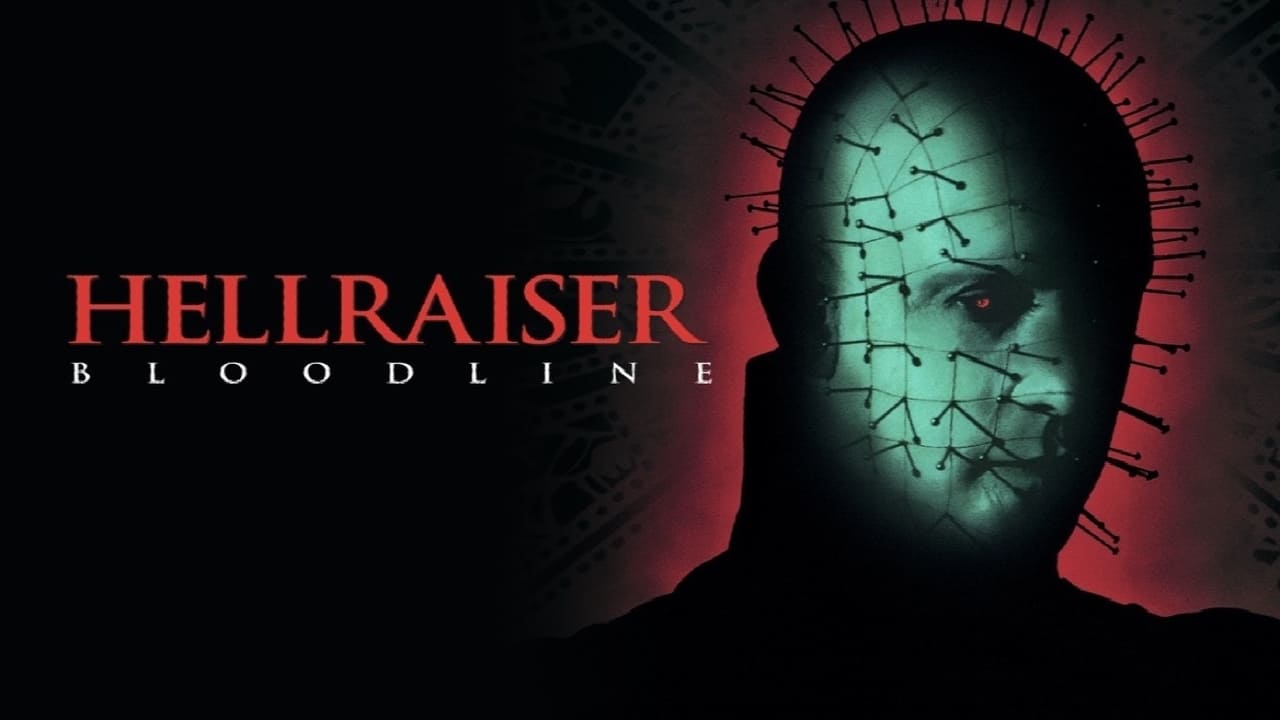
The name "Alan Smithee" often appears like a phantom signature on films gone sideways, a ghost in the machine signifying creative battles lost and visions compromised. Seeing it attached to Hellraiser: Bloodline (1996) feels less like a trivia point and more like a scar tissue map, hinting at the turbulent journey this fourth entry in the Cenobite saga endured. What reached our VCRs was a film fractured across time, grasping for an epic scope that its troubled production couldn't quite sustain, yet still whispering promises of the dark poetry inherent in Clive Barker's original vision.
A Box Across Centuries
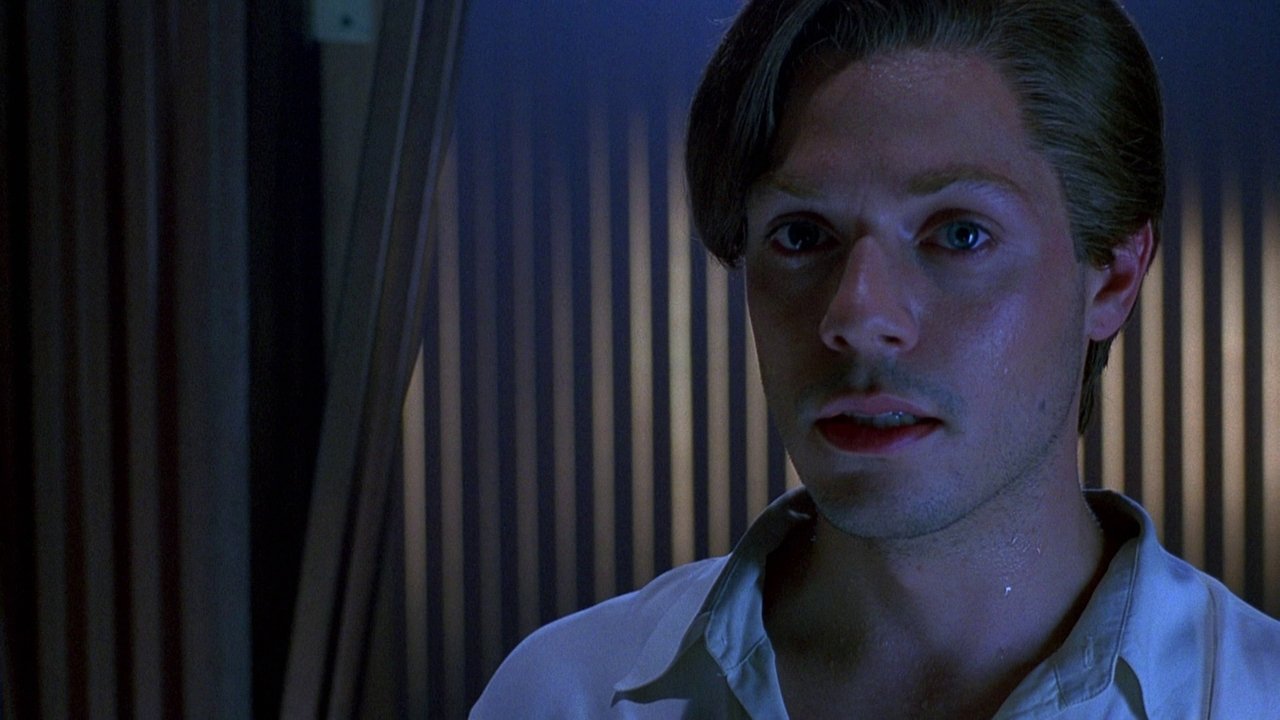
Bloodline dares to be ambitious, perhaps fatally so. It abandons the relatively contained horrors of the previous installments to tell a sprawling story spanning three distinct eras: 18th Century France, the then-present day of 1996, and a far-flung future aboard a space station in 2127. Our anchor through this temporal labyrinth is the bloodline of Phillip LeMarchand (Bruce Ramsay), the unfortunate toymaker who crafted the original Lament Configuration puzzle box. Ramsay pulls triple duty, portraying the original creator, his 20th-century architect descendant John Merchant, and the futuristic Dr. Paul Merchant, each man haunted by the infernal legacy of that cursed commission. The concept itself is fascinating – tracing the box's history and the generational curse it carries, culminating in a final confrontation designed to close the gates of Hell forever. There's a grandeur to the idea, a sense of attempting to provide both an origin and an ending.
Echoes of a Different Film
But ambition met the harsh reality of studio interference. Director Kevin Yagher, a renowned special effects and makeup artist (bold work on Child's Play and A Nightmare on Elm Street sequels), envisioned a more cohesive narrative, likely focusing more heavily on the LeMarchand origin and perhaps a more coherent present-day story. Studio demands for more Pinhead, more gore, and a faster pace reportedly led to significant reshoots (handled by Joe Chappelle, uncredited) and a re-editing process that left Yagher requesting the infamous Alan Smithee pseudonym. You can almost feel the seams where different visions collide. The transitions between eras can feel abrupt, character motivations sometimes get lost in the shuffle, and the pacing lurches between atmospheric dread and rushed plot points. It’s a film haunted by the ghost of what it could have been, a feeling familiar to anyone who collected those slightly battered ex-rental tapes, wondering about the stories behind the scratches.
Pinhead Endures, Angelique Arrives
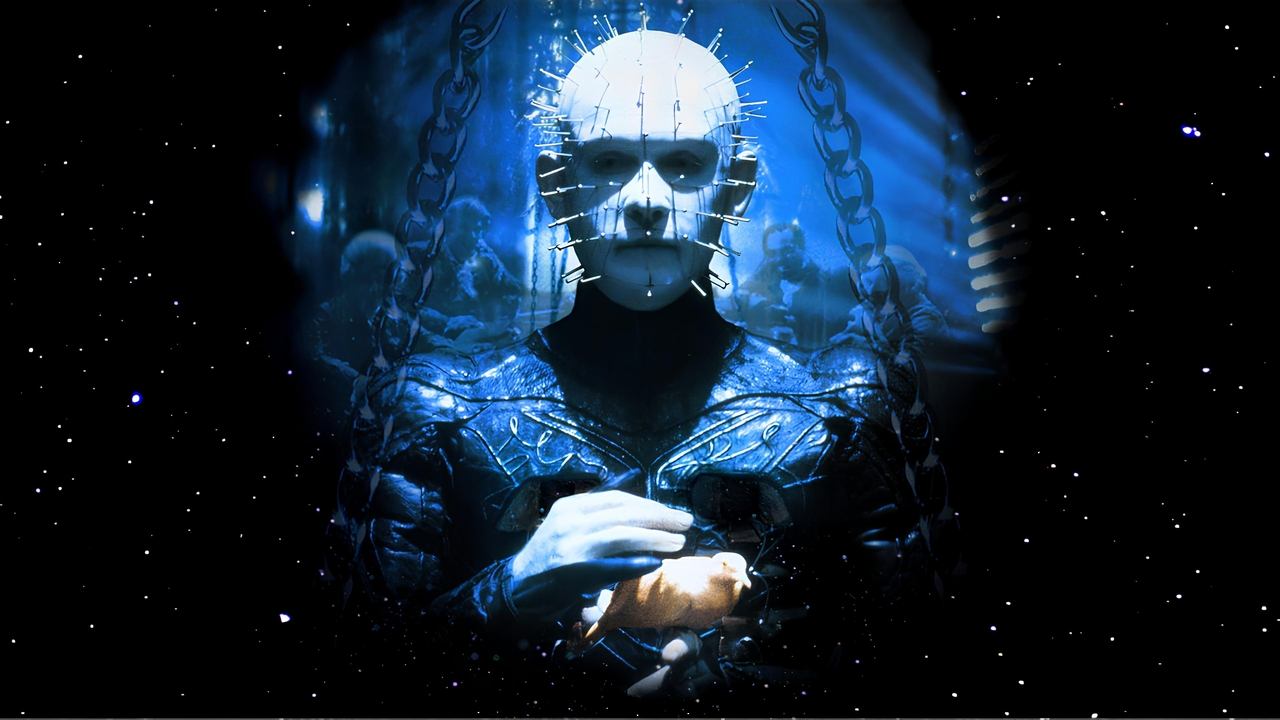
Through the temporal and production chaos, one constant remains: Doug Bradley as Pinhead. Even within a fragmented narrative, Bradley commands the screen. His Pinhead here feels perhaps a bit more philosophical, delivering lines about temptation, desire, and the nature of his "order" with that chillingly measured cadence. Bloodline also introduces a significant new player in Hell's hierarchy: Angelique (Valentina Vargas). A demon princess summoned through LeMarchand's box and later bound into a Cenobite form, Angelique represents a different flavour of Hell – more seductive, manipulative, and ancient than Pinhead's S&M acolytes. Vargas brings a compelling presence, and her interactions with Pinhead offer some of the film's most interesting dynamics, a power struggle between different infernal philosophies. Remember her initial, more 'classical demon' look before the... upgrades? The practical effects work in bringing both her forms and the other brief Cenobite appearances (like the Chatterer Beast) to life retains that signature Hellraiser visceral quality, even if the space station setting feels slightly jarring against the established gothic aesthetic. It’s a testament to Yagher’s background that even in the compromised final cut, the creature effects often land with squirm-inducing effectiveness.


The Shadow of Smithee
The production difficulties are woven into the film's very fabric. Rumours persist about the extent of the cuts – a more detailed French segment, a clearer connection between the timelines. The relatively modest budget (reportedly around $4 million, though it did manage to pull in over $9 million at the box office) likely constrained the futuristic finale, making the space station sequences feel somewhat familiar and perhaps less visually inventive than they might have been. This was meant to be the final theatrical Hellraiser, a definitive statement closing the book on the LeMarchand legacy. Instead, its troubled birth marked the point where the franchise pivoted primarily to the direct-to-video market, a fate many horror series shared in the late 90s. Does anyone else recall the slightly underwhelming feeling, even back then, knowing this ambitious chapter felt... incomplete?
Legacy in Fragments
Watching Hellraiser: Bloodline today feels like piecing together clues. You see the potential in the generational curse narrative, appreciate Bradley’s unwavering Pinhead and Vargas’s memorable Angelique, and admire the practical effects work. But the narrative scars are undeniable. It’s a fascinating artefact of studio meddling and compromised artistic vision, a common tale from the era when horror franchises were often squeezed for diminishing returns. It lacks the suffocating dread of the first two films or the psychedelic weirdness of the third, settling into a kind of uneven, ambitious curiosity. It tried to give us answers about the box and its maker, but the delivery was marred by the journey.
Rating: 5/10
The score reflects a film torn in two. The ambition, Bradley's performance, Angelique, and some solid practical effects earn points. However, the disjointed narrative, uneven pacing, and the tangible sense of studio interference prevent it from reaching the heights it aimed for. It’s essential viewing for Hellraiser completists, offering crucial lore and memorable moments, but it undeniably feels like a compromised piece.
Bloodline stands as a peculiar entry on the VHS shelf – not quite a forgotten gem, not quite a triumphant chapter, but a fascinating, flawed attempt to bring the story of the box full circle, forever marked by the phantom signature of Alan Smithee.