It starts with a sound. Not just any sound, but one captured purely by chance, a sonic fingerprint of a tragedy disguised as an accident. That explosive pop echoing in the night, the splash that followed – these are the sounds that plunge Jack Terry, and us, headfirst into the murky depths of Brian De Palma’s 1981 masterpiece, Blow Out. Seeing John Travolta, then largely known for his charismatic turns in Saturday Night Fever (1977) and Grease (1978), inhabit the weary, almost haunted persona of a B-movie sound technician was a startling shift, one that immediately signaled this wasn't going to be your typical thriller.
### The Accidental Witness
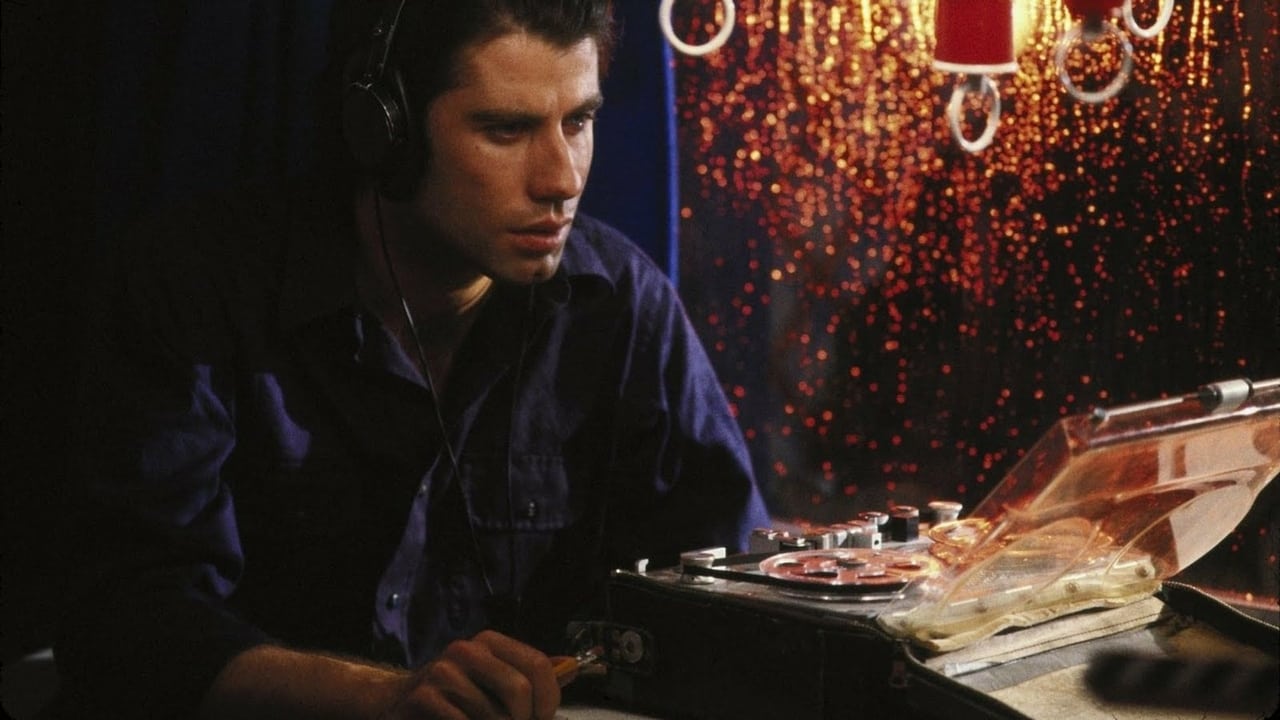
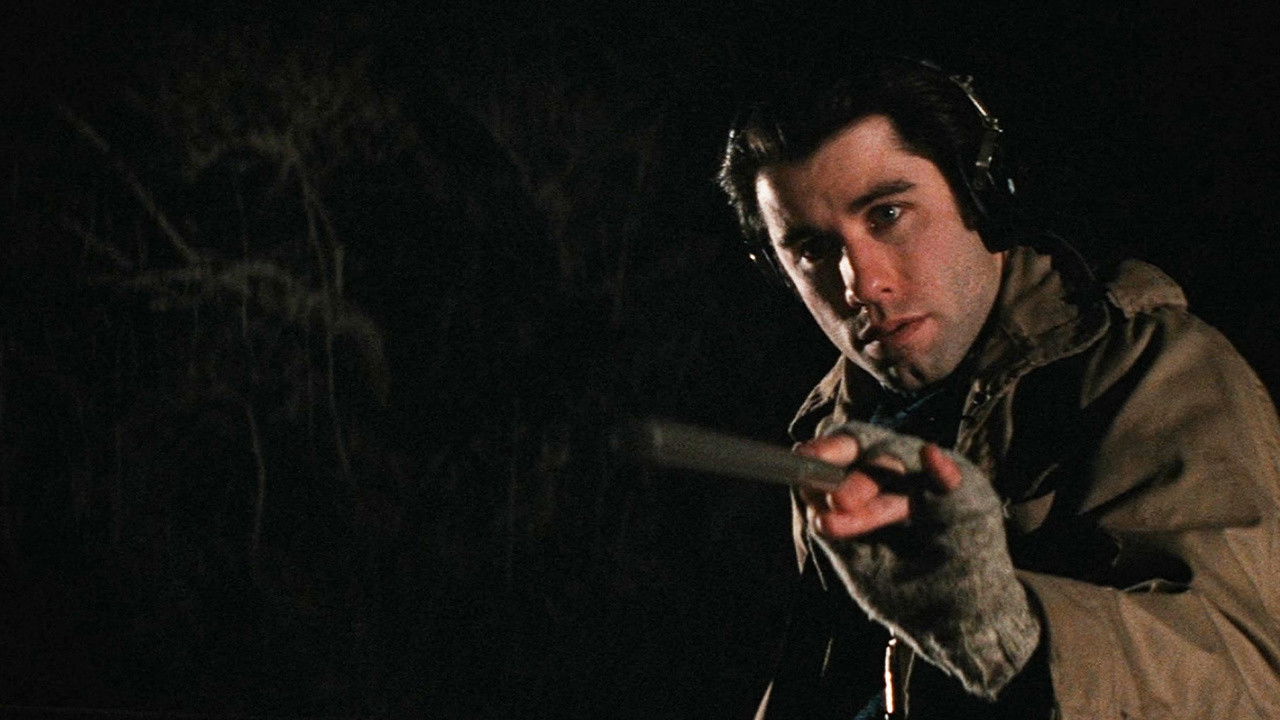
Jack Terry isn't looking for trouble. He's just out gathering ambient sounds for a cheap slasher flick – wind, owls, the usual. But parked by Wissahickon Creek in Philadelphia, his high-fidelity microphone picks up something far more sinister: the distinct crack of a gunshot just before a car tyre blows, sending the vehicle careening into the water. Jack dives in, rescuing the passenger, Sally (Nancy Allen), but the driver, a prominent Governor and presidential hopeful, drowns. Suddenly, Jack’s routine task becomes an obsession. He possesses auditory evidence of murder, a truth obscured by official narratives and powerful figures desperate to maintain the "accident" story.
What unfolds is a masterclass in suspense, steeped in the post-Watergate paranoia that still clung to the American consciousness. De Palma, who also wrote the screenplay, masterfully builds a sense of escalating dread. It's not just about what Jack heard, but the terrifying implications of possessing that knowledge. We watch, almost uncomfortably closely, as Jack painstakingly syncs his audio recording to frames of film shot by a sleazy photographer, Manny Karp (Dennis Franz in an early, perfectly scuzzy role). This sequence, the meticulous recreation of the event through salvaged media, is pure De Palma – voyeuristic, technically brilliant, and utterly gripping. It reminds you of the obsessive reconstruction in Michelangelo Antonioni's Blowup (1966) and the suffocating surveillance themes of Francis Ford Coppola’s The Conversation (1974), yet Blow Out feels entirely its own entity, colder and perhaps even more cynical.
### Sound and Fury
Travolta delivers arguably one of his finest, most understated performances here. His Jack Terry is a man burdened by past failures (a police wiretap gone wrong, referenced with chilling economy) and driven by a desperate need to validate what he knows is true. He's not an action hero; he’s a technician, his tools being reel-to-reel tapes and syncing machines, not guns. There's a quiet intensity to his work, a near-obsessive focus that Travolta conveys brilliantly. You feel his frustration mounting as bureaucracy and disbelief stonewall him at every turn. It’s a performance rooted in vulnerability and a growing sense of helplessness against unseen forces.
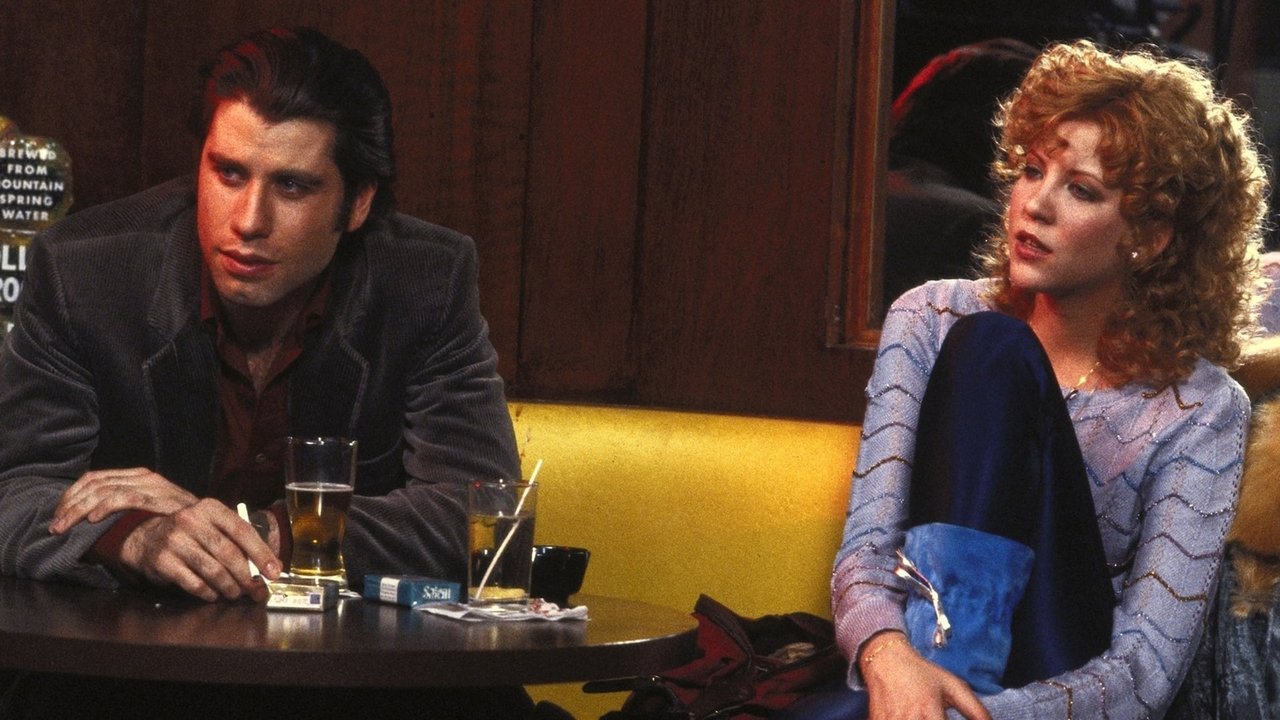
Opposite him, Nancy Allen (then married to De Palma) brings a crucial, tragic fragility to Sally. She’s caught in the gears of the conspiracy, initially complicit in a minor scam but quickly finding herself dangerously out of her depth. Allen navigates Sally’s fear, naivety, and flickering moments of courage with affecting authenticity. Their relationship, built on shared danger and a desperate need for connection, forms the film's fragile emotional core. And then there's John Lithgow as Burke, the chillingly efficient political operative tasked with cleaning up the mess. Lithgow, before becoming widely known for more comedic roles like in TV's 3rd Rock from the Sun, is terrifyingly methodical here. Burke is a phantom, moving through the periphery, his actions precise and ruthless. He embodies the impersonal, lethal nature of the conspiracy Jack has stumbled upon.
### De Palma's Vision, Zsigmond's Lens
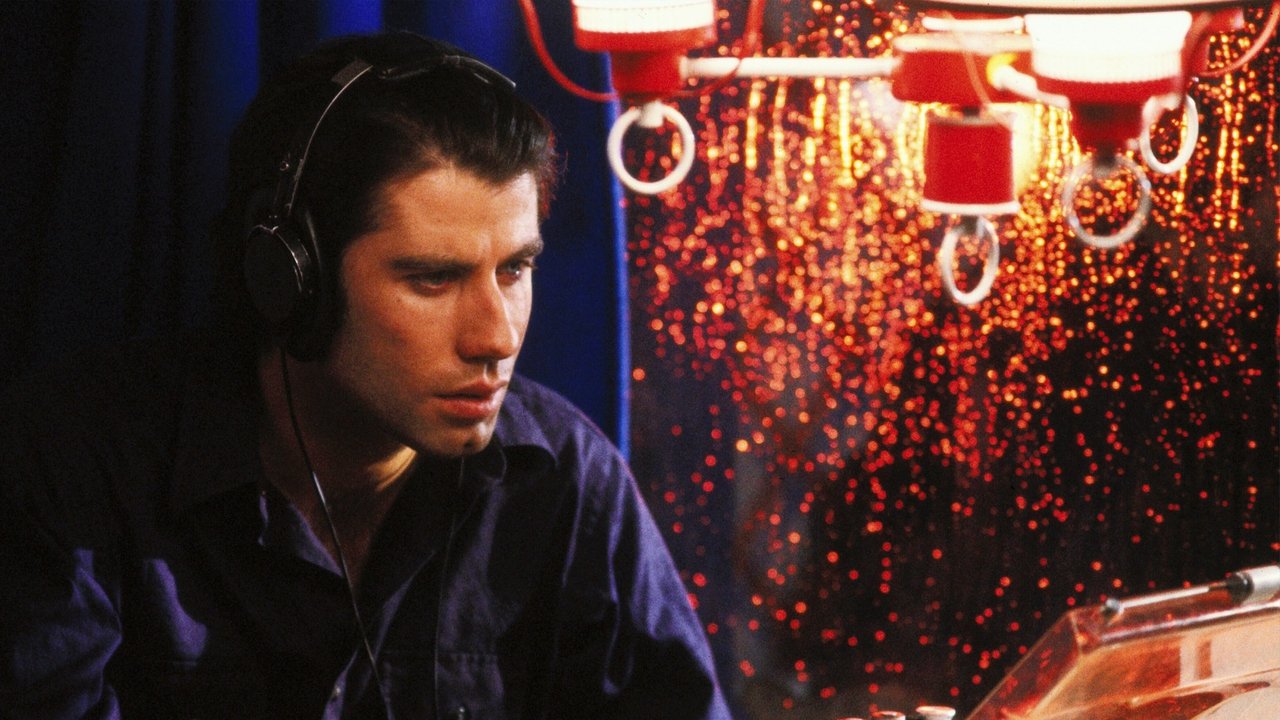
De Palma directs with his signature stylistic flourish, but it rarely feels gratuitous here. The split-screens aren't just tricks; they often juxtapose Jack’s focused investigation with the deadly movements of Burke, heightening the tension by showing us dangers Jack isn't yet aware of. The slow-motion sequences, particularly during moments of violence or revelation, force us to confront the ugliness and finality of what's happening. The film's look, courtesy of legendary cinematographer Vilmos Zsigmond (Close Encounters of the Third Kind, The Deer Hunter), is magnificent. Philadelphia becomes a character in itself – rain-slicked streets, neon reflecting in puddles, shadowy alleyways – creating a palpable neo-noir atmosphere thick with unease.
Interestingly, while drawing inspiration from real-world events like the Chappaquiddick incident and political assassinations, De Palma grounds the conspiracy in the intimate mechanics of filmmaking itself. The entire plot hinges on the manipulation and interpretation of sound and image. Jack's quest is fundamentally about proving the integrity of his recording, finding the "perfect scream" not for his B-movie, but for the truth. The film cost around $18 million to make, a decent budget for the time, but surprisingly only grossed about $12 million domestically. Perhaps its bleakness and complex themes were a tougher sell than anticipated in the summer of '81, overshadowed by more escapist fare. It's a film whose reputation has rightly grown immensely over the decades.
### The Lingering Echo
Blow Out is a film that stays with you, particularly its devastating conclusion (Spoiler Alert! if you haven't seen it). The tragic irony of Jack finally finding the "perfect scream" he needed for his film, sourced from the real-life horror he was unable to prevent, is gut-wrenching. It’s a cynical commentary on the impotence of truth against power, and perhaps even on the exploitative nature of media itself, using genuine suffering for manufactured entertainment. It leaves you with a profound sense of melancholy, a feeling amplified by Pino Donaggio's haunting score.
This wasn't just another tape on the rental shelf; it felt different. I remember renting it, probably drawn by Travolta's name, and being completely unprepared for its darkness and technical brilliance. It felt grown-up, complex, and deeply unsettling in a way few thrillers managed back then. It demands your attention, pulling you into Jack's obsessive quest, making you lean in, trying to hear the truth alongside him.
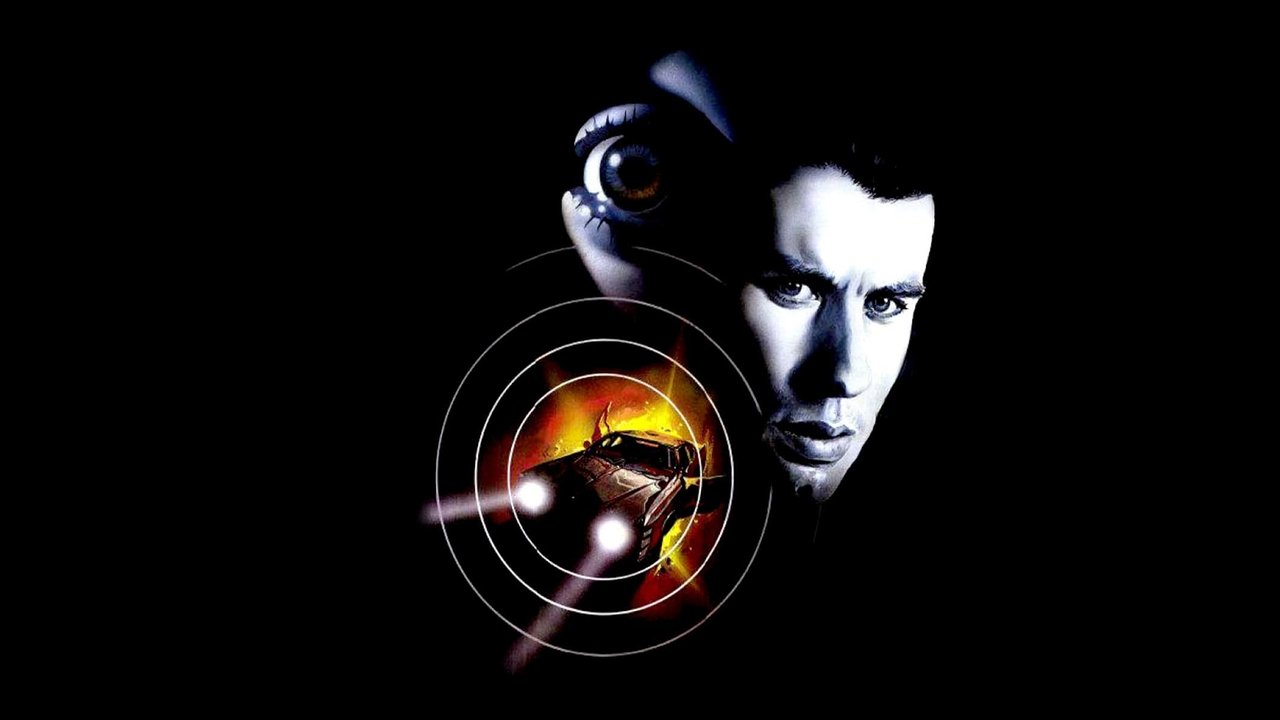
Rating: 9/10
This score reflects the film's near-perfect execution as a paranoid thriller. Travolta's career-best dramatic performance, Allen's tragic vulnerability, Lithgow's chilling villainy, De Palma's masterful direction, Zsigmond's evocative cinematography, and the film's thematic depth all combine to create an unforgettable experience. The intricate sound design isn't just a plot device; it is the film's soul. While its bleak ending might alienate some, it’s precisely that uncompromising vision that cements Blow Out as a high point of 80s cinema and a profoundly resonant exploration of truth, technology, and tragedy.
It leaves you pondering: how much do we truly see, and how much do we really hear, when powerful forces control the narrative? A question perhaps even more relevant today than it was back in the flickering glow of a CRT.