The glow of the cathode ray tube seemed colder, somehow, when The Dogs of War started spinning in the VCR late at night. There's a particular kind of grime to this film, a sweaty, disillusioned weariness that clings long after the credits roll. It’s not the explosive bombast we’d come to expect from 80s action; instead, it offers a chillingly meticulous look into the business of engineered conflict, leaving you with the distinct unease of watching something brutally authentic unfold. Forget heroes – this is about professionals doing a dirty job.
### The Price of Intervention
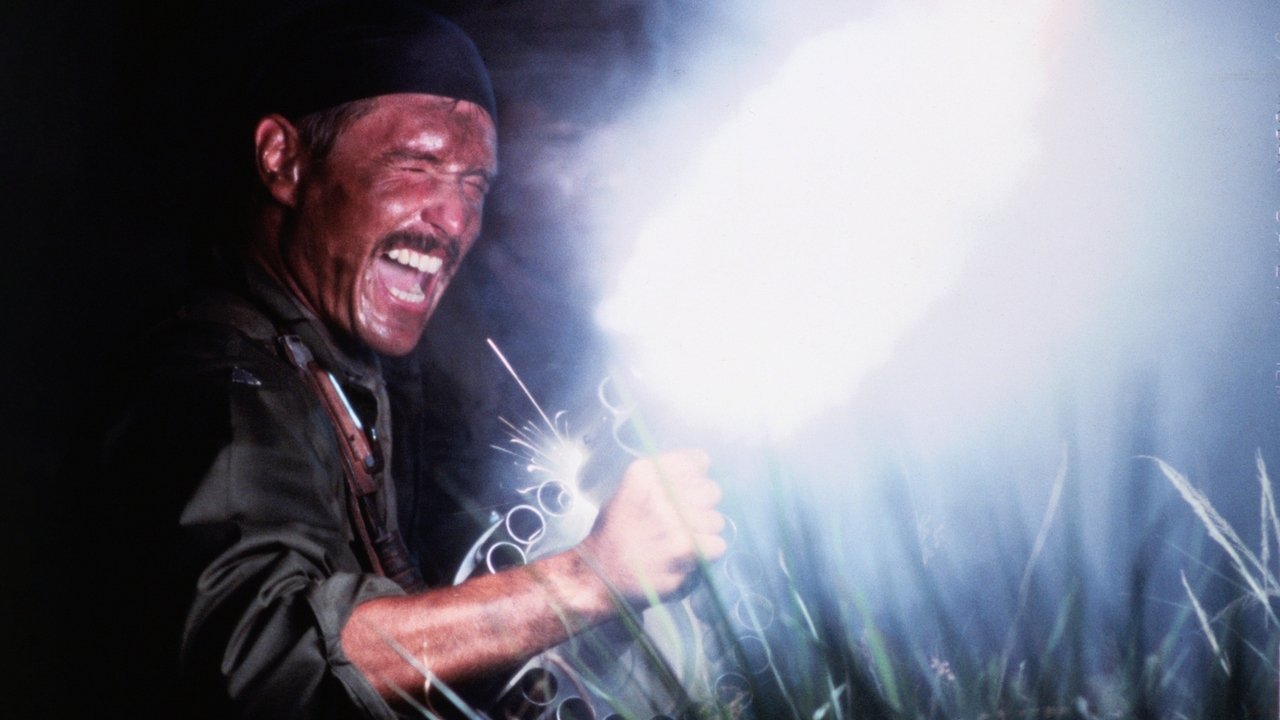
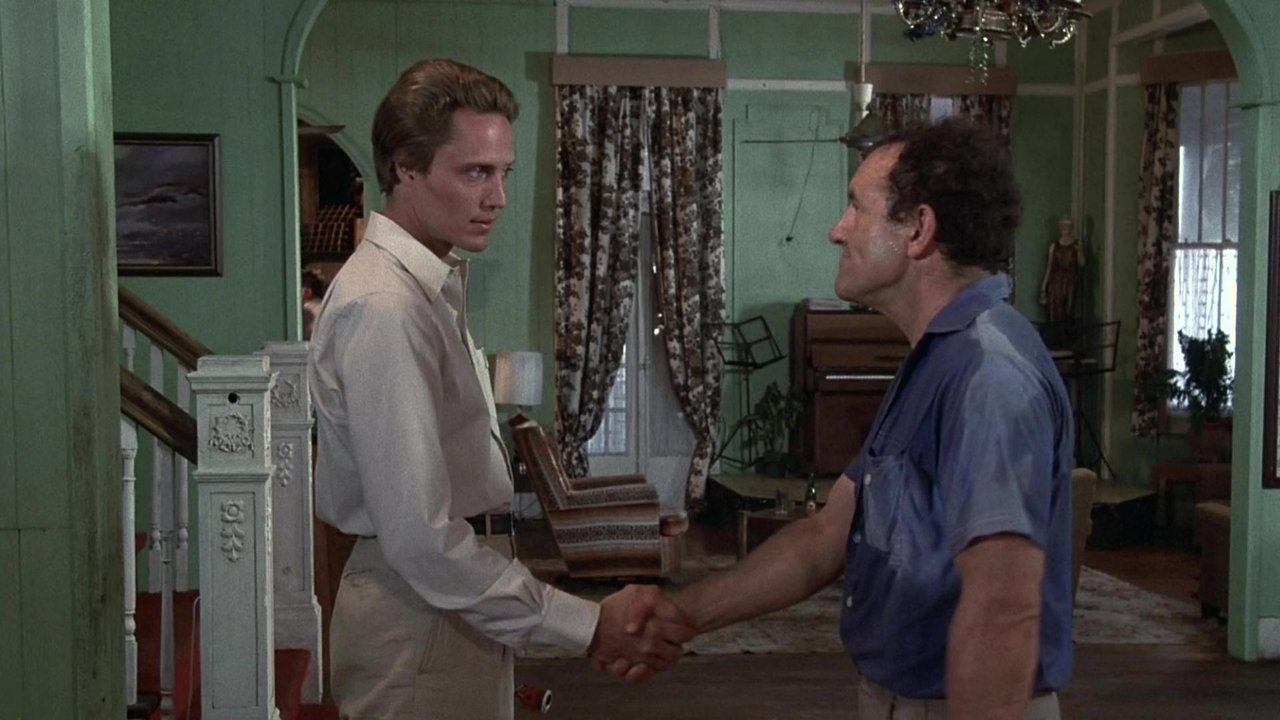
Based on the meticulously researched 1974 novel by Frederick Forsyth, The Dogs of War (1980) follows James Shannon (Christopher Walken), a disillusioned American mercenary. Hired by a shadowy British mining corporation, Shannon undertakes a perilous reconnaissance mission into the fictional West African dictatorship of Zangaro. His task: assess the stability of the current regime and the feasibility of installing a puppet leader more amenable to Western corporate interests. What begins as intel gathering spirals into the intricate planning and brutal execution of a full-blown coup d’état. It’s a narrative less concerned with patriotic fervor and more with logistics, ballistics, and the chilling calculus of profit-driven warfare.
### Walken: The Hollow Man
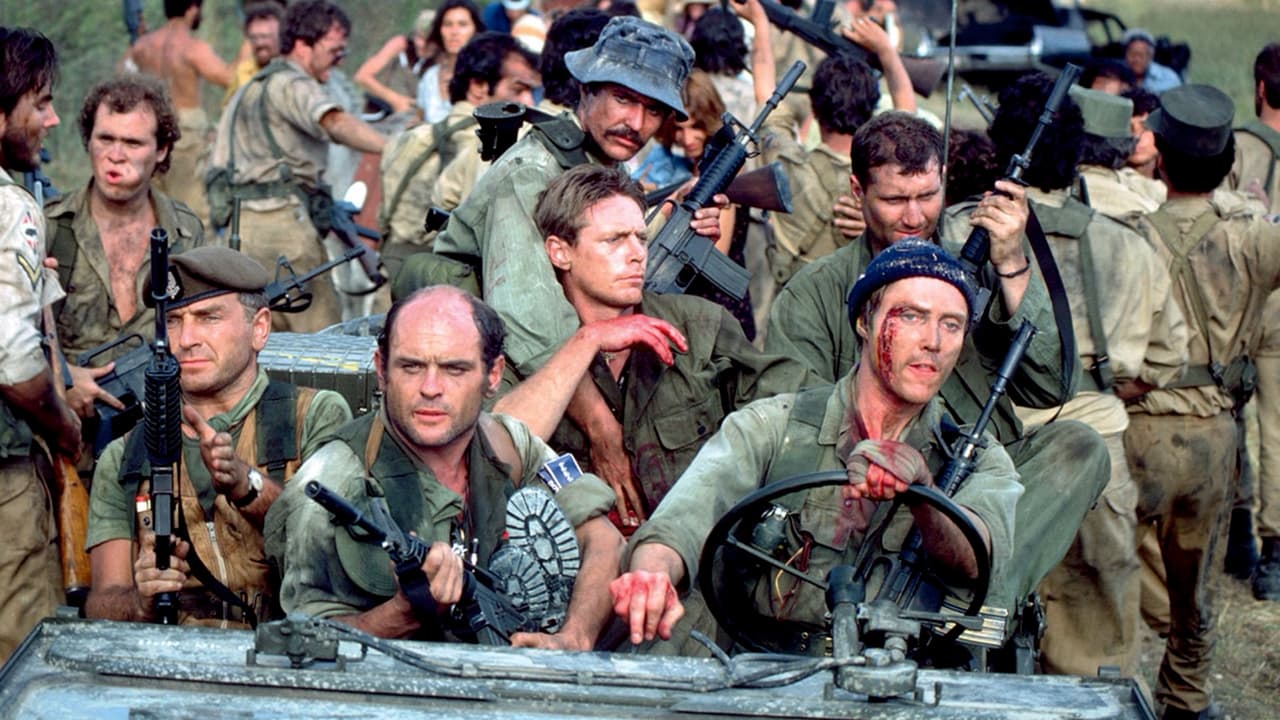
At the heart of the film's unsettling power is Christopher Walken. Shannon isn't a charismatic rogue or a reluctant hero; he's a shell, operating with a quiet, detached intensity that's utterly captivating and deeply unnerving. His eyes carry the weight of countless conflicts, his movements precise, his motivations obscured by a profound emptiness. Walken famously immersed himself in the role, reportedly spending time with actual mercenaries to understand their mindset. You feel that research on screen – the way he handles weaponry, his clipped delivery, the sheer lack of sentimentality. It’s a performance built on chilling stillness, punctuated by moments of calculated violence. This wasn't the larger-than-life Walken of later years; this was an actor burrowing deep into the bleak reality of his character, creating someone you understand is dangerous precisely because he seems to feel so little.
### Sweat, Dust, and Logistics
Director John Irvin, who would later bring similar gritty realism to films like Hamburger Hill, masterfully crafts an atmosphere thick with humidity and moral ambiguity. Filmed largely on location in Belize, standing in for the volatile Zangaro, the film feels hot, dusty, and unstable. The production design avoids any hint of glamour; the locations are run-down, the equipment functional rather than flashy. There's a procedural focus here that’s rare for the genre. We see Shannon meticulously assembling his team, including a young, hungry Tom Berenger as Drew, navigating shady arms dealers, testing equipment, and planning every detail of the assault. Forsyth's novel was lauded for its granular detail regarding mercenary operations, and while the film streamlines things, that sense of careful, deadly preparation remains. It’s fascinating to watch the intricate plan come together, piece by painstaking piece – acquiring the inflatable boats, the specialized weapons (like the fictional rocket launcher nicknamed "The Shrike"), the bribing of officials. This wasn't just about shooting; it was about the grim business behind the bullets.
### The Assault: Brutal Efficiency
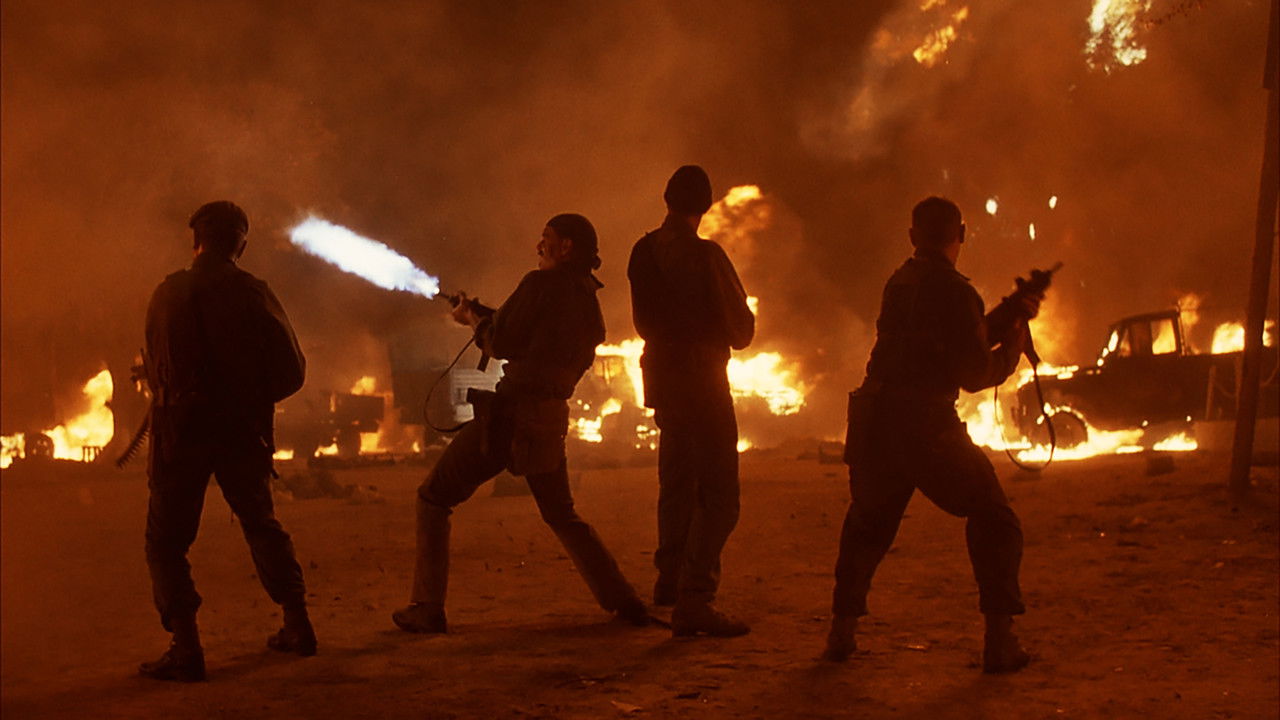
When the climactic assault on Zangaro's presidential palace finally erupts, it’s not presented as a thrilling spectacle. It’s chaotic, terrifyingly swift, and brutally efficient. Irvin shoots the action with a sense of immediacy – explosions rock the screen, gunfire echoes realistically, and the mercenaries move with trained precision, but also with the vulnerability of men caught in lethal chaos. There are no quippy one-liners, no impossible feats of heroism. People get hurt, plans go awry, and the violence feels sudden and consequential. The practical effects, while obviously of their time, retain a visceral impact precisely because they aren’t overly stylized. Remember how shocking that kind of unvarnished violence felt back then, compared to the more cartoonish action flicks filling the video store shelves? This felt disturbingly real.
### A Bleak Reflection
The Dogs of War arrived at a time of global unease – post-Vietnam disillusionment, Cold War tensions, and numerous real-world conflicts echoing its fictional scenario. It doesn't offer easy answers or moral comfort. The corporation funding the coup is utterly amoral, driven solely by profit. The mercenaries are tools, perhaps finding a grim purpose in their deadly trade but ultimately expendable. Even the supposedly "better" leader they aim to install comes with his own baggage. The film leaves you contemplating the cynical machinations of power and the human cost of resources, a theme that resonates just as strongly today. It’s a stark contrast to the jingoism that would saturate action cinema later in the decade, making this early 80s mercenary movie feel remarkably prescient and mature.
### Final Verdict
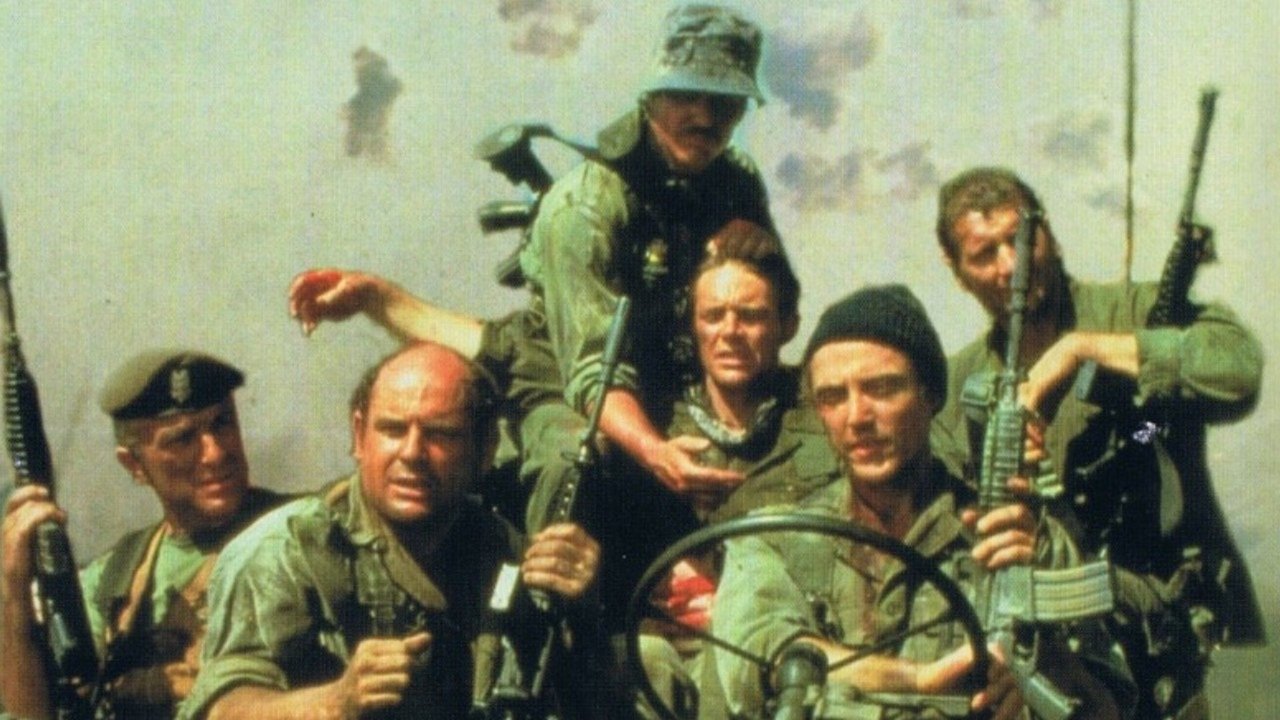
The Dogs of War isn't a feel-good movie; it's a cold, hard look at the mechanics of modern conflict orchestrated from corporate boardrooms. Its strengths lie in its oppressive atmosphere, Christopher Walken's mesmerizingly vacant lead performance, and its commitment to a gritty, procedural realism that was uncommon for its time. The pacing is deliberate, focusing on the meticulous planning as much as the eventual violence, which might test the patience of those seeking non-stop action. However, the tension builds inexorably, and the final act delivers a raw, impactful payoff. It captures that specific early 80s vibe of weary cynicism perfectly.
Rating: 8/10
This is a film that sticks with you – less for overt scares, more for the chilling depiction of detached professionalism applied to bloodshed and the unsettling feeling that the world it portrays is perhaps not so fictional after all. It remains a standout example of the serious-minded thrillers the era could produce, a grim gem well worth digging out of the VHS archives.