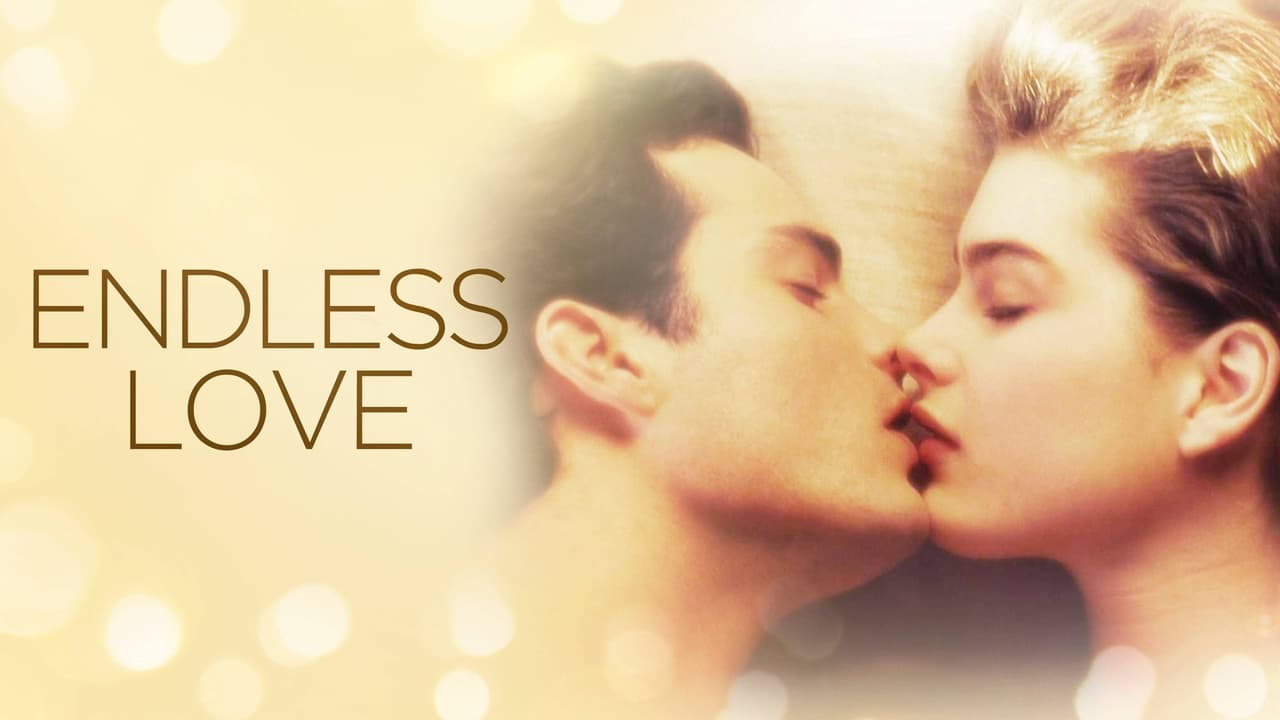
It’s almost impossible to think of Franco Zeffirelli’s 1981 film Endless Love without that song immediately flooding your memory. The soaring duet by Lionel Richie and Diana Ross became an absolute behemoth on the charts, an inescapable soundtrack to young romance (or perceived romance) in the early 80s. Yet, the film it accompanied holds a much more complicated, and frankly, troubled place in the landscape of VHS era dramas. Pulling this tape off the shelf again, maybe from a dusty box marked "80s Teen Angst," prompts a curious mix of nostalgia and unease. Does the film live up to the grandeur of its theme song, or does it crumble under the weight of its own ambition?
A Love Too Intense?
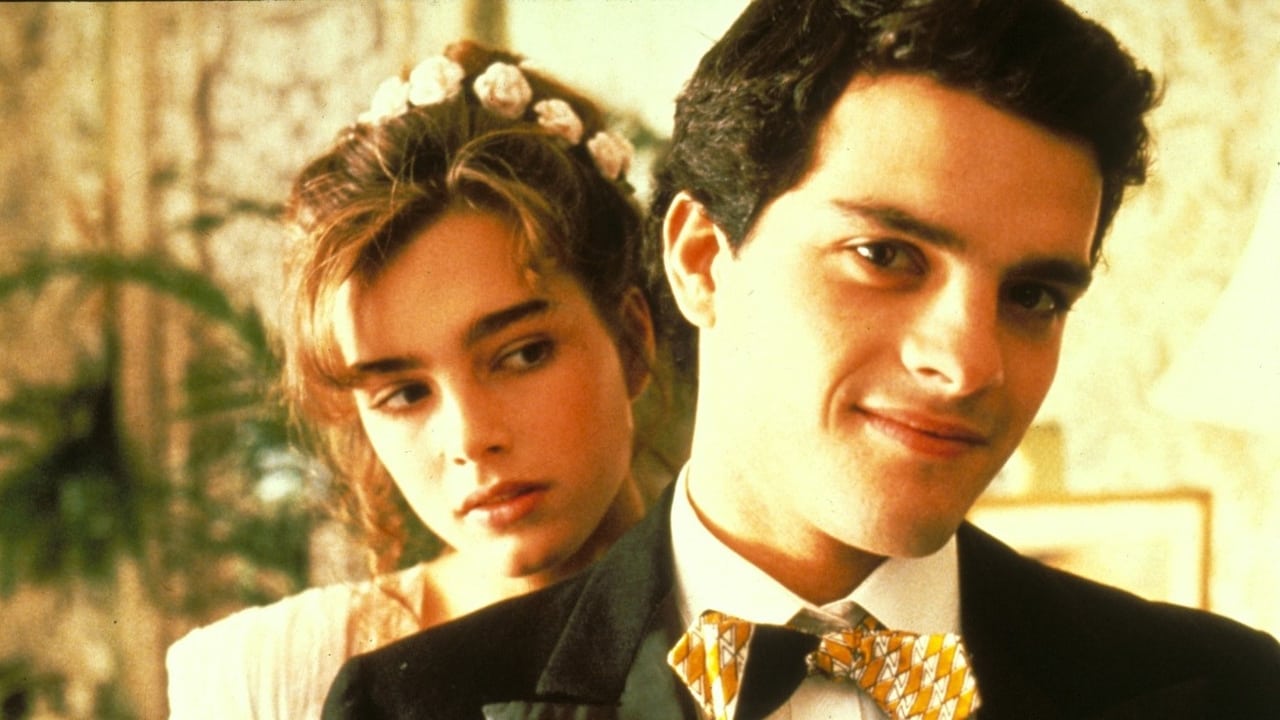
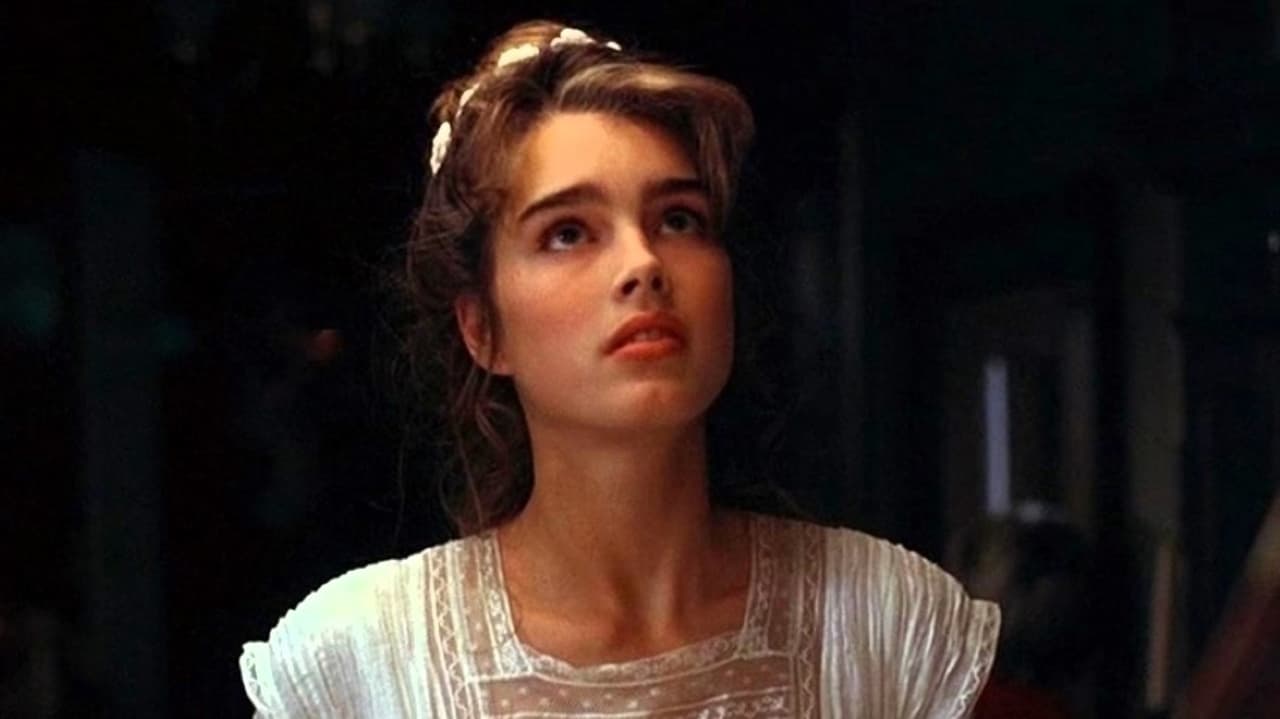
Based on Scott Spencer's far darker and more disturbing 1979 novel, Endless Love attempts to capture the all-consuming, world-ending intensity of first love. We meet 17-year-old David Axelrod (Martin Hewitt) and 15-year-old Jade Butterfield (Brooke Shields), twoChicago teenagers utterly lost in each other. Their passion is immediate, overwhelming, and deeply concerning to Jade’s bohemian parents, Hugh (Don Murray) and Ann (Shirley Knight). When Hugh enforces a separation, David’s obsessive devotion takes a catastrophic turn, leading to an act that spirals disastrously out of control. Zeffirelli, renowned for his opulent takes on classics like Romeo and Juliet (1968), drenches the proceedings in a hazy, soft-focus beauty. Everything looks gorgeous, sun-dappled, and impossibly romanticised, even when the narrative delves into darker territory.
Navigating Controversy and Casting
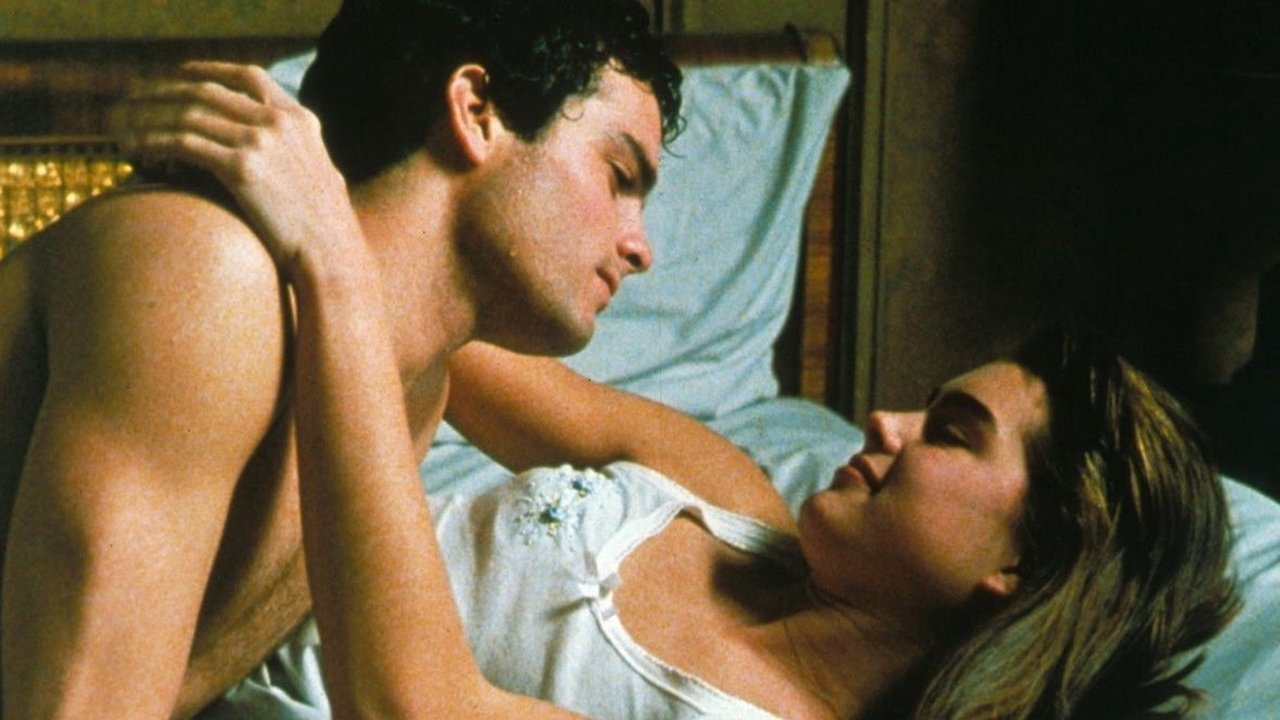
The production itself was navigating tricky waters. Casting Brooke Shields, already a massive star and cultural lightning rod after Pretty Baby (1978) and The Blue Lagoon (1980), meant dealing with the complexities of filming intimate scenes with a 15-year-old actress. Body doubles and careful editing were employed, but the shadow of exploitation, however unintentional, lingers over the film’s portrayal of young sexuality. It’s a discomfort amplified by the central relationship, which the film frames as epic romance but often reads as deeply unhealthy obsession. Finding the right David was also a challenge; newcomer Martin Hewitt was chosen from relative obscurity, tasked with embodying a volatile mix of charm and destructive passion.
One fascinating piece of trivia often shared among film buffs is the blink-and-you'll-miss-it appearance of a very young Tom Cruise in one of his earliest roles. He plays Billy, a high school friend who casually suggests arson as a solution – a darkly ironic moment given David’s later actions. James Spader also pops up briefly. These early glimpses of future stars are classic VHS Easter eggs for collectors.
Performances Against the Gloss
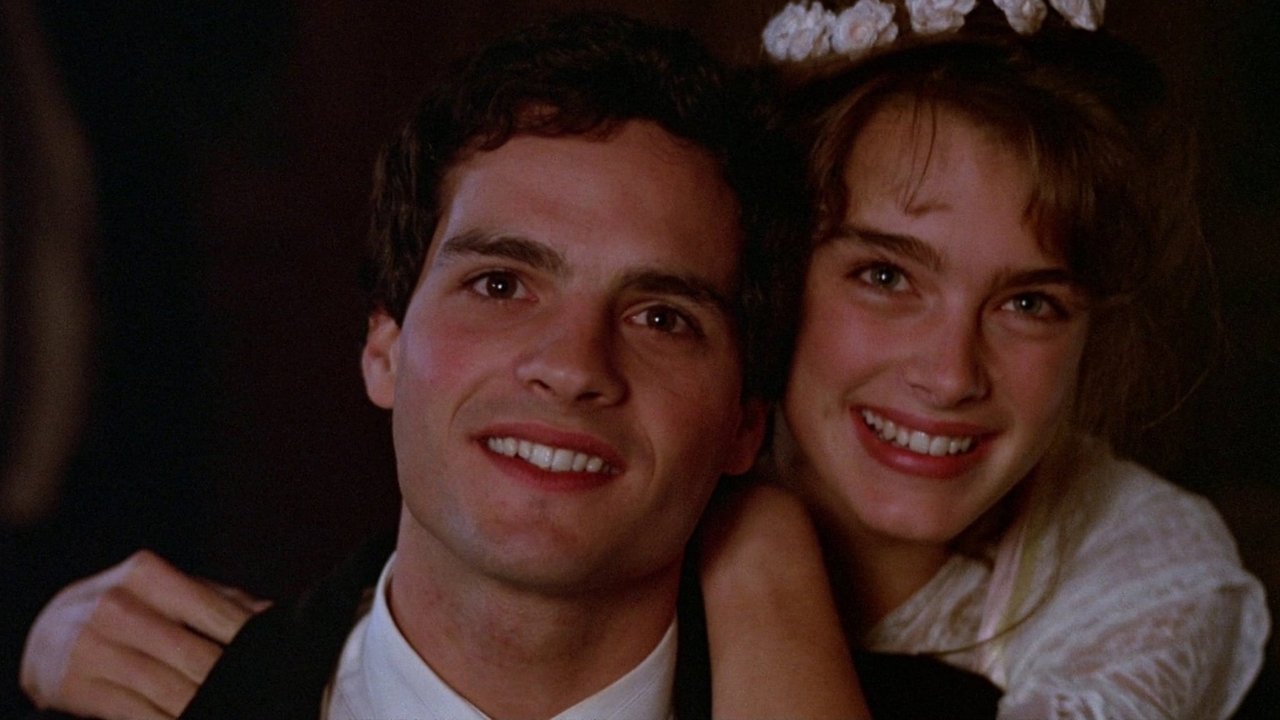
Brooke Shields, despite her youth and the inherent limitations placed upon her performance, possesses an undeniable screen presence. Her Jade is ethereal, almost otherworldly in her beauty, convincingly portraying the consuming nature of young love from her perspective. Martin Hewitt, however, struggles with the difficult task of making David sympathetic. His performance often feels strained, caught between playing a romantic lead and hinting at the character's dangerous possessiveness, a balance the script and direction don't fully support. The real anchor often feels like Shirley Knight as Ann, Jade's mother, who develops her own complex fascination with David. Knight brings a nuanced vulnerability and unsettling intensity to the role, hinting at the deeper psychological currents the film mostly glosses over.
Zeffirelli's Vision vs. Spencer's Novel
The fundamental tension in Endless Love lies in the clash between Scott Spencer's source material – a bleak exploration of obsession and its devastating consequences – and Franco Zeffirelli's instinct for romantic spectacle. Zeffirelli smooths out the novel's rough edges, focusing on the beauty of the young lovers and the aesthetic appeal of their world. The result is a film that feels tonally confused. It presents potentially disturbing behavior through a lens of tragic romance, never fully grappling with the implications of David's actions. Was Zeffirelli aiming for a cautionary tale wrapped in beauty, or did the romanticism simply overwhelm the darker themes? It's a question that hangs heavy after the credits roll. The film secured its R rating after some reported battles, suggesting the studio and director grappled with how explicitly to portray the more adult themes.
Lasting Echoes (Mostly Musical)
Despite its visual appeal and the star power of Brooke Shields, Endless Love was met with largely negative reviews upon release. Critics found it overwrought and dramatically inert, failing to capture the novel's power. Roger Ebert famously lambasted it. Yet, propelled by that song, it found an audience and performed reasonably well at the box office, grossing over $32 million against its moderate budget. Its legacy today is peculiar; it’s remembered more for its iconic theme and the controversy surrounding its star than for its dramatic achievements. Watching it now feels like excavating a time capsule – a snapshot of early 80s anxieties about teenage sexuality, wrapped in a visually lush but dramatically muddled package. There was a 2014 remake, but it made little impact, further cementing the 1981 version, flaws and all, as the definitive screen adaptation, however imperfect.
***
Rating: 4/10
Justification: While Zeffirelli crafts a visually beautiful film and the theme song is legendary, Endless Love suffers from a fundamental tonal disconnect. It romanticizes obsessive behavior derived from a much darker novel, features uneven performances (particularly from Hewitt), and feels hampered by the real-world controversies surrounding its young star. The glimpses of future stars (Cruise, Spader) and Shirley Knight's compelling turn offer moments of interest, but the core narrative struggles to reconcile its romantic aspirations with its problematic subject matter. It’s a fascinating artifact, but not a successful drama.
Final Thought: Does the overwhelming power of a hit song inadvertently grant a flawed film a kind of immortality it might not otherwise deserve? Endless Love lingers in the memory, perhaps less for what it is, and more for the cultural moment – and the melody – it represents.