There's a certain kind of quiet ache that lingers long after the credits roll on Jeannot Szwarc's Somewhere in Time. It's not the sharp pang of tragedy, but rather the gentle, persistent echo of a love story so potent it feels capable of bending reality itself. Released in 1980, it wasn't a blockbuster, finding its devoted audience, like so many treasures of the era, through the patient rotation of cable movie channels and the well-worn grooves of countless VHS rentals. I distinctly remember encountering it this way, unprepared for the wave of pure, unadulterated romanticism that washed over me.
### A Portrait, A Promise
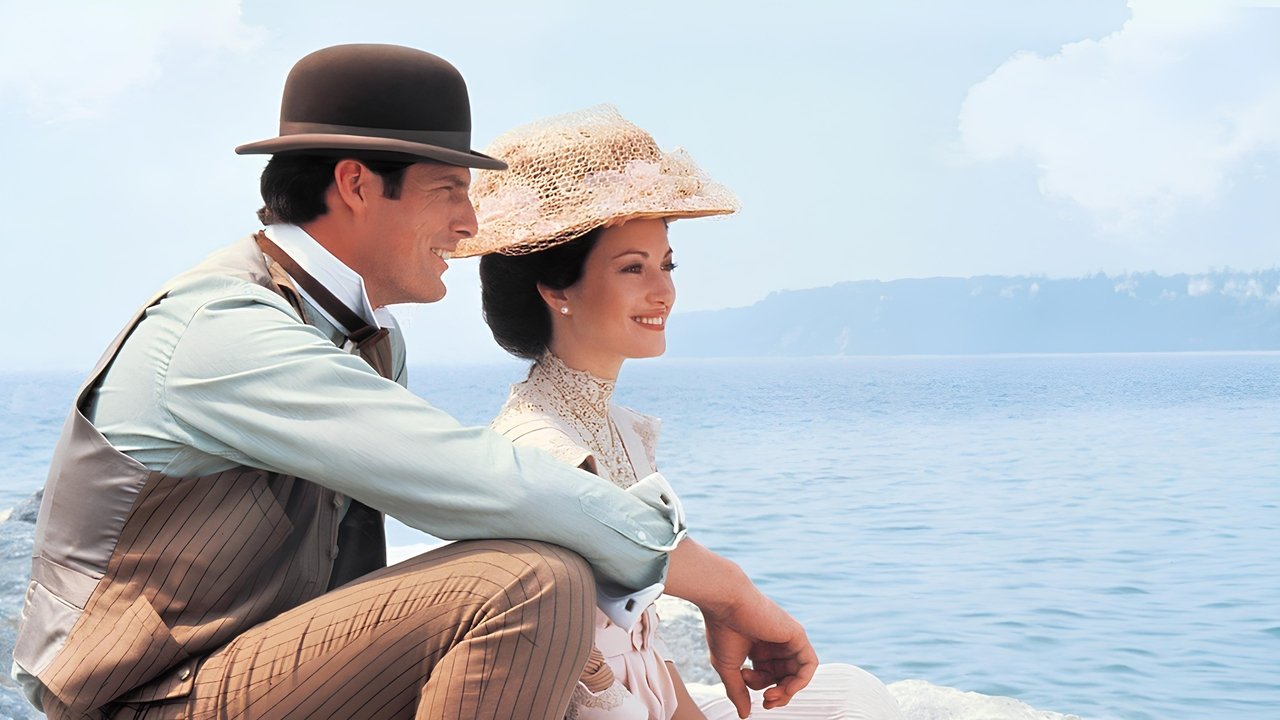
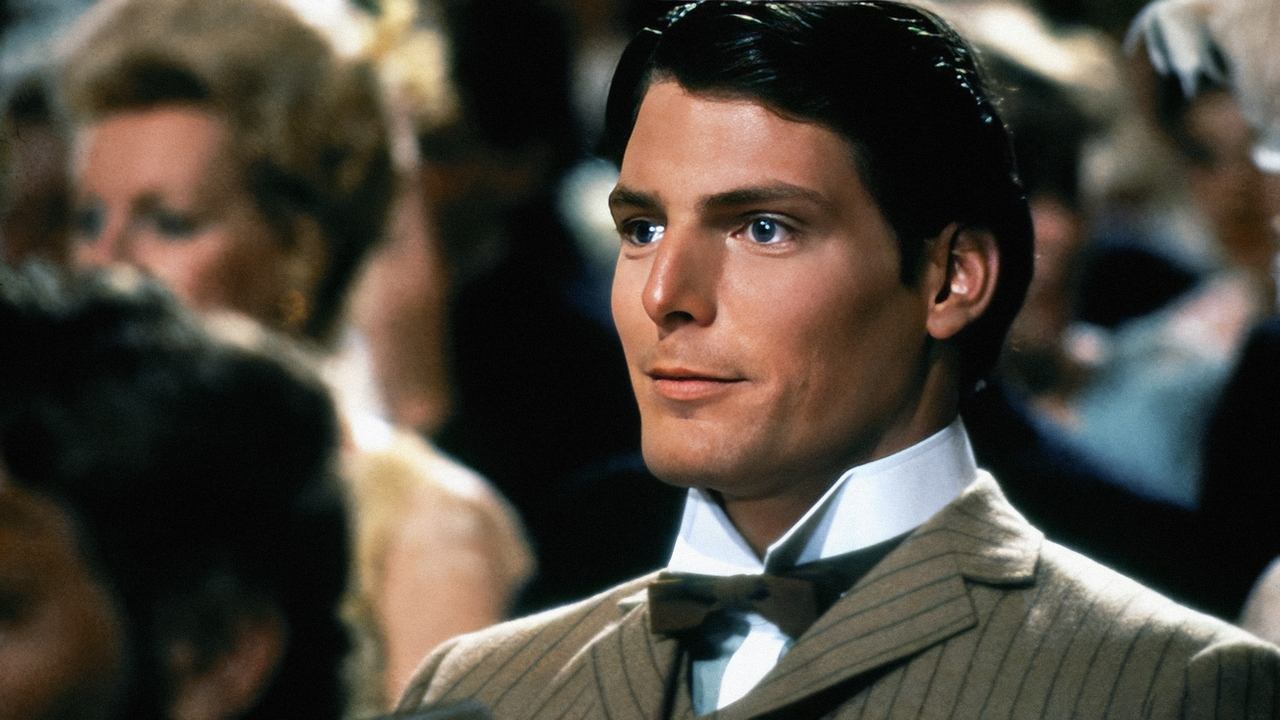
The premise, penned by the legendary Richard Matheson (adapting his own novel, Bid Time Return), feels almost like a fairy tale whispered across decades. Christopher Reeve, stepping gracefully away from the cape that made him a global icon, plays Richard Collier, a successful modern-day playwright haunted by a sense of incompleteness. During a celebratory stay at the historic Grand Hotel on Mackinac Island, Michigan, he's inexplicably drawn to a vintage portrait of Elise McKenna (Jane Seymour), a celebrated stage actress from 1912. It’s more than admiration; it’s a profound, almost spiritual connection. This discovery, coupled with a cryptic encounter years earlier with an elderly woman who pressed a pocket watch into his hand and whispered, "Come back to me," sets Richard on an impossible quest: to travel back seventy years, propelled by sheer force of will, to find the woman in the photograph.
What follows isn't a typical sci-fi yarn obsessed with temporal mechanics. The method of time travel here is fascinatingly internal – a form of intense self-hypnosis, stripping away the present to immerse oneself completely in the past. It's a testament to Matheson's genius, transforming a potentially convoluted plot device into a deeply personal, psychological journey. Does it require a suspension of disbelief? Absolutely. But the film earns it through its unwavering commitment to its emotional core.
### Two Souls Anchored in Time
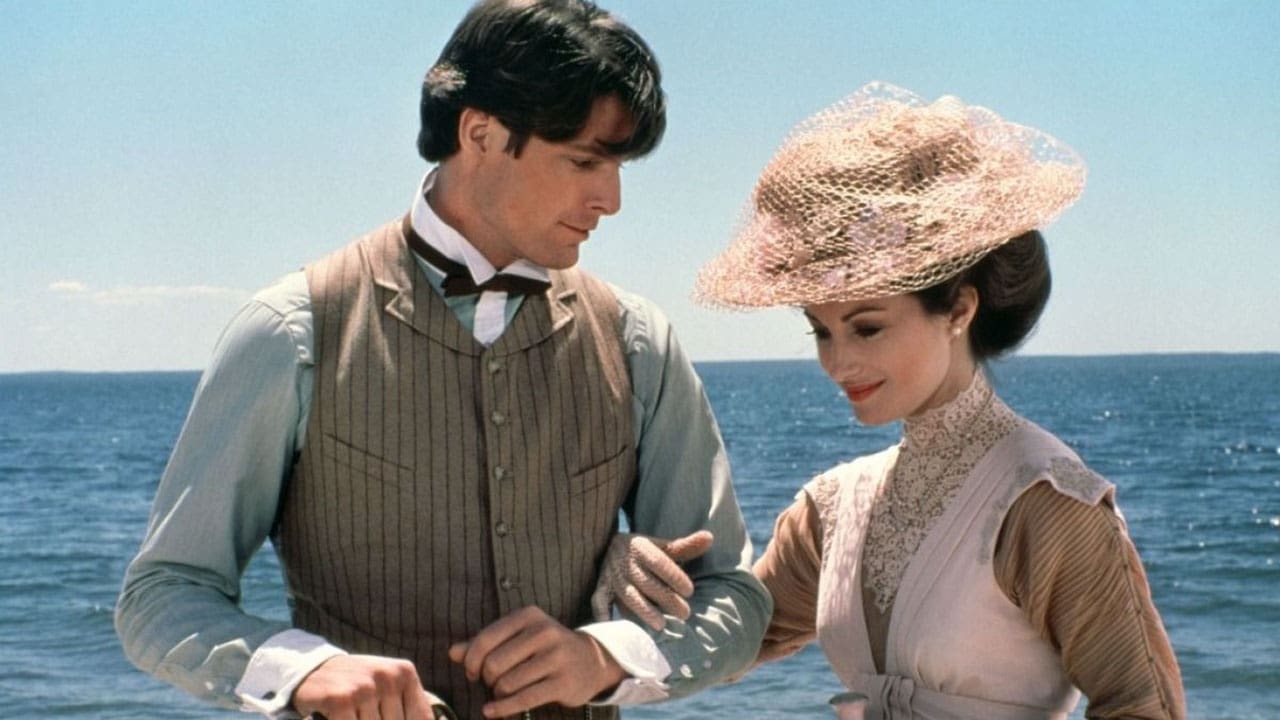
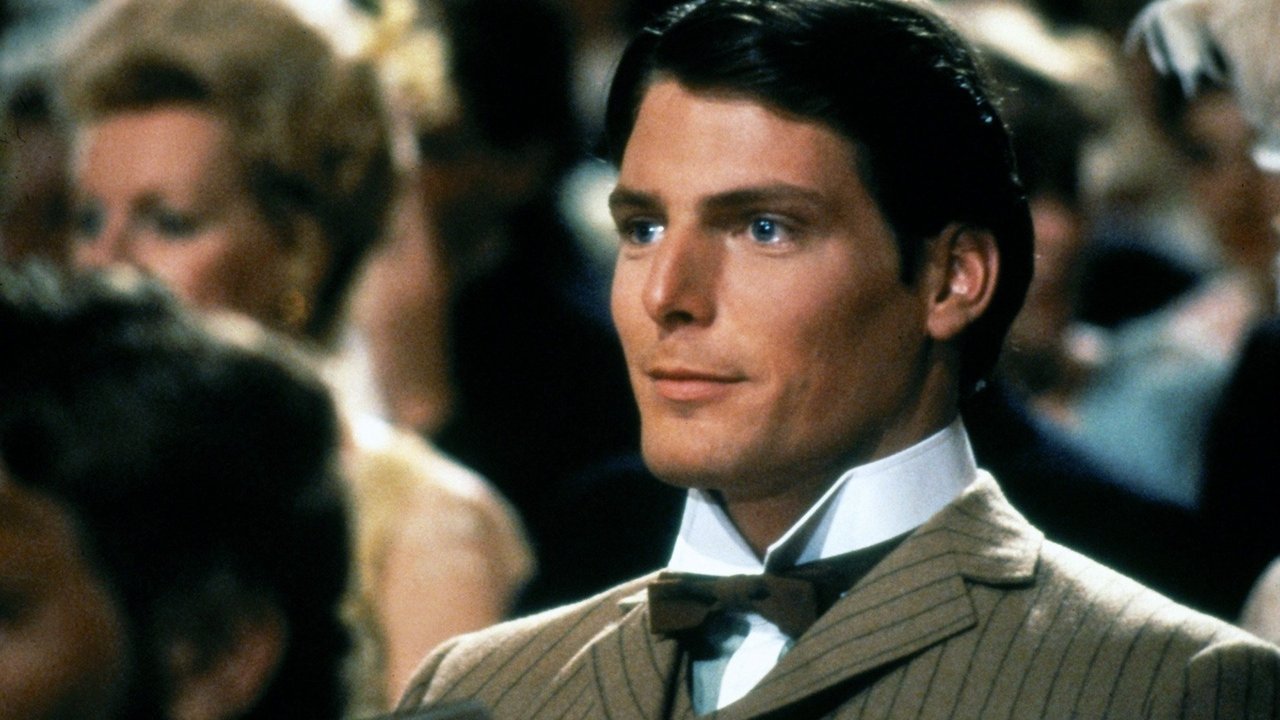
The film truly rests on the shoulders of its leads, and their chemistry is the magic that makes the impossible feel not just plausible, but achingly real. Christopher Reeve is simply captivating. Shedding the assured confidence of Superman, he portrays Richard with a vulnerability and wide-eyed sincerity that is utterly disarming. We see the loneliness beneath the success, the yearning that drives his extraordinary actions. You believe in his obsession because Reeve makes Richard's soul-deep connection to Elise palpable in every glance, every hesitant touch. It's a performance of quiet intensity, proving his range far beyond Metropolis.
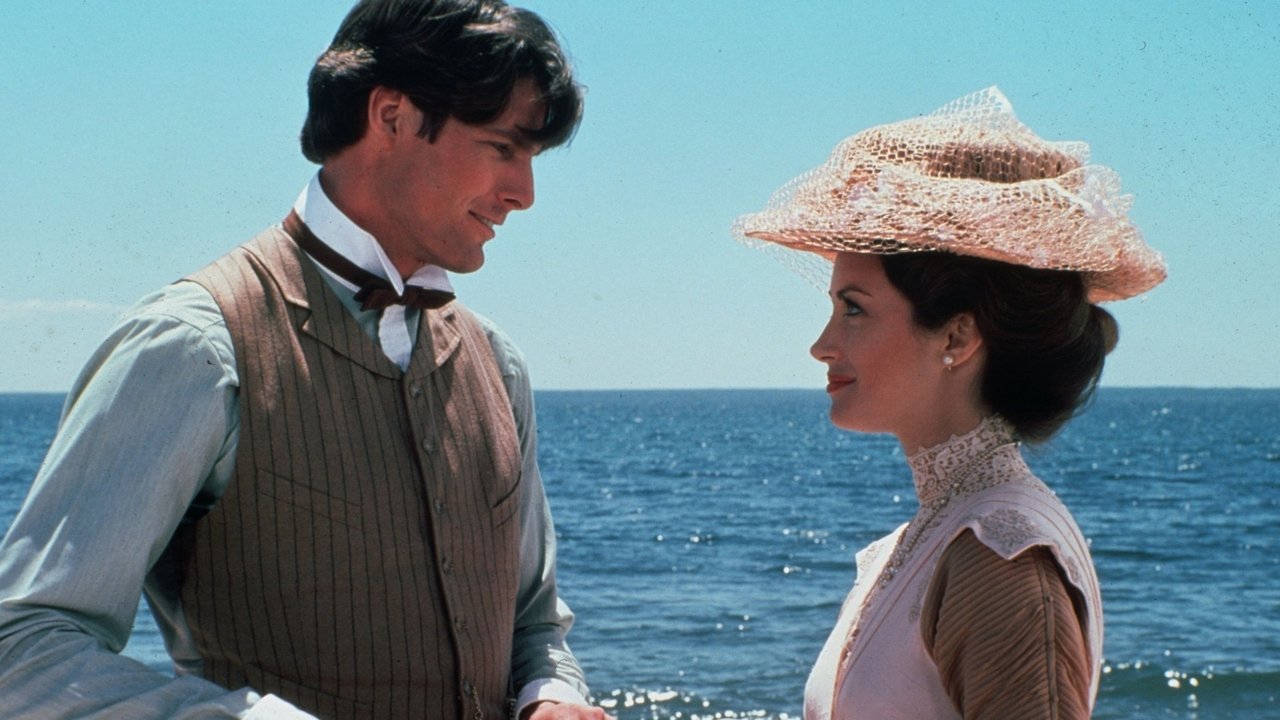
Opposite him, Jane Seymour is luminous as Elise McKenna. She embodies the grace and poise expected of a star of the era, but crucially, hints at a depth of melancholy and a searching quality that mirrors Richard's own. There's a subtle strength beneath the period elegance, a sense that she too has been waiting, consciously or not, for something – or someone – extraordinary. Their first proper meeting on the Grand Hotel grounds is a masterclass in understated emotion, charged with the weight of destiny unfolding. Their connection feels immediate, fated, yet tenderly developed. Supporting them is the ever-reliable Christopher Plummer as William Fawcett Robinson, Elise's fiercely protective manager. Plummer brings a necessary gravitas and suspicion to the role, acting as the grounded counterpoint to Richard and Elise's ethereal romance, creating the essential conflict that threatens their fragile union.
### The Grand Hotel and the Ghosts of Yesterday
Director Jeannot Szwarc, perhaps better known for Jaws 2, crafts a film that feels deliberately paced, almost dreamlike. The decision to film primarily on location at the real Grand Hotel on Mackinac Island (where motor vehicles are famously restricted) was inspired. The hotel itself becomes a character, its timeless elegance and sprawling grounds providing the perfect backdrop for a story unstuck in time. The cinematography beautifully captures both the sun-drenched beauty of the 1912 sequences and the slightly melancholic haze of Richard's present. You can almost feel the lake breeze, hear the horse-drawn carriages clop past. It wasn't an easy shoot, dealing with period authenticity and location logistics on a relatively modest budget (around $5 million), but the effort pays off in spades, immersing the viewer completely.
Adding immeasurably to this atmosphere is John Barry's iconic score. It’s impossible to discuss Somewhere in Time without mentioning Barry’s lush, romantic, and heartbreakingly beautiful music, heavily featuring Rachmaninoff's "Rhapsody on a Theme of Paganini." Nominated for an Oscar (as were Jean-Pierre Dorléac's gorgeous period costumes), the score isn't just accompaniment; it's the film's soul, amplifying every swell of emotion, every moment of longing and connection. It’s fascinating to learn the score almost didn’t happen, with initial studio reluctance, yet it became one of the most beloved and recognizable film scores of the decade, intrinsically linked to the movie's enduring appeal.
### More Than Just Nostalgia: Retro Reflections
Somewhere in Time didn't set the box office alight upon release in 1980. Critics were somewhat divided, perhaps unsure what to make of its earnest, unapologetic romanticism in an era leaning towards cynicism or spectacle. Yet, its true life began on home video and cable television. It became a word-of-mouth phenomenon, a film viewers took deeply to heart, evidenced by the thriving fan club (INSITE - International Network of Somewhere In Time Enthusiasts) and the annual "Somewhere in Time Weekend" still held at the Grand Hotel. It tapped into a universal yearning for transcendent love, for the idea that connections can defy even the boundaries of time itself.
Matheson himself had a personal connection to the story, inspired partly by seeing a portrait of actress Maude Adams (a contemporary of the fictional Elise) in a Nevada opera house. He poured that fascination into the novel and then adapted it himself, ensuring the emotional core remained intact. The seemingly small detail of the 1979 penny – the anachronism that tragically shatters Richard's idyll – is a masterstroke of narrative economy, simple yet utterly devastating. It underscores the fragility of his temporal foothold and the cruel indifference of time's arrow.
What stays with you isn't the logic of time travel, but the feeling. The film asks us to consider the power of love and memory, the idea that certain bonds might resonate across lifetimes. Doesn't that central yearning feel timeless, even if the hairstyles and cars change? It explores fate versus free will, albeit gently – was their meeting preordained, or did Richard's sheer desire forge their path?
Rating: 9/10
Somewhere in Time earns this high score not because it's technically flawless, but because it achieves its emotional aims with breathtaking sincerity and effectiveness. The performances are deeply felt, the atmosphere is captivating, the score is unforgettable, and its central romance resonates with a power that transcends its era. It’s a film that requires you to open your heart to its premise, and if you do, the reward is a profoundly moving experience.
For those of us who discovered it flickering on a CRT screen via a cherished tape, Somewhere in Time remains a potent piece of cinematic magic – a bittersweet reminder that sometimes, the most powerful journeys are the ones taken not across space, but across the vast, uncharted territory of the human heart. It leaves you wondering, long after the screen fades to black, about the echoes we leave behind and the connections that might just ripple across the years.