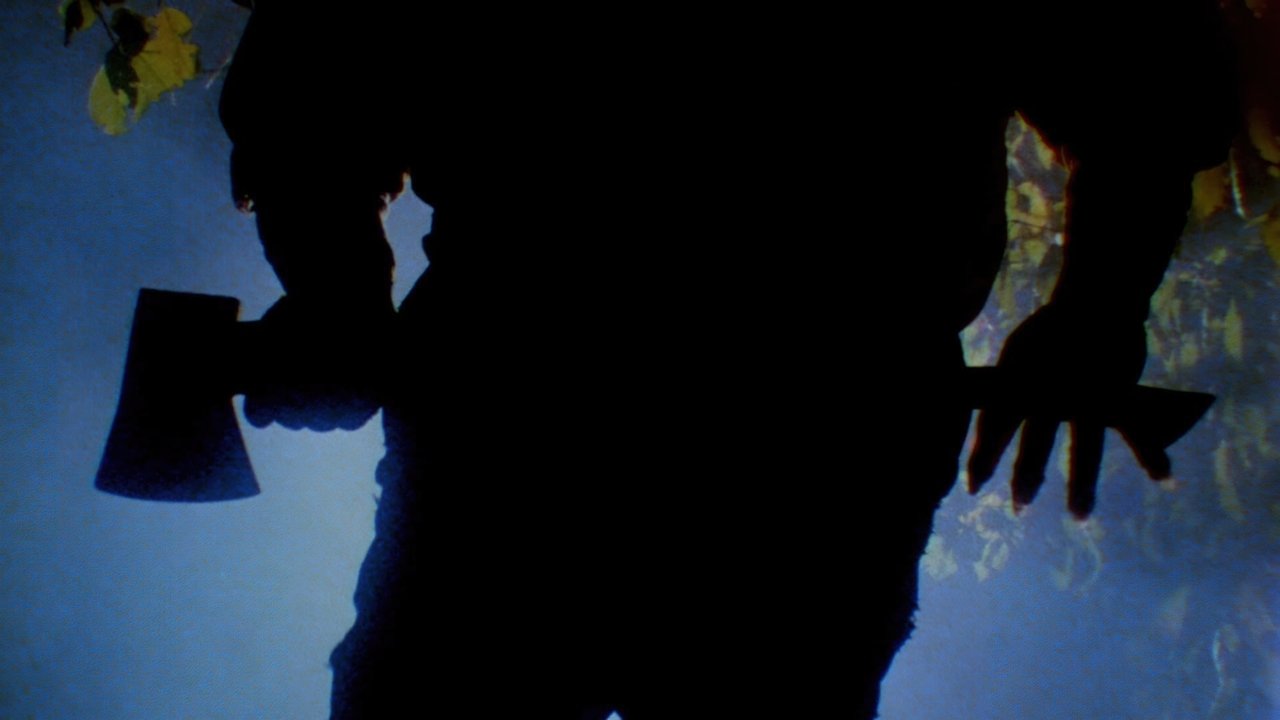
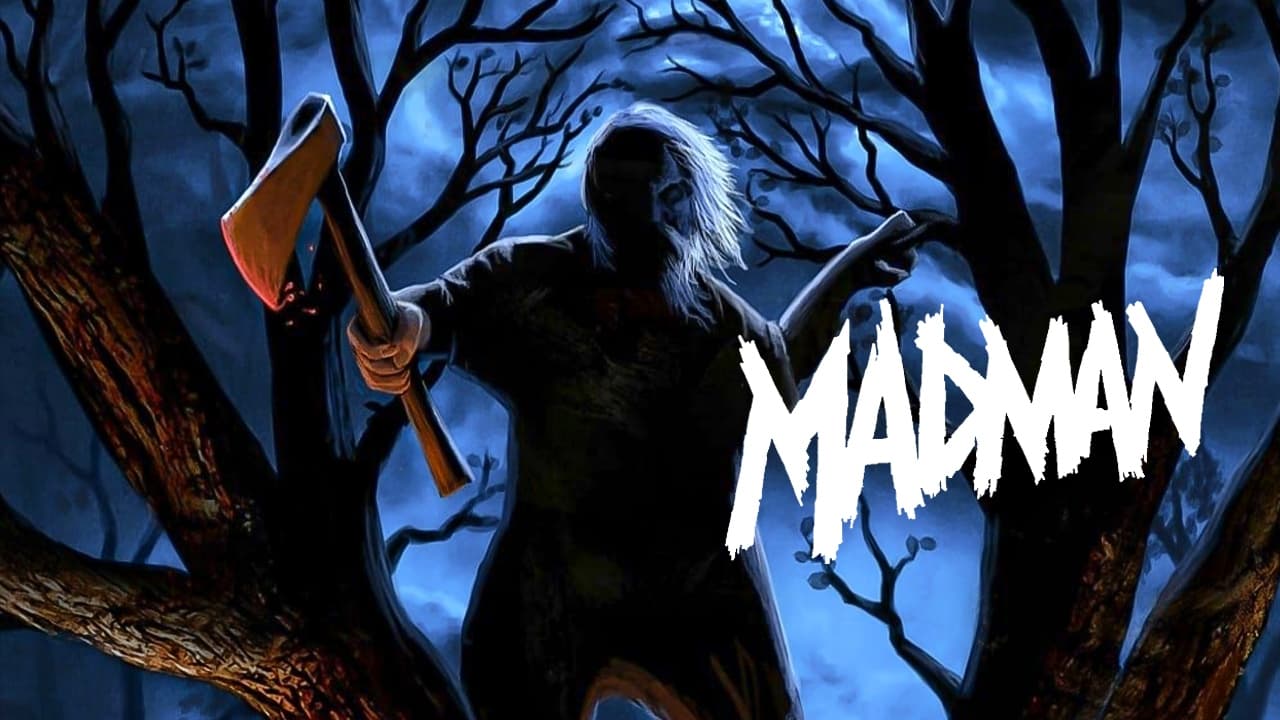
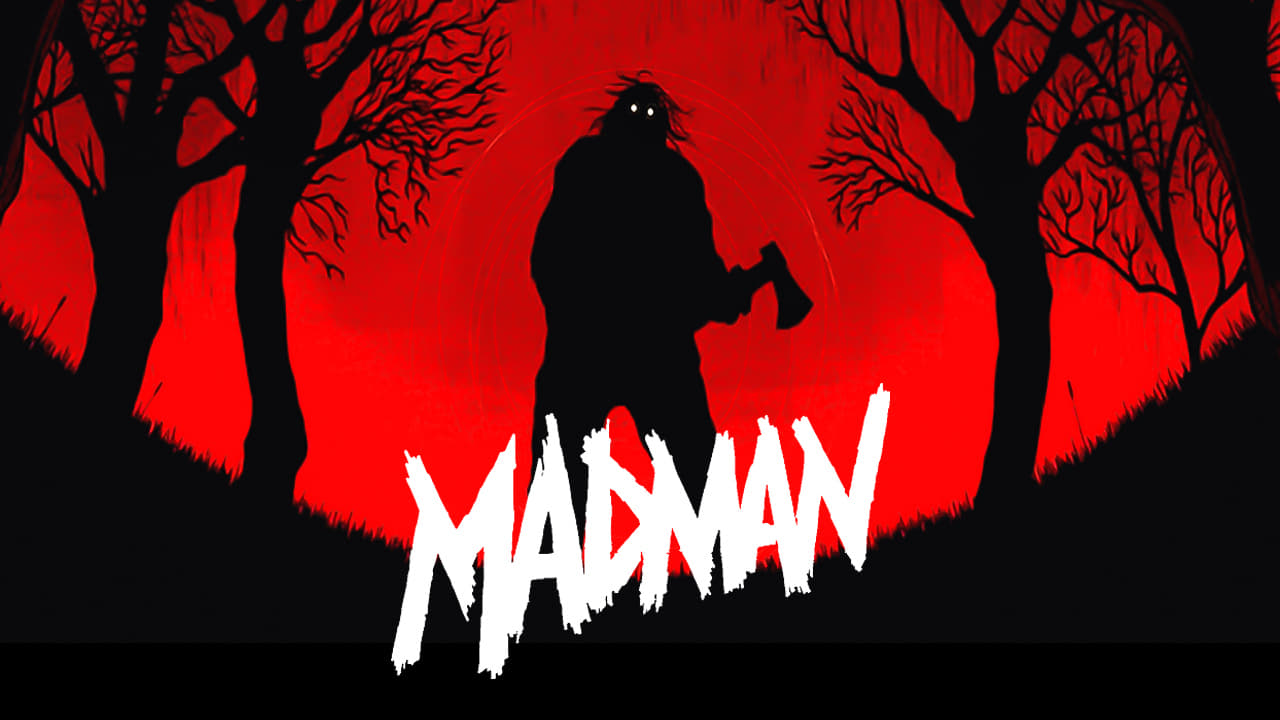
Okay, fellow tapeheads, dim the lights, maybe crack open a Jolt Cola if you’re feeling particularly retro, because tonight we’re digging deep into the dusty archives for a bona fide slice of early 80s campfire dread: Joe Giannone’s Madman (1981). This isn't one of the marquee slashers everyone remembers first, but oh boy, if you stumbled across that lurid VHS cover art back in the day, with that monstrous silhouette and gleaming axe, you knew you were in for something. And Madman delivers a specific, potent brand of spooky woods terror that still resonates.
### Whispers in the Dark (and a Legal Sidestep)
Let's get one fascinating piece of slasher history out of the way right up front, because it perfectly sets the stage for Madman's underdog story. This film originally started life as Madman: The Legend of Cropsey, directly inspired by the same New York urban legend that fueled Tony Maylam's The Burning (also 1981). When Giannone realized Miramax was rushing The Burning into production, a hasty rewrite and name change were needed to avoid a messy legal battle. So, Cropsey became Madman Marz, and a slightly different, but equally chilling, legend was born around the flickering campfire light. It’s a classic example of the sometimes frantic, parallel-thinking world of low-budget horror filmmaking back then – a little nugget that makes watching Madman feel like uncovering a secret history.
The setup is pure, uncut comfort food for slasher fans. A group of counselors and kids are gathered around a campfire at a camp for gifted children (a slightly unusual touch!). Head counselor Max tells the eerie tale of Madman Marz, a local farmer who butchered his family and disappeared into the woods years ago, cursed to kill anyone who dares speak his name above a whisper. Naturally, cocky teen Richie (played by a young Jimmy Steele, credited as Tom Candela) shouts the name, sealing everyone's fate. It’s a simple, effective premise, leaning heavily into that primal fear of what lurks just beyond the firelight. Remember that feeling, watching late at night, maybe through a bit of tracking fuzz, where every shadow in the woods felt menacing? Madman taps right into that.
### Enter Marz: Practical Mayhem Unleashed
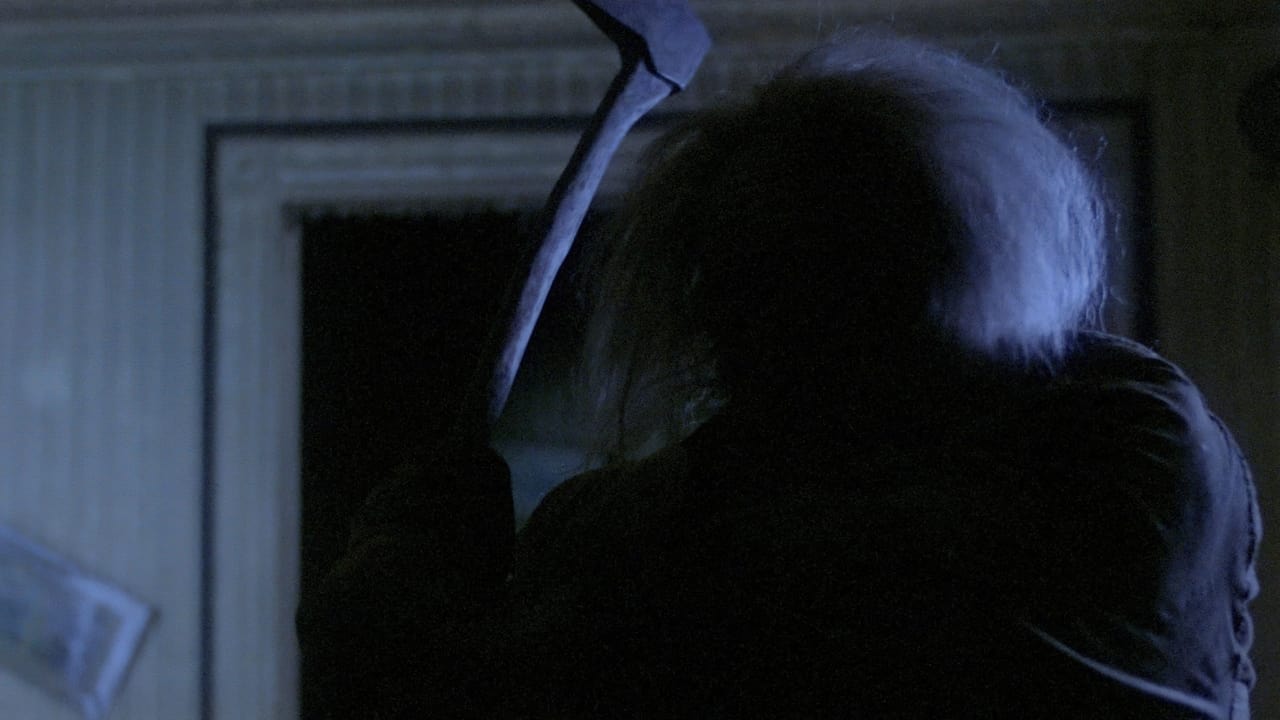
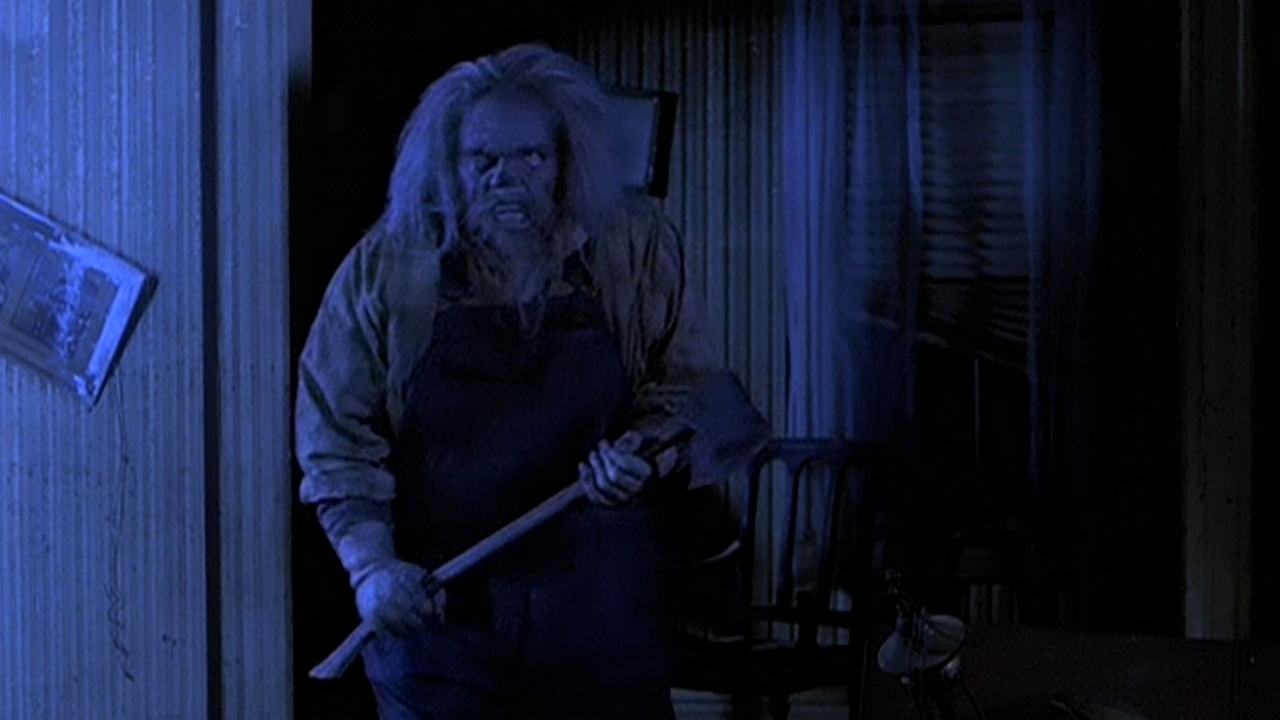
What follows is a slow burn that builds atmosphere effectively before Marz (Paul Ehlers, a graphic designer friend of Giannone’s who brought a genuinely imposing physicality to the role) begins his grim work. And when he does? Hoo boy. This is where Madman earns its cult stripes. Forget slick, CGI-assisted kills. We're talking raw, brutal, practical effects that felt shockingly real on those grainy VHS tapes.
There’s a visceral quality to the violence here that hits differently. Think about that infamous scene with the car hood – the sheer, brutal efficiency of it! Or the axe meeting face with a sickening thud. These weren't seamless digital creations; they were tangible illusions crafted with latex, Karo syrup blood, and committed stunt work. You felt the impact because it looked heavy, messy, and painful. Giannone, working with a modest budget (reportedly around $350,000), clearly put his resources into making these moments count. The effects might look a little dated now if you scrutinize them, sure, but back then? Watching Marz hoist someone up for a hanging, framed against the moonlit trees… that stuff stuck with you. It felt dangerous because, often, the stunts were genuinely risky for the performers involved in that era.
### Counselors in Peril (and a Familiar Face)
The counselors themselves are mostly sketched in familiar slasher archetypes – the horny couple, the final girl, the skeptic – but they serve their purpose. The standout, though, is Betsy, played by Gaylen Ross. If that name sounds familiar, it should – she was the tough-as-nails Fran in George A. Romero's zombie epic Dawn of the Dead (1978). Interestingly, she’s credited here as "Alexis Dubin." The story goes that Ross, wanting to move away from horror after Dawn, took the role but used a pseudonym. It’s a fun bit of trivia, spotting a horror icon slumming it (affectionately speaking!) in a different kind of nightmare. While the dialogue isn't exactly Shakespeare, Ross brings a grounded presence that elevates the material. And let’s give a nod to Tony Fish as the affable, doomed T.P., providing some welcome levity before things get grim.
### Mood, Music, and That VHS Vibe
Beyond the kills, Madman excels at atmosphere. Filmed on location in Fish Cove on Long Island, New York, the deep, dark woods feel genuinely isolating and spooky. Giannone's direction might be straightforward, but he knows how to use the darkness and the rustling leaves to create suspense. Complementing this perfectly is the score by Stephen Horelick. It’s not your typical Carpenter-esque synth score; it’s more experimental, sometimes hauntingly melodic, sometimes jarringly electronic, with whispers and that memorable "Madman Marz" refrain woven in. It’s genuinely unique and adds immeasurably to the film's creepy identity – the kind of score that burrowed into your brain long after the tape finished rewinding.
Madman wasn't exactly a critical darling or a box office smash upon release. Like so many horror gems of the era, it found its true life on home video shelves, passed around between fans, discussed in hushed tones (lest Marz hear!). It slowly built a reputation as one of the more effective and atmospheric non-franchise slashers of the early 80s.
---
VHS Heaven Rating: 7/10
Justification: While the pacing occasionally drags and some performances are strictly B-movie level, Madman scores high on pure, unadulterated early 80s slasher atmosphere. The practical gore effects are memorably brutal for their time, Paul Ehlers makes for an imposing villain, Gaylen Ross adds a touch of class, and Stephen Horelick's score is a creepy classic. It perfectly captures that "terror in the woods" vibe that defined so many video store nightmares.
Final Take: Forget the polished slashers that came later; Madman is the grimy, slightly off-kilter campfire story whispered on a worn-out tape, and its rough edges are precisely what make it endure as a cult favorite worth tracking down. Just maybe don't say his name too loud while you watch.