The familiar Warner Bros. shield fades, the synth score kicks in, and the title card appears: A Return to Salem's Lot. For anyone who’d shivered through the genuinely terrifying 1979 Tobe Hooper miniseries, based on Stephen King’s chilling novel, this 1987 theatrical follow-up promised more window-tapping vampires and small-town dread. You slide the tape into the VCR, the lights dim... and then Larry Cohen happens. What unfolds isn't quite the return journey you might have expected; it's a detour into a territory far stranger, more satirical, and unsettling in a completely different way.
### Not Quite King's Country Anymore
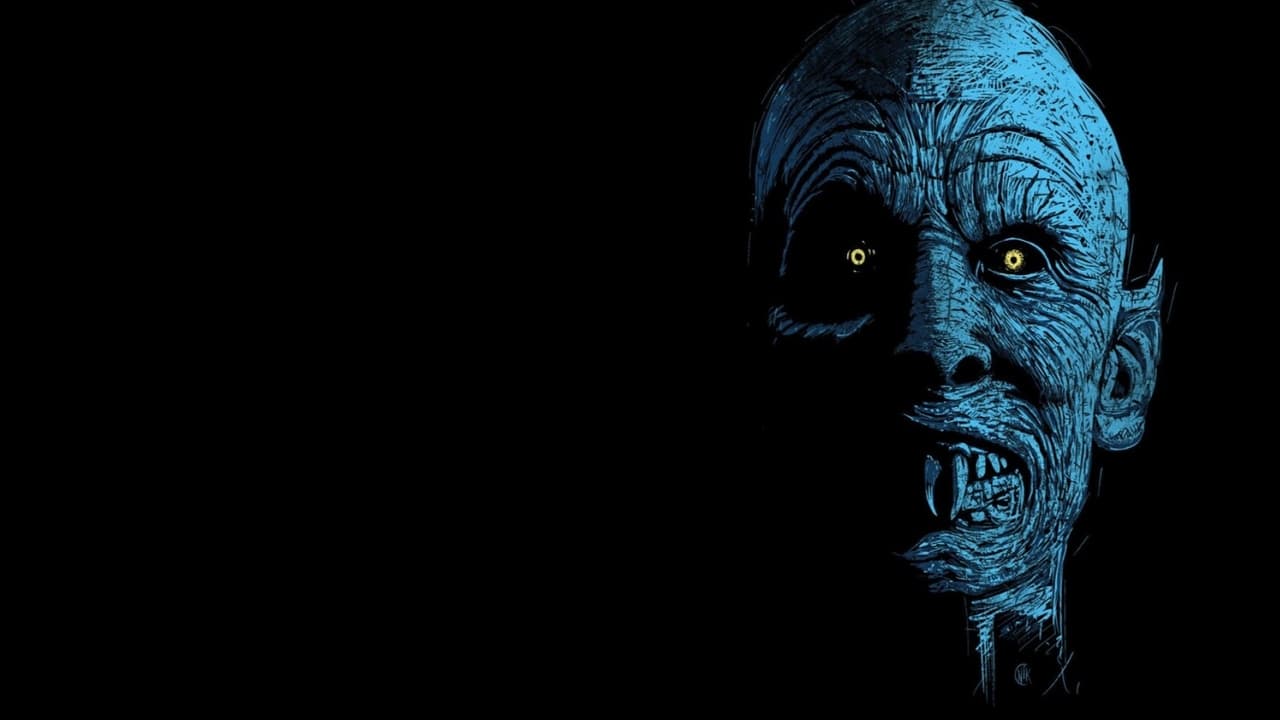
Forget the slow-burn horror of the original. Cohen, the maverick mind behind cult classics like Q: The Winged Serpent (1982) and The Stuff (1985), takes the Salem's Lot name and runs in a wildly different direction. The setup involves Joe Weber (Michael Moriarty, a frequent Cohen collaborator delivering another wonderfully eccentric performance), an anthropologist specializing in documenting primitive cultures, who finds himself unexpectedly inheriting the ancestral home in Maine. He brings along his deeply troubled teenage son, Jeremy (Ricky Addison Reed), hoping for a fresh start. What they find isn't just a quiet New England town; it's Jerusalem's Lot, a community populated almost entirely by vampires who have decided to integrate rather than merely prey. These aren't feral creatures of the night; they're... well, they're basically undead, blood-drinking Yankees preserving their twisted version of the American dream. It’s less about primal fear and more about a chillingly absurd social commentary.
### Cohen's Creatures and Moriarty's Method
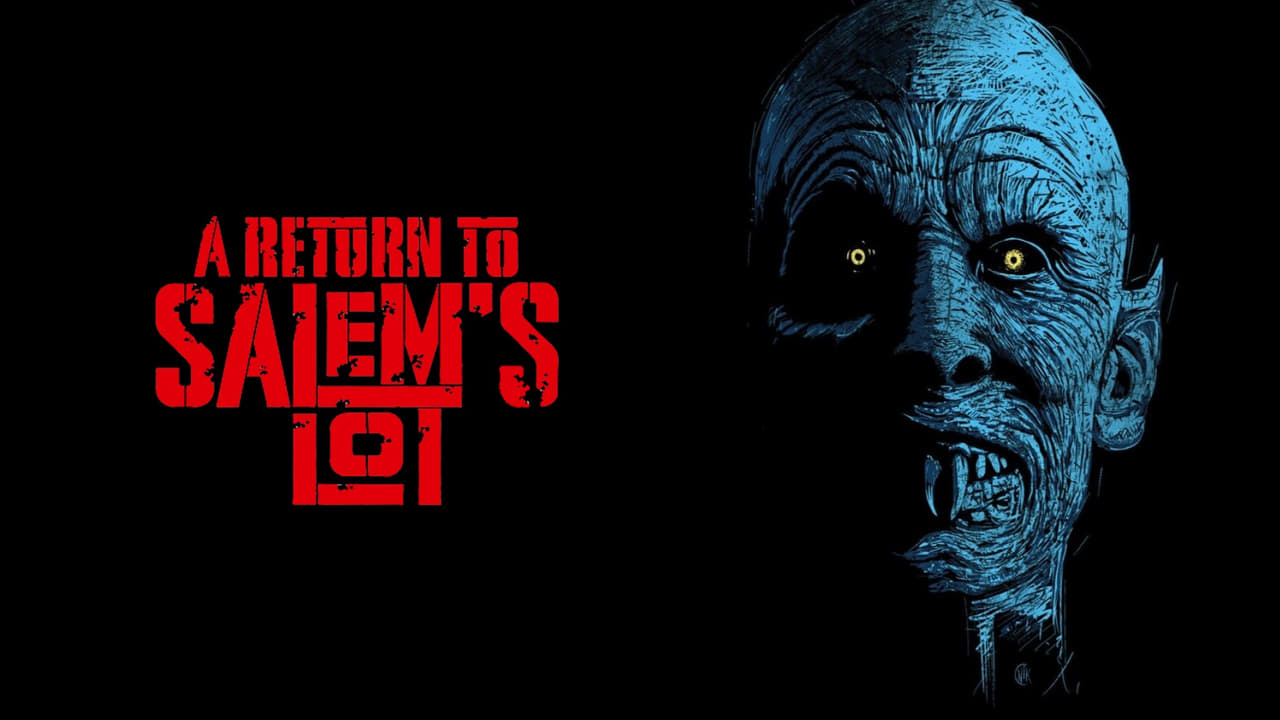
The vampires of A Return to Salem's Lot are presented with Cohen's signature blend of horror and social satire. Led by the seemingly benevolent Judge Axel (Andrew Duggan), they view vampirism as a condition, a heritage, even a form of exclusive club membership. They need fresh blood, sure, but they also worry about property values and maintaining appearances. They commission Joe Weber to write their "bible," to chronicle their history and perhaps sanitize their image for the modern world. Michael Moriarty navigates this bizarre setup with a captivatingly off-kilter performance. His line readings are unpredictable, his reactions often delayed or strangely emphasized, creating a character who feels perpetually caught between bemusement and mortal terror. It's a performance that perfectly matches the film's own peculiar frequency. You're never quite sure if Joe is processing the horror or just rolling with the sheer weirdness of it all, much like the audience itself.
### Enter: Van Helsing, By Way of Fuller
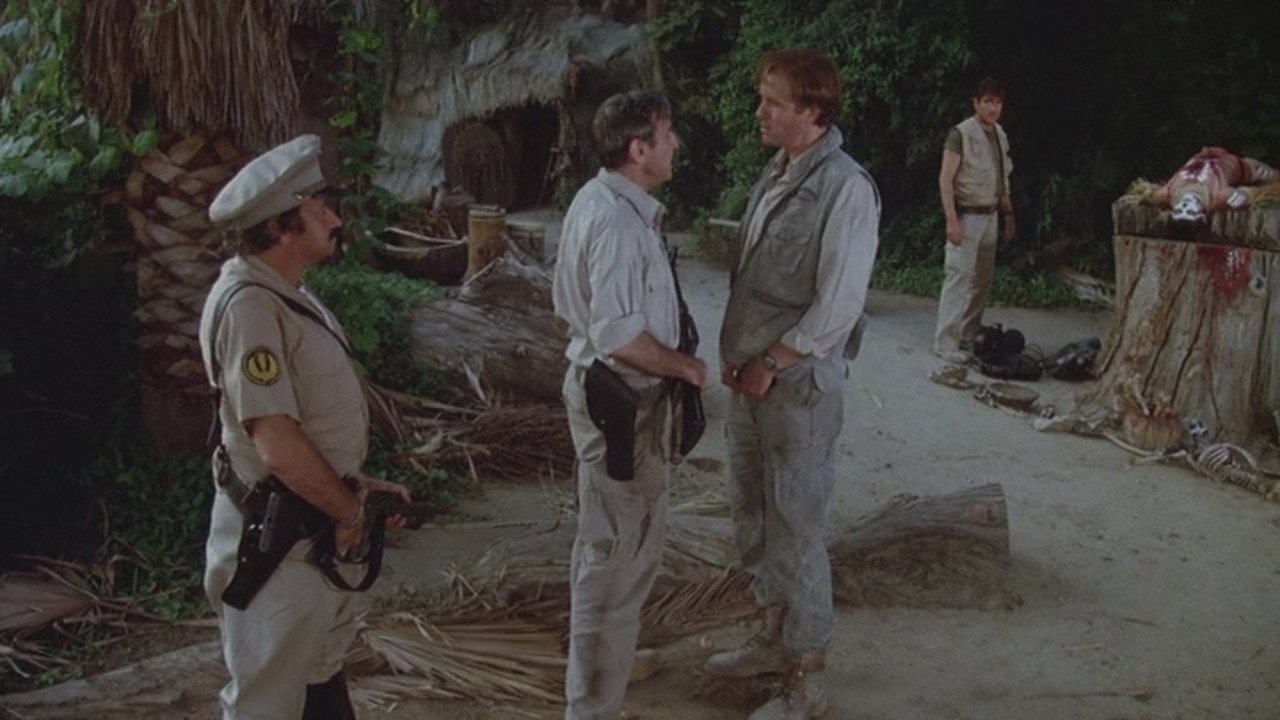
Just when you think things can't get any stranger, enter Samuel Fuller. Yes, the legendary, cigar-chomping director of hard-hitting films like Shock Corridor (1963) and The Big Red One (1980) appears as Van Meer, a grizzled, gun-toting Nazi hunter who stumbles upon the vampire nest. Fuller brings an incredible, raw energy to the role, chewing scenery and barking lines with undeniable authority. Reportedly, Cohen cast Fuller partly out of admiration and partly because he knew the veteran filmmaker wouldn't be intimidated by the low budget or guerrilla style. Legend has it Fuller rewrote some of his own dialogue and was a forceful presence on set, adding another layer of unpredictable energy to an already unconventional film. His scenes with Moriarty are a fascinating clash of acting styles, adding a jolt of pulpy action amidst the satire.
### Vermont Gothic and Guerrilla Filmmaking
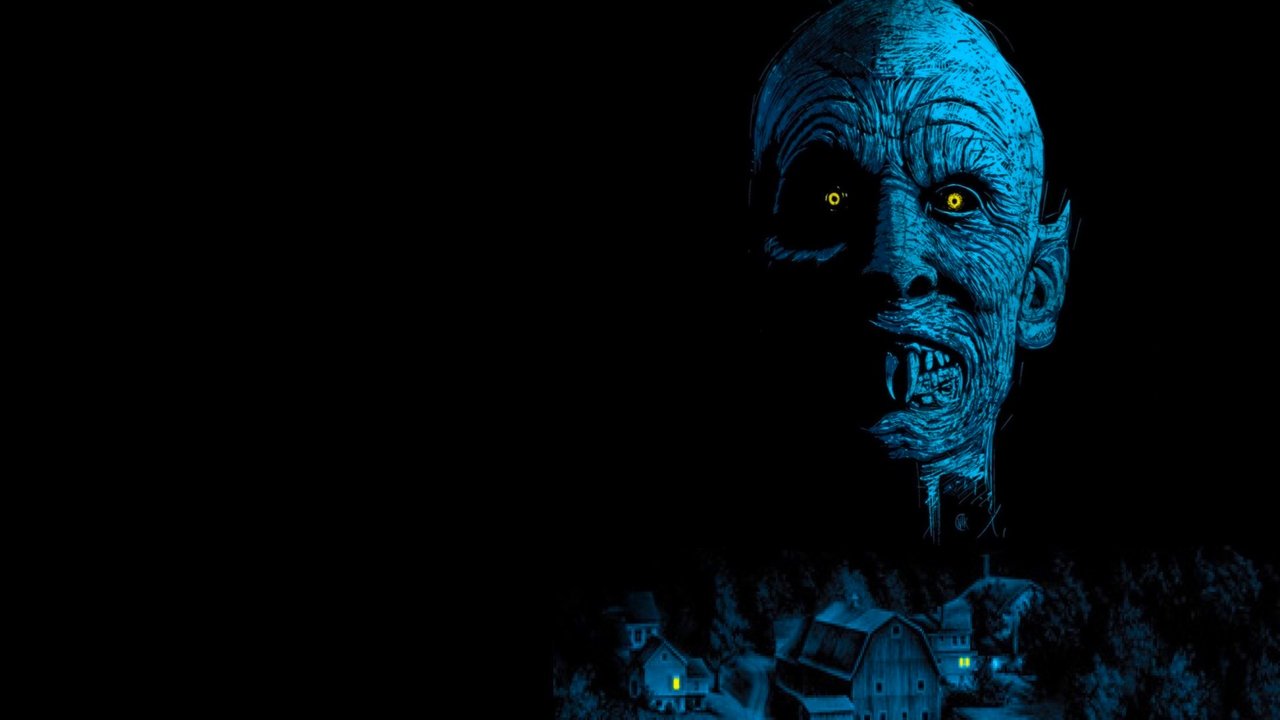
Despite the Maine setting, much of the film was shot on location in Vermont, capturing a specific kind of New England quaintness that Cohen expertly twists into something sinister. The bright, sunny days feel somehow more threatening than perpetual night, highlighting the vampires' integration into normalcy. Cohen's well-known knack for making the most of limited resources is evident. While it lacks the slick production values of major studio horror, there's an undeniable atmosphere – a blend of mundane small-town life and underlying vampiric menace. Practical effects are used sparingly, focusing more on the unsettling concept than graphic gore. This wasn't a film trying to replicate the chilling visuals of the original Barlow; it was aiming for a different kind of discomfort – the creepiness of discovering the monsters are just folks, albeit folks with a terrible secret and a thirst for blood. This low-budget ($3 million, roughly $8 million today) approach sometimes shows its seams, but it also contributes to the film’s quirky, off-the-cuff charm.
### Retro Fun Facts Unearthed
- No King Required: Stephen King had no involvement with this sequel, which explains its radical departure in tone and mythology from his novel and the original miniseries. Warner Bros. simply owned the rights to the title.
- Cohen's Pitch: Cohen reportedly pitched the film as vampires trying to assimilate into Reagan-era America, using the premise to satirize conservative values and hypocrisy.
- Moriarty's Jazz: Michael Moriarty, also an accomplished jazz pianist, often brought a musical, improvisational quality to his collaborations with Cohen, contributing to his unique screen presence.
- Critical Chill: Upon release, A Return to Salem's Lot was met with largely negative reviews, with many critics baffled by its tone and finding it a poor successor to the beloved miniseries. Its cult status grew later, particularly among Cohen aficionados.
### A Strange Brew Best Served Cold
So, does A Return to Salem's Lot work? As a straight horror film or a faithful sequel, absolutely not. It lacks the genuine scares and gothic atmosphere of Hooper's original. But judged on its own terms – as a Larry Cohen joint, a bizarre satirical horror-comedy packed with eccentric performances and odd ideas – it possesses a unique, unsettling charm. It’s the kind of film you stumble upon late at night on a dusty VHS tape and find yourself strangely compelled by its sheer audacity. It dares to be different, even if that difference is profoundly weird. Doesn't that central idea – vampires worrying about their history being written correctly – still feel unnervingly strange?
Rating: 6/10
Justification: The score reflects the film's polarizing nature. It's undeniably flawed, with pacing issues and a tone that won't click for everyone expecting traditional horror. However, it earns points for its sheer originality, Michael Moriarty's captivatingly weird performance, Samuel Fuller's powerhouse cameo, and Larry Cohen's signature satirical bite. It fails as a Salem's Lot sequel but succeeds as a uniquely bizarre artifact of 80s cult cinema.
Final Thought: A Return to Salem's Lot might be the black sheep of the Salem's Lot family, but for fans of Larry Cohen's peculiar brand of filmmaking or those seeking a vampire movie that trades terror for unnerving eccentricity, it remains a fascinating, if flawed, VHS curiosity worth digging up.