There's a certain kind of damp chill that settles in your bones after watching Glengarry Glen Ross. It’s not just the perpetual rain slicking the Chicago streets outside the windows of Premiere Properties; it’s the icy desperation emanating from the screen, a feeling that clings long after the credits roll. This isn't a film you watch for comfort. Released in 1992, it arrived like a stark, profane corrective to the lingering excesses of the 80s, stripping bare the savage heart of the American Dream and leaving its characters shivering in the cold light of failure. I remember renting this one, the stark cover art promising something intense, and it delivered – perhaps more than my teenage self was ready for.
Always Be Closing
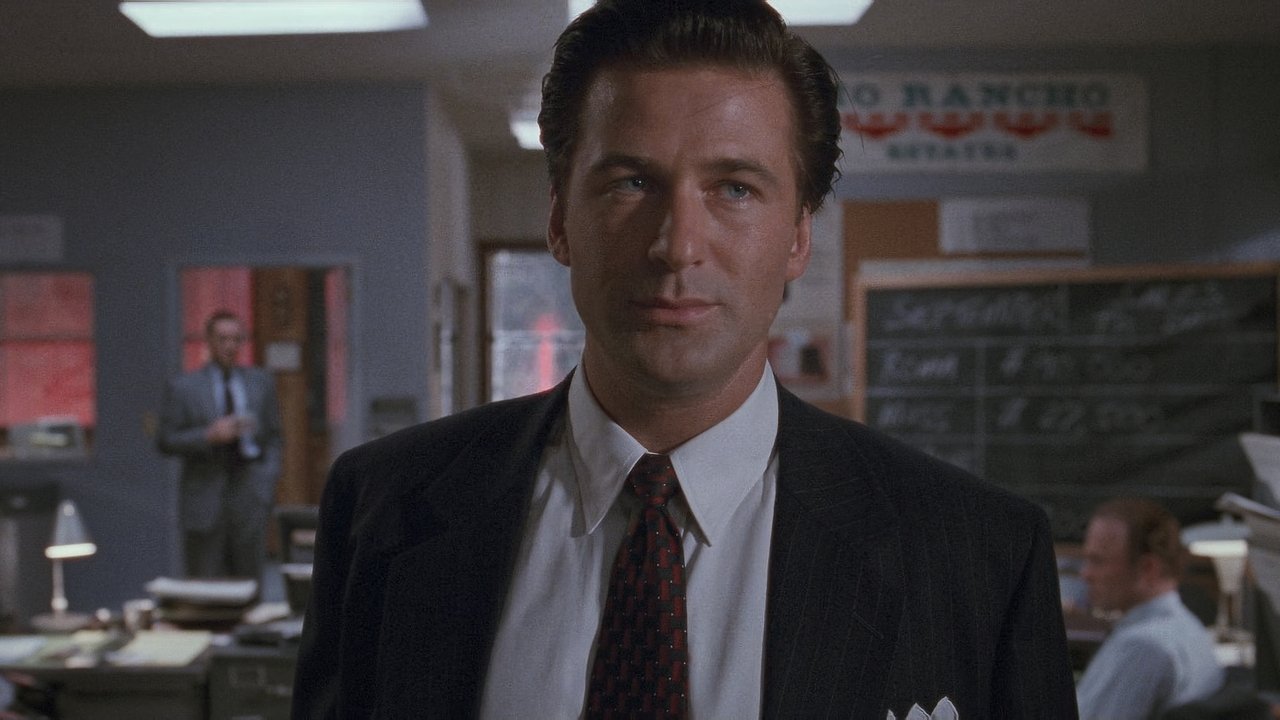
Based on David Mamet's Pulitzer Prize-winning play, the premise is brutally simple: a group of beleaguered real estate salesmen are pitted against each other in a high-stakes contest. The prize for the top sellers? Continued employment and access to the "good leads" – the Glengarry leads. The prize for everyone else? Termination. Overseeing this pressure cooker is the detached office manager Williamson (Kevin Spacey, perfectly embodying bureaucratic indifference years before his Oscar-winning turn in The Usual Suspects (1995)), but the immediate catalyst for the film's central tension arrives in a blistering monologue delivered by Blake, a character famously not in the original play but added by Mamet for the film adaptation. Played with terrifying, coiled fury by Alec Baldwin (then known for more approachable roles like in Beetlejuice (1988) or The Hunt for Red October (1990)), Blake descends like a wrathful god, laying down the law with infamous lines like "Coffee's for closers only" and brandishing the ultimate motivator: fear. It's a scene seared into cinematic memory, a masterclass in verbal evisceration that sets the stakes impossibly high.
The Sound of Desperation
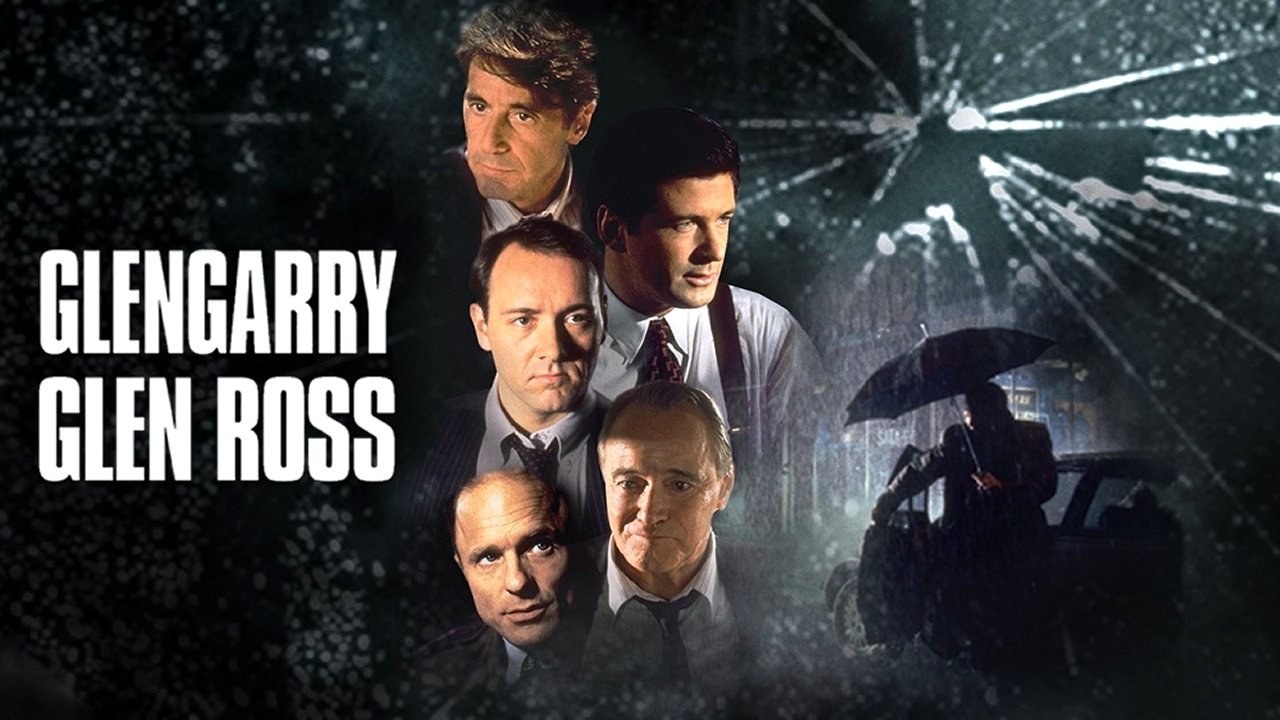
What truly distinguishes Glengarry Glen Ross is Mamet's legendary dialogue. It's a language unto itself – rhythmic, repetitive, overlapping, laced with profanity that feels less like shock value and more like the exhausted punctuation marks of broken men. The words are weapons, shields, desperate pleas disguised as bravado. Director James Foley (At Close Range (1986)), tasked with translating this stage-bound intensity to the screen, wisely keeps the focus tight. He traps us in the claustrophobic office, the dimly lit Chinese restaurant, the pouring rain outside the windows serving as a constant visual metaphor for the drowning feeling consuming these salesmen. Foley knew the power was in the words and the faces delivering them. The film reportedly cost around $12.5 million to make and, perhaps reflecting the grim subject matter, barely recouped that at the box office initially ($10.7 million). Its true life began, fittingly for VHS Heaven, on home video, where audiences could fully absorb the relentless performances.
A Cast Firing on All Cylinders
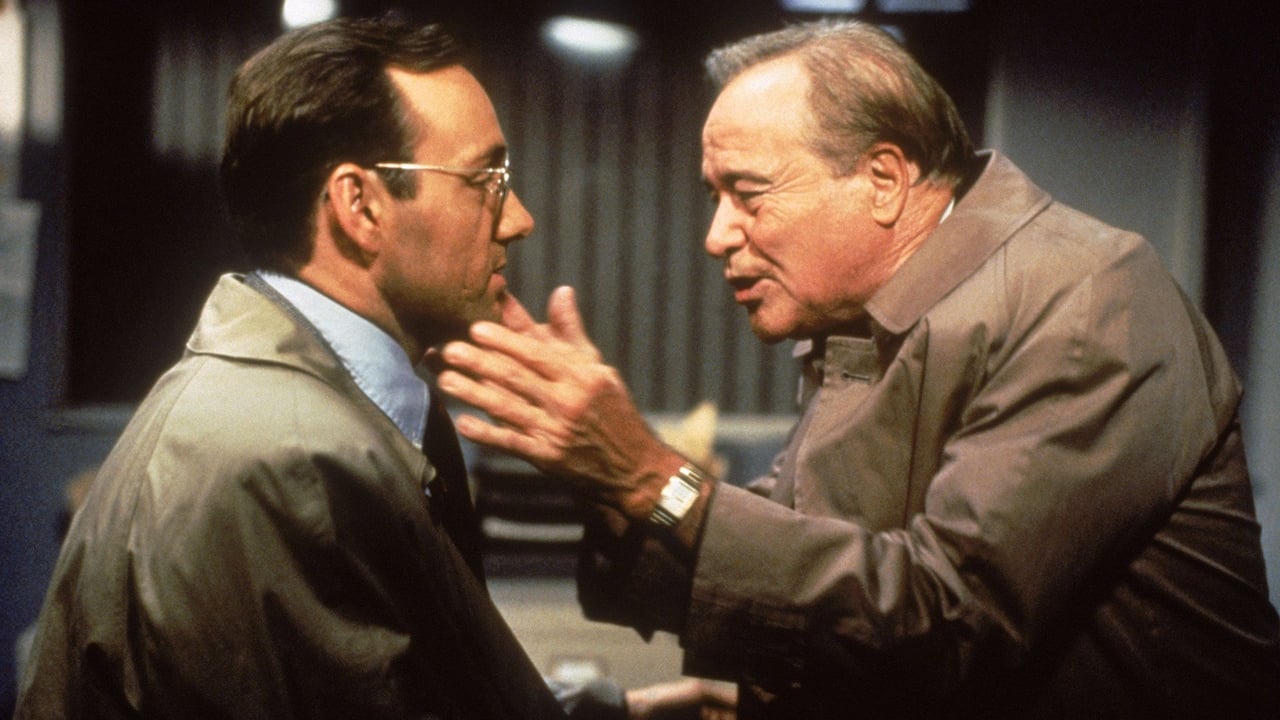
And what performances they are. This is an actor's showcase, a murderer's row delivering some of their finest work. At the heart of it is Jack Lemmon as Shelley "The Machine" Levene. Lemmon, a screen legend known for comedic timing (Some Like It Hot (1959)) and relatable pathos (The Apartment (1960)), reportedly pursued this role vigorously, and it’s easy to see why. His Levene is a portrait of heartbreaking decline – a once-great salesman clinging desperately to past glories, his bravado paper-thin, his every gesture radiating anxiety and a bone-deep weariness. His eventual, fragile moment of triumph is almost unbearable to watch, knowing the inevitable fall that awaits. It’s a performance of raw, exposed nerves.
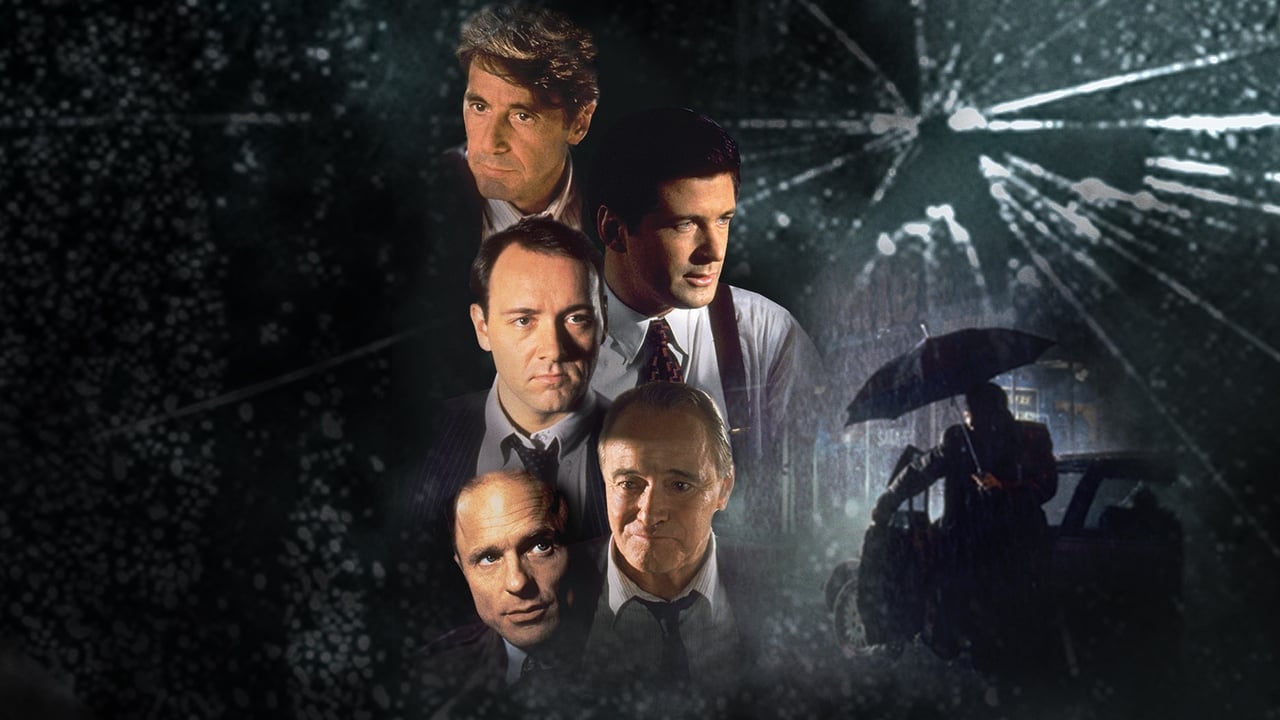
Contrasting Lemmon's desperation is Al Pacino's slick, serpentine Ricky Roma. Fresh off his Oscar win for Scent of a Woman (1992) and already iconic for roles like Michael Corleone in The Godfather (1972), Pacino embodies the successful predator. Roma is charming, manipulative, almost hypnotic in his sales pitch to the meek James Lingk (Jonathan Pryce). He understands the game, playing it with a confidence the others can only dream of, yet even his success feels brittle, built on a foundation of deceit. Pacino earned a well-deserved Supporting Actor nomination for this turn.
The ensemble is uniformly brilliant. Ed Harris (The Right Stuff (1983)) simmers with barely contained rage as Dave Moss, the architect of a desperate plan born of resentment. Alan Arkin (Catch-22 (1970)) fidgets and worries as George Aaronow, perpetually caught in the crossfire, embodying the paralysis of fear. Even Spacey's Williamson, the seemingly minor functionary, wields his small measure of power with chilling precision. Each actor gets their moment, contributing to the suffocating atmosphere of paranoia and professional decay.
More Than Just a Sales Pitch
Watching Glengarry Glen Ross today, decades after its release, its themes feel depressingly timeless. It’s a savage indictment of a system that values profit above all else, chewing up and spitting out those who can no longer produce. What does it mean to be a man in a world defined by commission checks and closing deals? How much humanity is sacrificed at the altar of the sale? The film doesn't offer easy answers; it simply presents this bleak reality, forcing us to confront the uncomfortable truths about ambition, competition, and the corrosive effects of desperation. There's a profound irony in Blake's hyper-masculine motivational speech ultimately driving these men not to succeed, but to commit acts of profound ethical failure. It’s a stark reminder of the potential poison in unchecked capitalism.
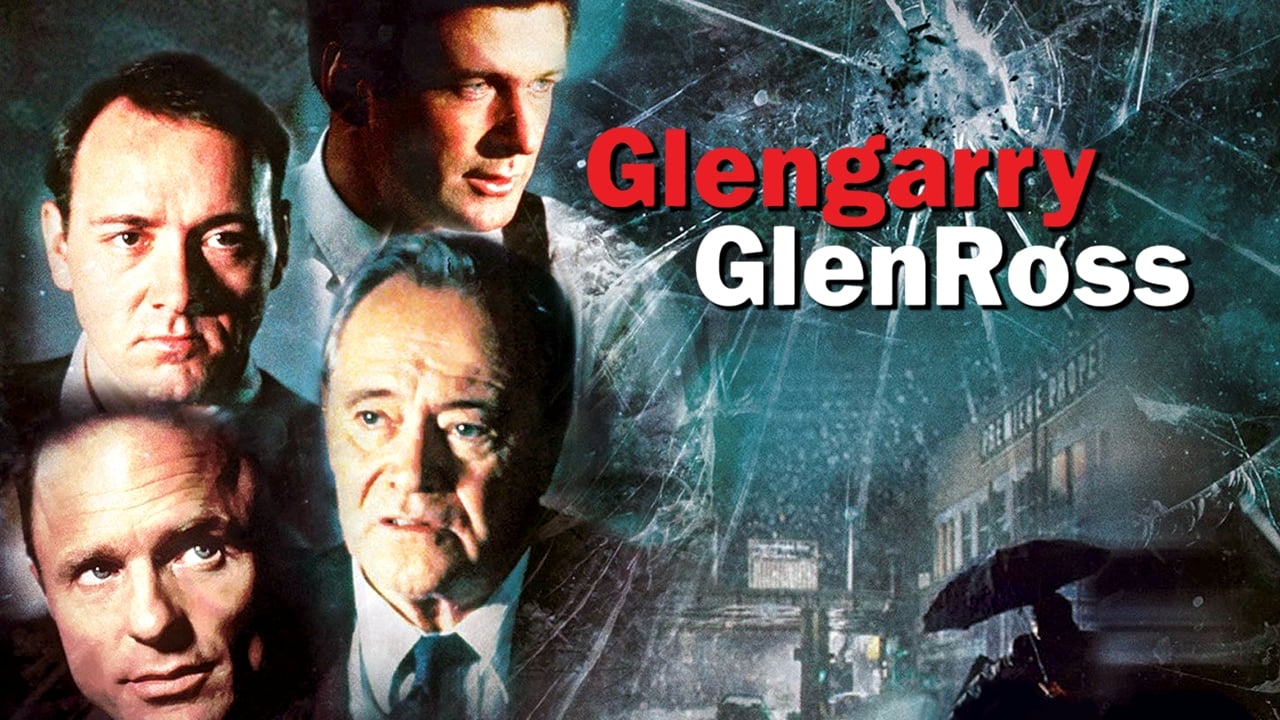
Rating: 9/10
Glengarry Glen Ross is not an easy watch, but it is an essential one. It’s a masterwork of dialogue, performance, and suffocating atmosphere. The ensemble cast delivers career-highlight work, breathing fiery, desperate life into Mamet’s acidic script. While its initial box office was modest, its power has only grown over time, solidifying its status as a modern classic and a chillingly relevant commentary. It stands as a testament to the power of character-driven drama, a film that leaves you pondering the price of success long after the VCR has clicked off.
What lingers most isn't just the rain or the anger, but the profound, almost unbearable sadness beneath the bluster – the quiet tragedy of men realizing the game is rigged, and they're losing.