There's a particular flavour of unease that lingers long after the static fuzzes over the end credits, isn't there? It's not the jump-scare jolt of pure horror, nor the gut-punch of tragedy, but something quieter, more insidious. It's the feeling left by Nanni Moretti's 1984 curiosity, Bianca, a film that wears the guise of quirky comedy and romance, only to slowly reveal the unsettling void beneath. It's a film that might have lurked in the 'Foreign Language' section of the video store, promising something different, and delivering precisely that – a peculiar, unforgettable blend of satire, psychological study, and creeping dread.
### Order Above All Else
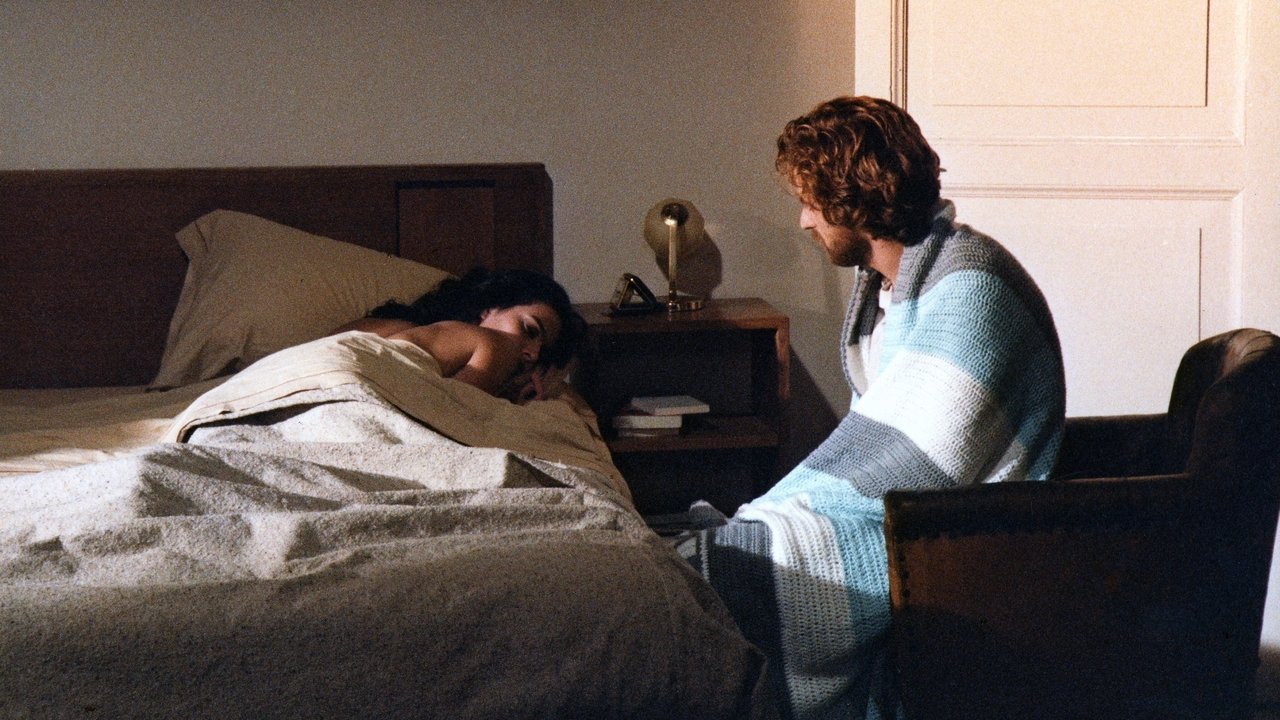
At the heart of Bianca is Michele Apicella, portrayed with unnerving precision by Moretti himself. Michele is a mathematics teacher newly arrived at the bizarrely progressive Marilyn Monroe High School – a place seemingly designed to provoke his rigid sensibilities. He's a man obsessed with order, patterns, and the perceived perfection of established relationships. He spies on his neighbours, meticulously documents their lives, and judges their couplings with an almost clinical detachment. His mantra seems to be stability, consistency, permanence – qualities tragically absent in the messy reality of human connection. Does this obsessive need for control mask something deeper, something far more fractured?
Moretti, who also co-wrote and directed, plays Michele not as a caricature, but as a disturbingly plausible extension of anxieties many of us might recognize, albeit amplified to a pathological degree. This wasn't the first time Moretti inhabited the skin of Michele Apicella; the character appeared in earlier films like Ecce Bombo (1978) and Sogni d'oro (1981), often serving as Moretti's neurotic, intellectual alter ego, a vehicle for his sharp observations on Italian society. In Bianca, however, Apicella takes a darker, more ambiguous turn. His fastidiousness – his compulsion to categorize everything, right down to his bizarre collection of shoes belonging to people he observes – starts to feel less like eccentricity and more like a dangerous compulsion.
### When Comedy Meets Disquiet
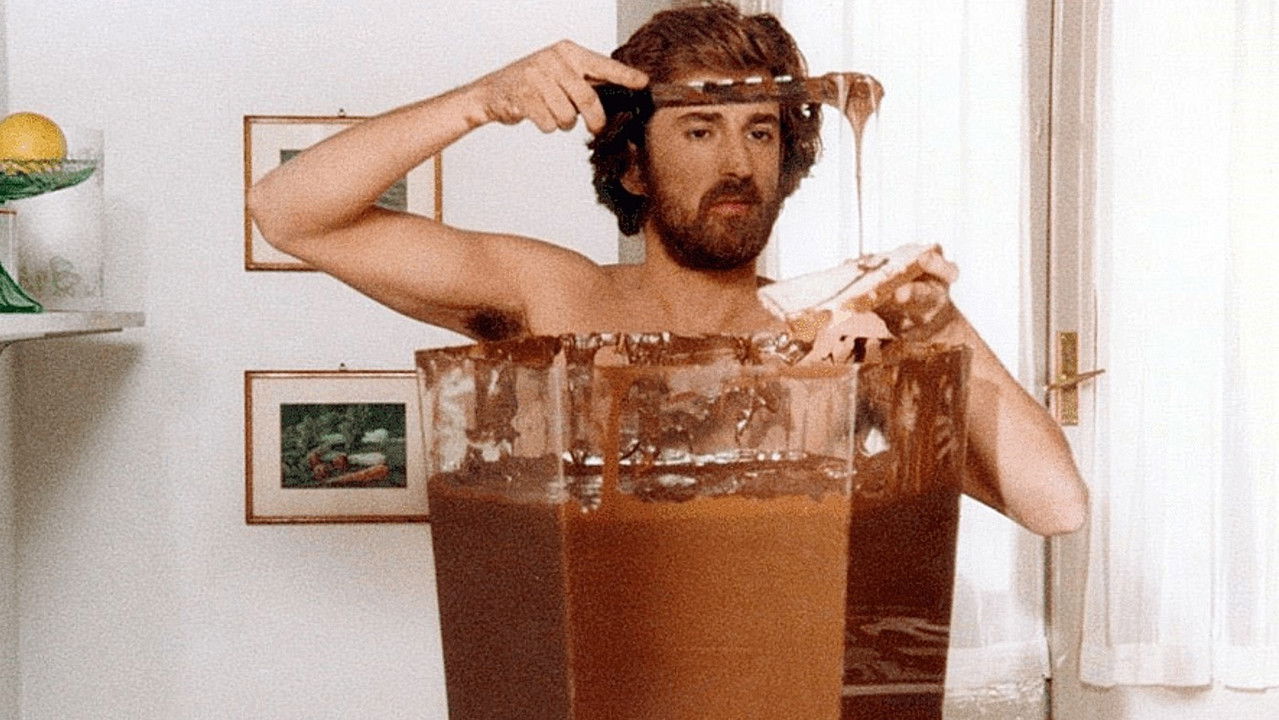
The film cleverly uses the backdrop of the avant-garde high school for satirical effect. Teachers encourage students to express their base desires, classes dissolve into chaotic therapy sessions – it’s a hilarious send-up of certain educational philosophies prevalent at the time. This comedic layer makes Michele's internal rigidity stand out even more starkly. Yet, beneath the laughs, a chilling mystery unfolds. A neighbour is murdered, then another acquaintance. Michele, with his odd behaviour, prying habits, and proximity to the victims, inevitably falls under suspicion.
The brilliance of Moretti’s approach lies in how seamlessly he blends these disparate tones. One moment, we're chuckling at the absurdity of the school or Michele's deadpan pronouncements; the next, a profound sense of unease settles in. The mystery element isn't a traditional whodunit; its purpose feels less about solving a crime and more about exploring the protagonist's fragmenting psyche. We are drawn into Michele's perspective, forced to question whether his quest for order is a defense mechanism or the very source of the chaos surrounding him.

### The Elusive Bianca
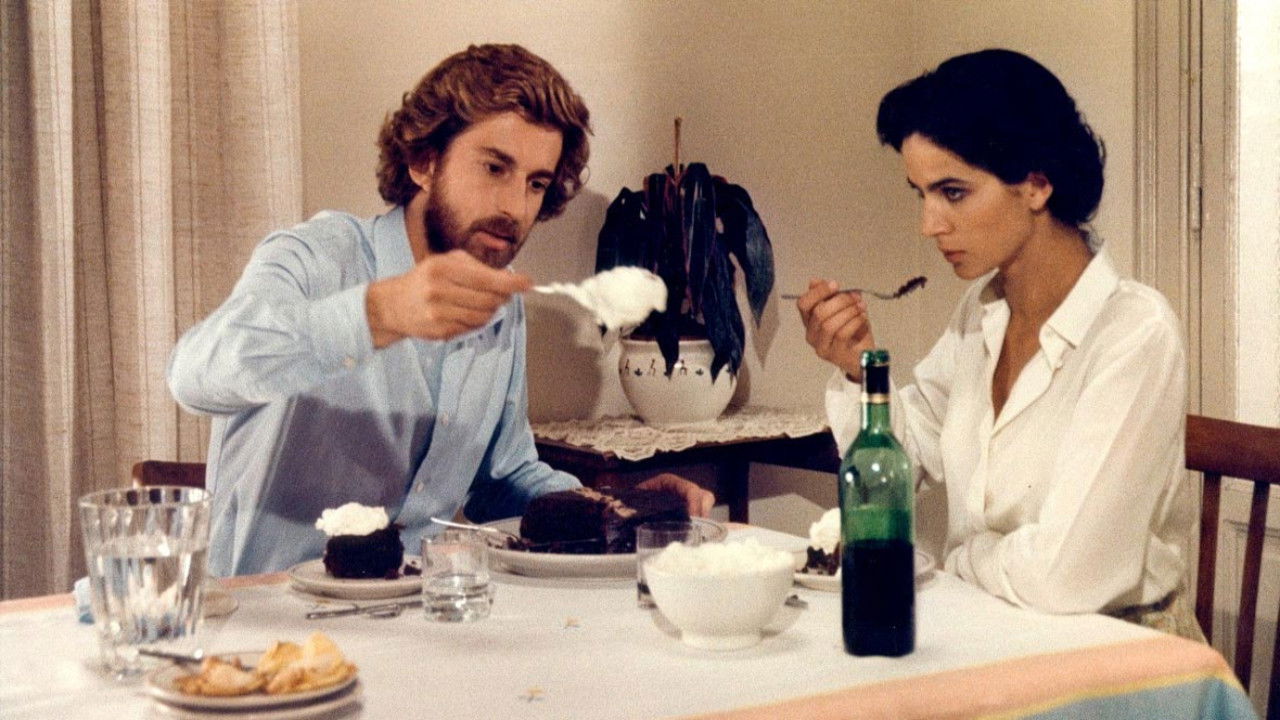
Into this meticulously ordered, yet increasingly fractured world steps Bianca, played with captivating warmth and naturalism by Laura Morante. She’s a French teacher at the school, embodying an emotional openness and vulnerability that both attracts and terrifies Michele. Their burgeoning relationship forms the film's emotional core, a tentative dance between connection and Michele’s deep-seated fear of intimacy's imperfections. Morante, who would later work with Moretti again in his Palme d'Or winner The Son's Room (2001), provides the essential counterpoint to Michele's coldness. Can her genuine affection penetrate his self-imposed barriers? Or will his obsession with idealized perfection inevitably poison this chance for happiness too?
### Moretti's Methodical Strangeness
Watching Bianca today, it feels distinctly European, distinctly Moretti. The pacing is deliberate, allowing scenes to breathe and Michele’s oddities to accumulate. There aren't grand action set pieces or dazzling special effects; the film's power lies in its atmosphere, its sharp dialogue, and Moretti's utterly committed central performance. It’s a film constructed from small, telling details – the way Michele arranges objects, his clipped delivery, the slight widening of his eyes when observing a perceived infraction against his rigid code. It requires a certain patience, rewarding viewers who are willing to engage with its intellectual puzzles and psychological depths. It’s fascinating to note that while perhaps not a massive hit in the Anglosphere upon release, its critical standing, particularly in Italy and France, cemented Moretti's reputation as a unique voice. It wasn't designed for multiplex consumption; it felt like a personal statement smuggled inside a genre film.
This film wasn't one you rented for a casual Friday night popcorn fest. It was the tape you picked up when you felt adventurous, curious about cinema beyond Hollywood's borders. It stuck with you, not necessarily for its plot twists, but for the unsettling portrait it painted of a mind desperately seeking control in a world defined by chaos.
***
Rating: 8/10
Bianca earns its high marks for its singular vision, its masterful blend of dark comedy and psychological tension, and Nanni Moretti's unforgettable performance as the obsessive Michele Apicella. It’s a challenging, intelligent film that uses its quirky premise and murder mystery framework to explore profound anxieties about connection, control, and the terrifying fragility of human relationships. While its deliberate pace and specific cultural satire might not connect with everyone, its unsettling power and Laura Morante's luminous presence make it a standout piece of 80s Italian cinema.
What remains long after viewing is the chilling ambiguity surrounding Michele – a character who embodies the unsettling thought that the pursuit of absolute order can itself become the ultimate form of madness.