It’s a strange kind of homecoming, isn't it? The one where you return expecting continuity, perhaps a comforting sameness, only to find the landscape of your past irrevocably altered. That’s the unsettling terrain Nanni Moretti navigates, both in front of and behind the camera, in his poignant 1985 film, The Mass Is Ended (La messa è finita). Watching it again, decades later, evokes not just memories of discovering thoughtful European cinema tucked away in the 'World Films' section of the video store, but a renewed appreciation for its quiet power and unresolved questions.
A Shepherd Returns to a Scattered Flock
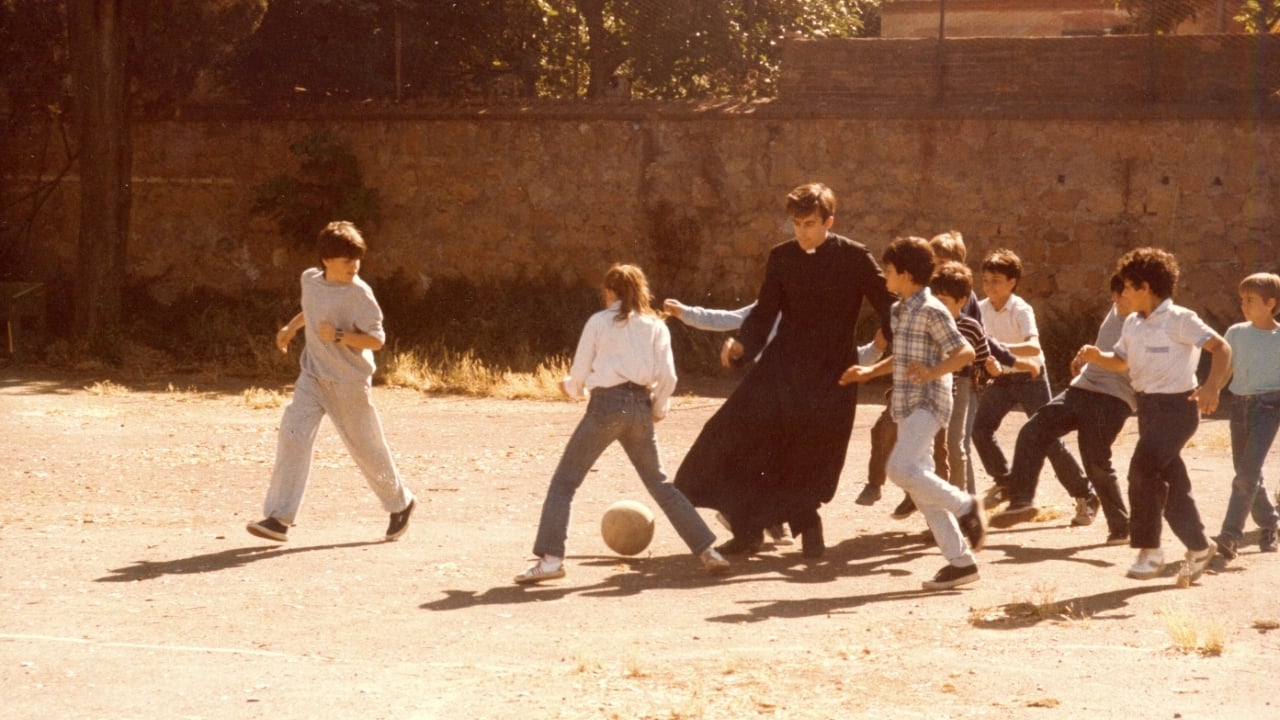
Moretti plays Don Giulio, a young priest who, after years away, requests a transfer back to his home parish in Rome. He arrives full of earnest intention, ready to reconnect with his roots, his family, his childhood friends, and the community he left behind. What he finds, however, isn't the nostalgic embrace he perhaps envisioned. His parents are separating after decades of marriage, his father (Ferruccio De Ceresa, embodying a weary disillusionment) embarking on a late-life affair. His sister is pregnant and contemplating an abortion. His old friends are grappling with their own profound crises – one (Marco Messeri, giving a painfully vulnerable performance) battles severe depression following a relationship breakup, another is ensnared in radical politics verging on terrorism, yet another struggles with integrating into conventional society after past activism.
The church itself feels hollowed out, the congregation sparse, the rituals seemingly disconnected from the messy, urgent problems unfolding just outside its doors. Don Giulio tries, he truly does, to offer counsel, solace, and guidance. But his seminary training, his faith, even his genuine compassion, often feel inadequate, clumsy, almost irrelevant against the tidal wave of modern anxieties and personal breakdowns engulfing those he loves.
Moretti's Gentle, Searching Gaze
As both director and star, Nanni Moretti (already a distinctive voice in Italian cinema following films like Ecce bombo (1978) and Sogni d'oro (1981)) crafts a film that is deeply personal, yet universally resonant. His directorial style here is observational, patient, allowing moments of quiet frustration and fleeting connection to unfold naturally. There's a distinct lack of melodrama; the film finds its power in the accumulation of small interactions, awkward conversations, and unspoken disappointments. Moretti, the actor, perfectly captures Don Giulio's evolving state – the initial optimism slowly giving way to a profound sense of helplessness, even doubt. His trademark blend of gentle irony and sincere humanism is ever-present, preventing the film from sinking into despair, even as it confronts difficult truths.
It's fascinating to remember that The Mass Is Ended wasn't just a critical darling in Italy; it resonated internationally, picking up the prestigious Silver Bear - Special Jury Prize at the 36th Berlin International Film Festival in 1986. This acclaim likely stemmed from its honest portrayal of a crisis of faith – not just religious faith, but faith in institutions, in traditional family structures, in the very possibility of finding easy answers in a complex world. Moretti wasn't necessarily attacking the Church, but rather exploring the limitations of ideology and dogma when faced with the raw, unpredictable nature of human suffering.
The Weight of Unanswered Questions
What makes The Mass Is Ended linger long after the credits roll is its refusal to offer neat resolutions. Don Giulio doesn't miraculously solve everyone's problems. He can't mend his parents' marriage, cure his friend's depression, or easily dissuade his sister. He can only bear witness, offer his presence, and grapple with his own limitations. There's a profound sadness in watching him try to apply spiritual balm to wounds that seem almost entirely secular, rooted in societal shifts, psychological struggles, and the simple, often painful, process of living.
The film subtly asks: In an age of fading traditions and multiplying personal crises, what is the role of faith? What is the function of community? Can one individual truly make a difference when the problems seem so vast, so intractable? Moretti doesn't provide answers, but he frames the questions with intelligence, empathy, and a quiet integrity that feels deeply authentic. The atmosphere isn't one of bleakness, exactly, but rather a thoughtful melancholy, a recognition of life's inherent difficulties and the courage required to simply keep showing up.
I recall finding this film on a battered VHS tape years ago, perhaps rented on a whim or based on a brief, intriguing description on the back of the box. It wasn't the action or sci-fi I usually gravitated towards then, but it stuck with me, this portrait of a young man trying to hold onto his convictions while the world he knew crumbled around him. It felt remarkably grown-up, dealing with issues rarely touched upon in the mainstream movies dominating the rental shelves.
Final Thoughts
The Mass Is Ended is a beautifully observed, subtly powerful film that captures a specific moment of societal and personal questioning in 1980s Italy, yet its themes resonate far beyond that context. It’s a film about the difficulty of connection, the limits of faith (in all its forms), and the quiet heroism of simply trying to navigate the complexities of modern life with some measure of compassion. Nanni Moretti’s performance is central – understated, relatable, and deeply human in its portrayal of well-intentioned inadequacy.
Rating: 8/10
This score reflects the film's thoughtful direction, superb performances (especially from Moretti and Messeri), and its courageous exploration of difficult themes without resorting to easy answers. It avoids sentimentality while remaining deeply affecting. It might feel slow or perhaps too culturally specific for some viewers expecting more conventional drama, but its quiet power and emotional honesty earn it high marks. It's a film that doesn't shout, but its whispers linger, leaving you contemplating the messy, beautiful, often baffling business of being human. A true gem from the era worth seeking out.