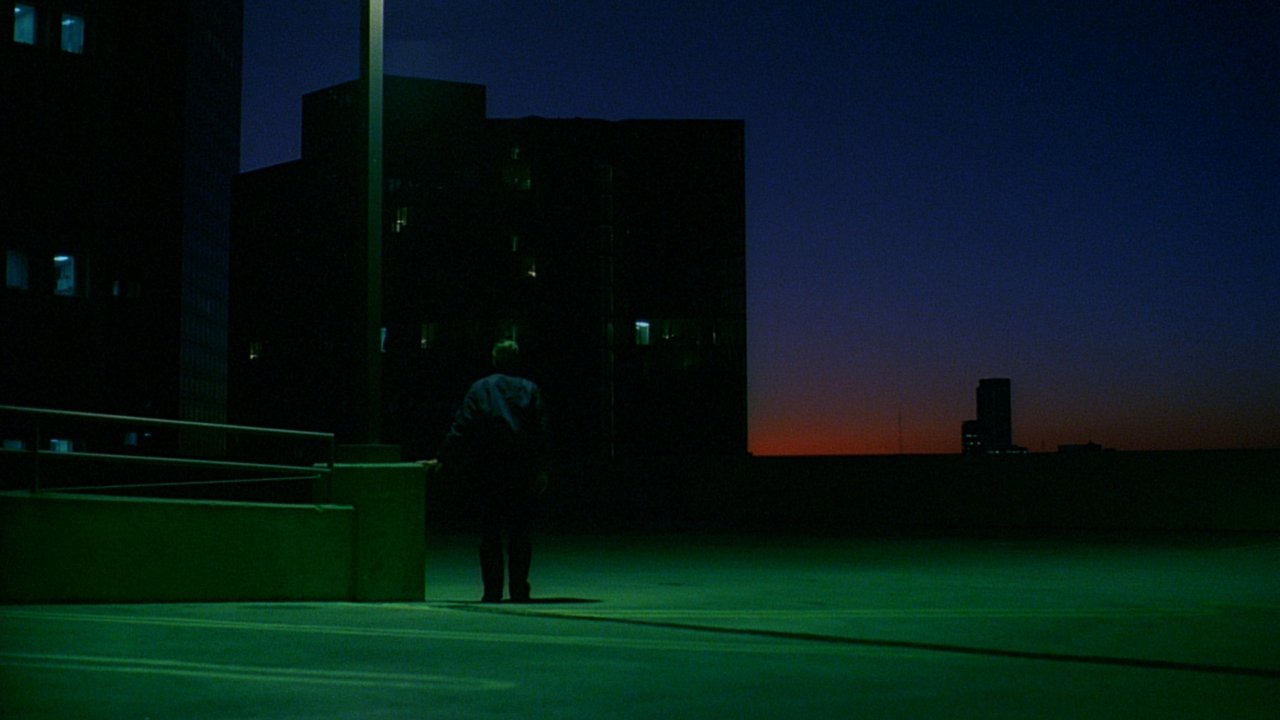
He walks out of the desert, a man seemingly stripped bare by the sun and silence, clad in a dusty suit and a red cap, carrying not luggage but an empty water jug. This stark, almost mythic image is our introduction to Travis Henderson in Wim Wenders' haunting 1984 masterpiece, Paris, Texas, and it sets the stage for a film less concerned with action than with the vast, arid landscapes of the human heart. Finding this on a video store shelf back in the day, nestled perhaps between neon-splashed action flicks and goofy comedies, felt like unearthing something profoundly different. It wasn't a movie that shouted; it whispered, and its echoes linger long after the VCR clicked off.

An Empty Horizon, A Silent Man
So much of the film's initial power rests on the weathered face and near-mute presence of Harry Dean Stanton. Travis doesn't speak for almost the first half-hour, yet Stanton conveys worlds of pain, confusion, and a deep, unnamed longing. It's a performance built on stillness, on glances that hold the weight of years of absence. We learn he's been missing for four years, walking, just walking, leaving behind a life, a wife, Jane (Nastassja Kinski), and a young son, Hunter (Hunter Carson). His brother Walt (Dean Stockwell, wonderfully grounded and compassionate) retrieves him, bringing this ghost back into the semblance of a world he no longer seems to fit. Wenders, working with the legendary cinematographer Robby Müller (who also shot many of Wenders' other acclaimed films like Wings of Desire), frames Travis against the sprawling, indifferent beauty of the American Southwest. The endless highways, dusty towns, and wide-open spaces become external reflections of his internal emptiness. And weaving through it all is Ry Cooder’s iconic, mournful slide guitar score, adapted from Blind Willie Johnson's "Dark Was the Night, Cold Was the Ground" – it's not just music; it's the sound of loneliness itself.
Reconnecting Fragments

The screenplay, penned by the great playwright Sam Shepard (with adaptation by L. M. Kit Carson), unfolds slowly, patiently. There are no easy answers, no quick fixes for the chasm Travis created. His reunion with Hunter, now seven and living comfortably with Walt and his wife Anne (Aurore Clément), is tentative, awkward. Hunter doesn't remember his father, and Travis struggles to bridge the gap, mimicking his son’s walk, trying clumsily to re-enter a role he abandoned. It’s fascinating to know that Shepard initially wrote only the first half of the script, intending to develop the rest as filming progressed, capturing a sense of discovery that mirrors Travis's own journey. This organic approach, guided by Wenders' sensitive direction, allows the relationship between father and son to blossom with aching authenticity. Young Hunter Carson delivers a remarkably natural performance, embodying the cautious curiosity and eventual acceptance of this strange man who is suddenly his father.
The Road Trip to the Past
Once a fragile bond forms, Travis becomes fixated on finding Jane. This leads to a road trip, father and son heading towards Houston, towards the past. The film shifts slightly here, the silence punctuated by conversation, observation, and the shared goal. The vast landscapes remain, but now they feel less like emblems of isolation and more like the space needed for healing, for stories to be told. Shepard’s dialogue, sparse but potent, explores themes of identity, memory, and the often-elusive idea of "home." The title itself, Paris, Texas, refers not to the French capital but to a barren plot of land Travis bought years ago, a place built on a dream that ultimately crumbled – a potent symbol of their fractured family history. For Harry Dean Stanton, a beloved character actor often seen in smaller, quirky roles (think Repo Man or Alien), this was a rare and deserved leading part late in his career, and he inhabited it completely.

Behind the Glass
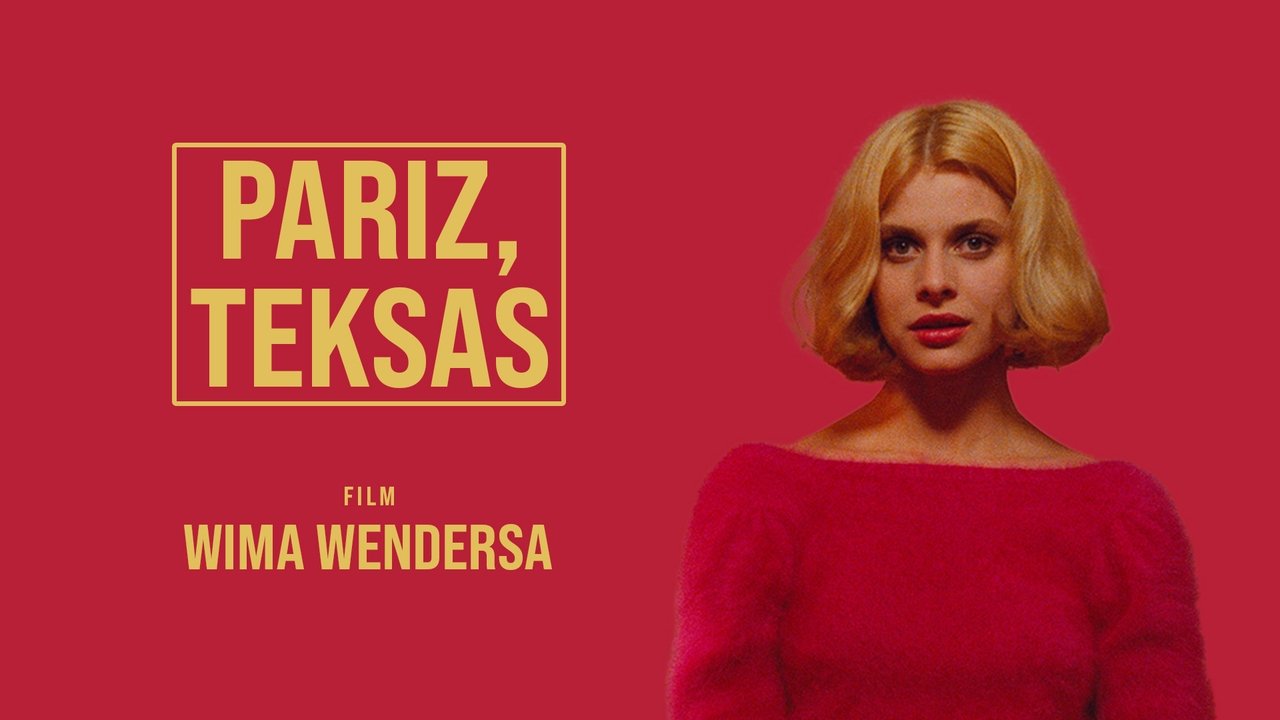
The film culminates in one of modern cinema's most unforgettable sequences. Travis finally locates Jane working in a peculiar peep show booth in Houston, where customers speak to women through one-way mirrors, separated by glass, seeing only reflections. Travis visits twice. The first time, he talks, and she listens, unaware of who he is. The second time, he turns his back to the mirror, illuminated only by the lamp on his table, and tells her story – their story – a devastating confession of love, jealousy, and the moment everything shattered. Nastassja Kinski is simply extraordinary here. Her face, seen only as a reflection until the devastating climax of the monologue, registers every wave of dawning recognition, pain, and empathy. It’s a masterclass in restrained emotion, two souls finally communicating, truly seeing each other, yet still physically, irrevocably separated. The sheer power and unconventional staging of this scene undoubtedly contributed to the film winning the prestigious Palme d'Or at the 1984 Cannes Film Festival. It’s a moment that burns itself into your memory.
Echoes in the Rearview Mirror
Paris, Texas doesn't offer neat resolutions. It understands that some wounds leave permanent scars, that reconciliation doesn't always mean reunion in the traditional sense. What lingers is the profound sense of melancholy, the beauty found in desolate places (both geographical and emotional), and the quiet power of human connection, however fractured or fleeting. It’s a film that rewards patience, inviting you to simply exist within its atmosphere, to feel the weight of unspoken history and the tentative possibility of understanding. Watching it again now, decades after first sliding that tape into the VCR, its emotional honesty feels undiminished, perhaps even more resonant. It’s a testament to Wenders’ unique vision, Shepard’s poetic soul, and the unforgettable performances, especially Stanton's career-defining turn.
Rating: 9/10
This score reflects the film's near-perfect execution of its emotional and thematic goals. The masterful performances, evocative cinematography, haunting score, and patient, deeply resonant storytelling create an experience that is both uniquely cinematic and profoundly human. While its deliberate pace might test some viewers accustomed to faster narratives, the emotional payoff is immense and lasting.
Paris, Texas remains a singular achievement, a road movie of the soul that leaves you contemplating the distances we travel, both across landscapes and within ourselves, in search of connection.