What happens when a stadium-rock sensibility crashes into arthouse introspection? You might get something like The Million Dollar Hotel, a film adrift in its own melancholic beauty, released just as the new millennium dawned in 2000. It arrived on the cusp of the DVD era, perhaps missing the window where its peculiar blend of mystery, romance, and existential angst might have found a more comfortable home cycling through VCRs late at night. Watching it now feels like uncovering a strange, ambitious relic – a film born from unique circumstances and carrying the weight of its own complicated legacy.

A Story Born of Starlight and Skid Row
The very concept feels like something dreamed up backstage after a stadium show. And, well, it kind of was. The story originated with Bono, the frontman of U2, who had long been fascinated by the transient lives and forgotten souls inhabiting downtown Los Angeles's decaying single-room occupancy hotels. He envisioned a tale set in one such establishment, a place populated by society's outliers. He brought the idea to acclaimed German director Wim Wenders, known for his meditative road movies like Paris, Texas (1984) and the profound Wings of Desire (1987). It’s a pairing that promises something unique – Bono's knack for grand, emotional statements filtered through Wenders' poetic, observant lens. The screenplay, credited to Nicholas Klein based on the story by Bono and Klein, attempts to weave these threads into a narrative tapestry.
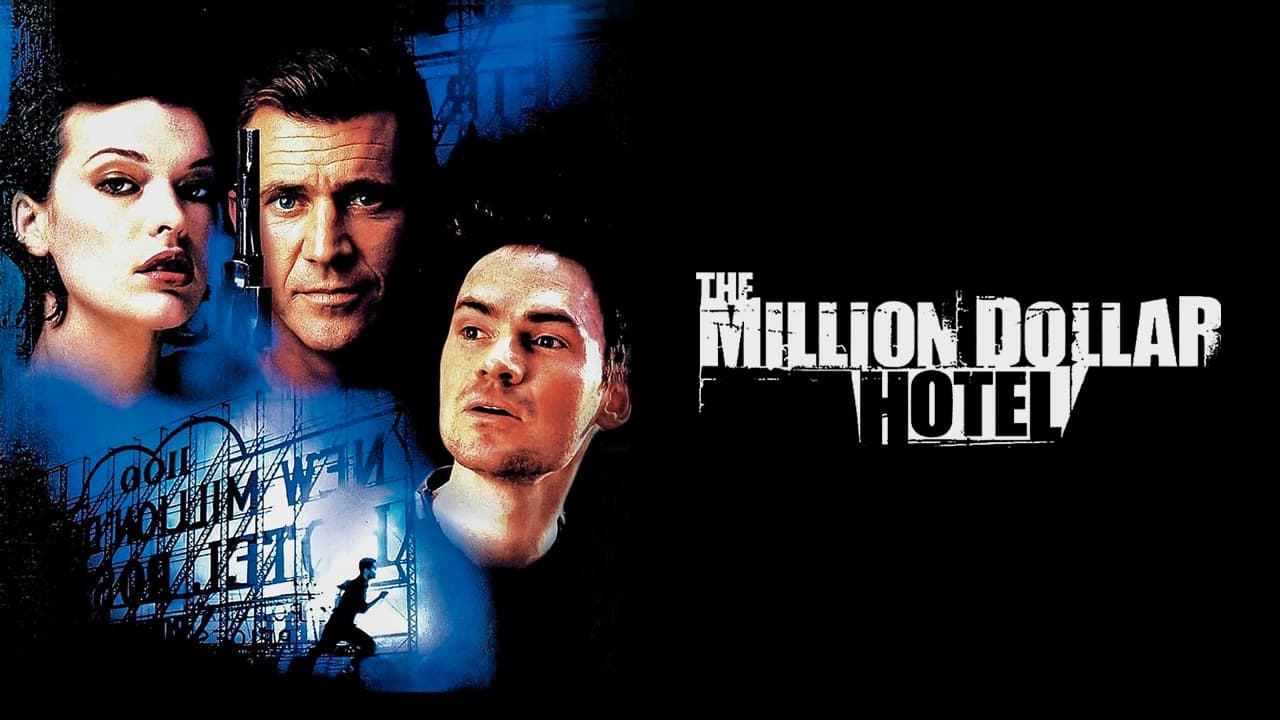
The plot ostensibly revolves around a death investigation. Izzy Goldkiss (played by Tim Roth in a brief but pivotal role) has fallen – or was pushed – from the roof of the titular hotel. Because Izzy is revealed to be the estranged son of a media tycoon, the FBI gets involved, dispatching the stiff-necked, almost comically rigid Agent Skinner (Mel Gibson) to unravel the case. His investigation throws him into the orbit of the hotel’s eccentric residents, chief among them the childlike, deeply sensitive Tom Tom (Jeremy Davies) and the ethereal, damaged Eloise (Milla Jovovich). Tom Tom narrates the story, deeply in love with Eloise, and potentially holding the key to Izzy’s demise.
The Beating Heart (and the Odd Appendage)
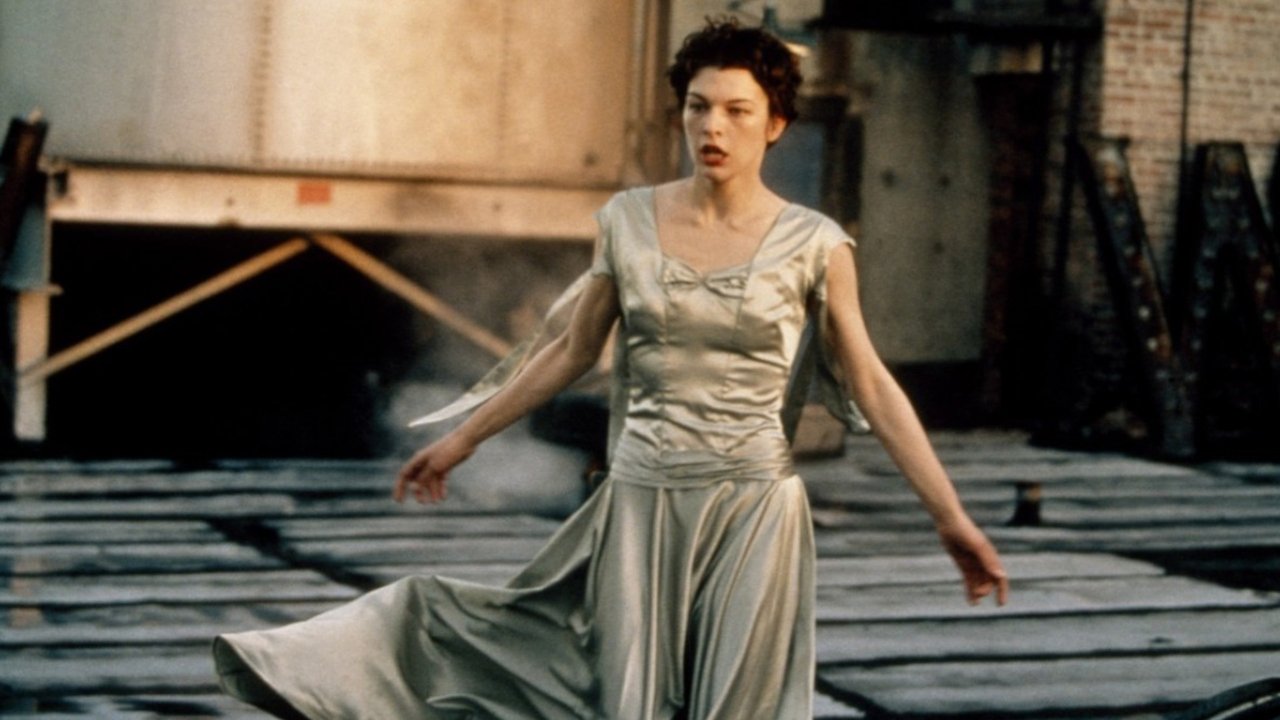
At the core of The Million Dollar Hotel lies the performance of Jeremy Davies as Tom Tom. It’s a portrayal of profound vulnerability, walking a tightrope between innocence and instability. Davies fully embodies Tom Tom’s peculiar gait, his hesitant speech, his wide-eyed view of a world that consistently misunderstands him. It's a performance that could easily tip into caricature, but Davies grounds it in a palpable sense of longing and gentle confusion. He is the film's fragile heart, and much of its emotional resonance flows directly from him. His chemistry with Milla Jovovich’s Eloise, another soul adrift in the hotel's hermetic world, feels genuine, a connection between two people defined by their perceived otherness. Jovovich, already known from The Fifth Element (1997), leans into Eloise's mysterious, almost spectral quality.
And then there’s Mel Gibson. Fresh off massive successes like Braveheart (1995) and Lethal Weapon 4 (1998), his casting as Skinner feels like a deliberate piece of anti-typecasting, or perhaps a studio concession. Skinner, with his elaborate neck brace and unwavering seriousness, feels beamed in from a different movie entirely. While Gibson commits to the role's rigidity, his sheer star power feels jarringly out of place amidst the film's otherwise low-key, observational style. It's a strange friction that never quite resolves. Interestingly, Gibson himself later famously distanced himself from the film, reportedly calling it "as boring as a dog's ass" just before its premiere – a bit of behind-the-scenes drama that arguably garnered more attention than the film itself in some circles.
Wenders' Eye, Bono's Ear
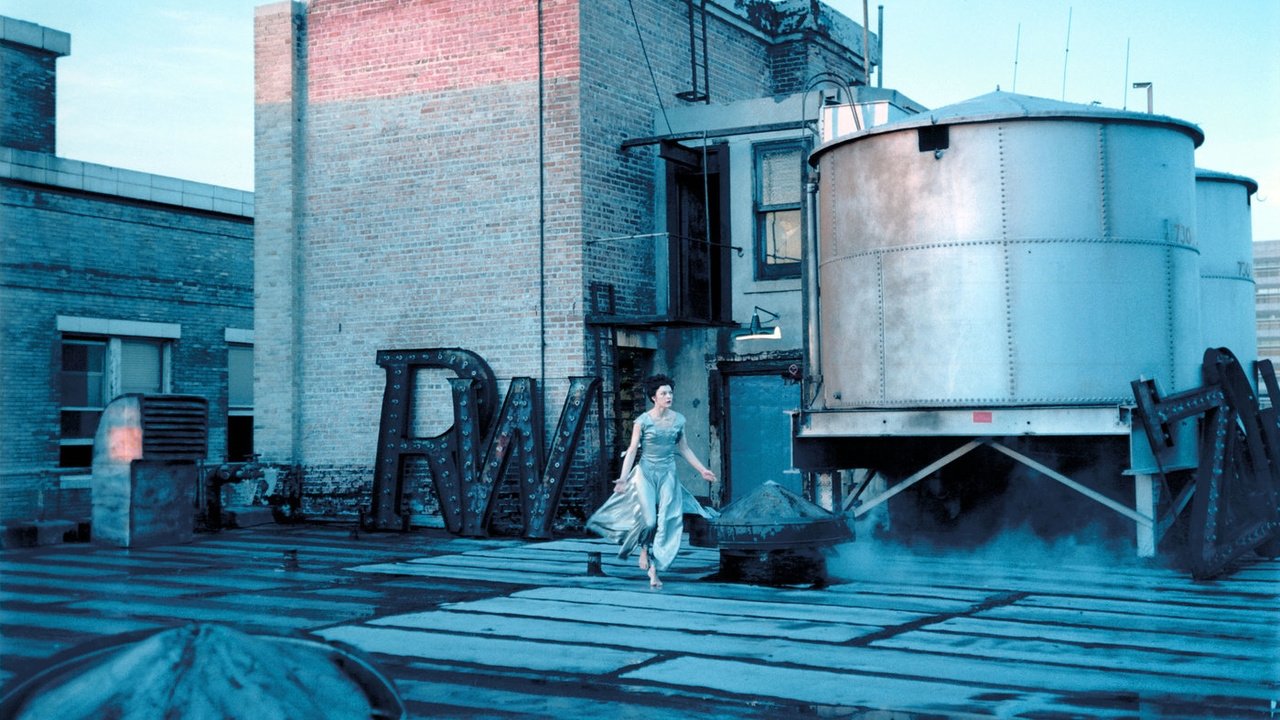
Visually, Wenders brings his signature style to bear. The Million Dollar Hotel itself (actually filmed primarily at the derelict Rosslyn Million Dollar Hotel and the Hotel Alexandria in downtown LA) becomes a character – a faded palace filled with lingering ghosts and lost dreams. Wenders and cinematographer Phedon Papamichael capture the peeling paint, the dim lighting, and the vast emptiness of the city surrounding it with a painterly eye. There’s a tangible atmosphere of decay and melancholy beauty that permeates every frame.
The soundtrack, unsurprisingly given Bono's involvement, is a major component. Featuring tracks by U2 (including "The Ground Beneath Her Feet," with lyrics by Salman Rushdie) and contributions from artists like Daniel Lanois, Brian Eno, and Hal Willner under the moniker "The Million Dollar Hotel Band," the music aims to enhance the film's mood. Sometimes it succeeds, adding layers of ethereal sound, but at other times it feels overly insistent, perhaps betraying the rockstar origins more overtly than Wenders' visuals do.
A Flawed Jewel Box
Despite its noble intentions, compelling central performance, and undeniable visual artistry, The Million Dollar Hotel struggles to fully cohere. The narrative meanders, the central mystery often feels secondary to the character studies, and the tonal shifts, particularly involving Gibson's character, can be jarring. It feels like a film caught between sensibilities – the raw emotion Bono likely envisioned and the more detached, philosophical approach favoured by Wenders.
Its reception reflected this dissonance. While it won the Silver Bear Jury Prize at the Berlin International Film Festival, it received largely negative reviews in the United States and performed poorly at the box office (reportedly costing around $8 million, it struggled to recoup its budget). Yet, like many films that don't quite hit the mark commercially or critically upon release, it retains a certain fascination. It’s an ambitious misfire, perhaps, but one filled with moments of genuine beauty and powered by Jeremy Davies' unforgettable performance. It asks us to look closer at those society often ignores, to find the extraordinary within the mundane, even if it doesn't quite know how to fully articulate its own questions.

Rating: 5/10
This score reflects a film brimming with artistic intent and boasting a truly captivating central performance, yet ultimately hampered by an uneven script, tonal inconsistencies, and a narrative that feels less compelling than the atmosphere it creates. It's a fascinating curio, a collaboration that sounds incredible on paper but resulted in something more perplexing than profound.
It remains a poignant reminder of a certain kind of early 2000s filmmaking ambition – star-driven yet deeply idiosyncratic, a film reaching for poetry but sometimes stumbling over its own feet, leaving behind a lingering sense of what might have been.