It arrived sixteen years later, didn’t it? Not just another tape on the rental shelf, but the tape. The Godfather Part III. The very idea felt audacious, almost reckless. Could lightning possibly strike a third time? Released in 1990, after the near-perfect cadence of the first two films had long since solidified into cinematic legend, this final chapter carried an almost impossible weight of expectation. I remember the heft of that VHS cassette in my hand, the anticipation mixed with a healthy dose of skepticism. Could Francis Ford Coppola, alongside novelist Mario Puzo, truly bring Michael Corleone’s operatic tragedy to a satisfying close?
An Empire of Guilt
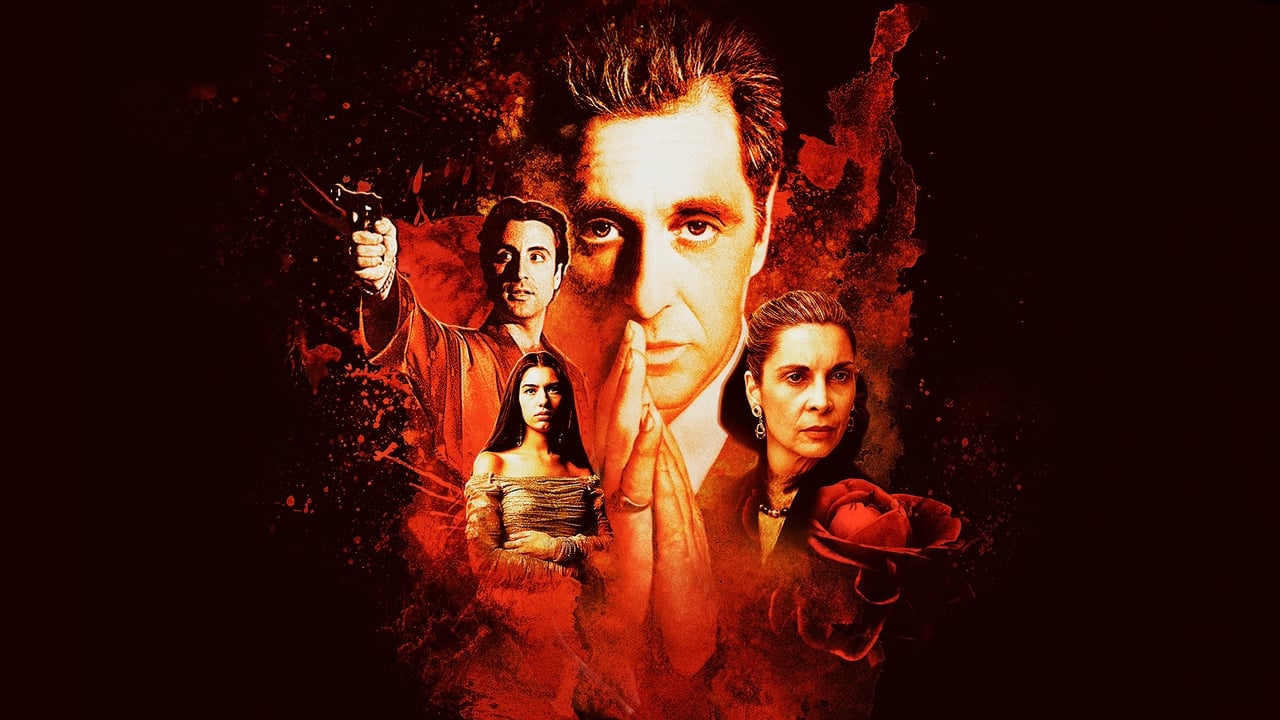
What strikes you immediately, watching it again after all these years, isn't necessarily a continuation of the slow-burn tension of its predecessors. Instead, Part III feels drenched in melancholy, permeated by the chilling realization of irreversible choices. The central thrust finds an aging Michael Corleone (Al Pacino) desperate for legitimacy, pouring millions into Vatican charities, seeking not just respectability but perhaps absolution. He wants out. But the film powerfully argues, as the first two did, that the blood debts of the past are never truly settled. They echo, they fester, they demand their due. This central theme – the haunting inescapability of one's actions – resonates deeply, even if the intricate plot involving Vatican banking scandals and corporate intrigue occasionally feels less visceral than the family betrayals that defined the earlier films.
Pacino's Weary Crown
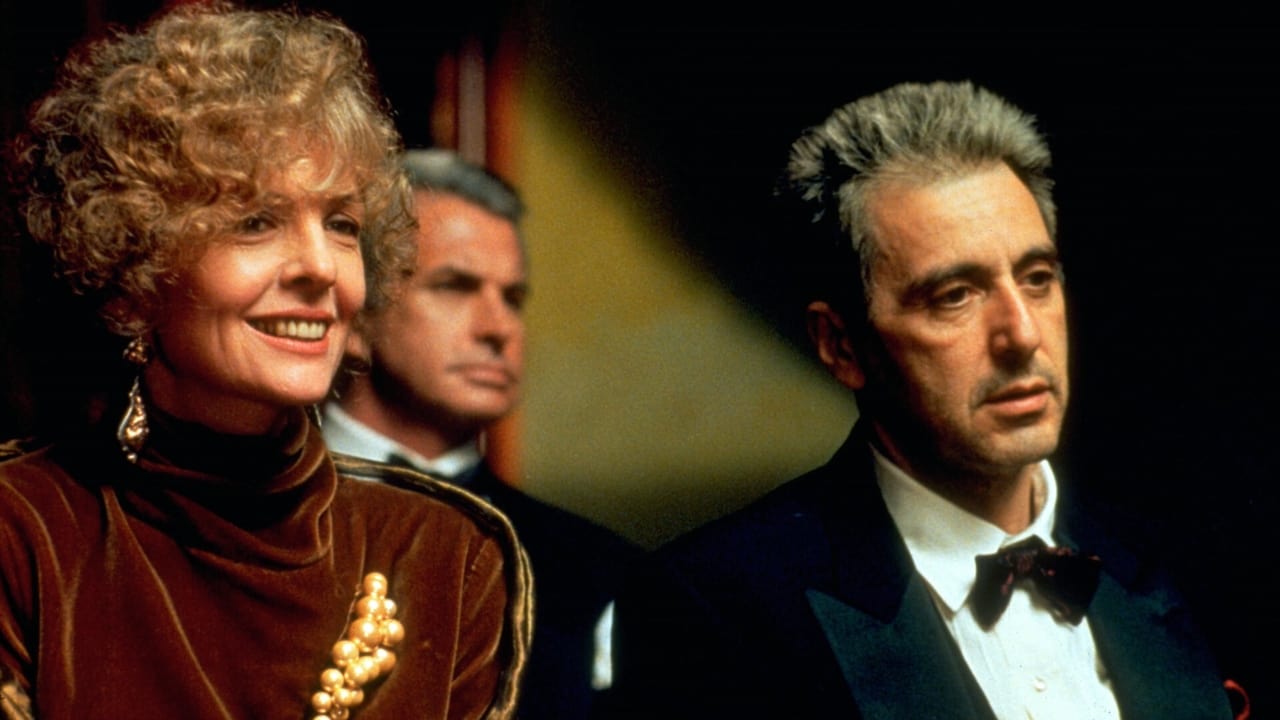
Al Pacino’s performance here is fascinating, and perhaps unfairly maligned in the shadow of his younger, colder Michael. This is a man burdened by decades of violence, paranoia, and loss. The fire is banked, replaced by a weary exhaustion, a desperate longing for peace that feels profoundly authentic. Watch his eyes when he interacts with Kay (Diane Keaton, returning with grace and simmering resentment) or confesses his sins. There’s a hollowness there, a soul eroded by compromise. It’s a portrayal of regret made manifest, and Pacino commits fully to this older, broken Don. You feel the physical and spiritual toll of his life, a man trying to rewrite his ending while the ink is already dry.
Of course, the supporting cast discussions inevitably circle around two key points. The absence of Robert Duvall as Tom Hagen, due to salary disputes, leaves a noticeable void. Hagen was Michael’s rational counterpoint, his consigliere, and his absence fundamentally alters the family dynamic. While George Hamilton steps in as the Corleone lawyer B.J. Harrison, he can't replicate that unique, adopted-brother bond. And then there's the casting of Sofia Coppola (the director's daughter) as Mary Corleone, after Winona Ryder famously dropped out due to illness just as filming began. It remains the film’s most debated element. While her performance lacks the seasoned polish of others, focusing solely on it often overshadows the genuine strengths elsewhere, particularly Andy Garcia's electrifying turn as the illegitimate nephew Vincent Mancini. Garcia injects a much-needed shot of impulsive, hot-headed energy, embodying the dangerous allure of the life Michael wants to leave behind. He’s Sonny’s son, alright, and his chemistry with Mary, however controversial the performance, fuels a core part of the film’s tragic trajectory.
Echoes in the Vatican Corridors
Francis Ford Coppola’s direction, aided once more by the masterful eye of cinematographer Gordon Willis (returning after sitting out Part II), imbues the film with a familiar visual grandeur. The opulent settings, the deliberate pacing, the framing – it feels like a Godfather film, even when the narrative threads occasionally tangle. The film’s attempt to weave in the real-life Vatican Bank scandal of the late 70s and early 80s was ambitious, aiming for a canvas reflecting corruption at the highest levels. It adds a layer of contemporary relevance (for 1990) but sometimes distracts from the more compelling personal drama. One fascinating tidbit often forgotten is that early concepts for Part III, before Puzo and Coppola settled on the final story, explored drastically different avenues, including pitting Michael against Central American drug cartels or even involving the CIA. The path chosen, focusing on legacy and redemption, ultimately feels more thematically aligned with the saga.
The film cost a reported $54 million to make, a hefty sum for the time, and while its $136 million worldwide gross was respectable, it paled in comparison to the cultural and financial impact of its predecessors. Initial critical reaction was decidedly mixed, often overshadowed by comparisons and the casting controversy. Yet, the climactic sequence set during a performance of Cavalleria Rusticana remains a masterclass in cross-cutting and operatic tragedy, a devastating crescendo where Michael’s carefully constructed world finally, irrevocably shatters. It's a sequence that echoes the baptism scene in the original, but this time, the violence feels less like consolidation of power and more like the bitter harvest of fate.
Revisiting the Legacy
Watching The Godfather Part III on VHS back in the day felt like completing a monumental journey, even if the destination wasn't quite what we expected. It wrestled with profound themes – guilt, redemption, the cyclical nature of violence, the possibility (or impossibility) of change. Does it reach the stratospheric heights of Part I and Part II? No, few films do. Its flaws are apparent – the sometimes convoluted plot, the unevenness in certain performances, the shadow of what might have been with Duvall’s return. Coppola himself revisited the film in 2020, releasing The Godfather Coda: The Death of Michael Corleone, a re-edit that slightly trims the runtime and alters the beginning and ending, aiming for a tone closer to his original vision of an epilogue rather than a direct sequel.
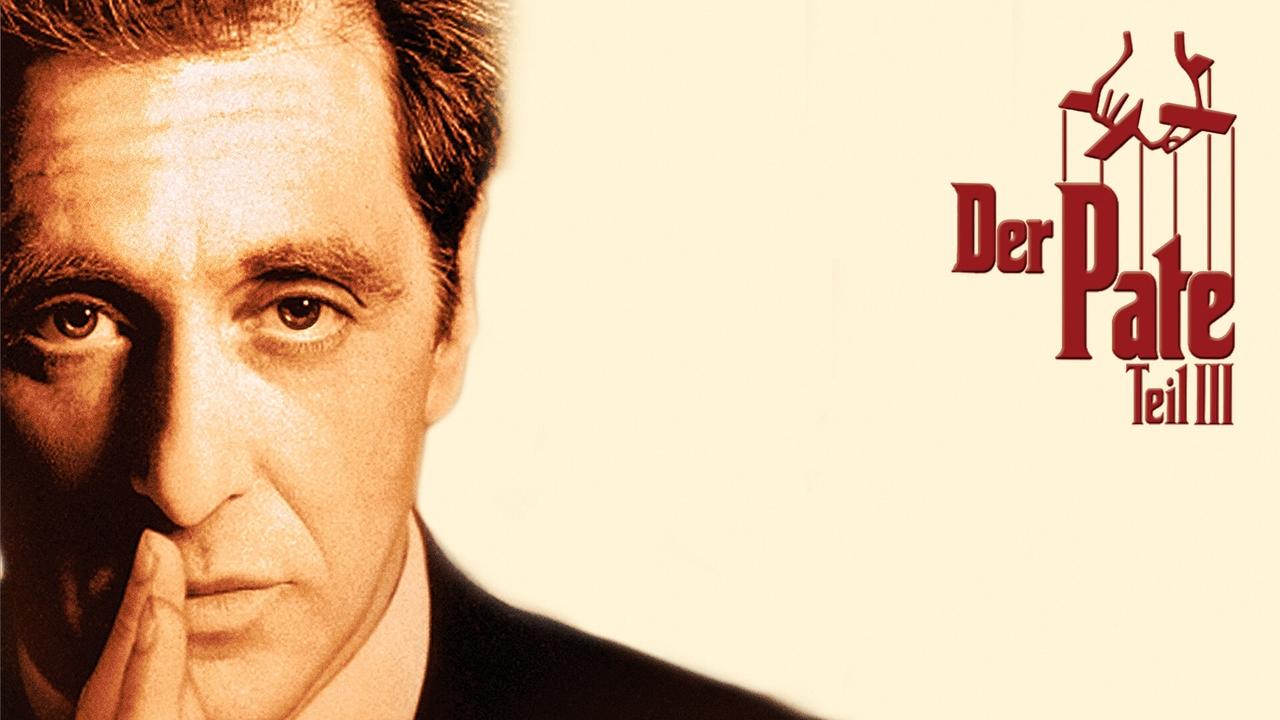
Yet, despite its imperfections, Part III offers a resonant and often moving conclusion to Michael Corleone’s story. It dares to suggest that even for the most powerful, some stains can never be washed away.
Rating: 7/10
The score reflects a film burdened by expectations and hampered by specific casting issues and plot complexities, yet still possessing significant power. Pacino's weary performance is compelling, Garcia is magnetic, and the final act achieves true operatic tragedy. It's a flawed but essential coda, offering a haunting meditation on the consequences that linger long after the power has faded. It may not be perfect, but it’s the necessary, bittersweet end note to one of cinema's greatest sagas, a tape definitely worth revisiting for the questions it still raises about the ghosts of our choices.