Okay, let's slip another tape into the VCR. Tonight, we're basking in the sometimes uncomfortable Mediterranean sun with a film that likely graced the 'World Cinema' or perhaps even the slightly more daring 'Adult Drama' shelves of your local video store back in the day: Christopher Frank's 1984 French drama, Year of the Jellyfish (L'Année des méduses). This isn't your typical feel-good summer flick; it's a simmering, sun-drenched study of adolescent awakening, manipulation, and the languid cruelty that can fester beneath a glamorous surface.
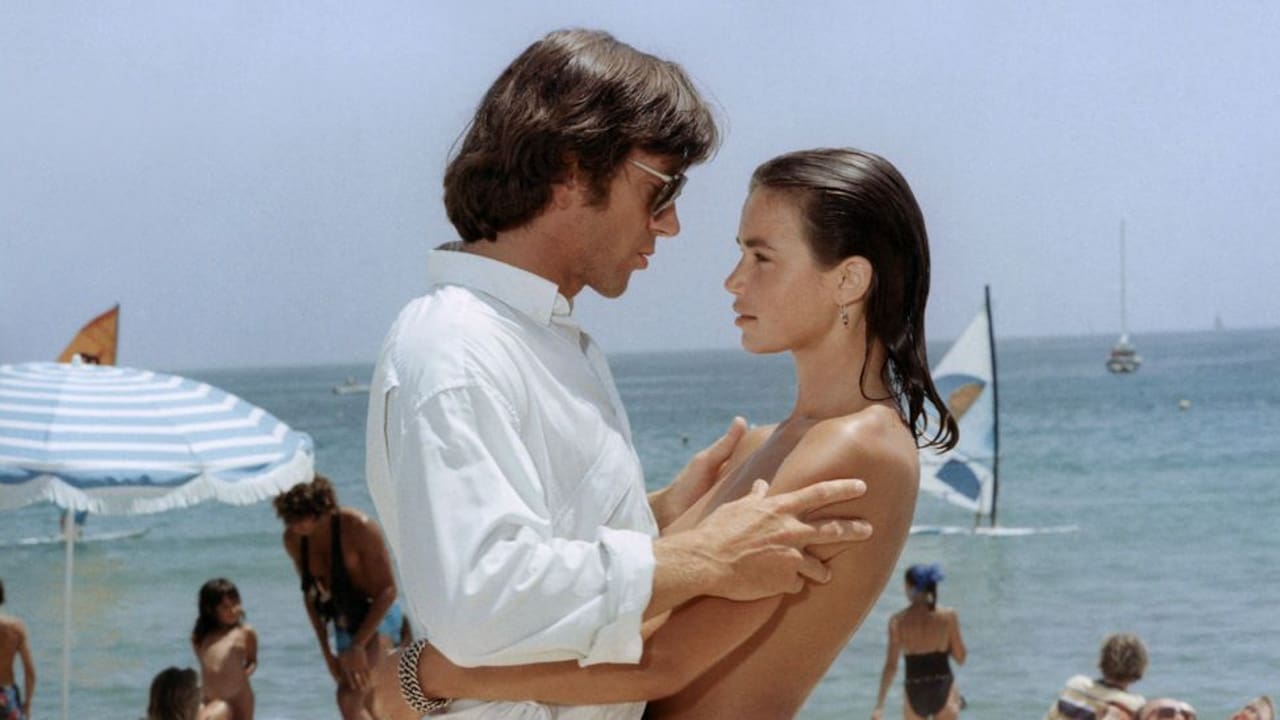
The very title hints at something beautiful yet potentially dangerous, drifting unseen until it stings. And that's precisely the atmosphere the film cultivates from its opening frames set against the backdrop of Saint-Tropez. Remember those European films that felt so different on VHS? Slower, perhaps, more focused on mood and character nuance than explosive plot points? Year of the Jellyfish is absolutely one of those. It immerses you in the lazy, privileged world of wealthy Parisians on holiday, where tans are deep, boredom is palpable, and desires often curdle under the relentless heat.
Sun-Drenched Observation
At the centre of this shimmering, often unsettling world is Chris, played with a potent mix of innocence and unnerving calculation by Valérie Kaprisky. Barely 18, Chris navigates the adult world of casual affairs and veiled aggressions with the detached curiosity of an anthropologist – or perhaps, more accurately, a predator learning its terrain. Kaprisky, who became a major French star around this time (alongside her equally provocative role in La Femme publique the same year), embodies Chris's complex transition. She's watching everyone: her glamorous, somewhat neglectful mother (a perfectly cast Caroline Cellier), and particularly Romain (Bernard Giraudeau), the older, charismatic lover her mother shares with other women on the beach.

There's a deliberate ambiguity in Kaprisky's portrayal. Is Chris discovering her own power, mimicking the casual betrayals she witnesses, or is there something colder, more deliberate forming within her? The film doesn't offer easy answers, letting her watchful gaze and carefully chosen actions speak volumes. It's a performance that undoubtedly caused a stir in '84, toeing a line that feels even more complex viewed through a modern lens.
Beneath the Surface
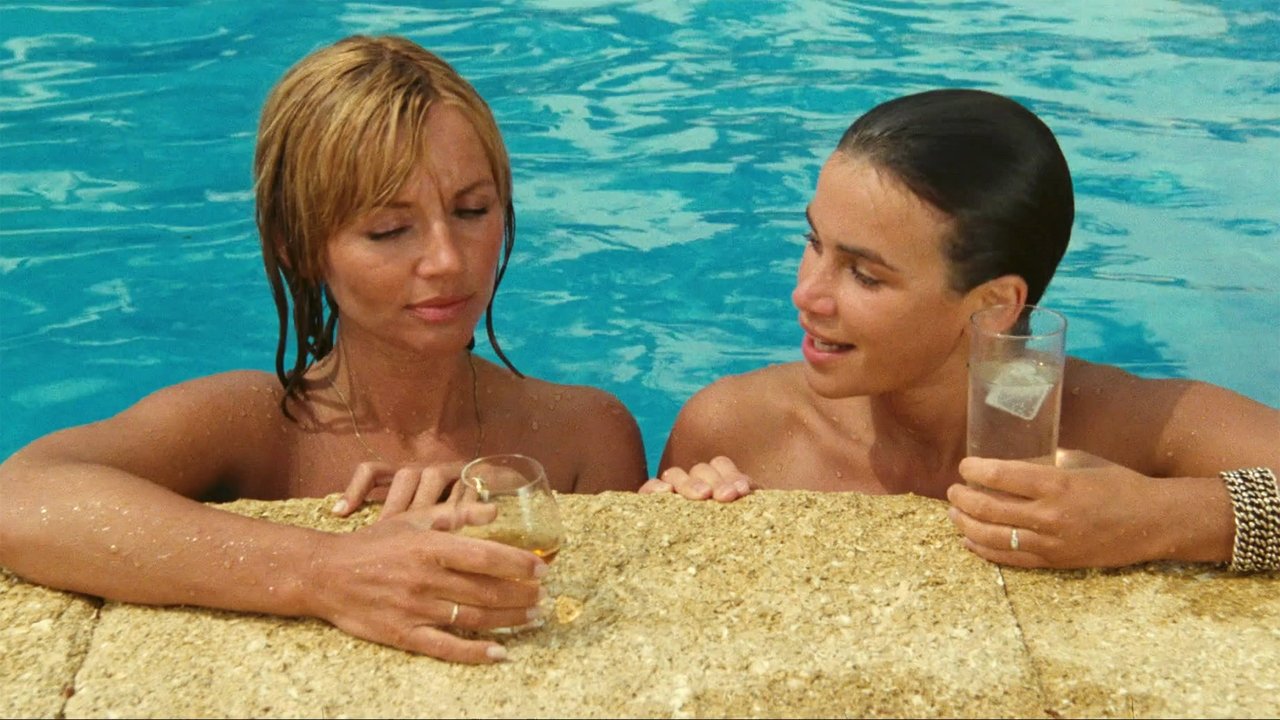
Director Christopher Frank, adapting his own novel, uses the picturesque Saint-Tropez setting not just for its beauty, but for its inherent artifice. The endless sunshine seems to bleach out morality, highlighting the emptiness behind the expensive sunglasses and bronzed skin. Frank, primarily known as a novelist and screenwriter (he penned the screenplay for Tout feu, tout flamme (1982) starring Yves Montand and Isabelle Adjani), directs with a writer's eye for character and subtext. The pacing is unhurried, allowing tensions to build organically through loaded glances and seemingly innocuous conversations by the pool or on the crowded beach.
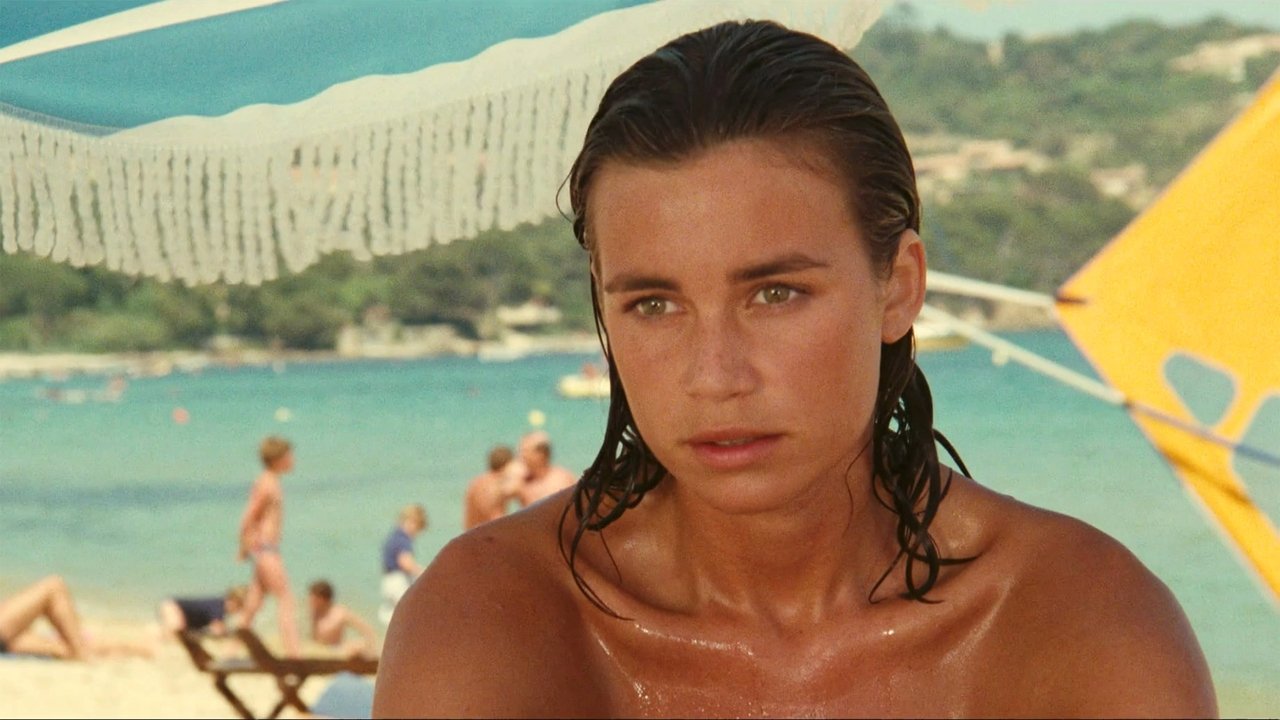

The 'jellyfish' of the title become a subtle, recurring motif. Like the creatures themselves, the emotional stings in this environment are often unexpected, delivered passively, almost carelessly, yet leaving a significant mark. Chris learns to navigate these currents, eventually developing her own form of venom. It’s a potent metaphor for the hidden dangers within this seemingly idyllic social scene.
Retro Context and Lingering Questions
Watching Year of the Jellyfish today certainly evokes that specific feeling of renting something a bit 'European', a bit 'adult' from the video store racks. It wasn't aiming for Hollywood sensibilities. It was a character piece, an atmospheric mood board exploring themes many American films of the era wouldn't touch with such nuance (or ambiguity). It’s fascinating to remember that this film was a significant box office success in France, selling over 1.5 million tickets, cementing Valérie Kaprisky as a major name. Its journey onto international VHS likely positioned it as a slice of risqué continental intrigue for curious renters.
The performance by Bernard Giraudeau as Romain is also key. He projects an easy charm that barely conceals a selfish core, the kind of casually predatory male figure that Chris observes with such intensity. Giraudeau, a respected figure in French cinema (later appearing in films like Ridicule (1996)), perfectly embodies the target of Chris's complex attentions. The dynamic between him, Kaprisky, and Cellier forms the simmering heart of the narrative.
Does the film feel dated? In some ways, perhaps inevitably. The casual attitudes towards sexuality and power dynamics might sit differently now. Yet, its core exploration of observation turning into manipulation, of youthful awakening mixed with a chilling capacity for cruelty, remains potent. What does Chris truly want? Is she a victim of her environment, a product of neglect, or something else entirely? The film leaves you pondering these questions long after the credits roll, much like the lingering heat of a summer day.
Rating: 7/10
Year of the Jellyfish earns its 7/10 rating primarily through its thick, tangible atmosphere, the strength of Valérie Kaprisky's star-making, unsettling performance, and its unflinching, albeit uncomfortable, exploration of adolescent psychology within a specific, privileged milieu. It successfully captures that languid, sun-bleached European cinematic feel that was a distinct flavor on the VHS shelves. While its deliberate pace and morally ambiguous characters might not resonate with everyone today, and its themes require thoughtful consideration, it remains a fascinating and evocative snapshot of a certain kind of 80s French filmmaking.
It’s a film that doesn’t offer easy comfort or resolution, much like a jellyfish sting that fades but isn't quickly forgotten. It lingers, a reminder of the complex, sometimes dangerous currents flowing just beneath the surface of paradise.