There's a certain kind of quiet devastation that lingers long after the credits roll on some films. It's not the explosive grief of melodrama, but the hollow ache of reality setting in, the slow burn of understanding a truth you never wanted to know. Sydney Pollack’s Random Hearts (1999) sinks into you with that specific weight, a film less concerned with grand pronouncements than with the messy, uncomfortable navigation of shared trauma between two people who likely never should have met.
A Shared Secret, Born of Tragedy
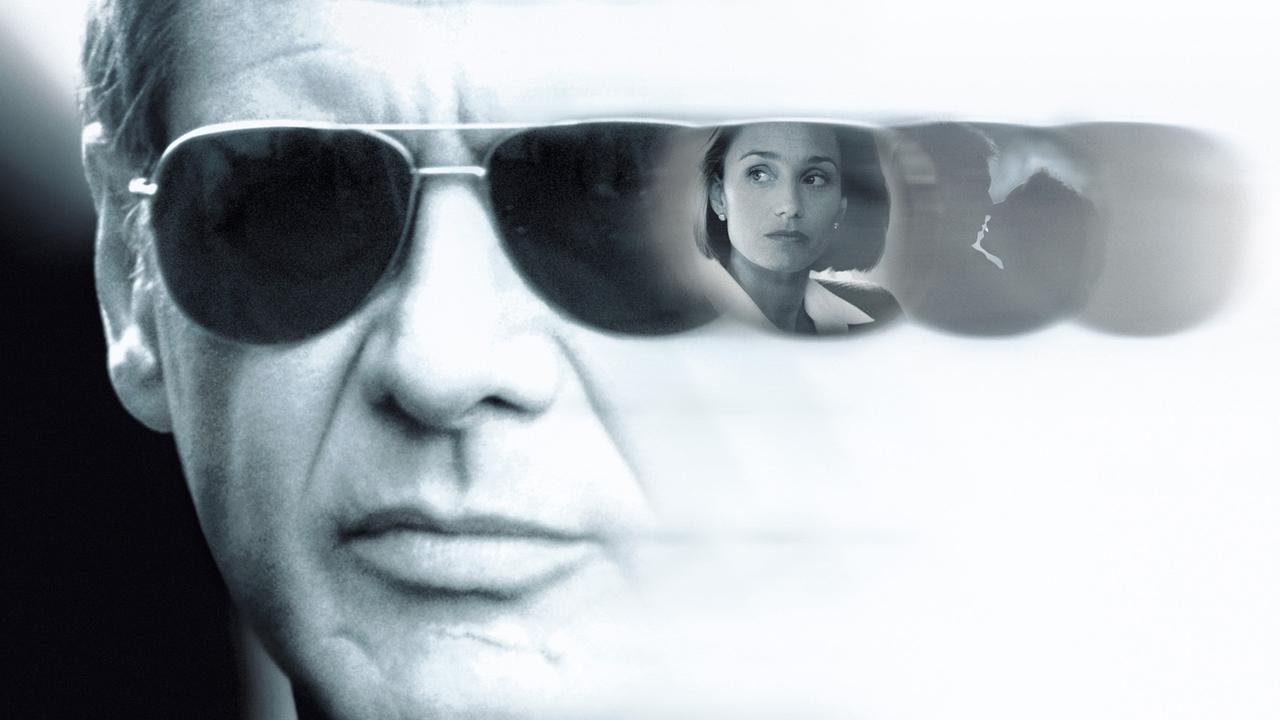
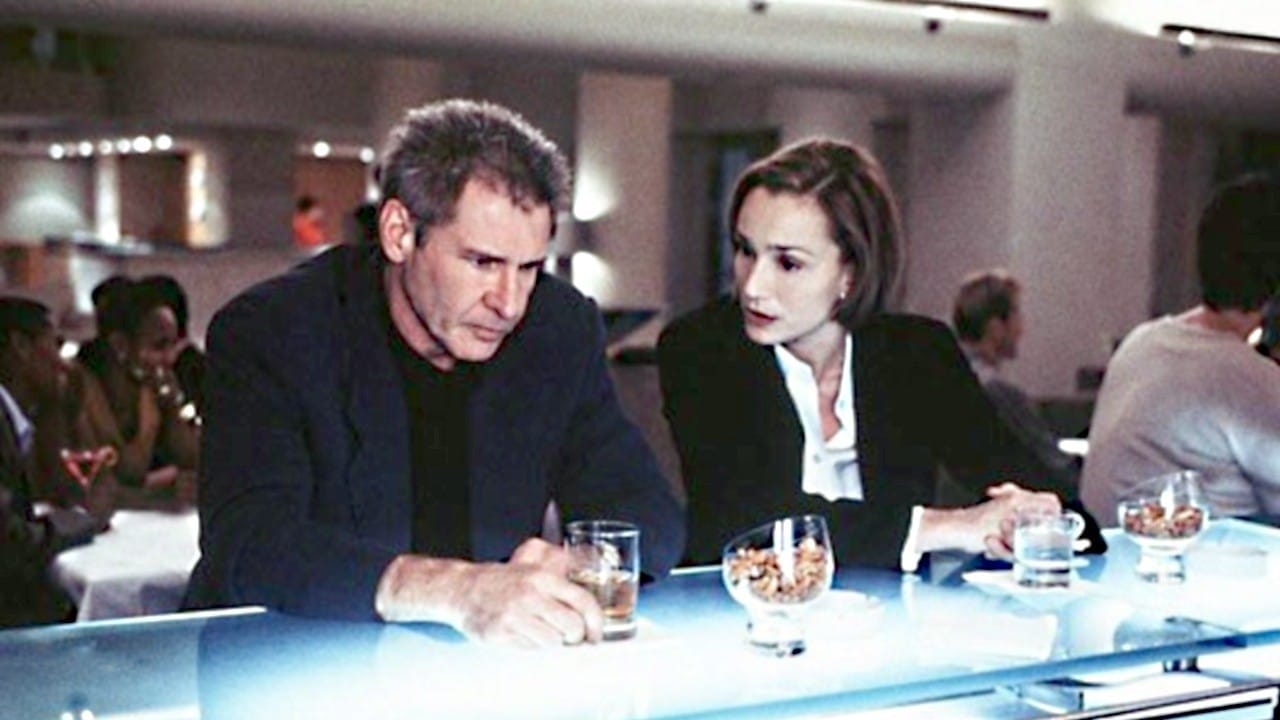
The premise is a gut punch delivered with chilling efficiency: a catastrophic plane crash outside Washington D.C. claims hundreds of lives. Among the victims are the spouses of Dutch Van Den Broeck (Harrison Ford), a D.C. police sergeant working Internal Affairs, and Kay Chandler (Kristin Scott Thomas), a respected New Hampshire congresswoman facing re-election. The initial shock of loss curdles into something far more complex when Dutch, through grim police work, discovers their respective partners weren't just on the same flight – they were seated together, booked as a married couple, deep in the throes of an affair.
This isn't the setup for a revenge thriller or a passionate rebound romance, at least not in the conventional sense. Pollack, a director who always excelled at charting the complexities of adult relationships (think The Way We Were (1973) or his Oscar-winner Out of Africa (1985)), steers Random Hearts into murkier, more introspective waters. The film becomes a study in how two vastly different people process an almost unimaginable betrayal layered upon profound grief.
Worlds Colliding: Performance and Presence
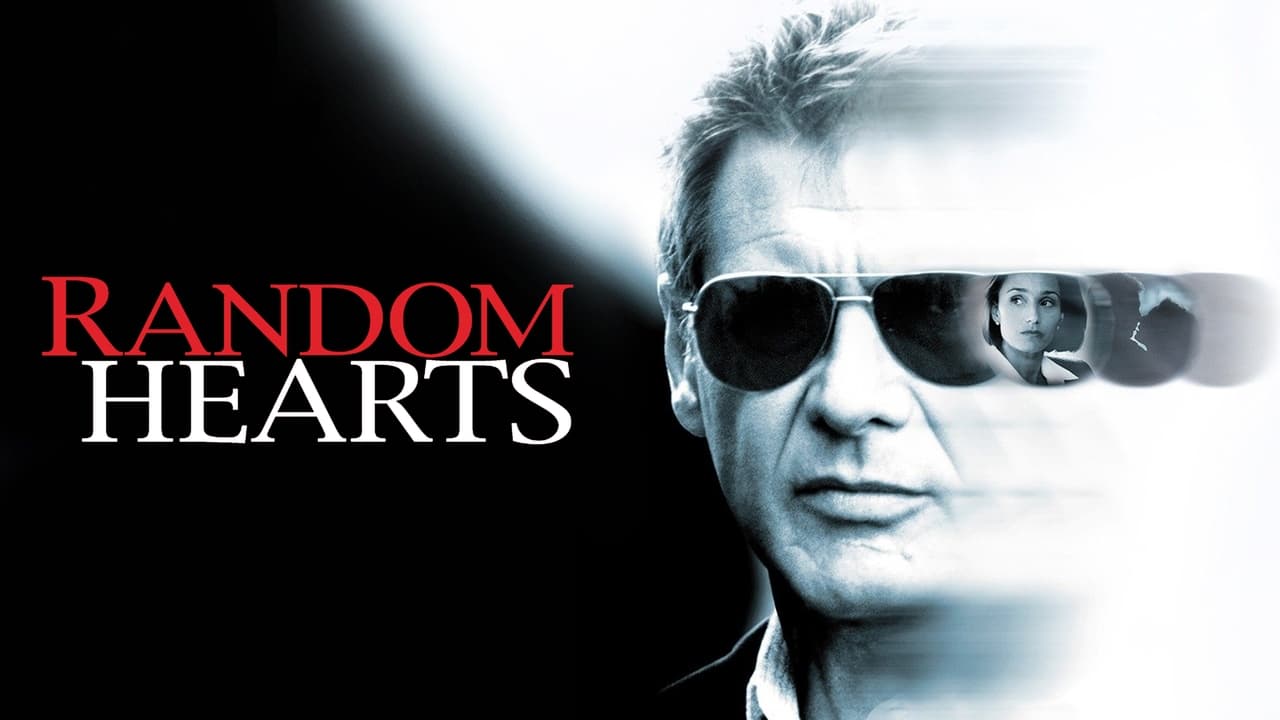
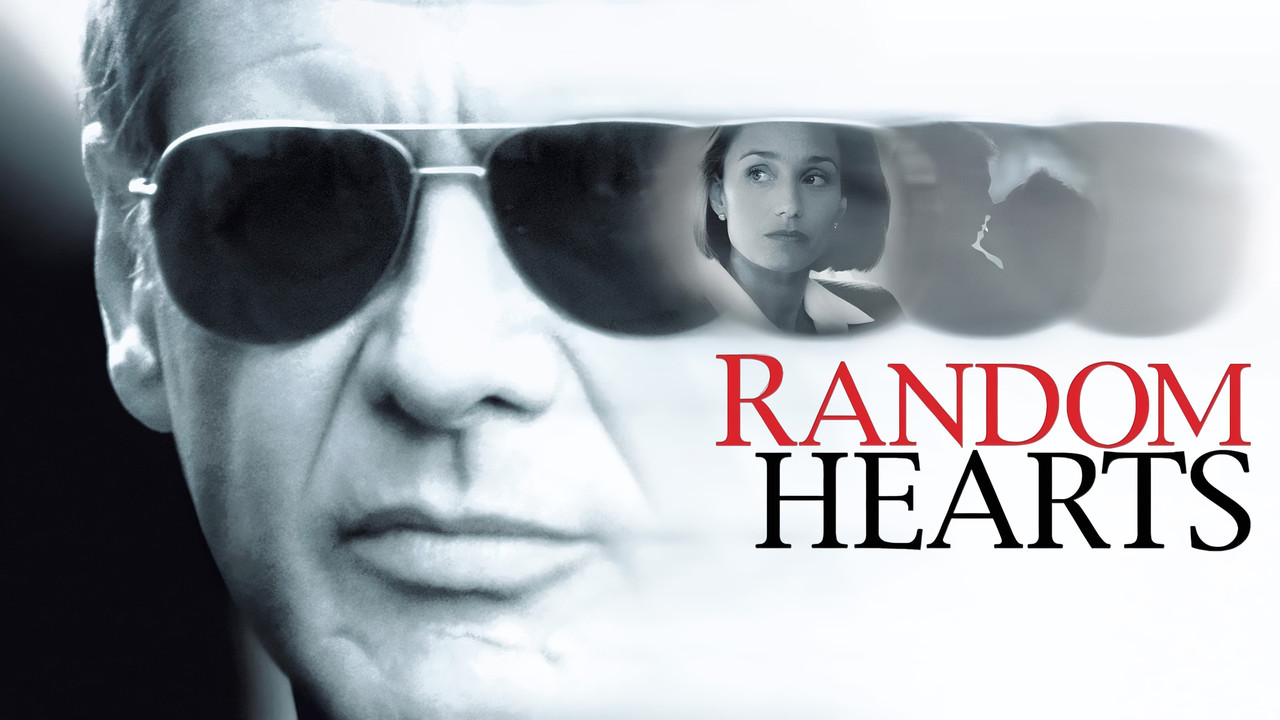
Seeing Harrison Ford here, deep into his established action-hero phase (Air Force One had landed just two years prior), playing the dogged, emotionally bruised Dutch is compelling. He sheds the overt heroism for a kind of obsessive, wounded determination. Dutch isn't seeking justice; he's seeking answers, needing to map the geography of his wife's secret life, perhaps as a way to reclaim some control in a situation that has rendered him utterly powerless. It’s a performance built on simmering frustration and tightly controlled pain. Ford lets you see the cracks in the stoic facade, the flicker of vulnerability beneath the cop’s hardened exterior.
Opposite him, Kristin Scott Thomas, still radiating the sophisticated poise from The English Patient (1996), gives Kay a brittle elegance that barely conceals her own turmoil. As a public figure, her grief is instantly politicized, her need for privacy clashing with the demands of her career and the intrusive nature of Dutch's investigation. Scott Thomas masterfully portrays the conflict between maintaining composure and succumbing to the bewildering mix of sorrow and anger. The scenes where Dutch and Kay tentatively circle each other, bound by this awful secret, are where the film finds its uneasy power. Their interactions are awkward, sometimes hostile, freighted with unspoken questions and the ghost of their deceitful partners. Is their connection empathy, morbid curiosity, or something else entirely?
The Pollack Touch and Retro Realities
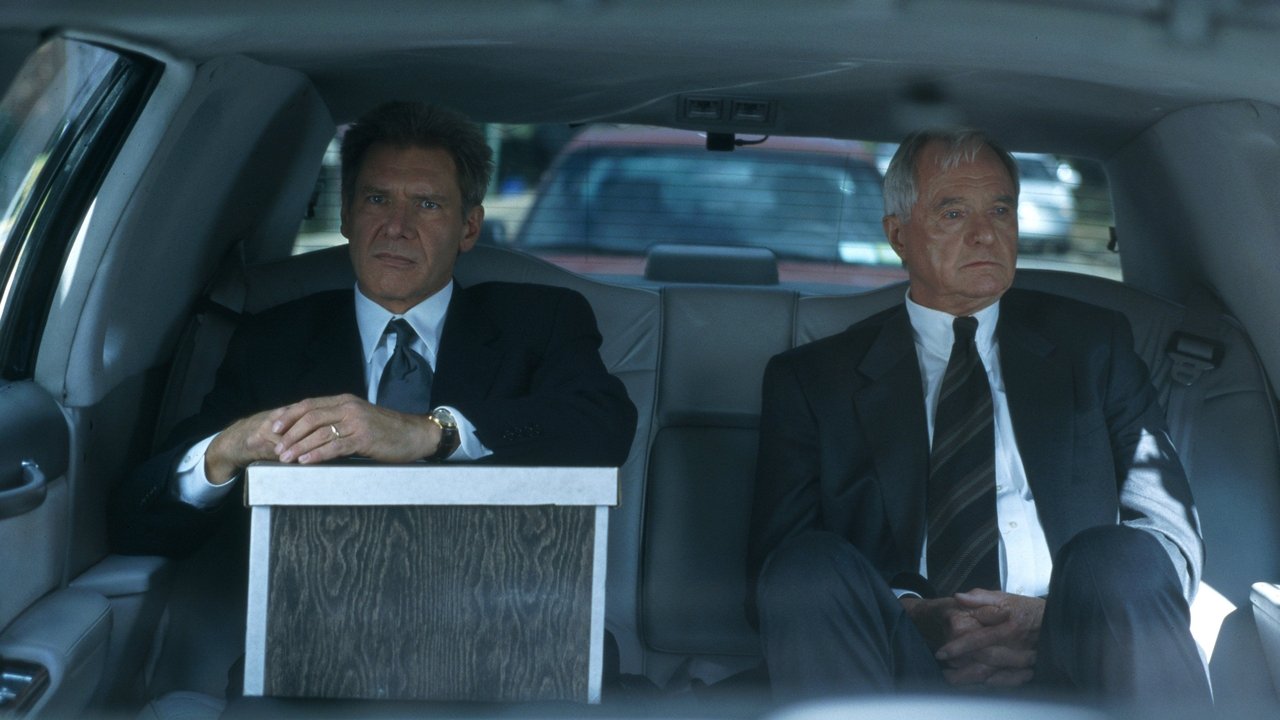
Sydney Pollack directs with a deliberate, measured pace that some found trying back in '99. This wasn't the quick-cut energy dominating multiplexes. Instead, Pollack lets scenes breathe, allowing the silence and the weight of the characters' thoughts to fill the space. It mirrors the slow, arduous process of grieving and coming to terms with uncomfortable truths. The muted color palette and focus on the rainy, official landscapes of Washington D.C. further enhance the somber, introspective mood.
Adapting Warren Adler's novel alongside Kurt Luedtke (who penned Out of Africa for Pollack), the script attempts to weave in subplots involving Dutch's internal affairs case and Kay's re-election campaign. While these elements provide context for their characters' lives and pressures, they sometimes feel secondary, occasionally pulling focus from the core emotional drama. It's this central relationship, this strange, shared investigation into their spouses' hidden lives, that truly defines the film.
Interestingly, Pollack reportedly passed on the project initially, only coming back to it years later, drawn perhaps by the challenge of its delicate emotional balance. Ford, who was also a producer, was instrumental in getting it made. Despite the star power and the pedigree of its director, Random Hearts wasn't a huge hit, pulling in around $74.6 million worldwide against its $31.5 million budget. It felt like an outlier – an adult drama about infidelity and grief in an era increasingly geared towards faster, louder entertainment. Watching it now, perhaps on a quiet evening, that deliberate pacing feels less like a flaw and more like a feature, allowing the complex emotions room to resonate. I recall renting this one from Blockbuster, probably expecting something more akin to The Fugitive meets a political thriller, and being surprised by its quiet intensity. It stuck with me, not for action, but for its unflinching look at the collateral damage of secrets.
What Lingers?
Random Hearts isn't a film you watch for easy answers or cathartic resolutions. It leaves you pondering the nature of intimacy, the secrets spouses keep, and the unexpected, often uncomfortable ways human beings connect in the face of loss. How well can you ever truly know someone? And when confronted with shattering betrayal, what part of the past do you cling to, and what part must you let go to even begin to move forward? The film doesn't offer simple solutions, mirroring the often-unresolved complexities of life itself.
Rating: 7/10
This rating reflects the film's significant strengths – primarily the compelling, nuanced performances from Ford and Scott Thomas, and Pollack's thoughtful, mature direction exploring difficult themes. It captures a specific, somber mood effectively. The deduction comes from the sometimes distracting subplots and a pace that, while deliberate, occasionally borders on sluggish, potentially losing some viewers along the way. It requires patience, but rewards it with emotional depth.
Random Hearts remains a potent, if melancholic, snapshot of adult lives suddenly thrown into disarray, a reminder that sometimes the most profound dramas unfold not in explosions, but in the quiet, devastating aftermath.