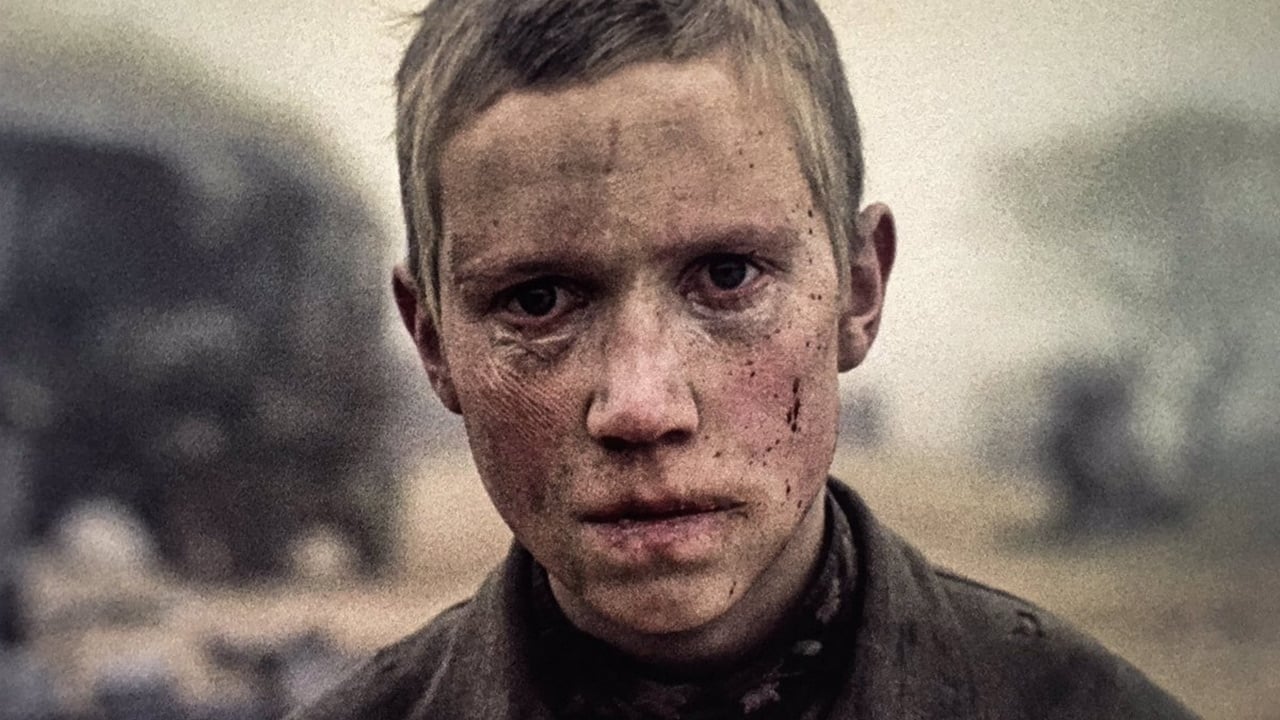
There are images etched into the mind after watching Elem Klimov’s 1985 masterpiece, Come and See, images that don’t fade with the VCR’s eject chime or the passage of years. Chief among them are the eyes of Florya Gaishun, played with shattering, almost unbearable authenticity by a fourteen-year-old Aleksei Kravchenko. They begin wide with the naive eagerness of a boy desperate to join the Soviet partisans fighting the Nazi invasion of Byelorussia in 1943. By the film's end, those eyes reflect the abyss – ancient, ravaged, staring back at us from a face aged decades by trauma in mere days. Few films have ever charted the destruction of a soul with such unflinching, visceral power.
A Descent into Hell
Finding this film on a video store shelf back in the day was often an accident, perhaps tucked away in a dusty "Foreign Films" section. The stark cover art might hint at seriousness, but nothing truly prepares you for the experience. Come and See (original title: Idi i smotri) isn't merely a war film; it's an immersion into the sensory and psychological reality of total war, specifically the calculated atrocities committed on the Eastern Front during World War II. Based partly on the novel The Khatyn Story by Ales Adamovich (who co-wrote the screenplay with Klimov), the film follows Florya as he gleefully digs up a rifle to join the fight, ignoring his mother's desperate pleas. What follows is not heroic adventure, but a stumbling, hallucinatory journey through a landscape ravaged by unimaginable brutality.
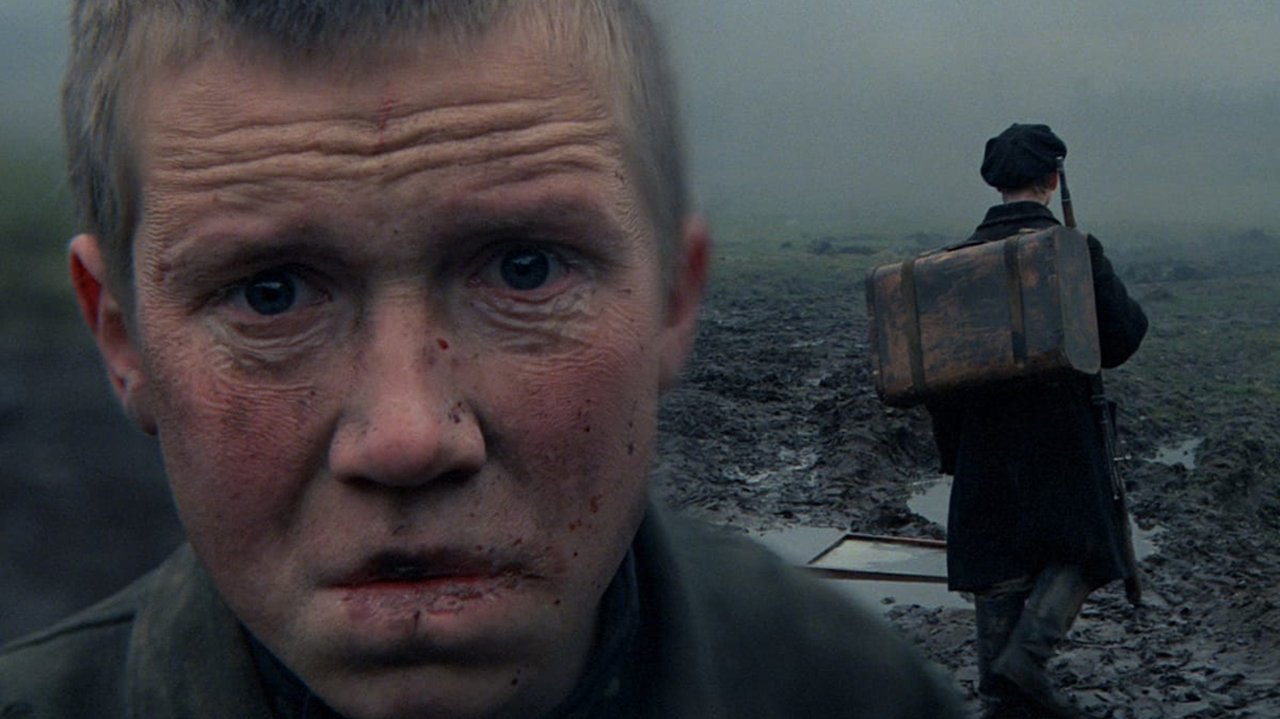
Klimov, who himself was evacuated from Stalingrad as a child, directs with a sense of nightmarish immediacy. The camera often clings to Florya, sometimes even adopting his bewildered point-of-view, forcing us to witness events alongside him. The use of Steadicam creates a floating, disorienting effect, mirroring Florya's detachment as horrors mount. There's a scene involving Florya and the young girl Glasha (Olga Mironova) wading through a swamp – the mud, the buzzing insects, the sheer exhaustion – it feels less staged and more endured. It's moments like these, grounded in physical experience, that make the later, more surreal atrocities feel terrifyingly plausible.
The Weight of Truth
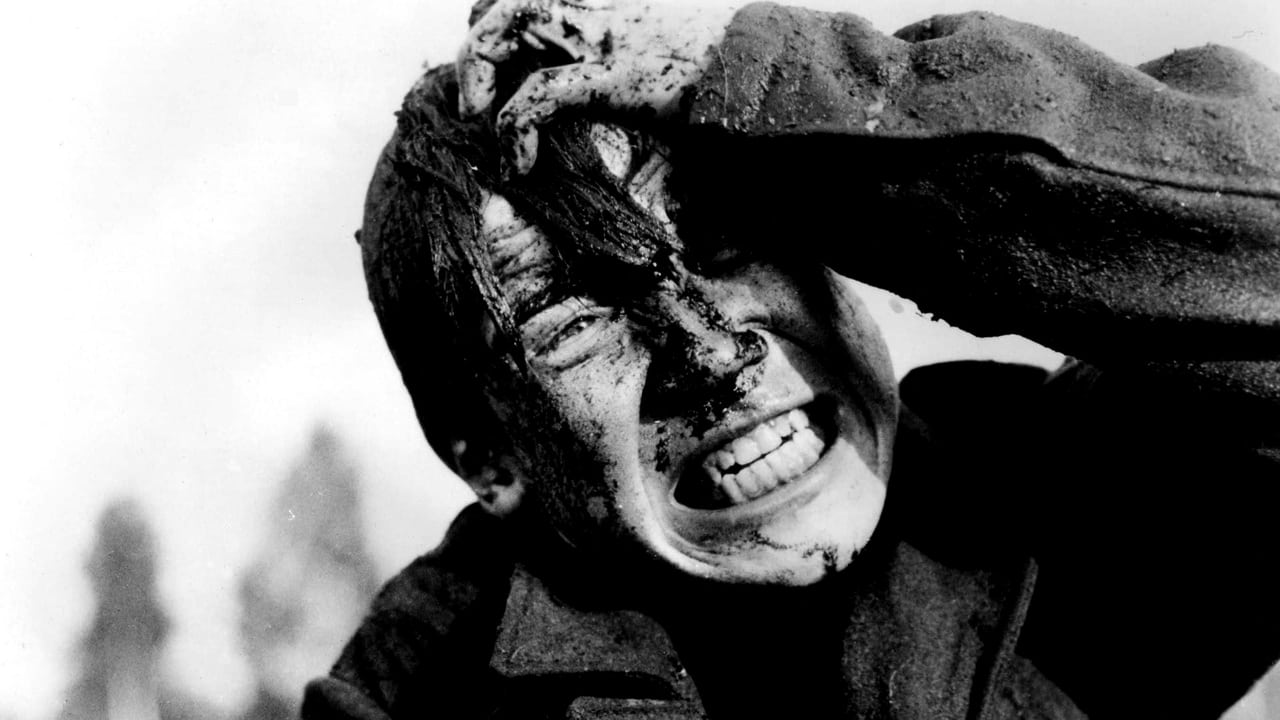
The production stories surrounding Come and See are almost as harrowing as the film itself. Klimov fought Soviet censors for years to get it made. He insisted on historical accuracy, filming in Byelorussia (now Belarus) where these events occurred and using period-accurate weaponry. Most chillingly, reports persist that live ammunition was often used on set, flying overhead during certain sequences to elicit genuine reactions of fear from the actors, many of whom were non-professionals. You can feel that danger, that lack of artifice, bleeding through the screen. It adds a layer of disturbing authenticity that Hollywood pyrotechnics could never replicate.
Then there's Aleksei Kravchenko. It’s difficult to even call it a performance; it feels like a documented ordeal. Klimov reportedly considered using hypnosis to protect the young actor from the psychological toll of the role, though Kravchenko himself has downplayed this. Regardless, the physical transformation Kravchenko undergoes is staggering – his hair thins and greys, his face becomes deeply lined, his eyes lose their light. It’s a testament to both his resilience and Klimov’s direction that he could embody such profound trauma. It's said Klimov directed very little after Come and See, suggesting the immense personal cost of bringing this vision to life. Could anyone truly revisit such darkness?

Beyond the Battlefield
While depicting specific historical events – the Nazi genocide in Byelorussia, where hundreds of villages were burned with their inhabitants – Come and See transcends its setting. It becomes a howl against the very nature of war and the ideologies that fuel mass violence. The film doesn't shy away from the dehumanizing effects on everyone involved. The sequence involving the barn massacre is one of the most difficult and ethically challenging scenes in cinema history, filmed with a relentless gaze that refuses to look away. Yet, Klimov avoids simple exploitation. The horror isn't gratuitous; it feels devastatingly necessary to convey the reality of what happened.
The film’s unique sound design is also crucial, mixing diagetic sounds – gunfire, screams, the drone of planes – with unsettling ambient noise and distorted music (including Mozart, jarringly). Sometimes, sound drops out entirely, leaving only a high-pitched ringing, mimicking Florya's shell shock. It’s an assault on the senses that mirrors the protagonist's shattering experience.
An Enduring, Excruciating Masterpiece
Watching Come and See isn't enjoyable in the conventional sense. It's grueling, upsetting, and profoundly disturbing. It’s the kind of VHS tape you might have rented once, drawn by curiosity or a recommendation, and then found yourself unable to shake for weeks, months, even years. It doesn't offer catharsis or easy answers. Instead, it demands witness. It forces a confrontation with the depths of human cruelty and the fragility of innocence in the face of industrialized slaughter. It stands as a stark, essential counterpoint to more sanitized or heroic depictions of war. This isn't Rambo; this is the face of hell reflected in a child's eyes.
Rating: 10/10
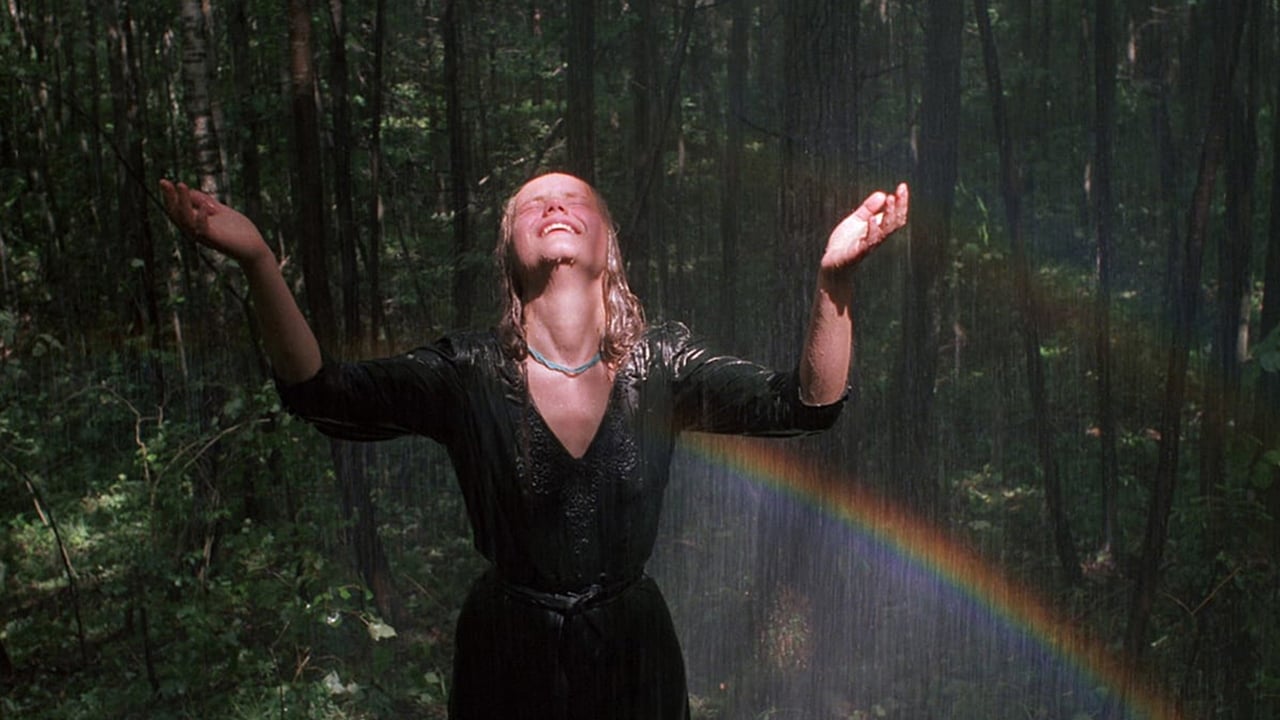
This is not a score based on rewatchability or entertainment value, but on sheer artistic power, historical importance, and unforgettable impact. Come and See achieves its horrifying aims with near-perfect execution, from Klimov’s visionary direction to Kravchenko’s devastating central performance and the film's overall technical mastery. It's a flawless execution of an excruciating vision.
Come and See remains one of cinema's most potent anti-war statements, a film that utilizes the medium not for escape, but for a brutal, necessary confrontation. What does it leave you with? Not comfort, but a chilling understanding, carried in the echo of Florya’s final, haunted gaze.