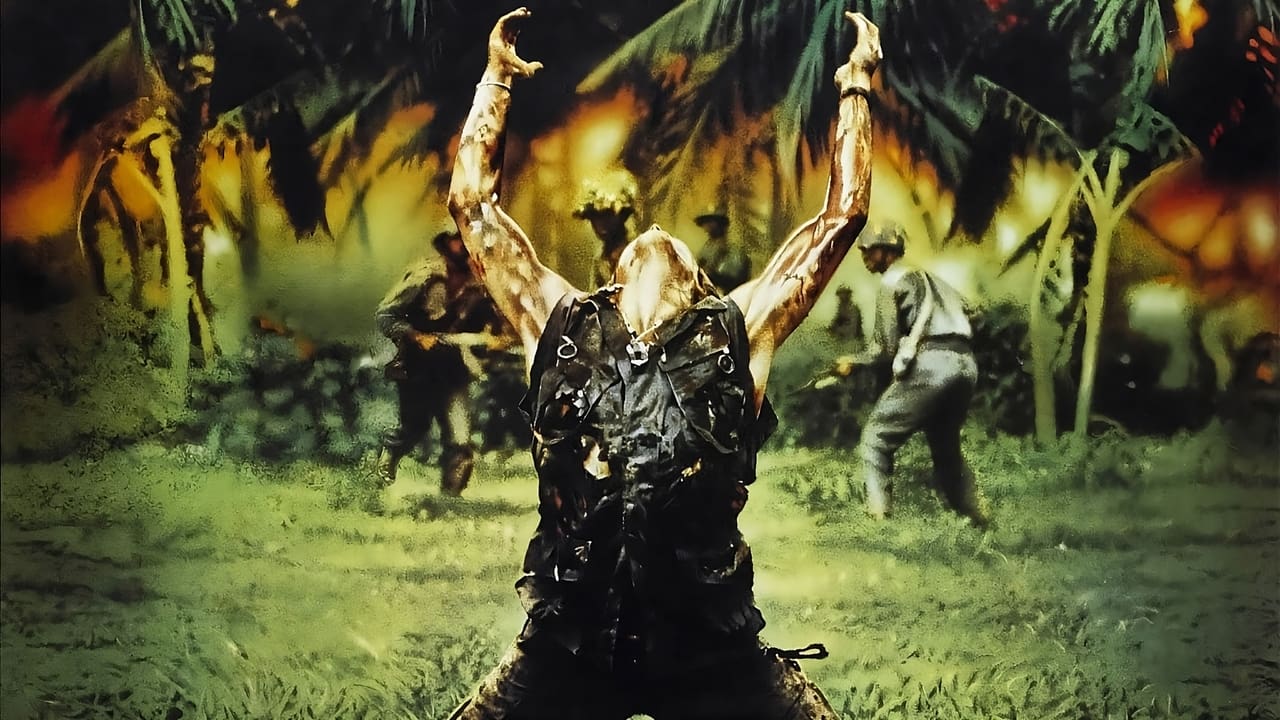
Few films feel torn directly from the soul of their creator quite like Oliver Stone's Platoon. Released in 1986, amidst a very different wave of screen depictions of combat – often more stylized or jingoistic – this film landed like a fragmentation grenade in the living rooms of America. For many of us browsing the aisles of the local video store, the stark, evocative cover art hinted at something intense, but I doubt many were truly prepared for the raw, harrowing journey contained on that VHS tape. I recall renting it, perhaps nestled between a lighter comedy or an action flick, expecting a war movie, yes, but receiving something far more profound and unsettling. Platoon wasn't just about the Vietnam War; it felt like being in the Vietnam War, stripped bare of heroism and focused tightly on the battle for the human spirit.
Into the Green Inferno
From the opening moments, as fresh-faced Chris Taylor (Charlie Sheen) arrives "in country," Stone plunges us into an environment that's as much an antagonist as any human enemy. The oppressive heat, the claustrophobic jungle, the ever-present dampness and decay – you can almost feel the grit under your fingernails just watching it. Stone, himself a Vietnam veteran, directs with an urgency and authenticity that bleeds through the screen. This wasn't the operatic grandeur of Apocalypse Now (1979) or the mournful elegy of The Deer Hunter (1978); this was ground-level, visceral, and deeply personal. The film eschews a complex plot for an episodic structure that mirrors the disorienting reality of a soldier's tour: endless patrols punctuated by moments of terrifying violence and corrosive boredom.
The Duality of Man, Vietnam Style

At the heart of Platoon lies the searing conflict between two sergeants who represent the warring impulses within the platoon, and perhaps within humanity itself. Tom Berenger, in a career-defining, terrifying performance, embodies Sergeant Barnes. Scarred physically and psychically, Barnes is pure, brutal pragmatism bordering on nihilism. He’s the embodiment of the war's dehumanizing power, utterly convincing in his cold efficiency and terrifying rage. Berenger’s transformation was reportedly aided by makeup artist Gordon Smith applying his distinctive facial scars daily using a specific layering technique, contributing significantly to the character's intimidating presence.
Counterbalancing Barnes is Sergeant Elias, played with soulful grace by Willem Dafoe. Elias represents idealism, compassion, and a desperate attempt to retain humanity amidst the carnage. He’s the conscience of the platoon, offering a different kind of leadership rooted in empathy. Dafoe's portrayal is magnetic; his moments of quiet reflection and defiant courage are unforgettable, culminating in one of cinema's most iconic and tragic death scenes – a pose that became instantly legendary, often replicated but never matched in its raw power. The tension between these two figures, and the men forced to choose sides, forms the film's potent dramatic core. It forces us to ask: which path would we follow in such extremity? What parts of ourselves might surface?
Forged in Fire: Behind the Battle Lines

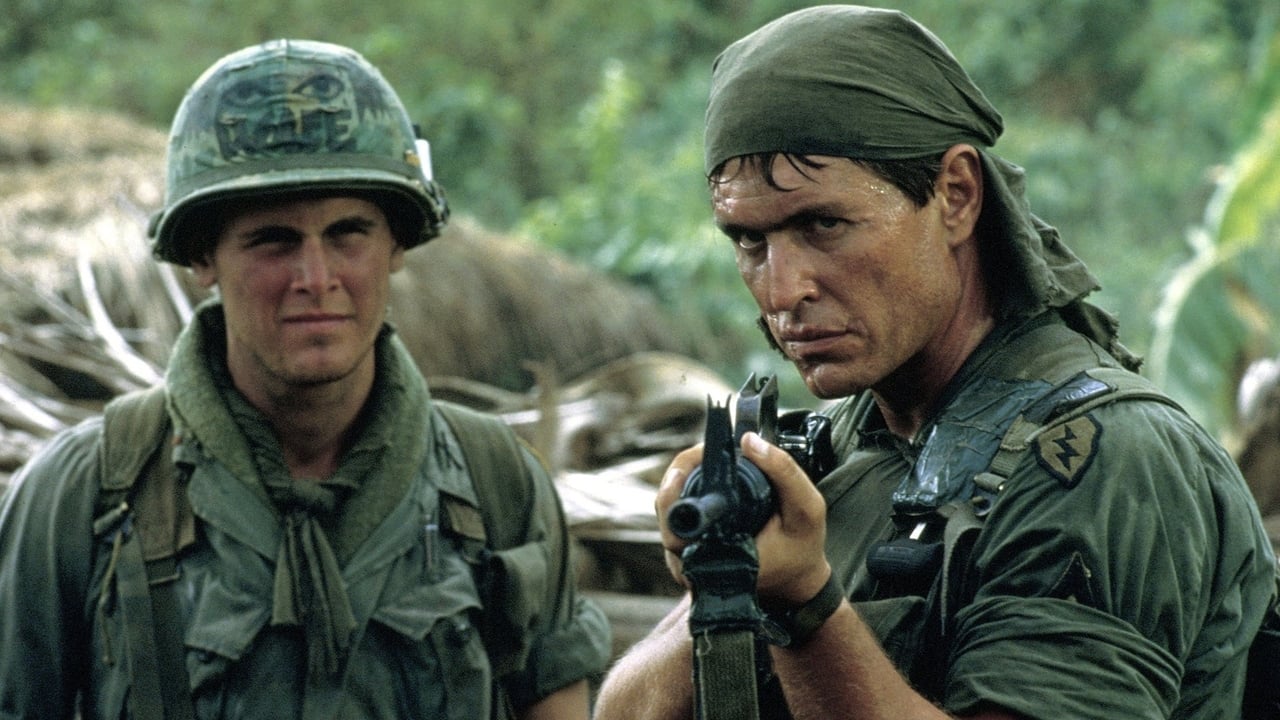
The film's staggering realism wasn't accidental. Stone insisted his actors endure a brutal, two-week boot camp in the Philippines jungle before filming commenced, led by military advisor Dale Dye (who also has a role as Captain Harris). They ate military rations, endured forced marches, dug foxholes, and underwent ambushes with simulated explosives – all designed to strip away their civilian personas and forge a believable unit onscreen. This shared hardship undoubtedly contributed to the authenticity palpable in the performances. Charlie Sheen, son of Martin Sheen who starred in Apocalypse Now, carries the film effectively as the audience's surrogate, his initial wide-eyed volunteerism eroding into weary disillusionment. His journey mirrors Stone's own experience, adding another layer of poignant truth.
Filmed on a relatively modest budget of around $6 million, Platoon became a critical and commercial behemoth, grossing over $138 million domestically (that's north of $380 million today!) and sweeping the Academy Awards, including Best Picture and Best Director for Stone. Its success proved audiences were ready for a more complex, less sanitized look at the Vietnam conflict. Interestingly, Stone had written the script years earlier, but studios were hesitant until the cultural perspective on the war began to shift. Even casting had its challenges; Keanu Reeves apparently turned down the role of Chris Taylor, and Mickey Rourke reportedly passed on playing Barnes, paving the way for Sheen and Berenger's unforgettable turns.
Legacy Under Fire
Platoon didn't just depict the Vietnam War; it redefined how it was portrayed on film for a generation. Its influence can be seen in countless subsequent war films that aimed for similar gritty realism and psychological depth. It brought the grunt's-eye view into sharp focus, emphasizing the moral ambiguities and devastating psychological toll of modern warfare. Watching it again now, decades later, its power hasn't diminished. The grainy transfer on an old VHS might even add to the gritty aesthetic, reminding us of a time when films felt less polished, perhaps more dangerous. It’s a tough watch, no doubt, but an essential one. It serves as a stark reminder of the human cost of conflict, the fragility of morality under pressure, and the ghosts that follow soldiers home.
Rating: 9.5/10
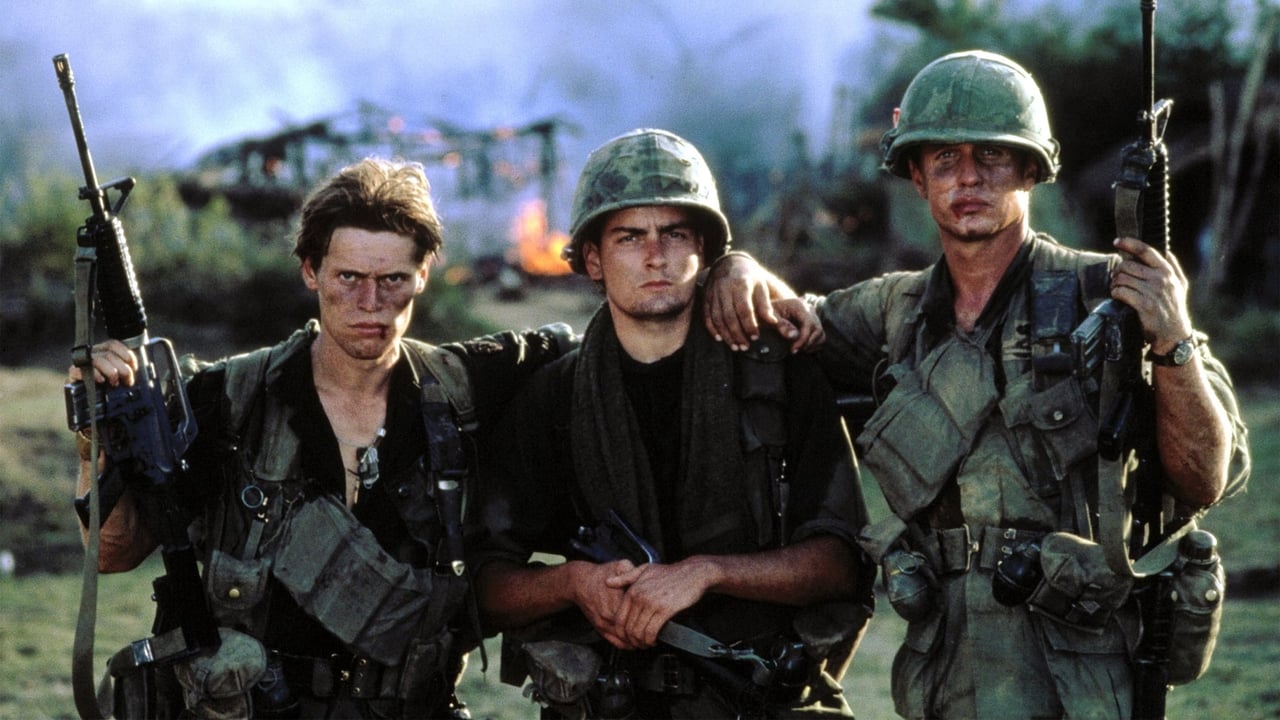
This near-perfect score reflects Platoon's visceral authenticity, stemming directly from Stone's personal experience and conveyed through his unflinching direction. The powerhouse performances from Berenger and Dafoe embody the film's core conflict with terrifying and heartbreaking conviction, while Sheen provides a relatable anchor. Its groundbreaking realism, psychological depth, and lasting impact on the war film genre solidify its place as a masterpiece. It loses half a point only for the sheer emotional toll it takes, making it a film admired more than perhaps "enjoyed" in the traditional sense.
Platoon remains a searing, vital piece of cinema, a film that grabbed you by the collar in 1986 and still refuses to let go, leaving you pondering the darkness and light that resides within us all, long after the screen fades to black.