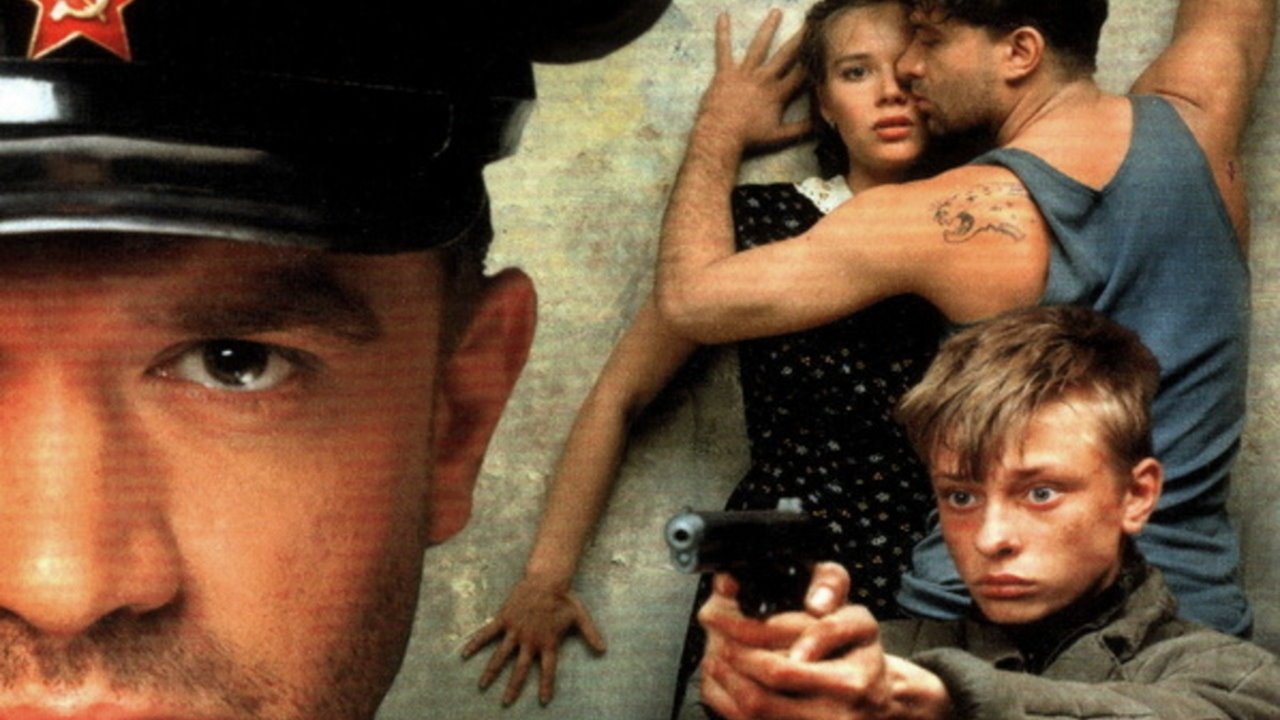
A train rattles through a landscape still scarred by war, carrying a young widow and her small son towards an uncertain future. Then, he appears – handsome, confident, a decorated officer seemingly dropped from the sky into their bleak lives. It's 1952, deep within the Soviet Union, and this chance encounter is the seed from which Pavel Chukhray's devastatingly poignant 1997 film, The Thief (original title: Vor), unfolds. This wasn't likely the tape you grabbed every Friday night alongside the latest action flick, but for those of us who occasionally ventured to the 'Foreign Language' section of the video store, seeking something beyond the familiar, The Thief offered a profound, unsettling experience that lingered long after the VCR whirred to a stop.
A World Painted in Shades of Grey
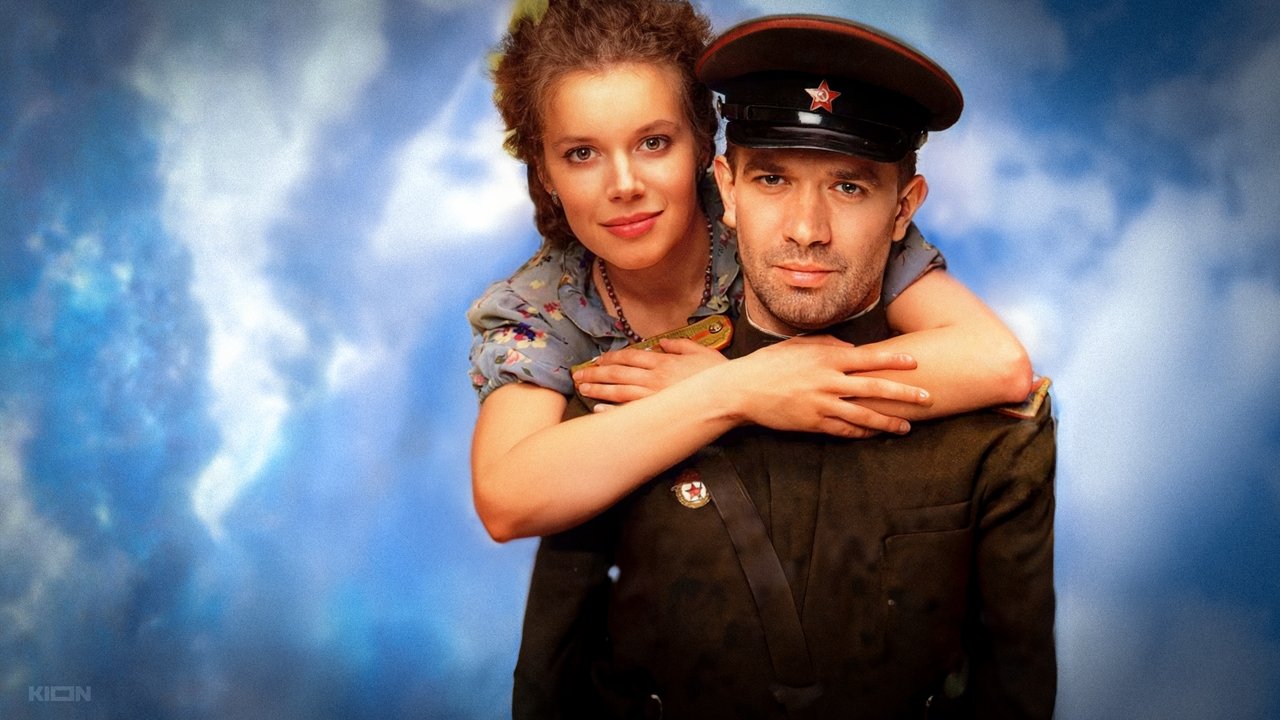
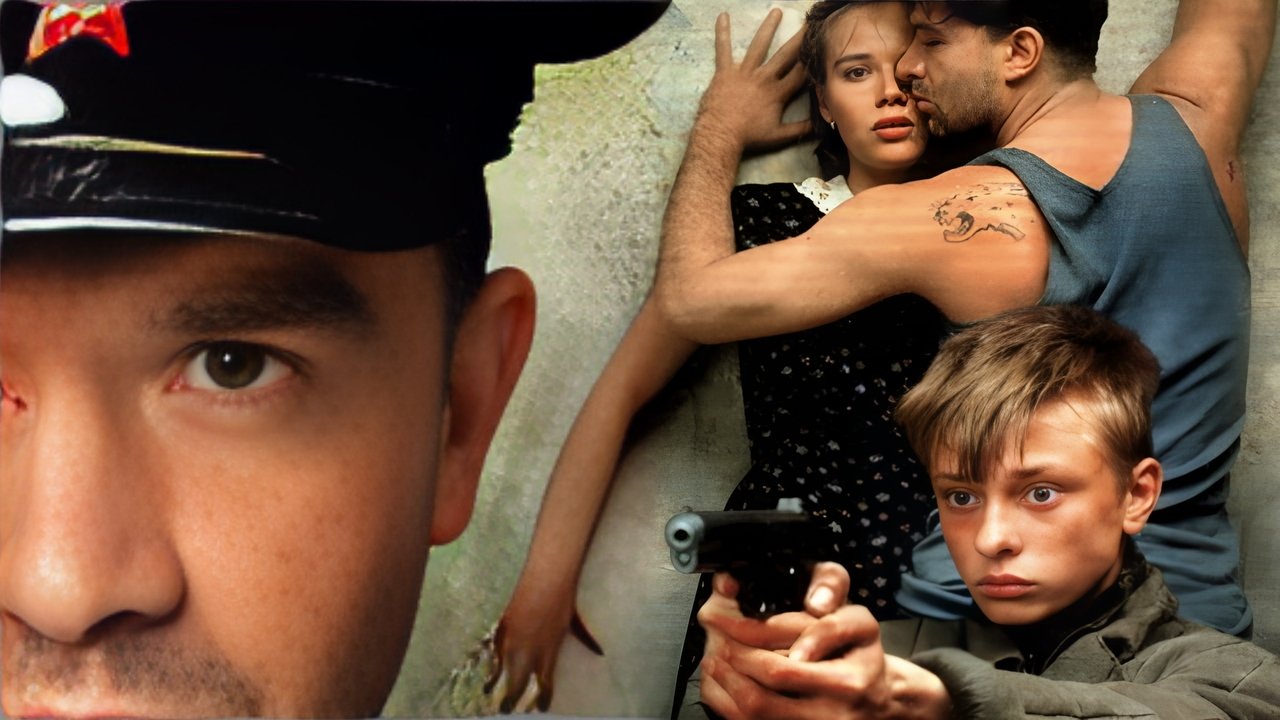
The film immediately immerses us in the claustrophobic reality of post-war Russia. We see it through the eyes of six-year-old Sanya (Misha Philipchuk), a boy desperate for a father figure after losing his own in the war. His mother, Katya (Yekaterina Rednikova), is young, vulnerable, and weary. When Tolyan (Vladimir Mashkov), the charismatic soldier, enters their lives, he offers the promise of stability, protection, even love. He charms Katya, and slowly, painstakingly, begins to win over Sanya, teaching him toughness and male camaraderie, fulfilling a desperate need in the boy's heart. Yet, from the outset, there's a current of unease beneath Tolyan's polished surface. Something doesn't quite fit.
Chukhray masterfully crafts an atmosphere thick with suspicion and hardship. The communal apartments, cramped and lacking privacy, reflect the oppressive nature of the era. Life is depicted with stark realism – the scarcity, the fear, the quiet desperation etched on people's faces. There's a pervasive sense that survival often requires compromise, a theme the film explores with heartbreaking nuance. The cinematography often stays close to the characters, particularly Sanya, emphasizing his perspective and the bewildering, often frightening world of adults he's trying to navigate.
The Enigma at the Center
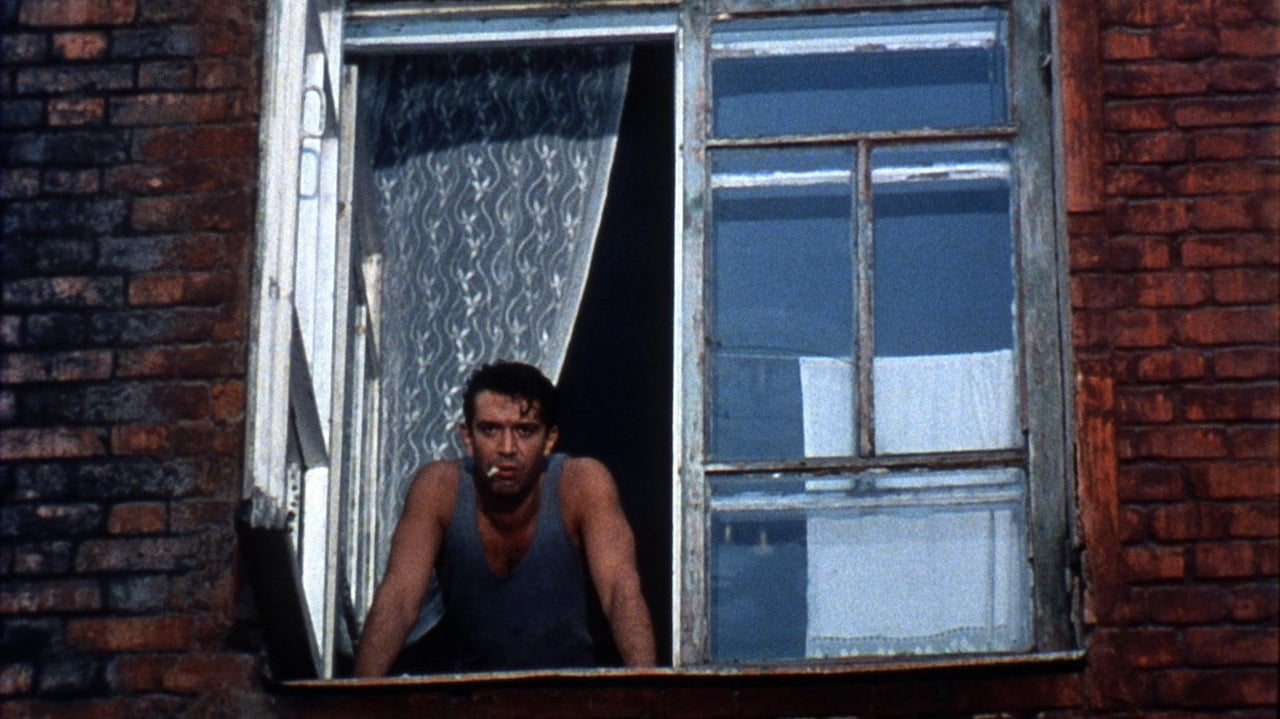
Vladimir Mashkov delivers a powerhouse performance as Tolyan. He possesses an undeniable magnetism; you understand completely why Katya falls for him and why Sanya desperately wants to believe in him. He can be charming, tender, even paternal. But Mashkov brilliantly layers this with flashes of coldness, calculation, and a barely concealed capacity for violence. Is he a product of the brutal times, a survivor doing what he must? Or is there something fundamentally broken within him? The film deliberately leaves room for interpretation, forcing us to confront the complexities of his character. His gradual revelation – that he is not a soldier but a sophisticated con man and thief – is less a plot twist and more a confirmation of the unsettling ambiguity Mashkov projects from the start.
Portraits of Vulnerability and Resilience
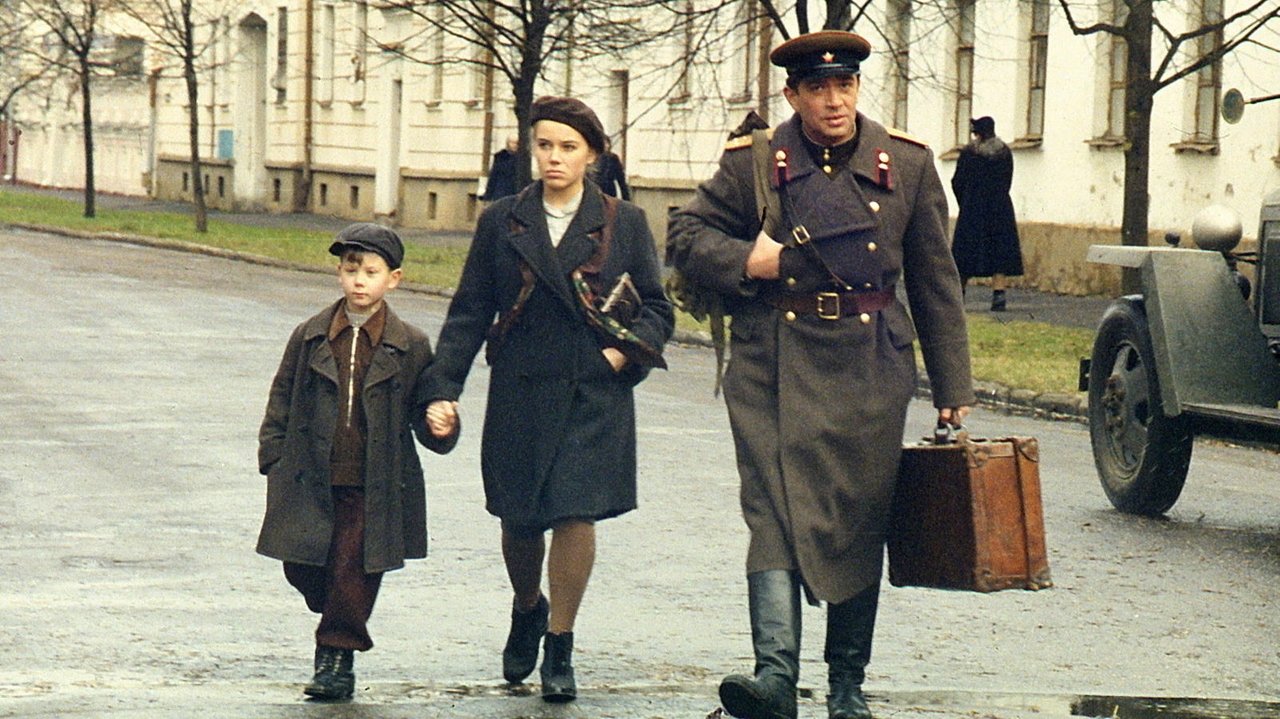
Opposite Mashkov, Yekaterina Rednikova is equally compelling as Katya. She embodies the hopes and crushing disappointments of a woman trying to rebuild her life in impossible circumstances. Her initial joy and relief at finding Tolyan are palpable, making her gradual realization of the truth all the more painful. Rednikova conveys Katya’s vulnerability without making her merely a victim; there's a quiet strength and resilience there, born of necessity.
But perhaps the film's most haunting performance comes from young Misha Philipchuk as Sanya. His portrayal is astonishingly natural and deeply affecting. Through his watchful eyes, we experience the confusion, the yearning for paternal love, the devastating betrayal, and the ultimate, indelible impact Tolyan has on his life. Philipchuk communicates volumes with just a look, capturing the complex inner world of a child grappling with adult deceptions and harsh realities. It’s a performance that stays with you, a raw depiction of innocence lost.
Echoes of History, Seeds of Disillusionment
The Thief is more than just a character drama; it's a subtle but powerful commentary on the Soviet era and the cult of personality surrounding Stalin, who is often glimpsed in portraits, an omnipresent, god-like figure. Tolyan, in many ways, becomes a surrogate father figure, mirroring the state's promise of security while ultimately proving deceptive and dangerous. The film explores themes of identity – who are we when the figures we look up to are revealed to be frauds? It delves into the psychological scars left by war and the moral compromises people make to survive under an authoritarian regime.
It's perhaps telling that director Pavel Chukhray is the son of Grigory Chukhray, himself a celebrated Soviet director known for Ballad of a Soldier (1959). There's a sense of grappling with the past, viewing the Soviet promise through a lens of earned disillusionment. That The Thief earned a Best Foreign Language Film nomination at the Academy Awards speaks volumes about its universal resonance and storytelling power, transcending its specific historical context. It arrived near the end of the VHS era, a time when Russian cinema was finding a new voice internationally, and it stands as a landmark achievement of that period.
Rating: 9/10
The Thief is a masterful piece of filmmaking – emotionally resonant, superbly acted, and atmospherically rich. It avoids easy answers, instead presenting a complex and deeply human story set against a meticulously recreated historical backdrop. The performances, particularly from Mashkov and the young Philipchuk, are simply unforgettable, driving the film's emotional core. The pacing is deliberate, allowing the weight of the characters' situations and the chilling ambiguity of Tolyan's nature to fully sink in. It earns its high rating through its artistic integrity, its powerful thematic exploration, and its sheer emotional impact.
This is one of those films that might have required a bit more searching at the video store, perhaps a recommendation from a clerk who knew their stuff. But finding it felt like unearthing something vital, a potent reminder of cinema's ability to transport us, challenge us, and leave us contemplating the shadows long after the credits roll. What does it mean to search for a father, only to find a ghost? The Thief doesn't flinch from the question.