There's a particular heat that radiates from certain films, a sun-baked intensity that settles deep in your bones long after the credits roll. It's not just the setting, though the Provence depicted in Claude Berri's 1986 masterpiece, Jean de Florette, is almost painfully palpable. It’s the slow-burning heat of human nature at its most grasping and tragically flawed. Watching it again, decades after first encountering its earthy colours and operatic emotions on a worn VHS tape, the film feels less like a simple story and more like an inescapable parable etched into the landscape itself.
Beneath the Provencal Sun
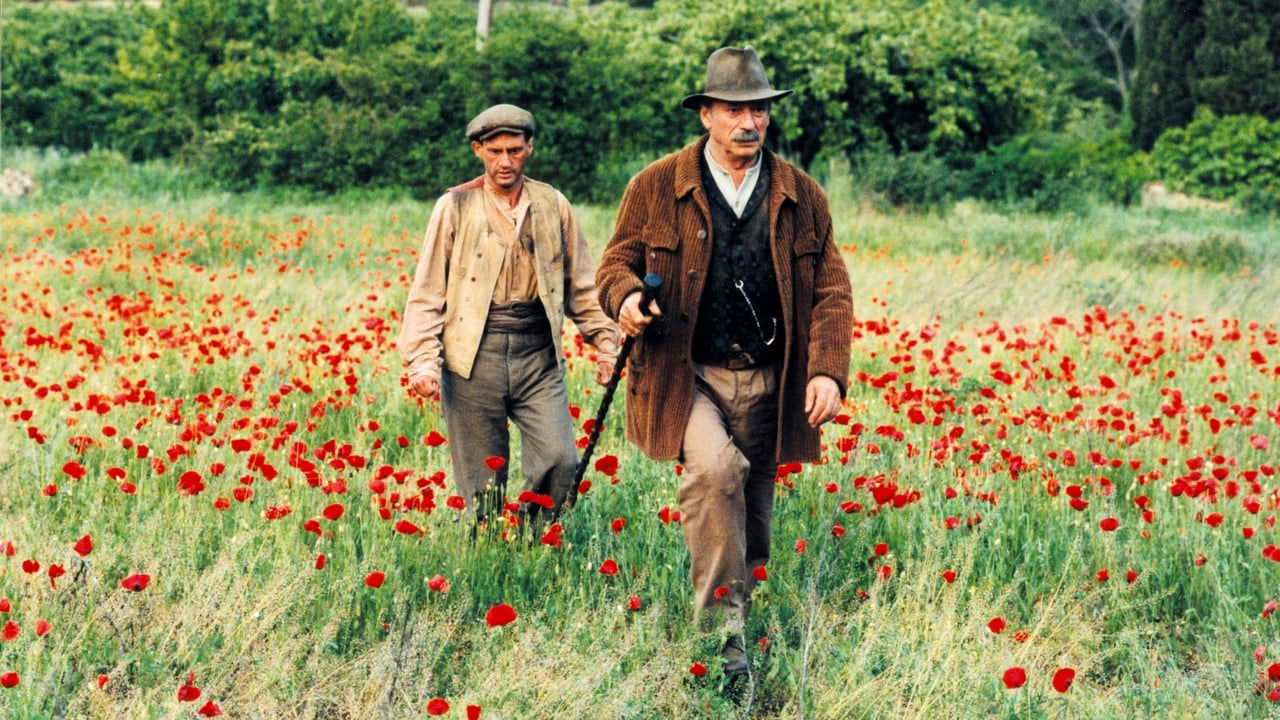
Based on the first half of Marcel Pagnol's beloved novel L'Eau des collines (The Water of the Hills), the premise is deceptively simple. In a remote village nestled amidst the picturesque hills of Provence, the aging César Soubeyran, known as 'Le Papet' (Yves Montand), and his fumbling, eager-to-please nephew Ugolin (Daniel Auteuil) covet a neighbouring property for its hidden spring – the key to Ugolin’s dream of growing profitable carnations. Their plan is simple: block the spring, ensure the inherited property remains seemingly arid and undesirable, and buy it cheap. The obstacle arrives in the form of Jean Cadoret, known as Jean de Florette (Gérard Depardieu), a city-dweller, a former tax collector, and the rightful heir. Full of romantic ideals and armed with agricultural textbooks, Jean moves his wife and young daughter, Manon, to the farm, determined to make a life from the land, utterly unaware of the vital secret buried beneath its thirsty soil, or the conspiracy working against him.
A Conspiracy of Silence and Stone
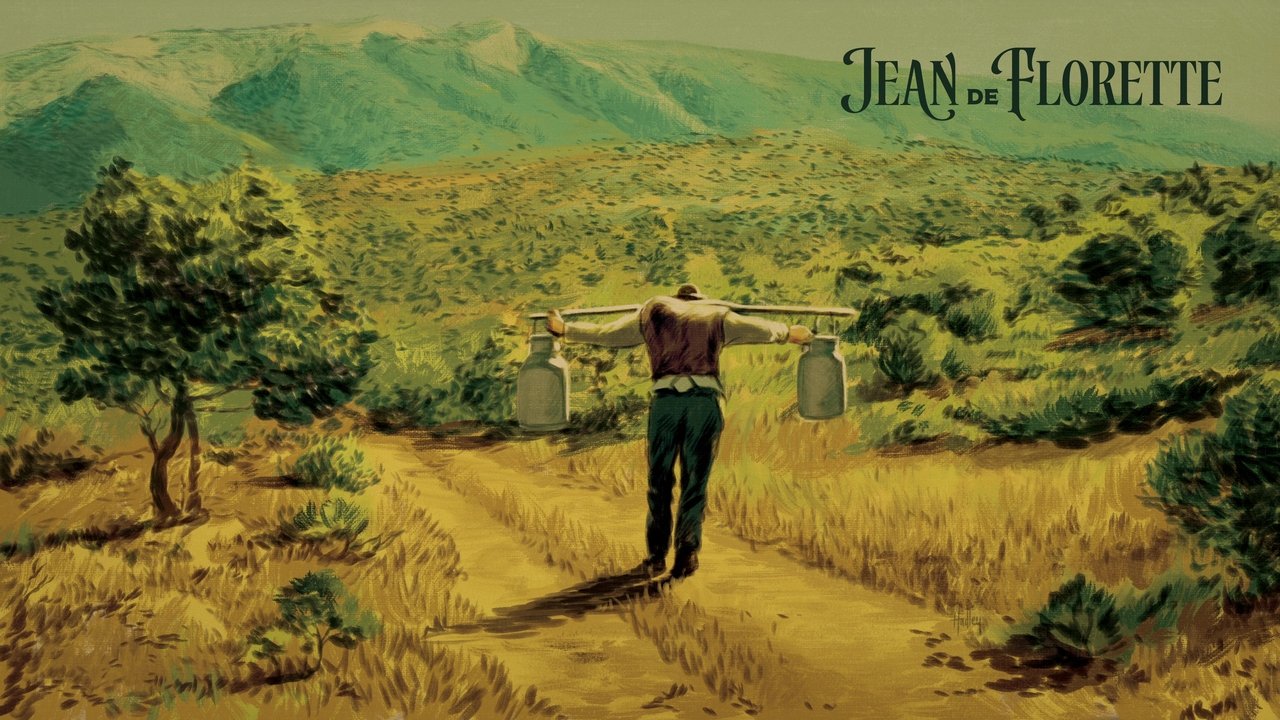
What unfolds is a tragedy of almost Greek proportions, played out under azure skies. Berri masterfully uses the stunning, yet harsh, Provencal landscape not just as a backdrop, but as an active participant in the drama. The cinematography captures both the idyllic beauty – the rolling hills, the ancient stone farmhouses, the shimmering heat haze – and the brutal reality of the dry Mistral wind and the unforgiving summer sun. You feel the dust, the desperate search for water, the back-breaking labour Jean undertakes. This visual richness was no accident; Jean de Florette and its sequel, Manon des Sources (often called Manon of the Spring), were filmed back-to-back over nine months, representing a monumental undertaking for French cinema at the time. With a budget reported around $17 million USD (a staggering sum for France in the mid-80s, likely over $45 million today), it was briefly the most expensive French film ever made, and every centime feels present on screen, immersing us completely in this specific time and place.
Performances Forged in Earth and Emotion
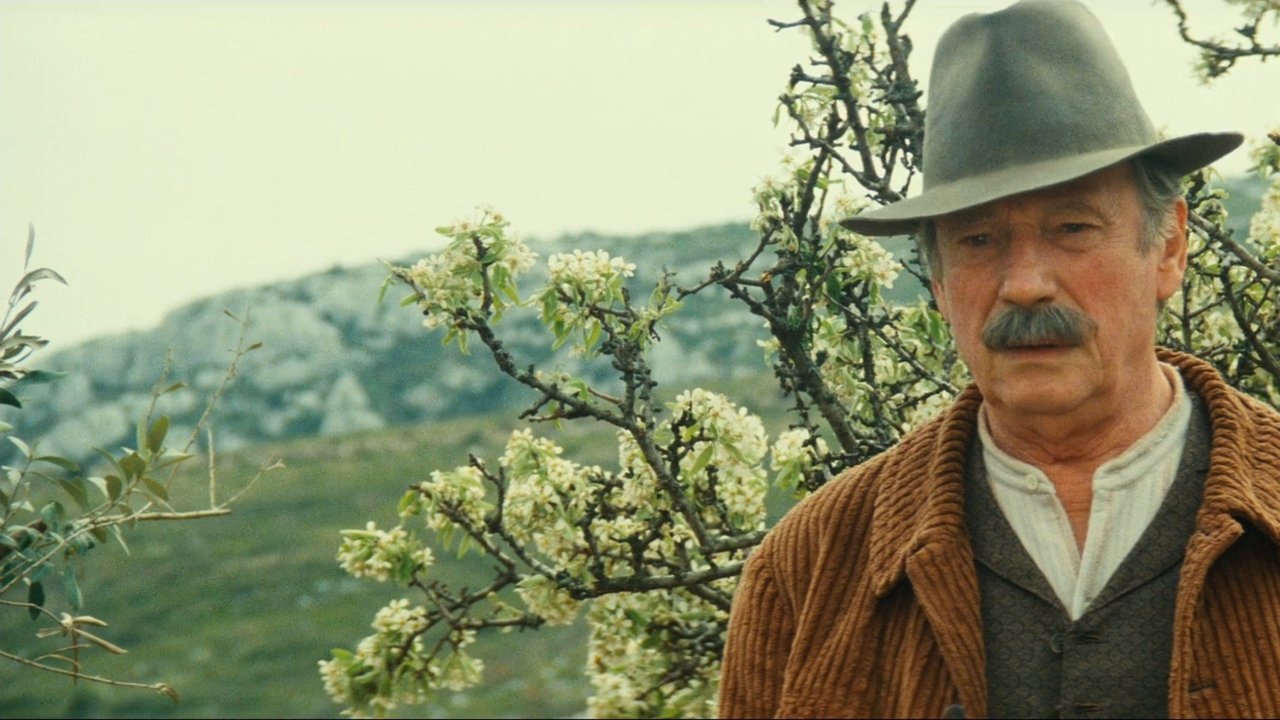
The film rests heavily on its central trio, and their performances are nothing short of extraordinary. Yves Montand, in one of his final, towering roles, embodies Le Papet with chilling authenticity. He’s the patriarch, the schemer, his eyes missing nothing, his motivations rooted in legacy and a peasant cunning that values land and lineage above all else. There’s a weight to his presence, a sense of history and ingrained territoriality that makes his quiet manipulations utterly convincing.
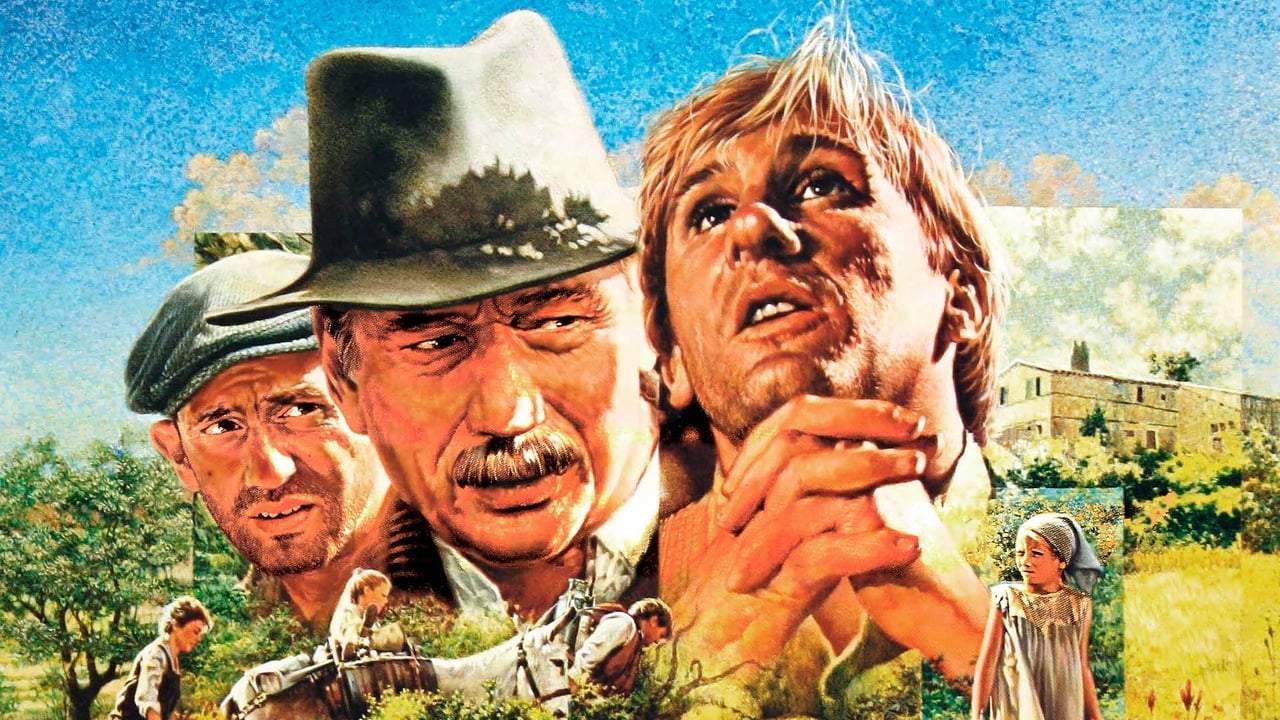
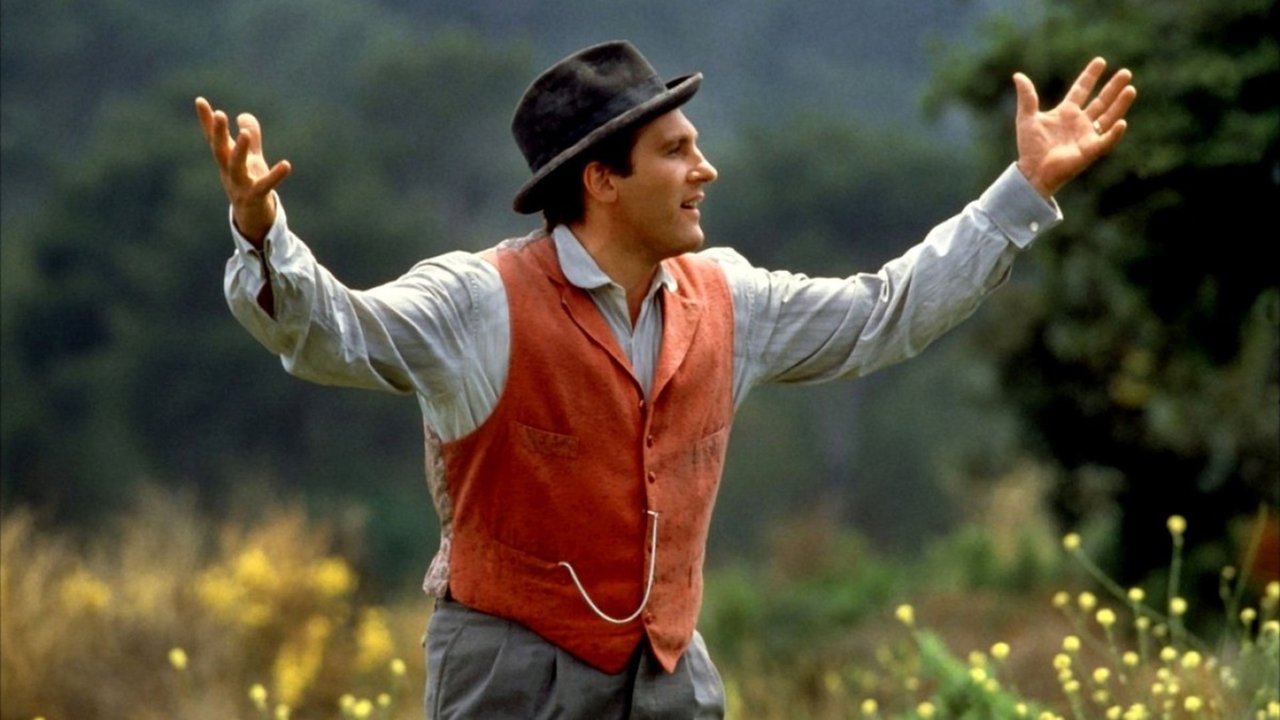
Then there is Daniel Auteuil as Ugolin. It's a transformative performance, one that rightly earned him widespread acclaim, including a BAFTA for Best Supporting Actor and a César Award. Auteuil disappears into the role – the shuffling gait, the nervous tics, the almost childlike desire for his uncle’s approval mixed with a burgeoning, selfish greed. He makes Ugolin both pathetic and deeply unsettling. You see the flicker of conscience, perhaps, but it’s quickly extinguished by ingrained avarice and weakness. It's a masterclass in physical acting and nuanced emotion. Reportedly, Auteuil wasn't the first choice, but his dedication, including gaining weight and perfecting the character's mannerisms, proved inspired.
And as Jean de Florette, Gérard Depardieu delivers a performance of heartbreaking optimism and vulnerability. His Jean is not merely a hunchback (a physical trait more emphasized in Pagnol's novel but subtly present here), but an embodiment of intellectual idealism crashing against stubborn, cruel reality. He arrives full of book-learned knowledge and grand plans, convinced that science and hard work can conquer nature. Depardieu makes you feel Jean's hope, his determination, and ultimately, his crushing physical and spiritual exhaustion as the conspired-against drought tightens its grip. His desperate efforts to haul water, bucket by excruciating bucket, become almost unbearable to watch.
The Weight of Water, The Burden of Truth
Jean de Florette isn't just about a hidden spring; it's about the poison of secrets, the corrosive nature of greed passed down like an inheritance, and the tragic consequences when community solidarity gives way to selfish calculation. It raises uncomfortable questions: How easily can 'tradition' mask cruelty? What responsibility do we bear when we remain silent in the face of injustice, even if it serves our perceived interests? The deliberate, almost pastoral pace of the film allows these themes to seep in, mirroring the slow, creeping devastation inflicted upon Jean and his family. The iconic use of Verdi's "Invano Alvaro" theme from La Forza del Destino isn't just musical flourish; it elevates the rustic struggle to the level of opera, highlighting the powerful, elemental forces at play – fate, destiny, and the destructive power of human choices.
Finding this film, perhaps nestled in the 'Foreign Language' section of the local video store back in the day, felt like uncovering a hidden gem. It demanded patience, a willingness to engage with subtitles and a story that unfolds with the rhythms of the seasons it depicts. But the reward was, and remains, immense. It’s a film that stays with you, its images – the cracked earth, the hopeful planting, the single tear rolling down a weathered cheek – lingering powerfully.
Rating: 9.5/10
This rating reflects the film's near-perfect execution. The direction is assured, the cinematography breathtaking, the score hauntingly effective, and the central performances are benchmarks of screen acting. It’s a deeply moving, visually stunning exploration of timeless human failings, crafted with exceptional artistry. The -.5 is perhaps only because its full, devastating impact requires the context of its essential companion piece, Manon des Sources.
Jean de Florette is a reminder that sometimes the most profound dramas don't need elaborate effects or high-octane action, just the sun, the earth, and the tragically conflicted heart of humanity. It leaves you pondering the hidden springs, both literal and metaphorical, that nourish or poison our lives.