My Left Foot: The Story of Christy Brown
There are performances that impress, performances that move, and then there are those rare, transformative portrayals that seem less like acting and more like a raw channeling of human spirit. Daniel Day-Lewis in My Left Foot belongs firmly in that last category, an embodiment so total, so physically and emotionally consuming, it almost defies description. Seeing it again after all these years, perhaps on a slightly fuzzy transfer reminiscent of my old taped-off-the-telly VHS copy, doesn't diminish its power one bit. If anything, the distance highlights just how singular this 1989 film truly is.
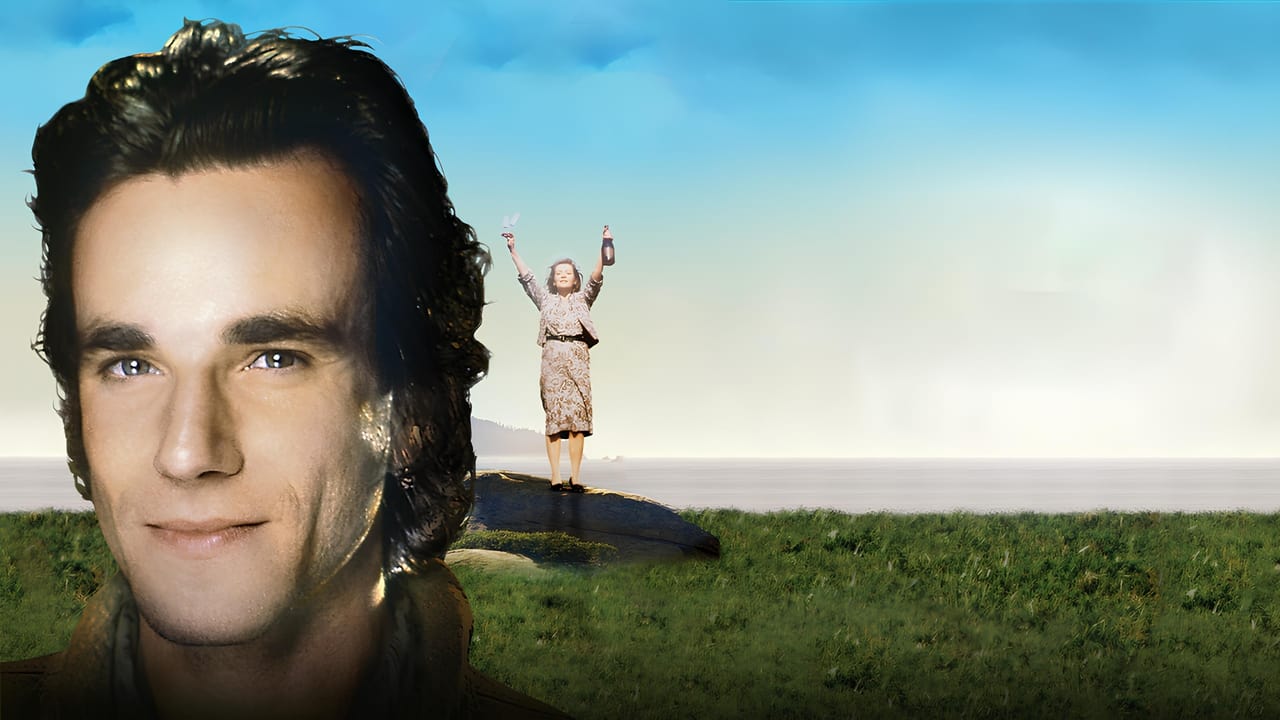
Based on the autobiography of Christy Brown, the film plunges us into the crowded, chaotic, yet fiercely loving world of a working-class Dublin family in the mid-20th century. Christy is born with severe cerebral palsy; doctors offer little hope, and for years, he is largely perceived as intellectually vacant, trapped inside a body that won't obey. It’s a premise that could easily veer into mawkish sentimentality, but director Jim Sheridan, making an astonishing feature debut, navigates it with gritty realism and profound empathy.
Against All Odds
The film hinges on moments of startling breakthrough. Who could forget the scene where young Christy, played with incredible nuance by Hugh O'Conor, painstakingly scrawls the word "MOTHER" on the floor with a piece of chalk gripped between the toes of his left foot? It's a primal scream for recognition, a defiant crack in the wall of his physical prison. And the reaction from his mother, Bridget – portrayed by the magnificent Brenda Fricker in her Oscar-winning role – is everything. Her unwavering belief, her refusal to give up on her son when nearly everyone else had, forms the emotional bedrock of the entire story. Doesn't her fierce, loving determination resonate with the kind of maternal strength we've all witnessed, or hoped for? Fricker embodies not just a mother's love, but a force of nature against societal dismissal.
A Towering Performance
Then, of course, there's Daniel Day-Lewis. His immersion into the role of the adult Christy is the stuff of legend. It’s widely known he spent months researching cerebral palsy and remained in character throughout the shoot, staying in his wheelchair between takes, even needing crew members to feed him. Some might dismiss this as excessive method acting, but the result on screen is undeniable authenticity. He doesn't just mimic the physical limitations; he inhabits the frustration, the simmering intelligence, the volcanic anger, the yearning for connection, and the sharp, often biting wit of Christy Brown. It's a performance devoid of vanity, capturing the complex, sometimes difficult man behind the disability. This wasn't just contortion; it was channeling. It's the kind of commitment that foreshadowed the astonishing career that followed, from There Will Be Blood to Lincoln. Securing the funding for the film was initially a struggle, producer Noel Pearson famously remortgaged his house to help get it made on a relatively modest budget (around $3 million), a gamble that paid off spectacularly both critically and commercially (grossing over $14.7 million in the US alone).
More Than Just One Man
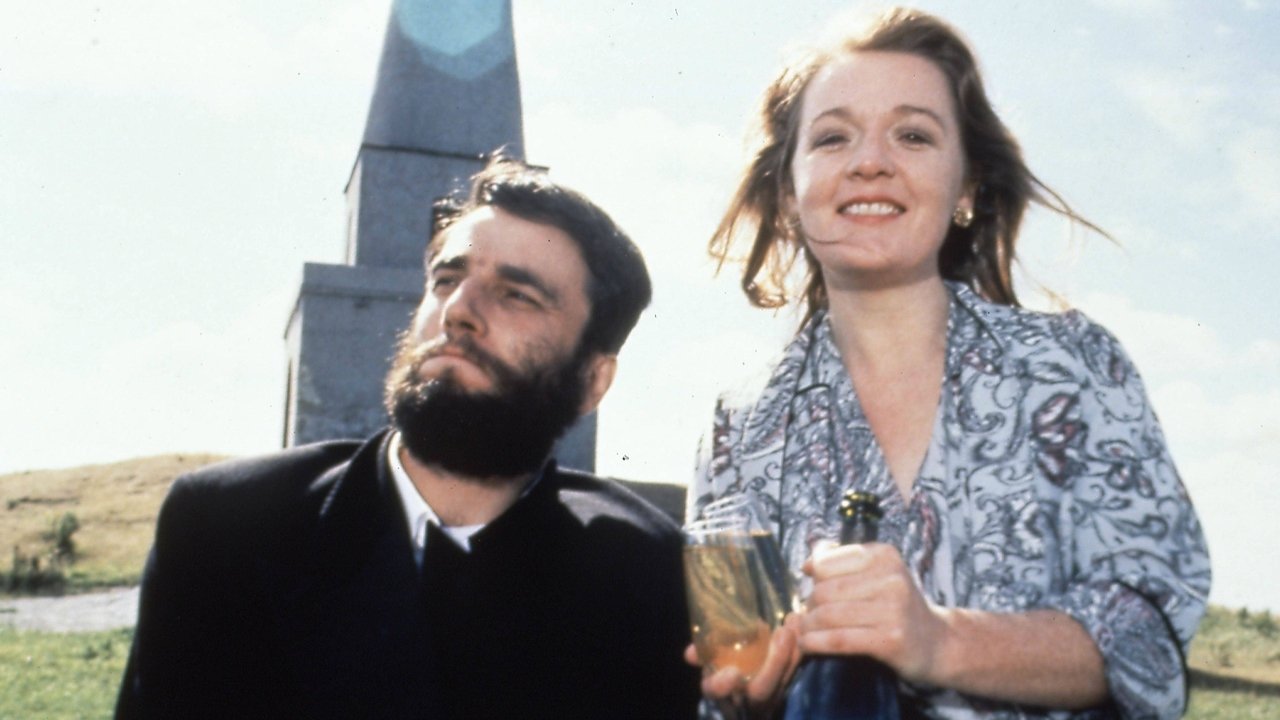
While Day-Lewis rightfully dominates, My Left Foot is very much an ensemble piece. The Brown family household feels utterly real – noisy, cramped, fiercely loyal. The late, great Ray McAnally, in his final screen role, is superb as Christy's father, a bricklayer initially bewildered and even shamed by his son's condition, who gradually comes to understand and fiercely champion him. His gruff pride is deeply moving. Sheridan, working with co-writer Shane Connaughton, captures the texture of Dublin life, the pub culture, the social challenges, and the small victories that sustain the family. There's no Hollywood gloss here; the film feels grounded, lived-in, shot largely on location in Dublin, adding another layer of authenticity.
The Artist's Voice
Beyond the physical struggle, the film beautifully portrays art – painting and writing – as Christy's lifeline, his means of expression and connection to the world. We see the painstaking effort, the intense concentration required to wield a brush or tap a typewriter key with his toes. It underscores how vital creative outlets can be, especially when other avenues of communication are closed. It makes you wonder, doesn't it, about the untapped potential lying dormant within individuals society might overlook?
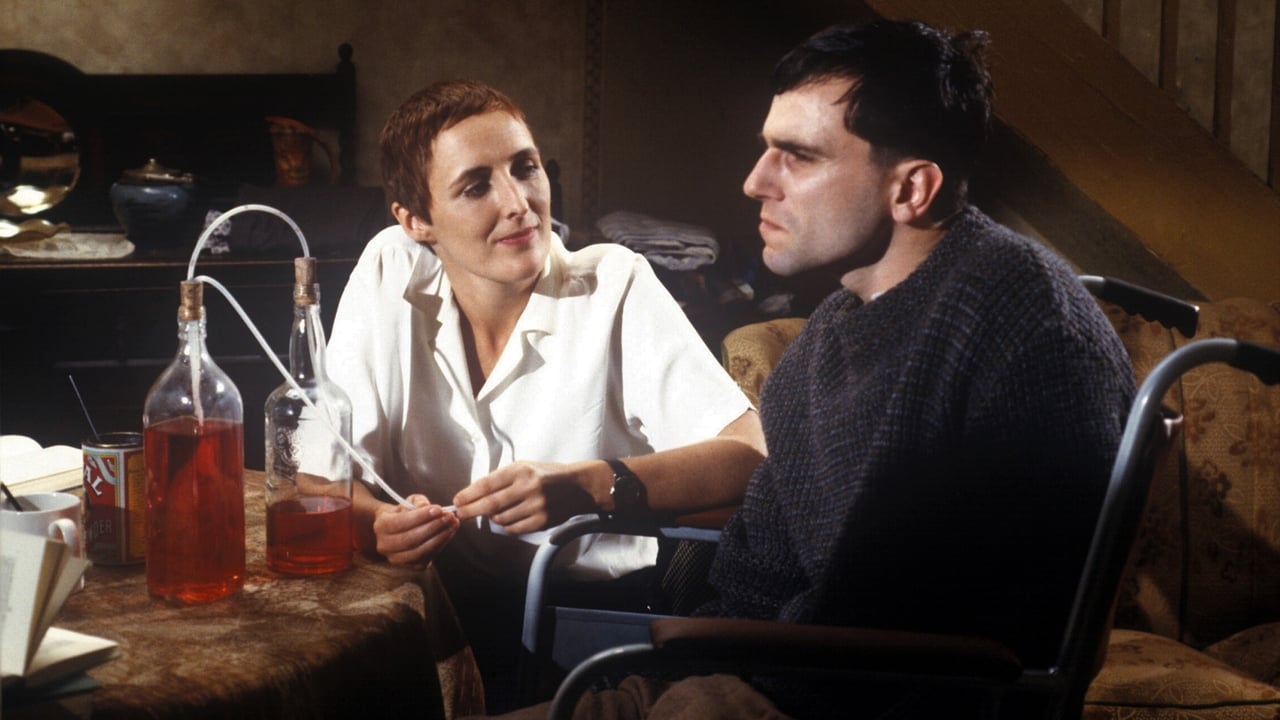
The film doesn't shy away from Christy's less saintly aspects – his drinking, his sometimes abrasive personality, his complex relationships, particularly his infatuation with his therapist, Eileen Cole (Fiona Shaw). This honesty prevents the film from becoming a simple, sanitized "triumph over adversity" tale. It's the story of a whole person, flaws and all, fighting for dignity and self-expression on his own terms.
Enduring Power
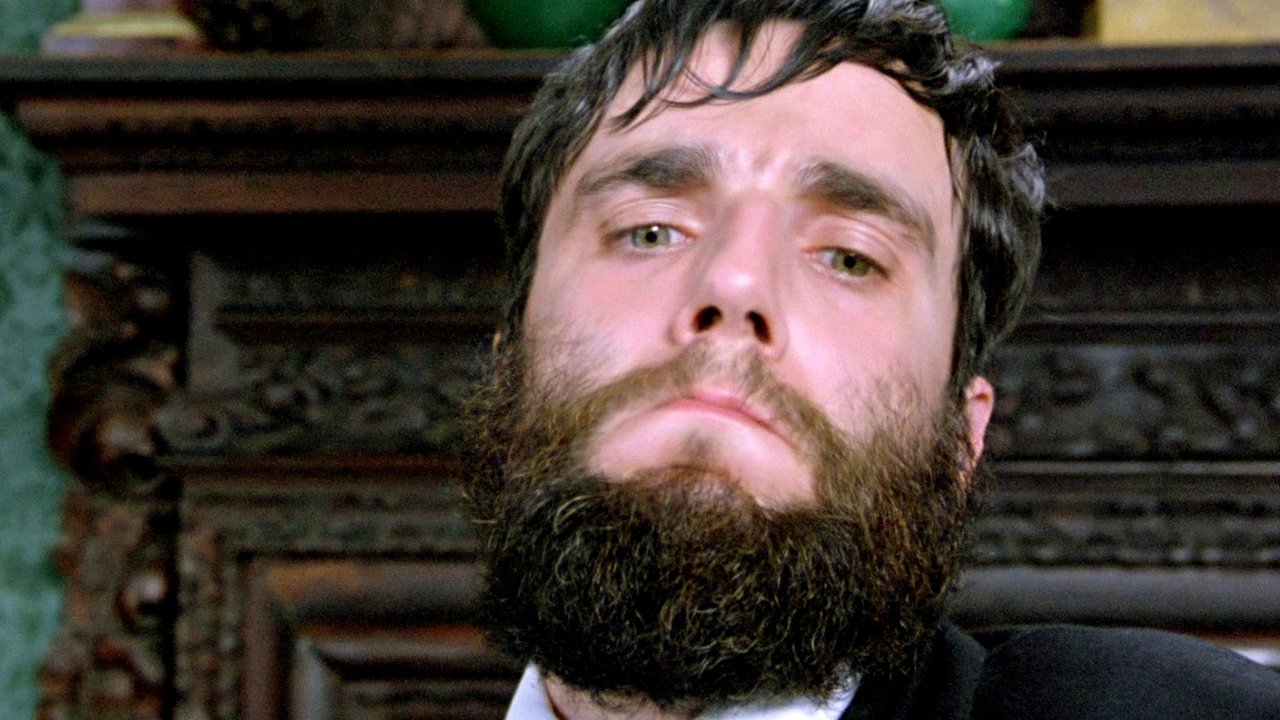
My Left Foot arrived like a thunderclap in 1989, earning five Academy Award nominations and winning two – for Day-Lewis (Best Actor) and Fricker (Best Supporting Actress). It wasn't just the awards; it was the profound impact it had on audiences. Even watching it today, knowing the story, the emotional force remains undiluted. It’s a film that celebrates resilience without resorting to cheap sentiment, anchored by performances that feel less like acting and more like bearing witness. It reminds us of the power contained within the human spirit, often in the face of unimaginable obstacles. Pulling this one off the shelf truly felt like revisiting an old, profoundly moving friend.
Rating: 9.5/10
This rating reflects the near-perfect execution of a challenging story, elevated by truly legendary performances from Day-Lewis and Fricker, masterful direction from Sheridan in his debut, and an unflinching honesty that avoids biopic clichés. The film's raw emotional power and authentic portrayal of struggle and triumph make it an enduring classic of the era. It leaves you contemplating the sheer force of will required not just to survive, but to truly live and create against the odds.