There's a certain kind of chill that settles deep in your bones while watching Gillian Armstrong's Mrs. Soffel, a cold that goes beyond the bleak Pittsburgh winter so starkly rendered on screen. Released in 1984, this wasn't the typical high-octane fare or feel-good flick dominating the video store shelves back then. Instead, it offered something far more unsettling and ambiguous: a true story wrapped in shadows, desperation, and the devastating consequences of forbidden desire. I remember the stark cover art on the VHS box, hinting at a period piece but revealing little of the emotional turmoil contained within. It felt like a serious commitment, a film demanding patience and attention, a far cry from the escapism often sought on a Friday night rental run.
A Gilded Cage
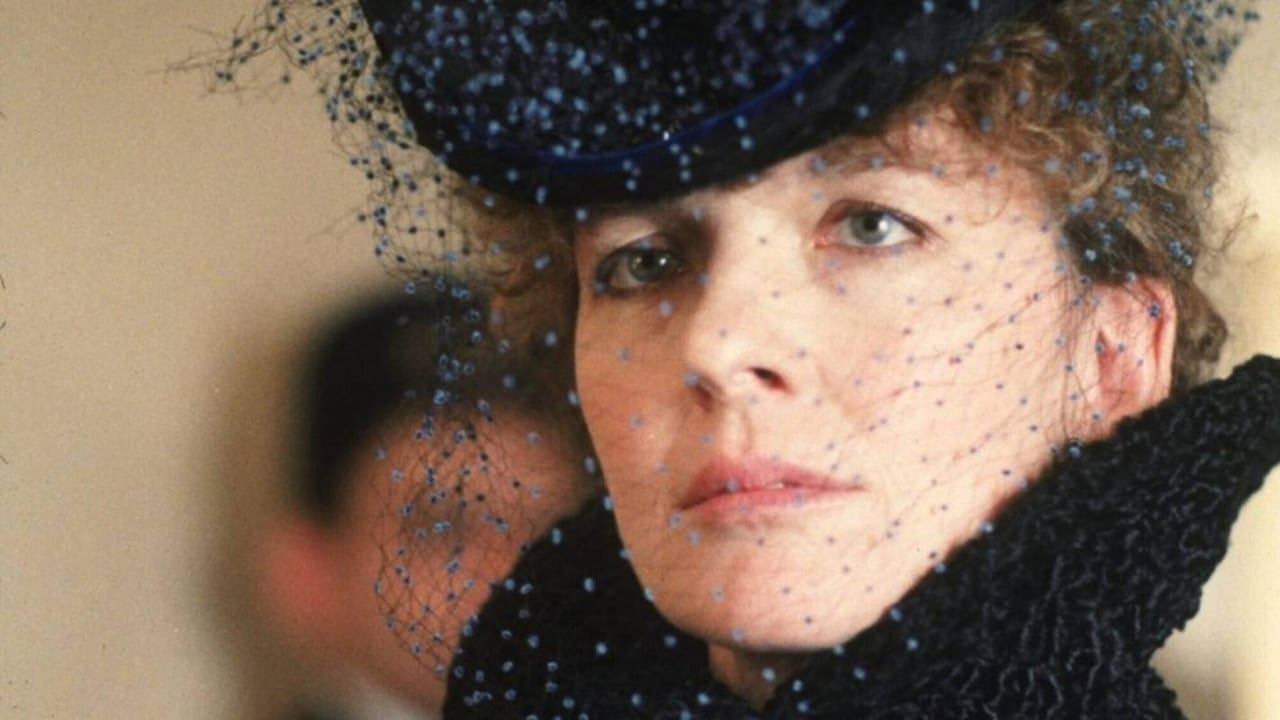
Armstrong, who had already proven her mastery of nuanced female characters with My Brilliant Career (1979), crafts an atmosphere thick with repression. We meet Kate Soffel (Diane Keaton), the wife of the stern Allegheny County Jail warden (Edward Herrmann). Her life, though outwardly comfortable, is its own kind of prison – confined by societal expectations, Victorian morality, and a creeping sense of spiritual malaise. She finds solace, or perhaps a dangerous distraction, in reading scripture to the inmates. The production design and Russell Boyd’s cinematography are impeccable, capturing the oppressive gloom of the prison corridors and the gaslit, respectable suffocation of the Soffel household. Every frame feels heavy, weighted down by unspoken frustrations and the rigid structures of the time.
Sparks in the Darkness
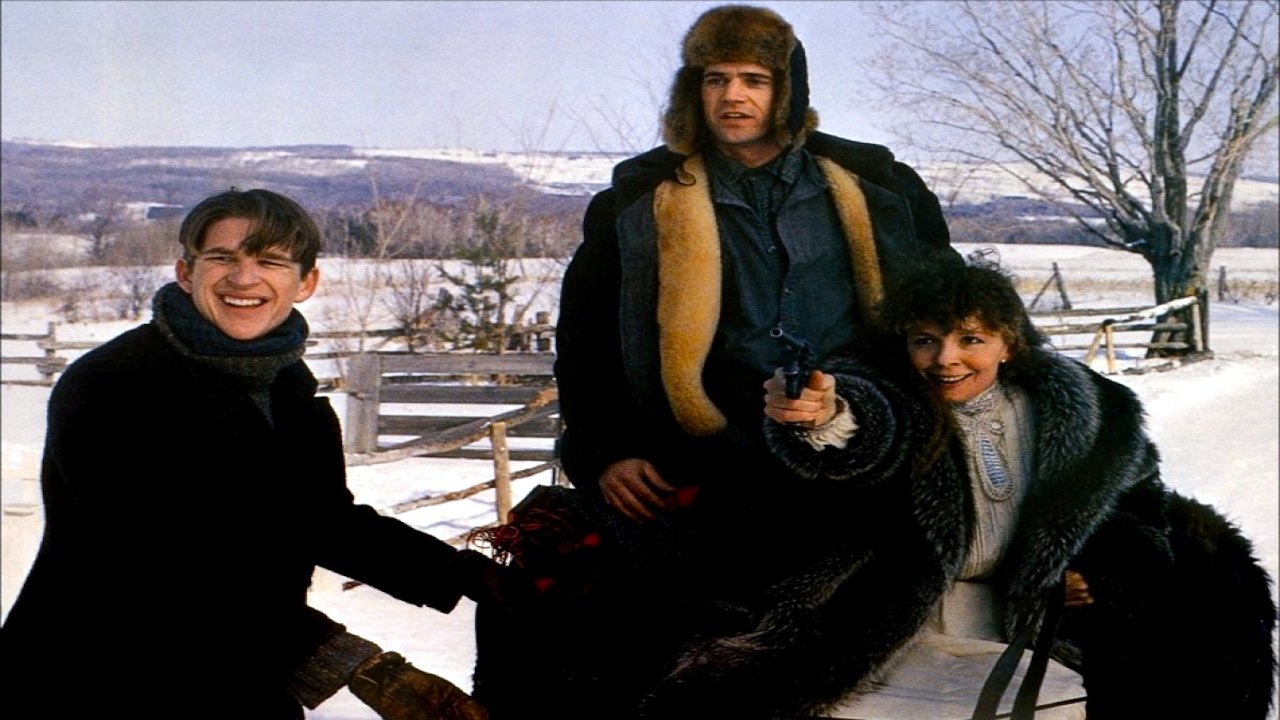
Everything changes when Mrs. Soffel encounters the Biddle brothers, Ed (Mel Gibson) and Jack (Matthew Modine), condemned to hang for murder. There’s an immediate, dangerous energy. Gibson, still a few years away from the megawatt action stardom of Lethal Weapon (1987) but already possessing that raw, untamed charisma seen in Mad Max (1979), is magnetic as Ed. He's charming, defiant, and radiates a desperate vitality that stands in stark contrast to Kate's constrained existence. Modine, as the younger, more sensitive Jack, adds another layer to the dynamic. It’s fascinating to learn this harrowing tale is based on the real-life events of 1901 Pittsburgh, a fact that anchors the unfolding drama in a sobering reality. What truly elevates the film, however, is Keaton.
Her performance is a masterclass in subtlety. It’s said Diane Keaton was deeply drawn to the historical account and championed the project, and her commitment shines through. She portrays Kate not as a foolish woman swept away by passion, but as someone slowly, deliberately dismantling her own life, perhaps seeking an escape far more profound than merely opening a cell door. We see the internal battle etched on her face – the flicker of doubt, the burgeoning resolve, the terrifying thrill of transgression. It’s a quiet performance, built on stolen glances and hesitant gestures, that gathers devastating emotional force. You find yourself asking, not with judgment but with genuine curiosity, what truly motivated her? Was it love, infatuation, or simply the pull of anything other than the life she knew?
The Weight of Consequences
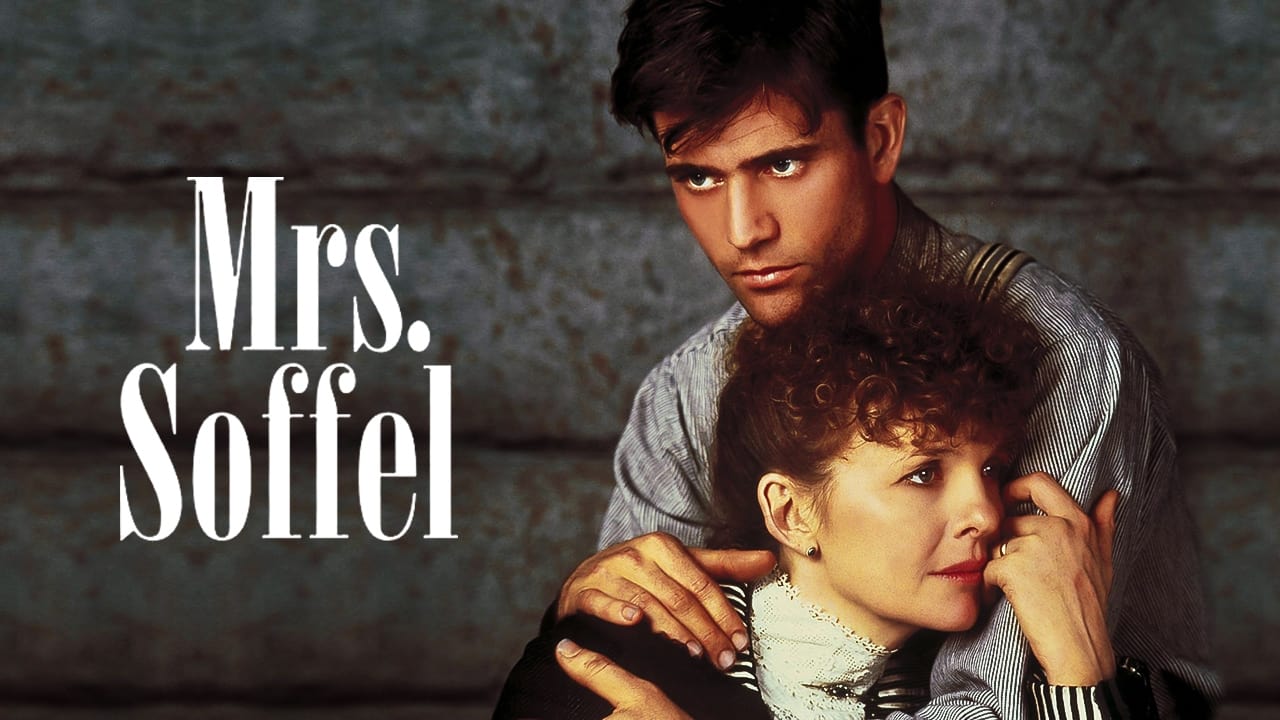
Ron Nyswaner's script (he'd later pen the powerful Philadelphia) doesn't shy away from the grim realities. The escape itself is fraught with tension, leading the trio out of the prison's physical confines but into the unforgiving landscape of a Pennsylvania winter – a brutal reality mirrored by the reportedly harsh conditions the cast and crew faced filming on location in Canada. There's a brief, almost dreamlike sense of freedom, but it's constantly shadowed by the inevitability of capture and the tragic weight of their actions. Armstrong resists sensationalizing the story, focusing instead on the human cost, the desperation, and the ultimate futility of their flight. The atmospheric, often melancholic score by Mark Isham perfectly underscores this mood.
While perhaps not a runaway commercial success upon release (grossing just over $4 million against its estimated $10-12 million budget), Mrs. Soffel stands as a testament to thoughtful, adult filmmaking in an era often defined by louder spectacles. It doesn't offer easy answers or neat resolutions. It leaves you contemplating the complexities of human motivation, the allure of rebellion against stifling circumstances, and the tragic intersections of love and self-destruction. It’s the kind of film that lingers, its chilly atmosphere and Keaton’s haunting portrayal staying with you long after the tape clicked off in the VCR.
Rating: 8/10
This rating reflects the film's exceptional strengths – primarily Keaton's profound performance, Armstrong's assured direction, the palpable atmosphere, and its commitment to exploring complex themes without resorting to melodrama. While its deliberate pacing might test some viewers expecting a more conventional thriller, the depth and artistry on display make it a compelling and ultimately rewarding watch.
Mrs. Soffel remains a powerful, beautifully crafted period drama that feels both specific to its time and surprisingly resonant, asking enduring questions about the prisons we build for ourselves and the desperate lengths we might go to escape them. A somber gem deserving of rediscovery.