Here we are again, fellow travelers through the magnetic tape archives. Tonight, let’s dim the lights, ignore the hum of the VCR for a moment, and settle into something a bit different, something that might have lurked on a quieter shelf in the video store, demanding more than just passive viewing. I’m talking about Krzysztof Kieślowski’s Decalogue III, part of his monumental 1989 Polish television series exploring the Ten Commandments in contemporary Warsaw. This isn't your typical Friday night rental, perhaps, but its quiet power has a way of sticking with you long after the static fills the screen.
### A Christmas Eve of Quiet Desperation
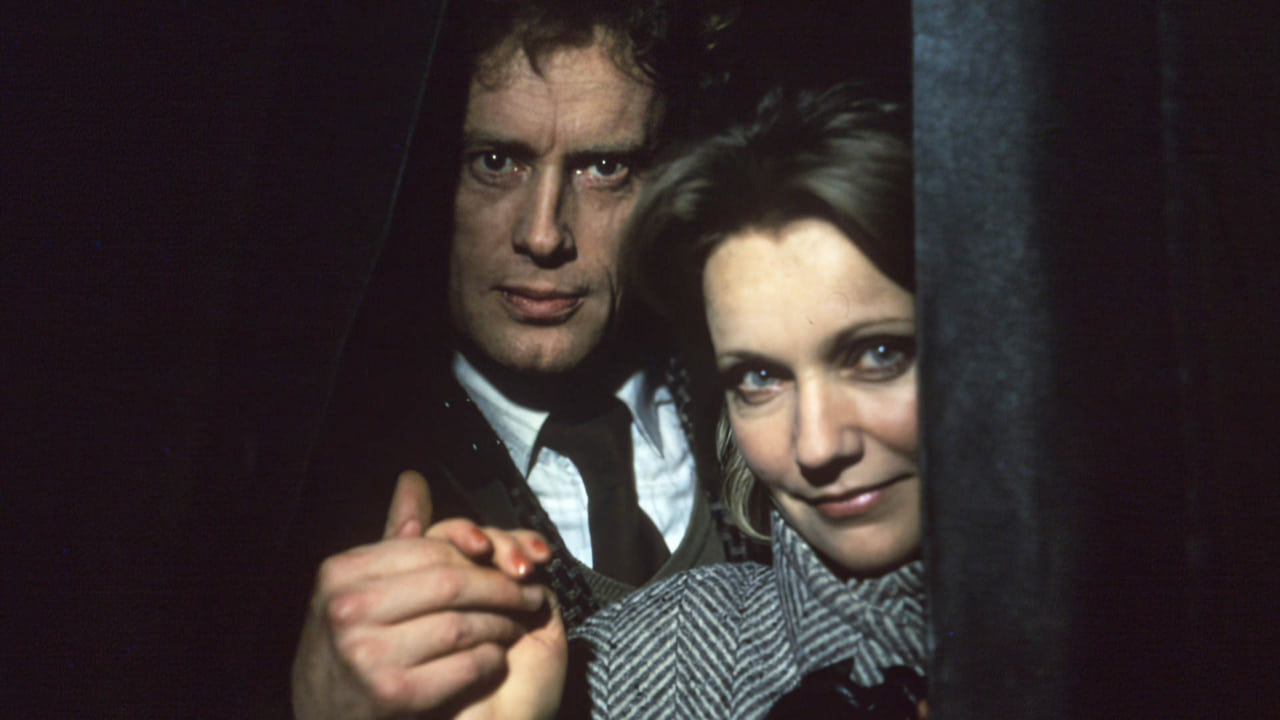
The film opens on Christmas Eve, a night universally coded for warmth, family, and connection. Yet, Kieślowski, ever the master of observing the intricate, often painful, contours of the human heart, immediately introduces a current of unease beneath the festive surface. Janusz (Daniel Olbrychski, a true giant of Polish cinema, recognizable perhaps from Volker Schlöndorff's The Tin Drum), is playing Santa for his children, participating in the expected rituals. But there’s a hollowness there, a sense that the performance of joy masks something deeper. It’s into this carefully constructed domestic scene that Ewa (Maria Pakulnis) arrives, a ghost from Janusz’s past, bringing with her a fabricated crisis and a desperate need that unravels his carefully maintained present.
What follows is not a thriller in the conventional sense, though Ewa’s claim that her husband has vanished sets them on a nocturnal journey through a snow-dusted, melancholic Warsaw. Instead, it becomes a profoundly moving, often uncomfortable exploration of loneliness, obligation, and the lies we tell ourselves and others to survive. The supposed search transforms into an excavation of their shared history, a night spent wandering through empty streets and emergency rooms, ostensibly looking for someone else but truly circling the unresolved emotions between them. Doesn't this resonate with how we sometimes manufacture distractions to avoid confronting painful truths?
### The Weight of Unspoken Things
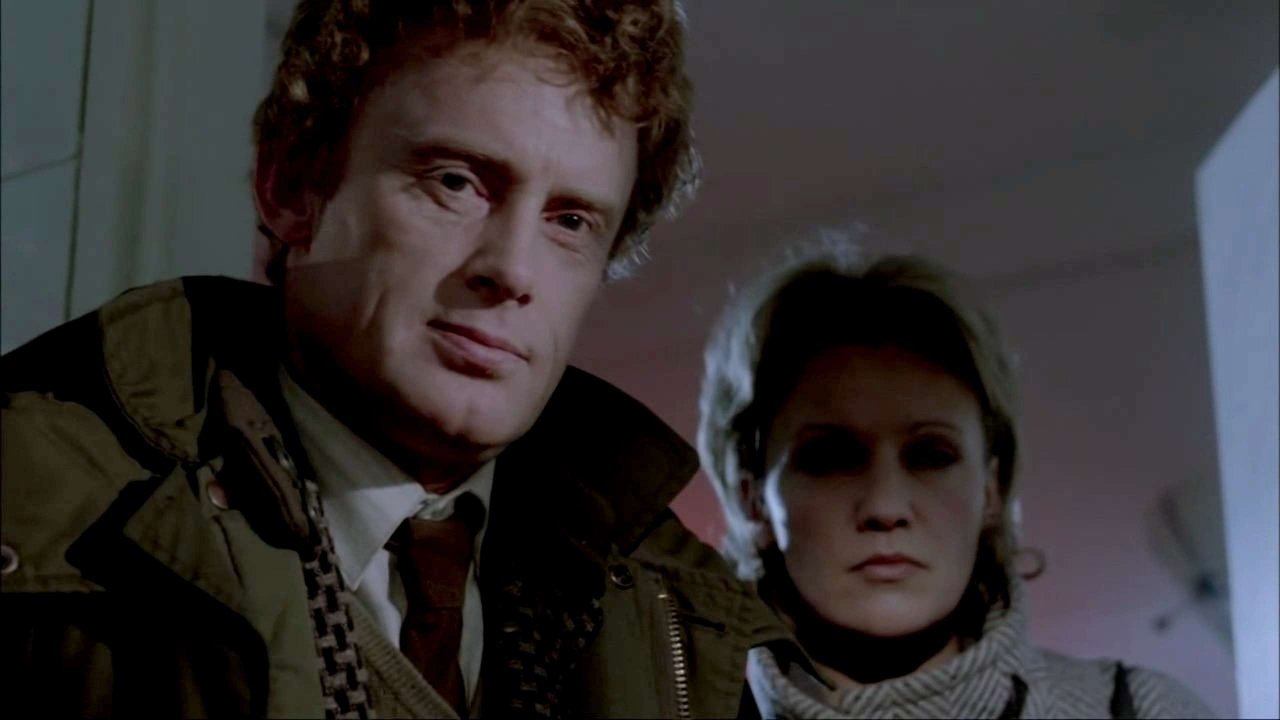
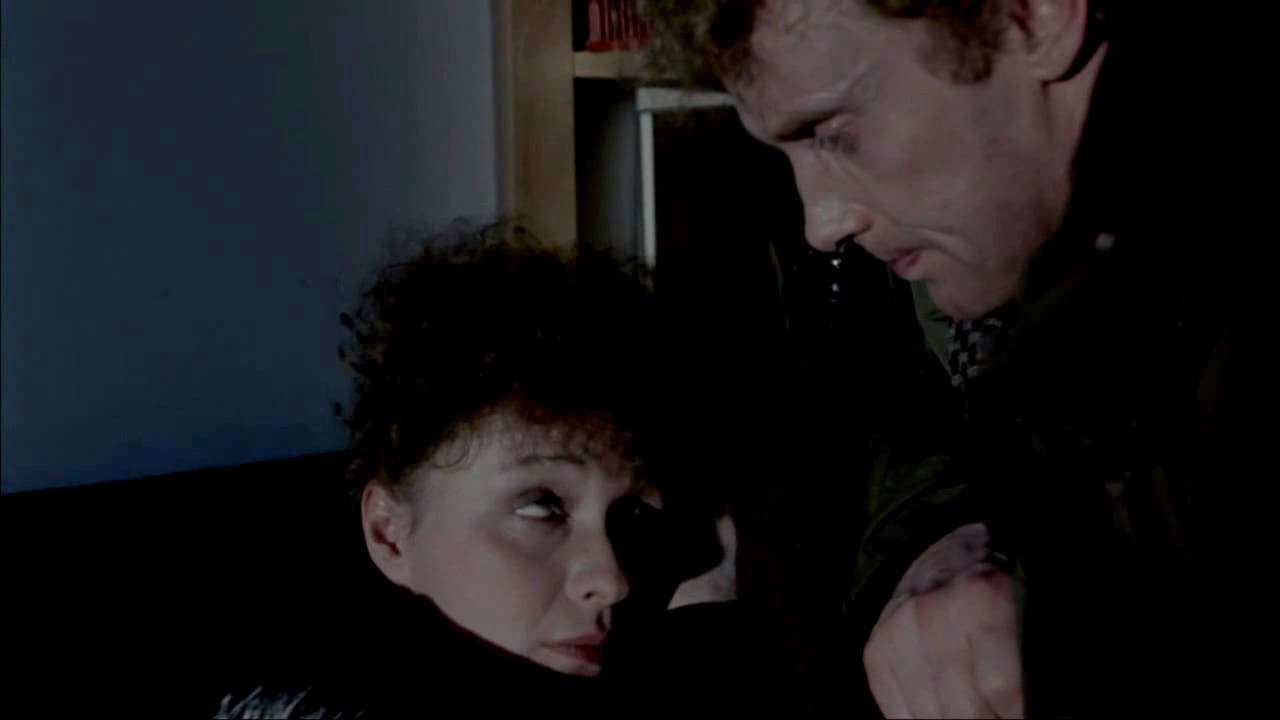
The brilliance here lies in the subtlety. Kieślowski and his co-writer Krzysztof Piesiewicz (his collaborator on masterpieces like Three Colors: Blue (1993), White (1994), and Red (1994)) trust the audience implicitly. Dialogue is often sparse, functional. The real story unfolds in glances, gestures, the oppressive silence in Janusz’s car, the way Ewa clings to him, both physically and emotionally. Olbrychski is magnificent as Janusz, conveying a world of internal conflict – duty clashing with lingering affection, irritation warring with pity. You see the weariness in his eyes, the weight of a life lived with compromises. Pakulnis, too, is heartbreaking as Ewa, portraying a woman consumed by a solitude so profound she orchestrates this elaborate, painful charade simply to not be alone on this single, symbolic night. Her performance captures a vulnerability that skirts manipulation but ultimately lands as deeply human fragility.
It’s fascinating to remember that the Decalogue series was conceived and produced for Polish television, albeit with cinematic ambition. Shot concurrently on a relatively tight budget, there's an intimacy and immediacy to the filmmaking. Kieślowski uses the Warsaw locations not just as backdrops, but as characters themselves – the chilly streets, the anonymous hospital corridors, the lonely glow of streetlights reflecting the characters' inner states. This wasn't a Warsaw glossed up for international consumption; it felt real, lived-in, mirroring the unvarnished emotions on display. The episode is loosely tied to the Third Commandment ("Remember the Sabbath day, to keep it holy"), interpreted here not through religious observance, but through the tension between the sacred ideal of Christmas Eve togetherness and the profane reality of human isolation and deception.

### Echoes in the Silence
There are no easy answers in Decalogue III. The resolution, when it comes, is quiet, ambiguous, steeped in the melancholy that permeates the entire film. What lingers is the profound sense of empathy Kieślowski evokes for both characters, caught in their complex web of past choices and present needs. It forces a reflection on the nature of commitment, the haunting power of memory, and the lengths people will go to fend off the crushing weight of being alone. Did Ewa's actions constitute a desperate plea or a selfish manipulation? Or perhaps, more disturbingly, both at once?
Finding this series on VHS back in the day, perhaps tucked away in the 'Foreign Language' section, felt like discovering a hidden vein of cinematic gold. It wasn't explosive or flashy, but it offered something richer, more resonant – a testament to cinema's power to explore the deepest corners of human experience with honesty and grace. It demanded patience, attention, and perhaps a willingness to sit with uncomfortable feelings.
Rating: 9/10
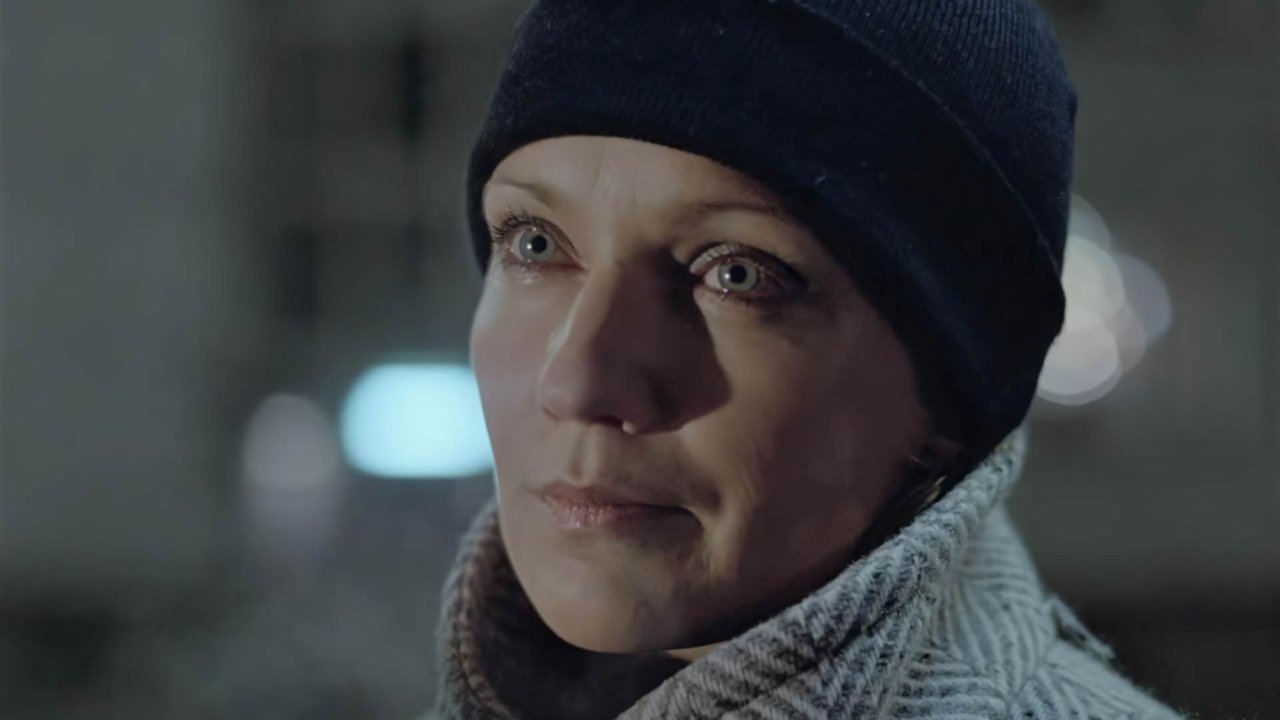
This score reflects the masterful direction, the deeply affecting performances by Olbrychski and Pakulnis, and the film’s profound, nuanced exploration of complex human emotions. While its deliberate pace and melancholic tone might not be for everyone expecting typical holiday fare, its artistry and emotional depth are undeniable. It achieves exactly what it sets out to do with quiet brilliance.
Decalogue III doesn't offer the escapism of many films from the era, but it provides something arguably more valuable: a mirror held up to the intricate, sometimes painful, realities of connection and solitude. It’s a reminder that even amidst festive lights, shadows linger, and the most profound dramas often unfold in the quietest moments.