The Hand that Rocks the Cradle
That perfectly manicured lawn, the crisp white paint of the house – some nightmares don't arrive cloaked in shadow, but bathed in the deceptive sunlight of suburban bliss. 1992's The Hand that Rocks the Cradle understood this terrifyingly well. It wasn't about a monster lurking in the woods, but the one you willingly invite over your threshold, offer a cup of tea, and entrust with your most precious possession. This wasn't just a thriller; it was a direct strike against the perceived safety of the domestic sphere, leaving a residue of unease that lingered long after the VCR clicked off.
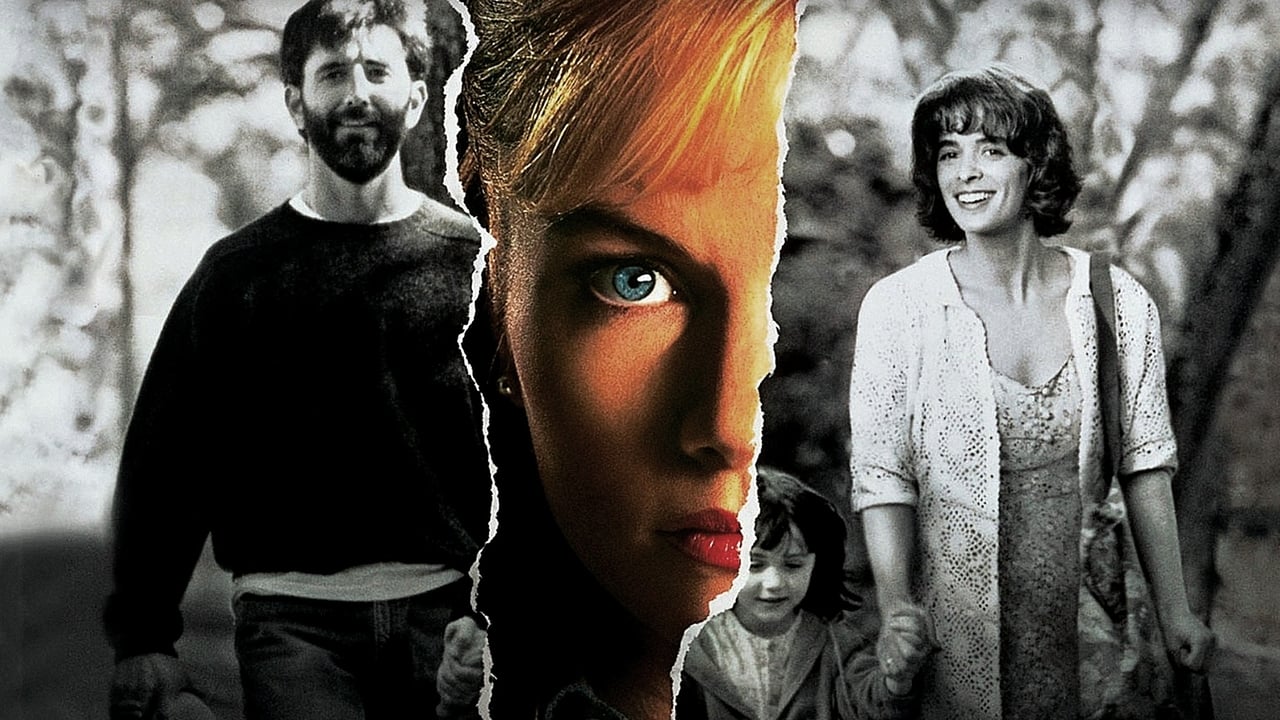
The Viper in the Nursery
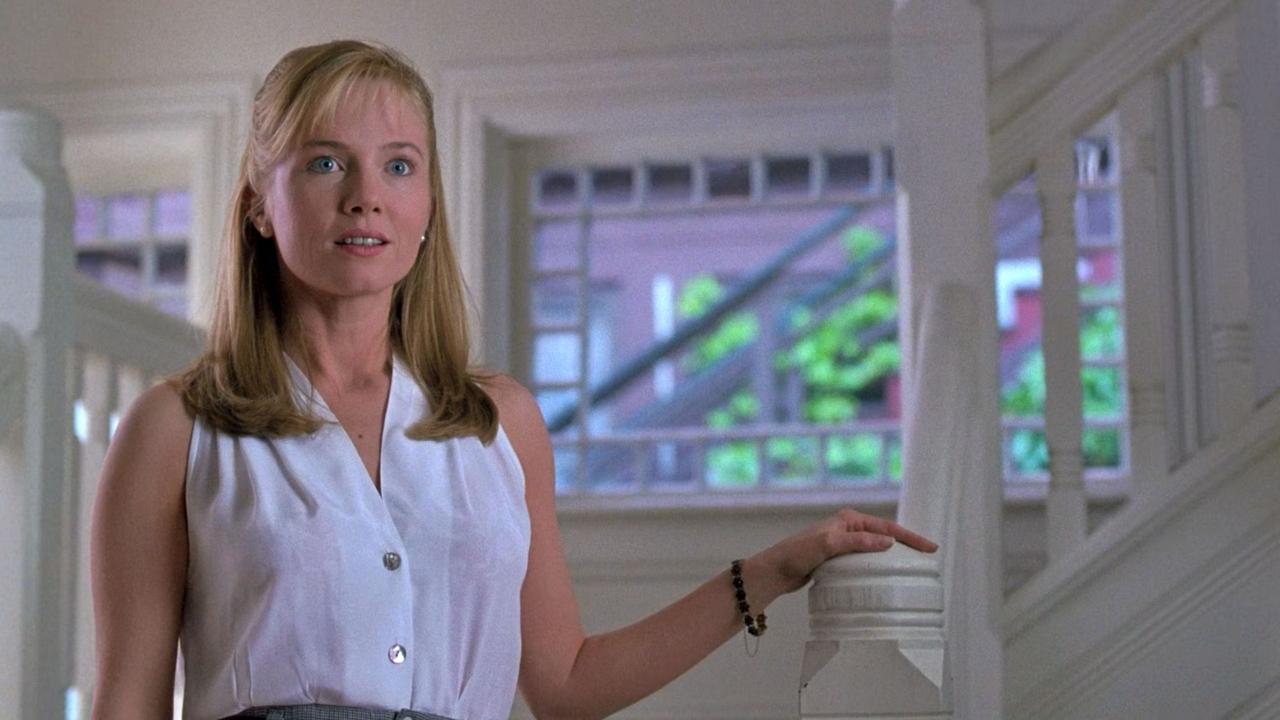
The premise, crafted by screenwriter Amanda Silver (who would later tackle different kinds of beasts in Rise of the Planet of the Apes), is elegantly sinister. After suffering a devastating loss directly linked to Claire Bartel (Annabella Sciorra), the vengeful Peyton Flanders (Rebecca De Mornay) insinuates herself into the Bartel household as the seemingly perfect nanny. Claire, recovering from trauma and navigating new motherhood, initially sees Peyton as a godsend. We, the audience, know better. We watch, hearts pounding, as Peyton begins her methodical campaign to dismantle Claire’s life from the inside out – turning husband Michael (Matt McCoy) subtly against her, alienating her friends, and most chillingly, attempting to usurp her role as mother. Remember that unsettling feeling, watching Peyton nurse Claire’s baby? Reportedly, it was Rebecca De Mornay herself who suggested the scene, understanding instinctively how deeply it would violate and disturb.
Suburban Sunlight, Inner Darkness
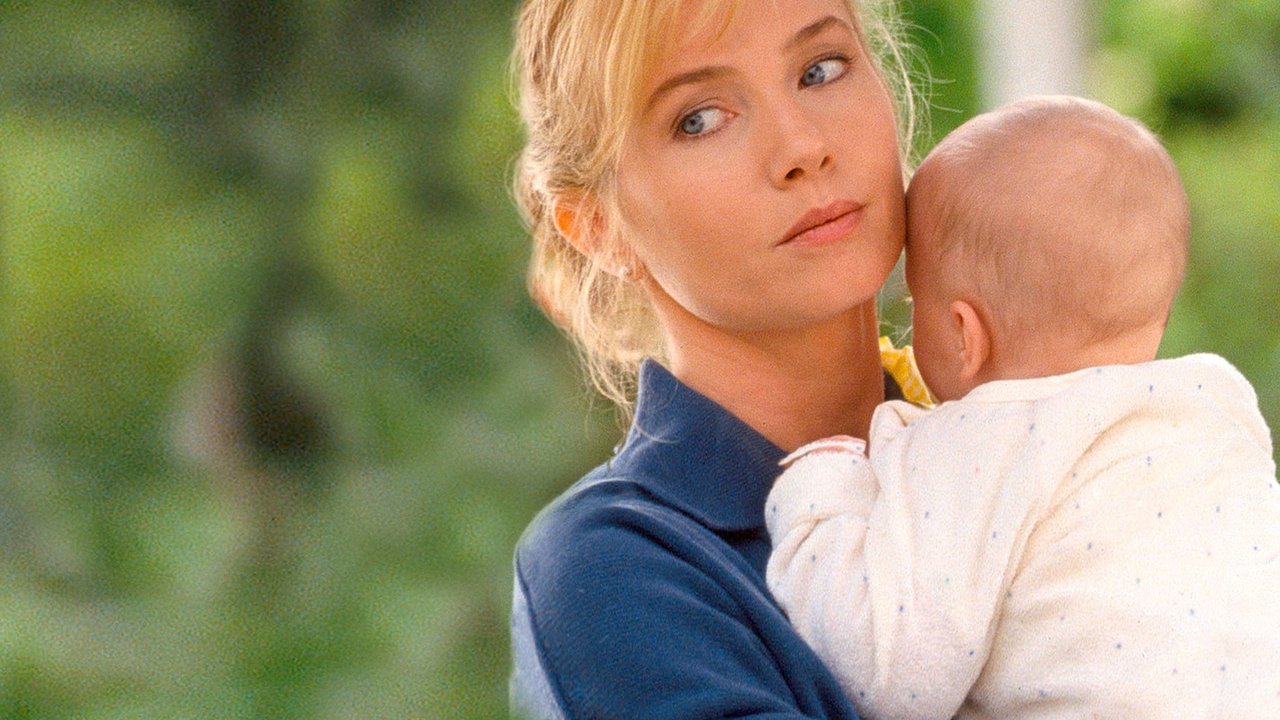
Director Curtis Hanson, who would later showcase his mastery of tension in films like L.A. Confidential (1997), uses the bright, airy visuals of the Pacific Northwest setting (primarily Seattle) to create a disturbing contrast. The beautiful Bartel home, all large windows and comfortable furnishings, becomes a gilded cage, a stage for Peyton’s escalating psychological warfare. Hanson rarely resorts to jump scares; the horror here is insidious, built through lingering shots, suggestive framing, and the slow, deliberate poisoning of trust. The film expertly plays on the anxieties of working parents, the vulnerability felt when leaving your child with someone new, twisting that everyday concern into a full-blown nightmare. The score, often deceptively gentle, ratchets up the tension at precisely the right moments, underscoring the hidden menace beneath the calm facade.
A Career-Defining Chill
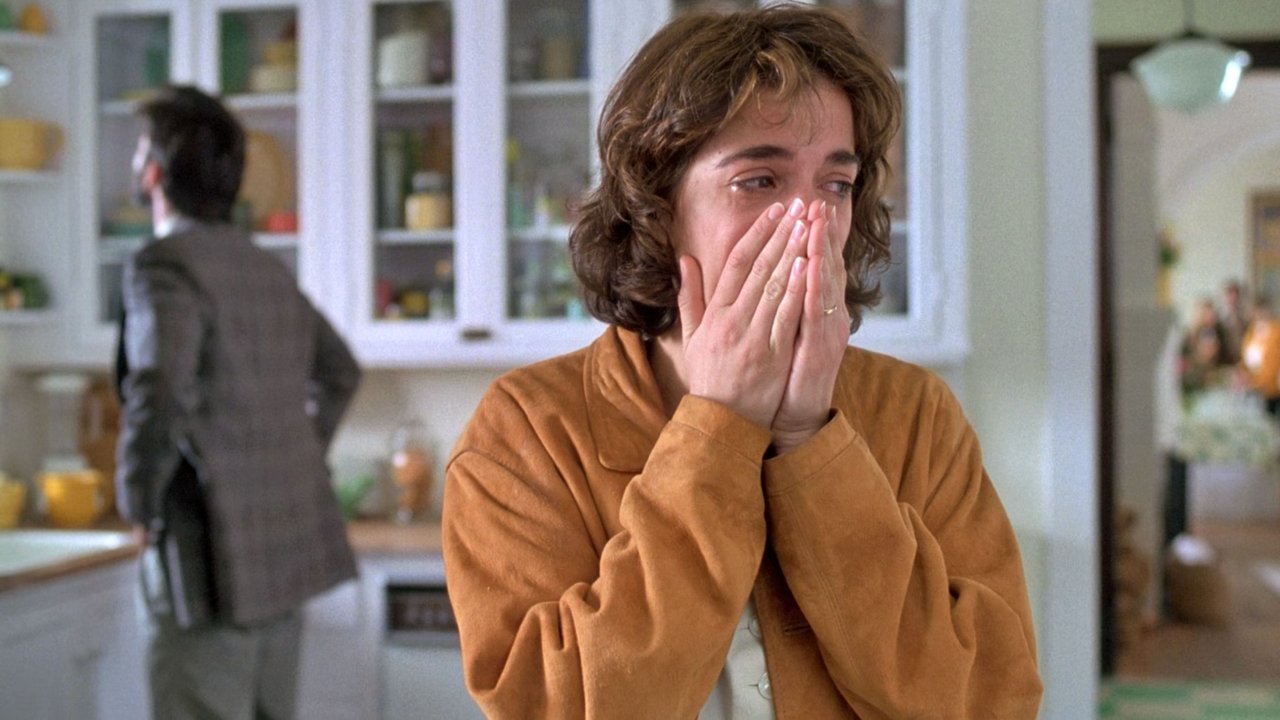
Let's be honest: the magnetic, terrifying heart of this film is Rebecca De Mornay. Her portrayal of Peyton Flanders is iconic. She masterfully balances a veneer of warmth and capability with flashes of ice-cold fury and calculating malice. It’s a performance that avoids caricature, making Peyton feel chillingly real – the friendly smile that doesn’t quite reach the eyes, the quiet satisfaction she takes in Claire’s distress. It cemented De Mornay as one of the quintessential screen villains of the 90s, a decade rife with memorable female antagonists in domestic thrillers like Fatal Attraction (1987) and Single White Female (1992). Annabella Sciorra, fresh off Spike Lee's Jungle Fever (1991), is equally compelling as the besieged Claire, effectively conveying her growing isolation and dawning horror. And who could forget Julianne Moore in an early, pivotal role as Marlene, Claire's sharp, ill-fated friend? Her character represents the outside world, the first to truly see through Peyton's facade, making her demise all the more impactful.
Retro Fun Facts: Behind the Cradle
- The film was a bona fide sleeper hit. Made for an estimated $11.9 million (around $26 million today), it raked in over $88 million domestically (a staggering $191 million adjusted for inflation), proving audiences were hungry for this brand of upscale suburban dread.
- The evocative title comes from the 1865 poem by William Ross Wallace, specifically the line: "For the hand that rocks the cradle / Is the hand that rules the world." The film twists this sentiment into something deeply ominous.
- While Peyton's infiltration feels almost supernaturally effective, the script smartly includes characters like the handyman Solomon (Ernie Hudson, beloved from Ghostbusters), whose developmental disability ironically allows him to see Peyton's true nature more clearly than others, providing a crucial, albeit marginalized, voice of truth.
- Remember the greenhouse sequence? That terrifying climax involving shattering glass and desperate struggles remains a standout moment of practical stunt work and palpable danger, far more visceral than much of today's CGI-heavy action. Didn't that scene make you physically flinch back in the day?
The Lingering Unease
The Hand that Rocks the Cradle tapped into a primal fear: the violation of the home and the corruption of maternal instinct. It’s a tightly constructed thriller that, while perhaps feeling somewhat of its time now, still manages to generate genuine suspense. Its power lies not in gore or overt shocks, but in the slow, deliberate erosion of safety and sanity. It preys on universal anxieties about trust, vulnerability, and the terrifying possibility that the greatest danger might already be inside. Does it still pack the same punch as it did on a grainy VHS tape rented from the local video store? Maybe not entirely, but the core chill remains remarkably potent.
Rating: 8/10
This score reflects the film's incredibly effective tension-building, Curtis Hanson's taut direction, and above all, Rebecca De Mornay's unforgettable, chilling performance. It expertly manipulates audience fears and delivers a satisfyingly suspenseful narrative arc, even if some elements feel characteristically early-90s. It loses a couple of points perhaps for leaning into some genre conventions of the time, but its strengths far outweigh its minor dated aspects.
For many of us who rented this back in the day, The Hand that Rocks the Cradle wasn't just a movie night; it was a cautionary tale whispered across suburban fences, a reminder that the most terrifying monsters can wear the kindest smiles.