Okay, let's dim the lights and rewind to a film that likely sat on the "Thriller" shelf of your local video store, radiating a certain kind of uncomfortable energy even through the plastic clamshell case. 1986's Extremities isn't an easy watch. It’s a raw nerve exposed, a harrowing journey that begins with violation and spirals into a desperate, morally complex struggle for control. Forget breezy nostalgia for a moment; this film grabs you by the throat and demands you confront some deeply unsettling questions.
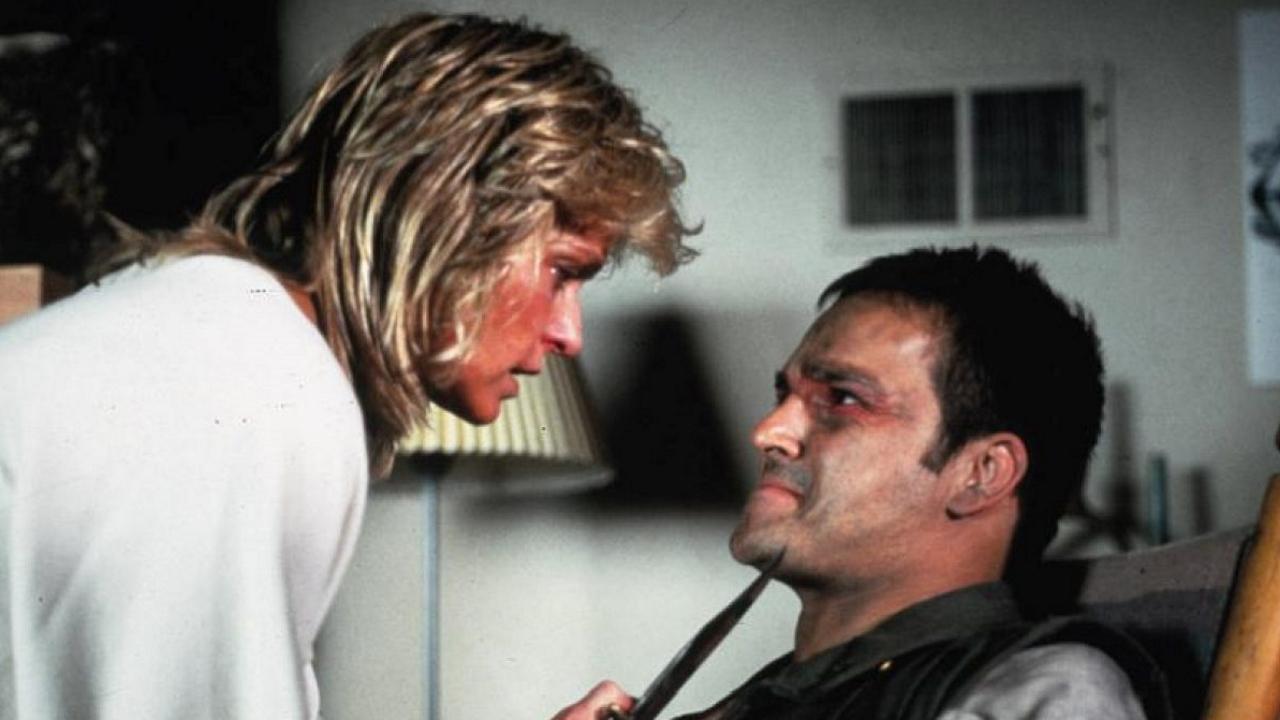
Based on William Mastrosimone's own intense 1982 play, the film wastes no time plunging us into terror. Marjorie (an absolutely riveting Farrah Fawcett) is assaulted in her car, manages to escape, but finds the police frustratingly unable to help without more concrete evidence. The chilling reality hits home: her attacker knows where she lives. When he inevitably returns, the subsequent home invasion is brutal, terrifying, and depicted with a stark lack of sensationalism by director Robert M. Young, known more for socially conscious dramas like Short Eyes (1977) and Alambrista! (1977). But then, the tables turn. Marjorie manages to subdue her attacker, Joe (James Russo), trapping him in her fireplace. And it's here the film truly begins its psychological siege.
A Career-Defining Turn
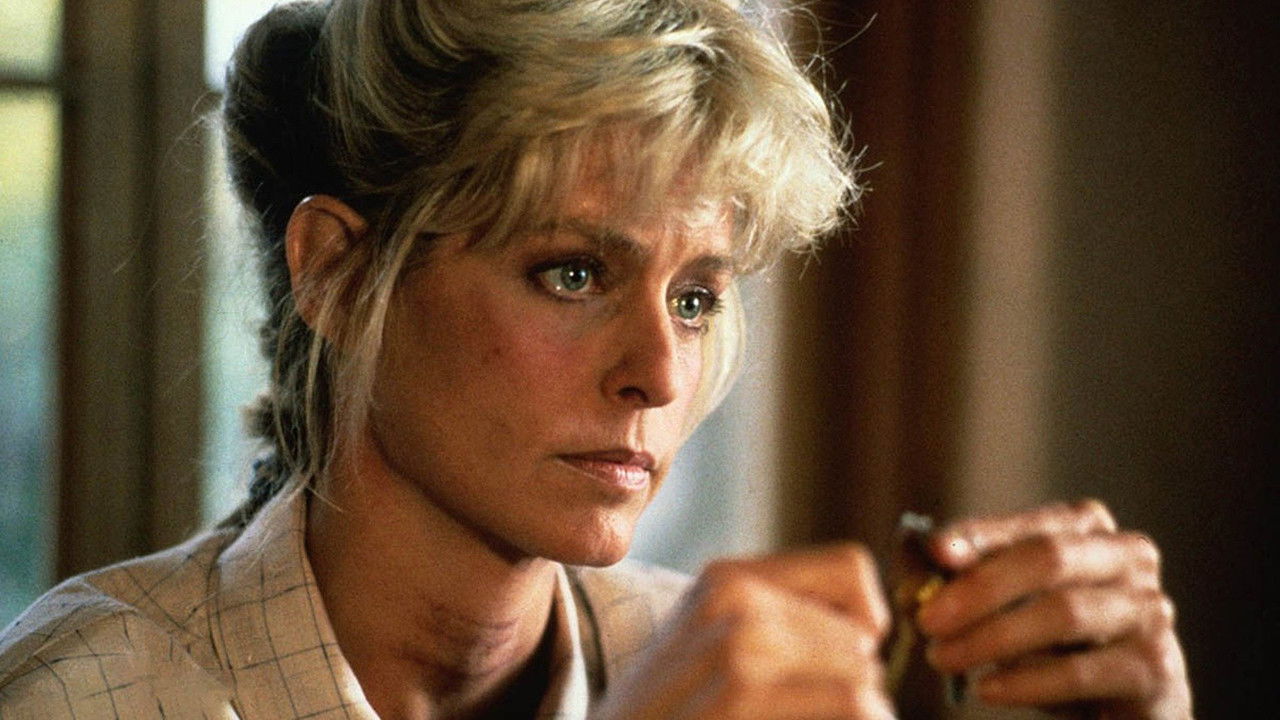
Let's talk about Farrah Fawcett. For audiences who primarily knew her from the feathered hair and sunny disposition of Charlie's Angels, her performance here was a revelation, maybe even a shock. This isn't just a departure; it's a transformation. Fawcett embodies Marjorie's terror, yes, but more profoundly, she captures the shift from paralyzing fear to cold, calculating rage, and finally, to a desperate assertion of power. It’s a physically and emotionally demanding role, and Fawcett commits entirely. There’s a raw, unvarnished quality to her portrayal – the sweat, the tears, the sheer exhaustion feel utterly real. It’s worth remembering she originated this very role on Broadway, stepping in for Susan Sarandon and earning critical acclaim even then. That stage experience undoubtedly informs the sustained intensity she brings to the screen. It’s said the film was shot largely chronologically, a choice that likely helped Fawcett maintain that exhausting emotional trajectory.
Opposite her, James Russo delivers a performance of pure, terrifying menace. His Joe isn't a cartoon villain; he's disturbingly plausible. He shifts seamlessly from ingratiating charm to reptilian threats, his dialogue probing Marjorie's vulnerabilities, attempting to manipulate and gaslight her even while incapacitated. Russo, who we’d see bring intensity to films like Beverly Hills Cop (1984) and later Donnie Brasco (1997), makes Joe's taunts feel personal and deeply invasive. The power dynamic may have physically shifted, but the psychological battle rages on, confined largely to the claustrophobic space of Marjorie's home.
No Easy Answers
What truly elevates Extremities beyond a simple revenge thriller is its refusal to offer easy moral comfort. Once Marjorie has Joe trapped, the arrival of her roommates, Terry (Alfre Woodard, always excellent) and Pat (Diana Scarwid, who had stunned audiences in Mommie Dearest five years earlier), throws the situation into sharp relief. They represent society's conflicting impulses: the call for due process versus the primal urge for retribution. Terry, practical and horrified, urges caution and contacting the authorities. Pat, perhaps grappling with her own past traumas, seems more sympathetic to Marjorie's desperate state.

The film forces us, alongside the characters, to grapple with agonizing questions. What is justice when the system seems inadequate? Where is the line between self-defense and vengeance? Does enduring extreme trauma justify extreme actions? Mastrosimone's script doesn't flinch from the ugliness, nor does it neatly resolve the ethical quandary. (Spoiler Alert!) The ending, where Marjorie ultimately chooses not to kill Joe but leaves his fate ambiguous after securing a confession, is deliberately unsettling. There's no triumphant release, only the exhausting weight of what has transpired and the uncertainty of what comes next. Does freeing him, even to the police, feel like enough after what she endured? The film leaves that bitter taste in your mouth.
Behind the Intensity
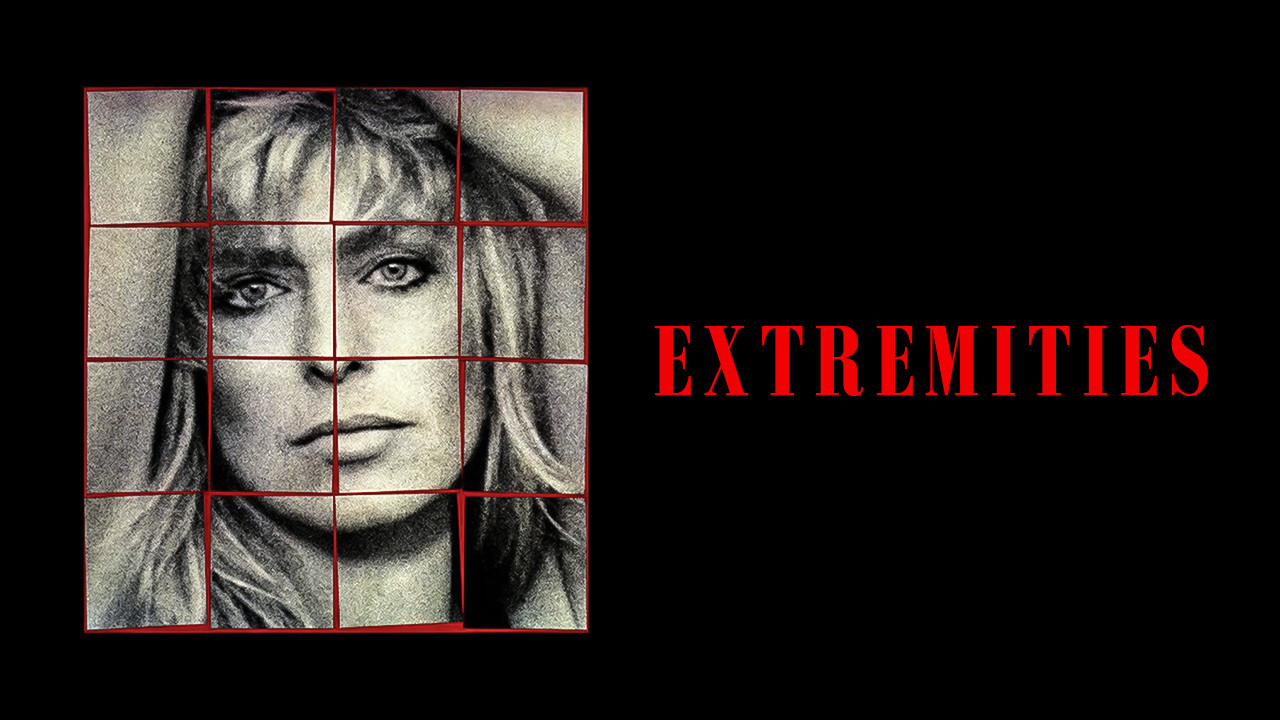
While the core is the powerhouse acting and tight script, the production itself leaned into the grit. Robert M. Young's direction keeps things grounded, focusing on performance and atmosphere over flashy technique. The decision to adapt the play, which Fawcett championed, brought a theatrical intensity to the screen, benefiting from the contained setting. Made for a reported budget around $6 million, it found a decent audience, grossing over $13 million domestically – a solid return demonstrating that audiences were willing to engage with challenging material, even if critics were divided on its ultimate message and perceived exploitative elements. It’s a far cry from the escapist blockbusters often associated with the era, occupying a space closer to other tough 80s thrillers that explored darker psychological terrain. I distinctly remember the stark VHS cover art practically daring you to rent it, promising something far more visceral than your average Friday night flick.
Extremities isn't a film you "enjoy" in the conventional sense. It’s a harrowing, draining experience that puts you through the wringer alongside its protagonist. Yet, its power lies in that very discomfort, in its unflinching look at trauma, survival, and the murky grey areas of justice. It remains a potent piece of 80s cinema, anchored by career-best work from Fawcett and Russo.
Rating: 8/10
This score reflects the film's undeniable power, the sheer force of the central performances, and its willingness to tackle difficult themes head-on without easy resolutions. While its intensity can feel relentless and its viewpoint debated, the execution is gripping and memorable. It loses a couple of points perhaps for the stagey feel that occasionally betrays its origins and the sheer bleakness which might alienate some viewers expecting a more conventional thriller payoff.
Extremities lingers not as a feel-good memory, but as a stark reminder of how fragile control is, and the desperate lengths one might go to reclaim it. It’s one of those tapes you might have slid back into the return slot feeling a bit shaken, pondering its uncomfortable truths long after the credits rolled.