There's a particular kind of alchemy that happens when memory filters trauma through the lens of childhood. What should be terrifying becomes strangely adventurous, chaos morphs into unexpected freedom. John Boorman's intensely personal 1987 film, Hope and Glory, captures this phenomenon with a warmth and bittersweet charm that feels remarkably true, even decades later. It wasn't the typical war film filling the shelves at Blockbuster; it offered something quieter, more nuanced, a poignant look at the London Blitz not as grand historical tragedy, but as the backdrop to one boy's unconventional coming-of-age.
A Bombed-Out Playground
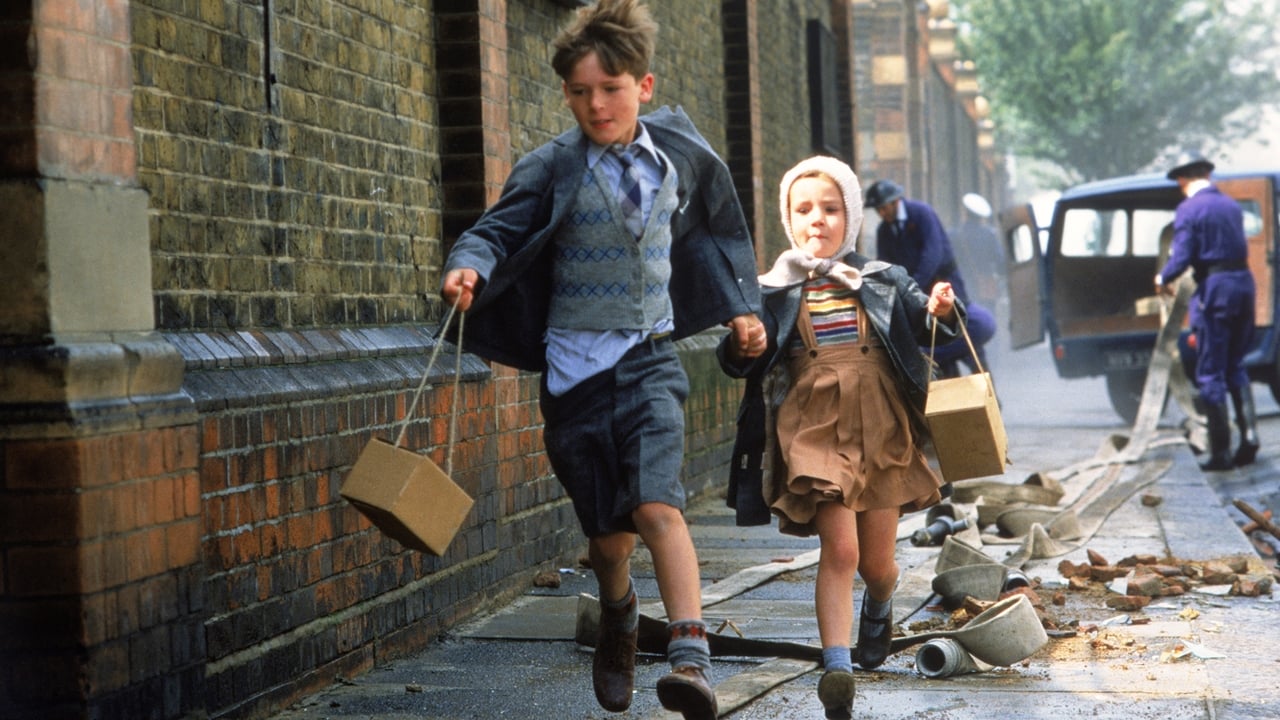
The film invites us into the world of young Bill Rowan (Sebastian Rice-Edwards), essentially a stand-in for Boorman himself, living with his family in suburban London as World War II erupts. While the adults grapple with fear, rationing, and the looming threat of invasion, for Bill and his friends, the war is... well, kind of exciting. Luftwaffe raids mean disrupted school days, bombed-out houses become thrilling playgrounds filled with unearthed treasures, and the nightly drama of sirens and searchlights holds a strange allure. It’s a perspective that might seem jarring, but Boorman renders it with such gentle authenticity, grounding it in the universal experience of childhood's limited understanding and boundless imagination. Doesn't it resonate, that ability kids have to find wonder even in the wreckage?
Boorman's Recollections Made Real
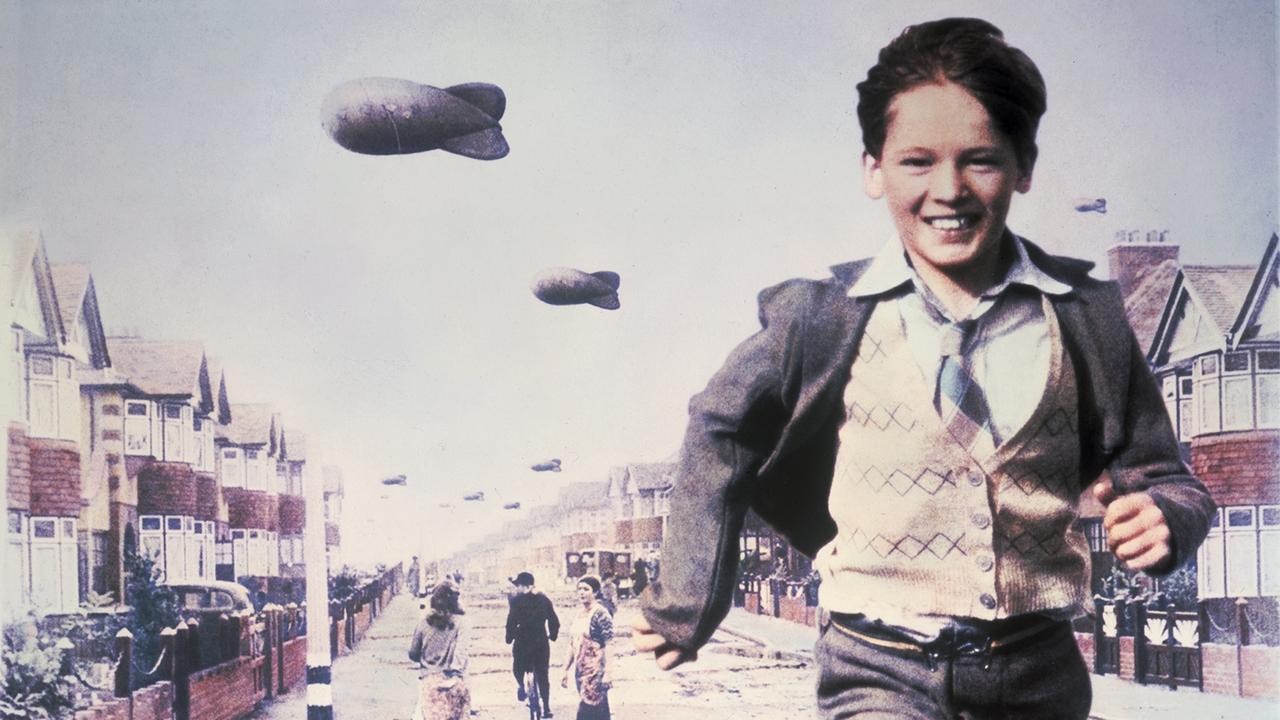
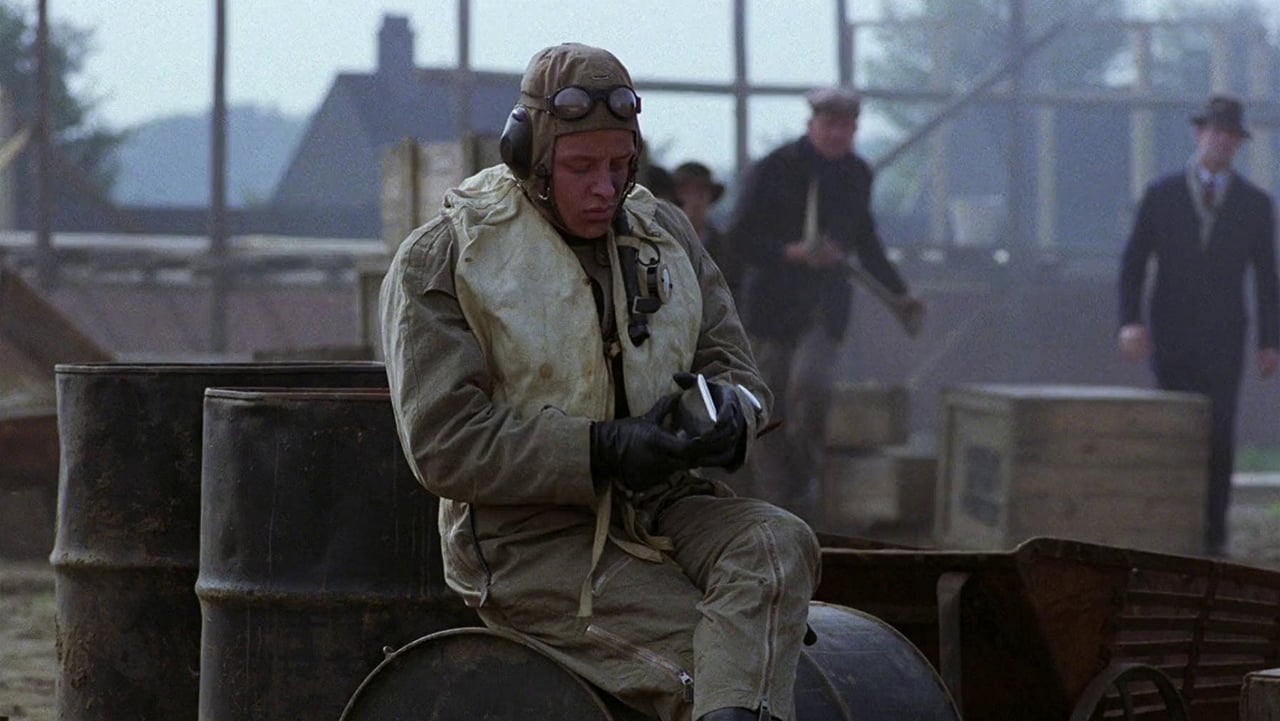
This authenticity stems directly from the film's origins. Hope and Glory is deeply autobiographical, drawn from John Boorman's own wartime childhood memories. This personal connection permeates every frame. Boorman, known for intense films like Deliverance (1972) and the visually stunning Excalibur (1981), initially faced skepticism from studios hesitant to fund what sounded like a nostalgic comedy about the Blitz – a tough sell on paper! Yet, he persisted, securing a modest budget (around $3 million) and bringing his recollections to life with remarkable detail. Much of the film was shot on specially constructed sets at the disused Wisley Airfield in Surrey, meticulously recreating the bombed-out streets that formed Boorman's childhood landscape. It’s a testament to his vision that these sets feel so lived-in, so tangible. Adding another layer of personal connection, Boorman even cast his own daughter, Charley Boorman, in a small role amongst the children.
Navigating Wartime with Wit and Worry
While Bill's perspective anchors the film, the adults provide the emotional weight. Sarah Miles is absolutely radiant as Grace, Bill's mother, navigating the anxieties of wartime separation from her husband (called up for service) while managing her spirited children and navigating her own desires and frustrations. Her performance is a masterclass in portraying resilience laced with vulnerability. David Hayman also registers strongly as Clive, Bill's father, present only briefly before duty calls. The extended family, including the wonderfully eccentric Grandfather George (Ian Bannen), offers moments of pure comedic delight, reminding us that life, even under duress, carries on with all its absurdities and affections. The ensemble cast feels less like actors performing roles and more like a genuine family unit weathering the storm together. Their interactions, full of squabbles, laughter, and quiet moments of shared fear, ring incredibly true.
More Than Just Nostalgia
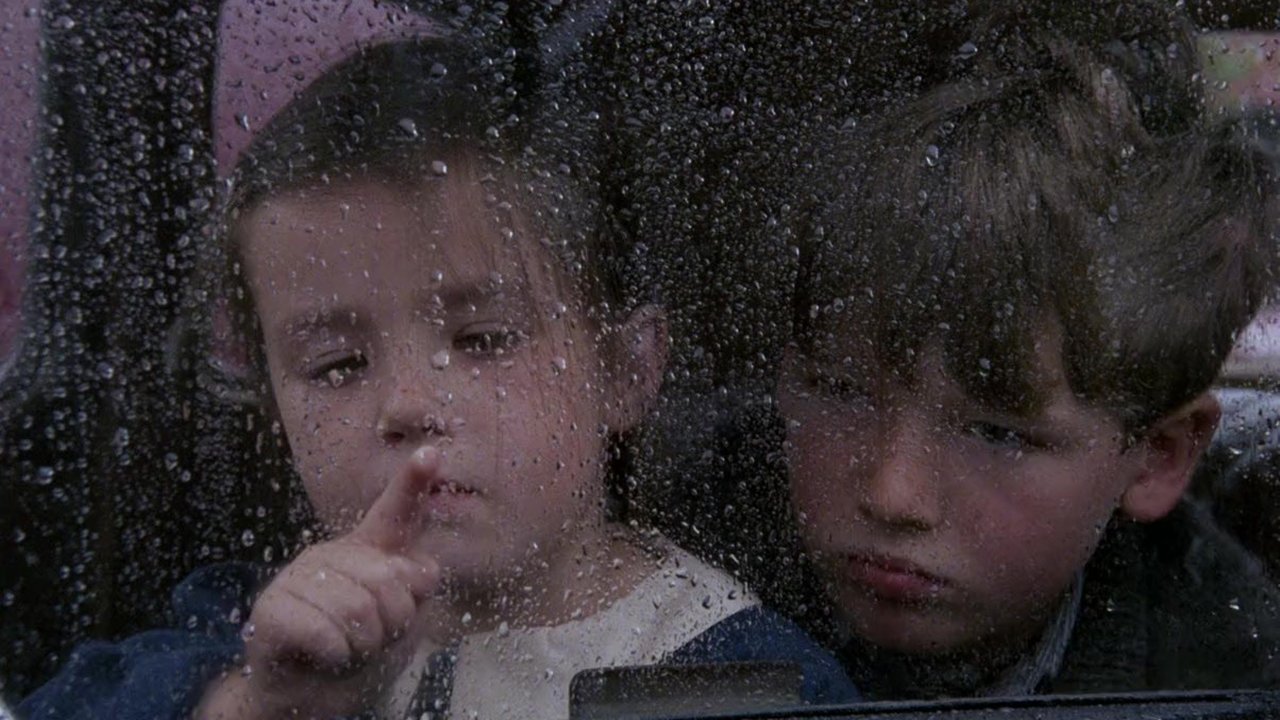
It's easy to label Hope and Glory purely as nostalgia, and certainly, that feeling is present. For those of us who remember renting films like this on VHS, there’s an added layer – the nostalgia for the 80s viewing experience itself. I recall seeing that distinctive Vestron Video clamshell case on the rental shelf, promising something different from the usual action fare. But the film transcends simple reminiscence. It asks profound questions about how we process difficult times, particularly how children adapt and find normalcy in the abnormal. The destruction of Bill's school by a bomb isn't just a plot point; it’s met with cheers from the students – a moment both darkly funny and deeply revealing about perspective. The river sequences, where the family relocates temporarily, offer an almost idyllic counterpoint to the city's dangers, further highlighting the strange contrasts of wartime life.
The film doesn't shy away from the danger or the loss, but it frames it within the context of enduring family bonds and the irrepressible spirit of childhood. Its gentle pacing and focus on character over spectacle might have felt unusual amidst the louder films of 1987, but its sincerity earned it critical acclaim, including five Academy Award nominations – quite something for a relatively small British film based on personal memory. It went on to gross a respectable $10 million in the US, finding an audience that appreciated its unique blend of humour and heart.
Rating and Final Reflection
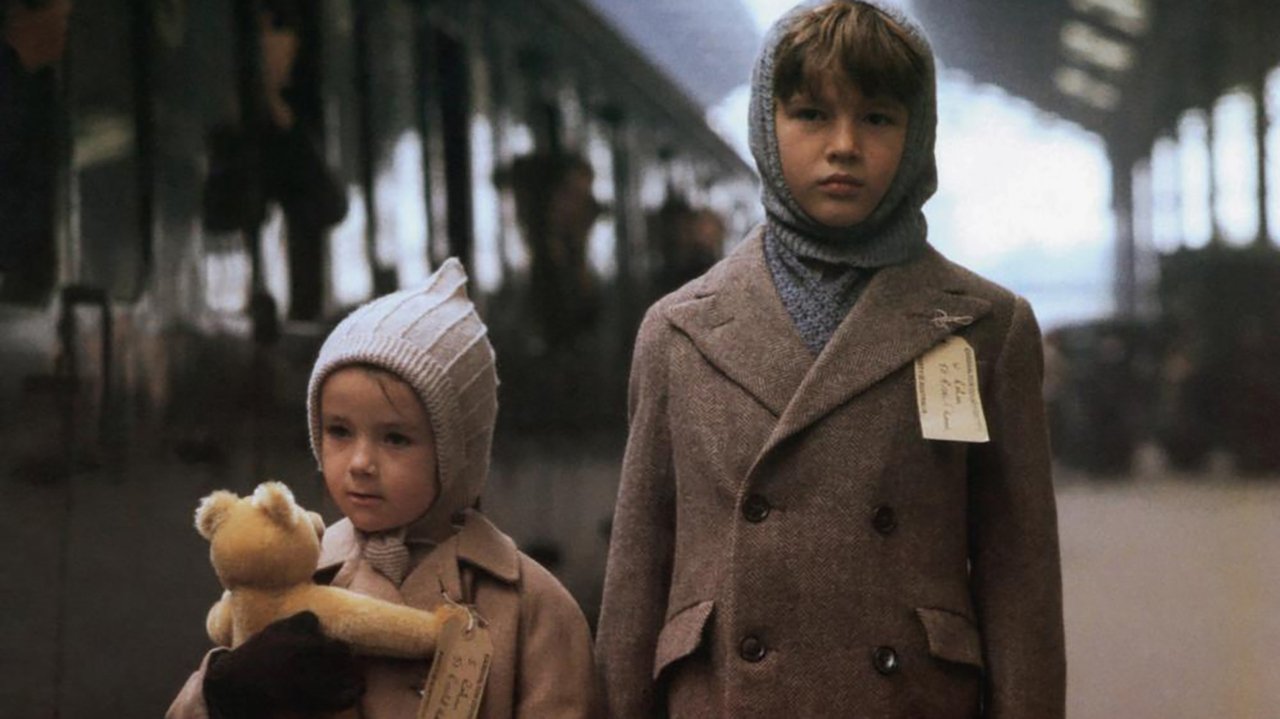
Hope and Glory is a beautifully observed, deeply felt piece of filmmaking. It avoids sentimentality while delivering genuine emotional impact, capturing a specific time and place through an unforgettable, child's-eye view. The performances are uniformly excellent, and Boorman's direction finds the perfect balance between the light and the dark. It’s a film that stays with you, less for dramatic wartime set pieces and more for the small, human moments that illuminate life persisting amidst chaos.
Rating: 9/10
This isn't just a war story; it's a memory play brought vividly to life, a reminder that even in the darkest times, children find ways to play in the ruins, seeking out the lingering sparks of hope and glory. It remains a unique gem from the VHS era, one that rewards revisiting with its quiet wisdom and enduring charm.