Okay, settle in, grab your beverage of choice, and let's talk about a film that probably didn’t get rented nearly as often as Top Gun down at the local Video Palace, but lodged itself far deeper in the minds of those who took a chance on its stark cover art. I’m talking about Alan Parker’s haunting 1984 drama, Birdy. This wasn't your typical Friday night popcorn fare; this was something else entirely – a film that stayed with you, nesting uncomfortably but profoundly in your thoughts long after the VCR clicked off.
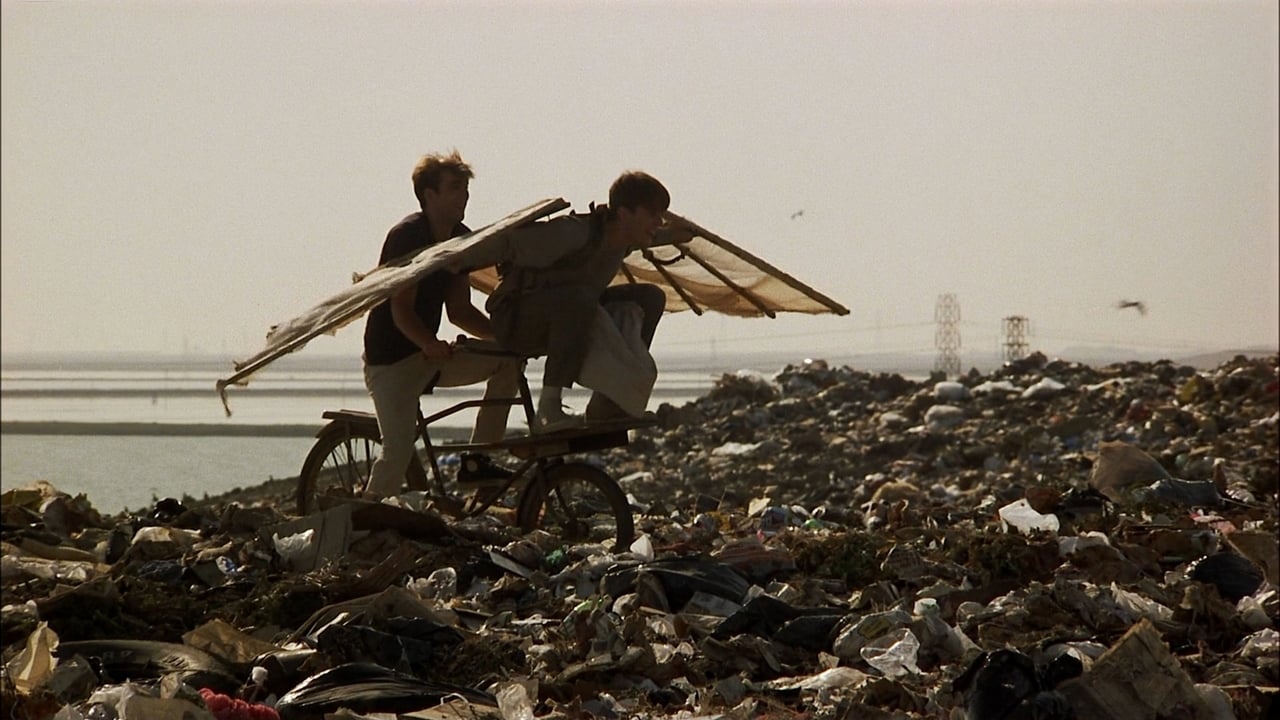
What lingers most, perhaps, is the central, aching question the film orbits: When reality becomes unbearable, where does the mind seek refuge, and can it ever truly find its way back? Birdy explores this not through explosive action, but through the fragile, fractured psyches of two young men irrevocably altered by their experiences.
Two Souls, Intertwined and Scarred
The story unfolds across two timelines, weaving together the seemingly idyllic, pigeon-obsessed youth of the titular Birdy (Matthew Modine) and his best friend Al Columbato (Nicolas Cage) in working-class Philadelphia, with their grim present in the aftermath of the Vietnam War. Al, physically wounded but mentally present (mostly), visits Birdy in a military psychiatric hospital. Birdy, however, has retreated completely. He sits silently, curled in a near-catatonic state, believing himself to be a bird. Al’s mission, born of deep loyalty and perhaps a shared trauma, is to somehow reach his friend, to coax him back from the precipice of his own mind.
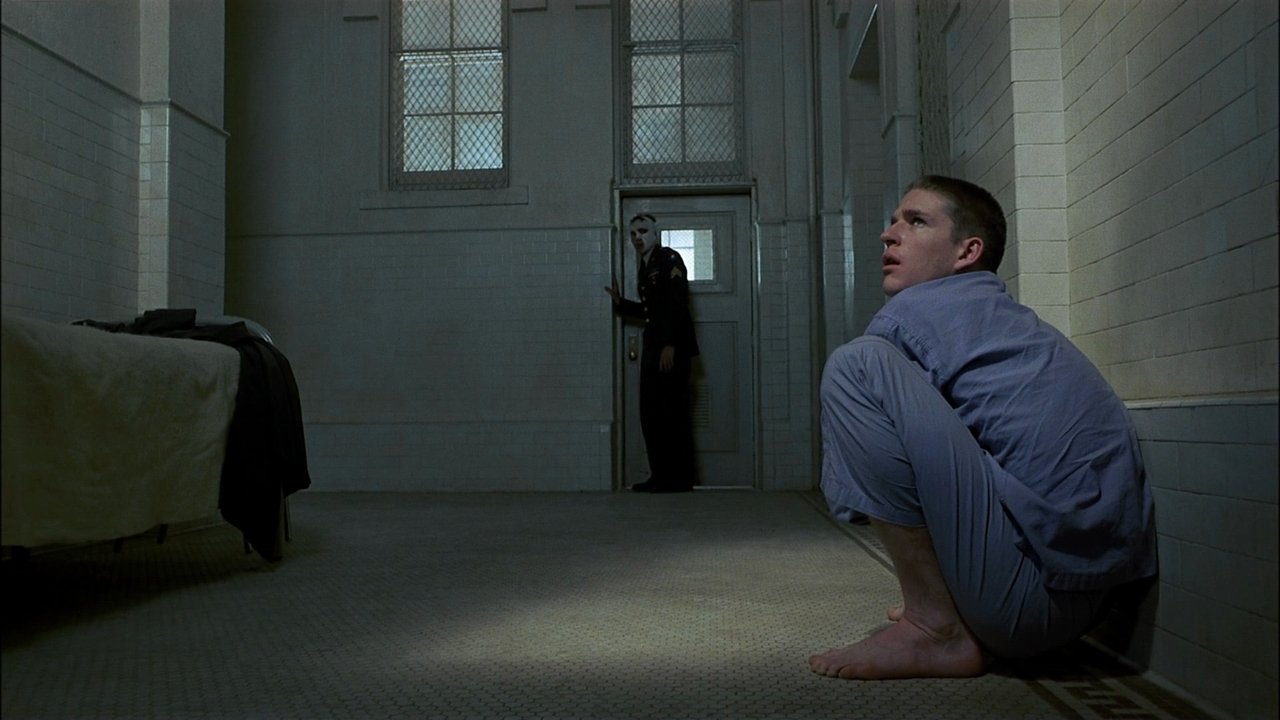
The power of Birdy rests squarely on the shoulders of its two young leads, both delivering performances that feel startlingly raw and committed. Matthew Modine is simply extraordinary. His transformation into Birdy is less about dialogue and more about a profound physicality – the tilt of his head, the flicker in his eyes, the way he inhabits space as if testing the air for flight. It’s a performance of immense vulnerability and unsettling conviction. You believe his obsession, his yearning for the freedom he perceives in his feathered counterparts. It’s a demanding role, requiring him to spend much of the film in near silence, conveying oceans of pain and delusion through presence alone.
Across from him, Nicolas Cage, even this early in his career (just before his Oscar win for Leaving Las Vegas nearly a decade later), shows the fierce intensity that would become his trademark. As Al, he’s the audience’s anchor, the pragmatic, wounded warrior trying desperately to penetrate Birdy’s self-imposed cage. Cage wears Al’s physical and emotional scars openly – the facial bandages are almost secondary to the frustration, love, and desperation warring in his eyes. There's a fascinating story that Cage, ever the method actor, actually had two teeth pulled without anesthesia for the role to better connect with the physical pain his character endured. Whether apocryphal or not, it speaks to the level of commitment felt on screen. Their chemistry is the film's bruised heart; the history between them feels lived-in and achingly real.
Parker's Vision, Gabriel's Soundscape
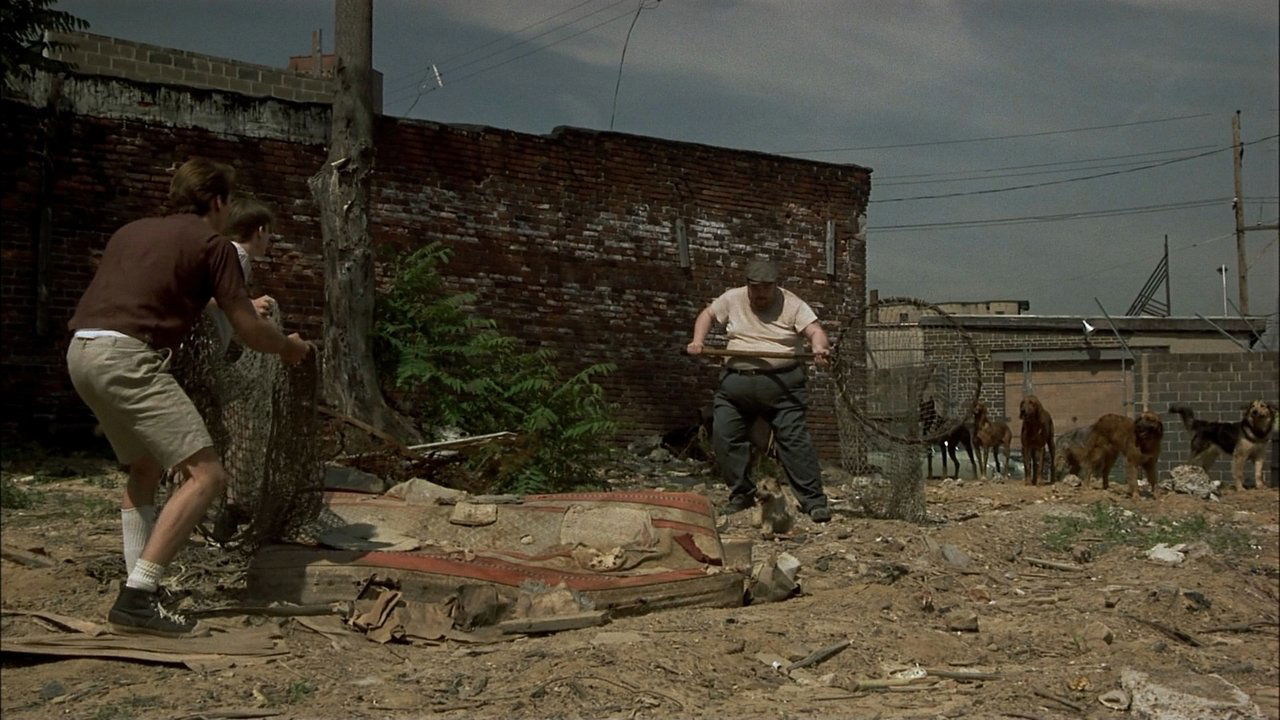
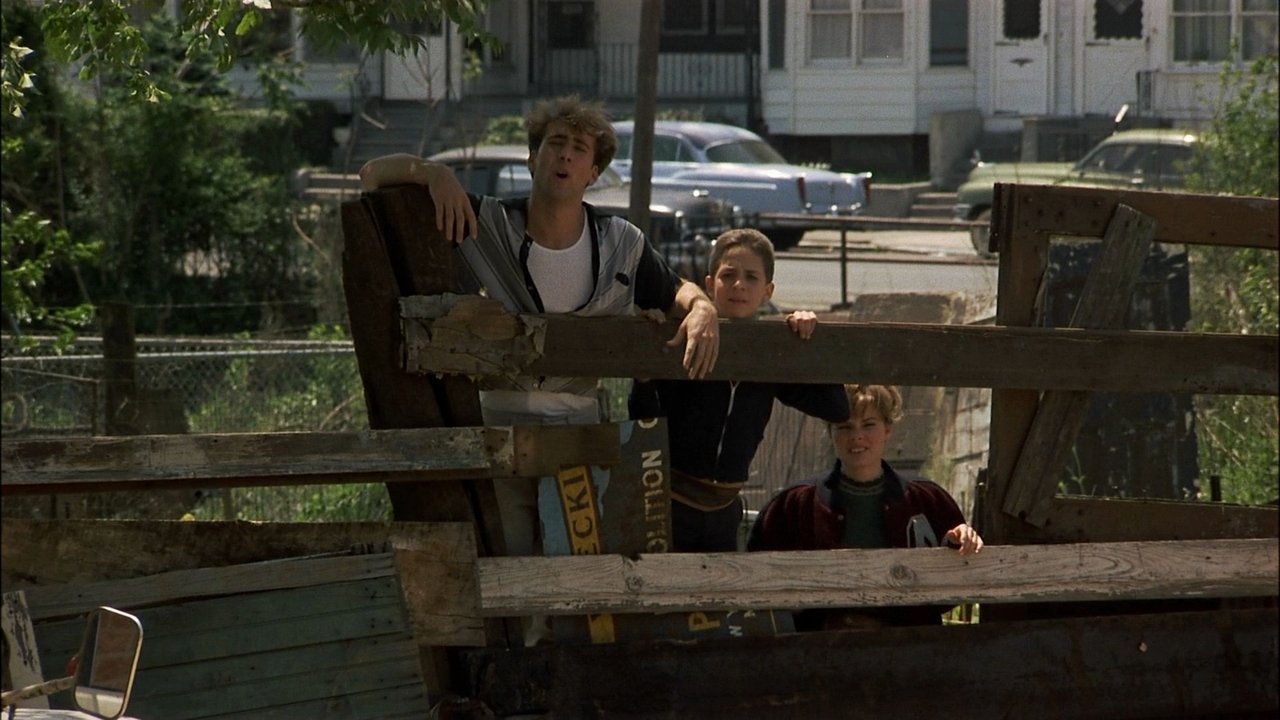
Director Alan Parker, never one to shy away from difficult material (think Midnight Express or Mississippi Burning), approaches Birdy with a kind of poetic realism. The flashback scenes possess a nostalgic warmth, tinged with the foreshadowing of youthful dreams inevitably colliding with harsh reality. The hospital sequences, conversely, are stark, sterile, clinical – amplifying Birdy’s confinement and Al’s growing desperation. Parker doesn't offer easy answers or shy away from the disturbing implications of Birdy’s condition. He trusts his actors and the inherent power of the story, adapted from William Wharton's acclaimed novel (though Parker notably altered the ending, a point of contention for some book purists).
The atmosphere is immeasurably enhanced by Peter Gabriel's evocative score. Interestingly, the soundtrack wasn't composed specifically for the film in the traditional sense. Parker, a fan of Gabriel's work, utilized instrumental tracks primarily from Gabriel's third and fourth solo albums (often referred to as "Melt" and "Security," respectively). The existing music, with its haunting textures and percussive rhythms, fit the film's mood so perfectly it feels entirely bespoke, adding layers of emotional resonance to Birdy's internal world and the film's overall sense of longing and unease.
A Flight from Reality
Birdy wasn't a box office smash. Made for around $12 million, it barely recouped its costs domestically ($1.4 million), a far cry from the blockbusters dominating the era. Yet, its critical reception was strong, culminating in the Grand Prix Spécial du Jury win at the 1985 Cannes Film Festival. This disconnect speaks volumes. It wasn’t an easy sell; a meditative, often deeply sad film about mental trauma, delusion, and the shattering effects of war rarely packs multiplexes.
But its power isn't diminished by its lack of commercial dominance. It asks profound questions about coping mechanisms, the definition of sanity, and the enduring bonds of friendship tested under unimaginable pressure. Does Birdy’s retreat into an avian fantasy represent a total break from reality, or is it a necessary, albeit extreme, form of self-preservation? The film leaves you pondering this, wrestling with the implications of Birdy's silence and Al's increasingly desperate attempts to reach him.
Rating & Final Reflection
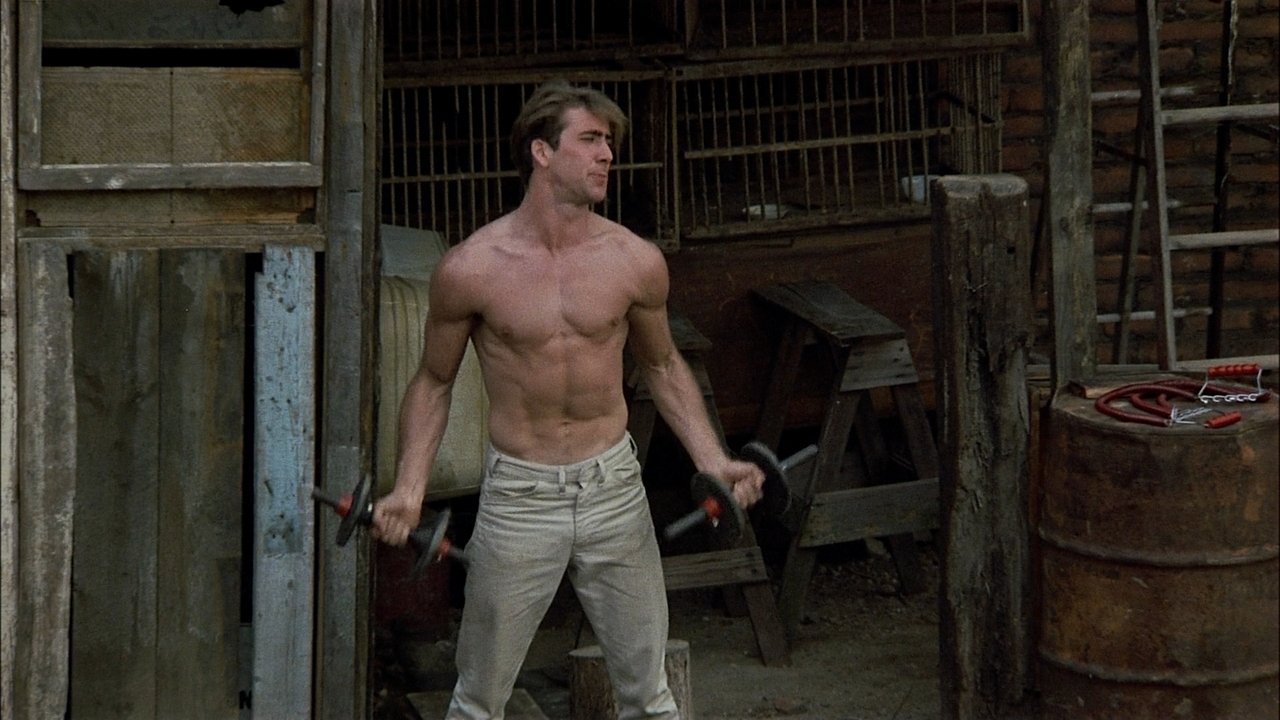
Birdy is a challenging, deeply moving film anchored by two exceptional early-career performances and Alan Parker’s sensitive direction. Its pacing is deliberate, its themes heavy, and its resolution ambiguous, which might not appeal to everyone. However, its emotional honesty, the haunting central metaphor, and the sheer power of Modine and Cage's portrayals make it a significant, if sometimes overlooked, piece of 80s cinema. It’s a film that uses its quiet moments to shout the loudest about pain, resilience, and the desperate human need for escape, in whatever form it takes.
Rating: 9/10
This is one of those VHS tapes that, once watched, likely sat on the shelf radiating a quiet intensity. It wasn’t one you’d pop in casually, but its images and questions would return, unbidden, reminding you of its fragile, feathered heart. A true gem for those willing to look beyond the bright lights of the blockbuster aisle.