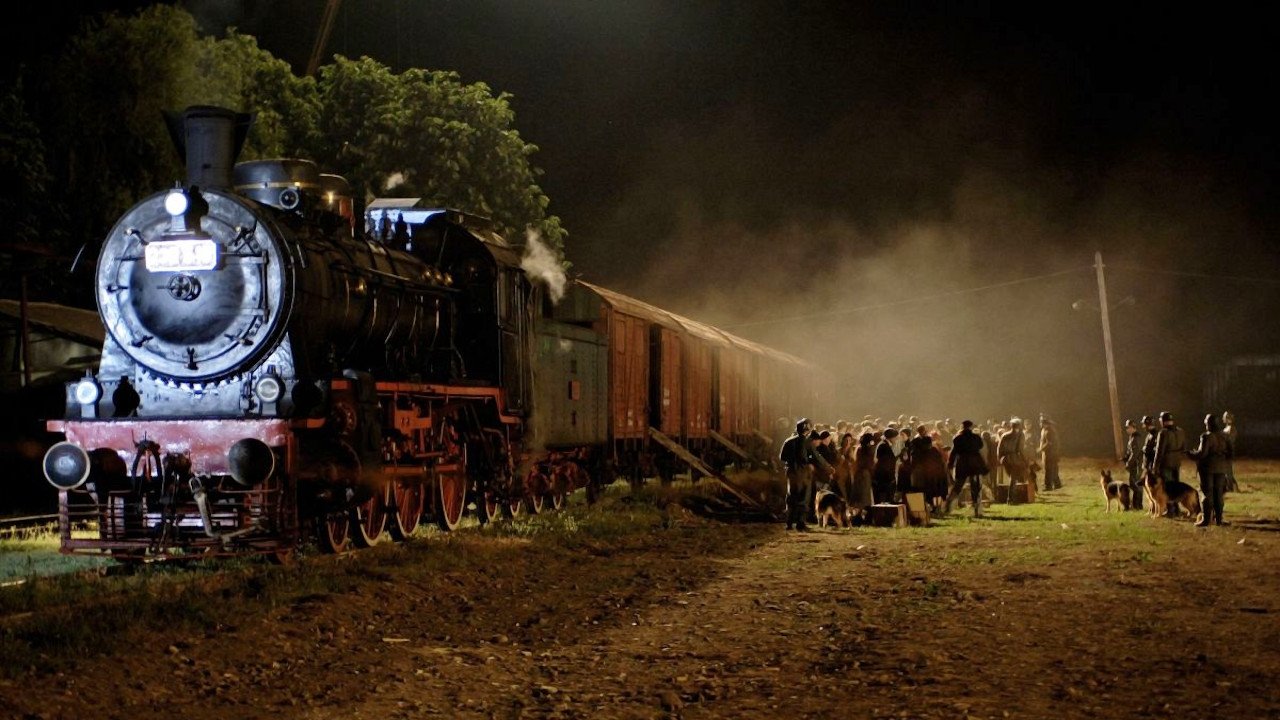
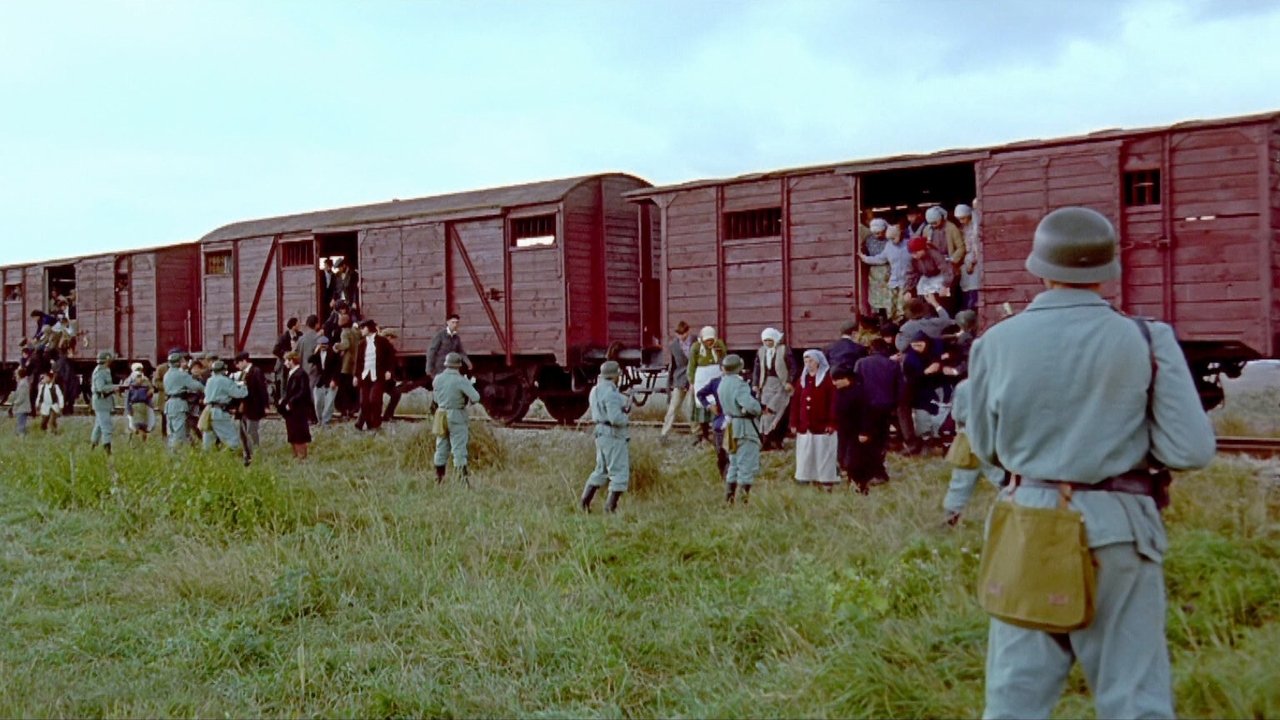
It begins with a scream in the night, not of terror, but of revelation. Shlomo, the village fool, bursts forth with an idea so audacious, so utterly mad, it might just be their only hope. It’s 1941 in a small Eastern European shtetl, the whispers of Nazi atrocities drawing ever closer. What if, Shlomo proposes, they stage their own deportation? What if they build a train, disguise themselves as both German soldiers and Jewish prisoners, and drive themselves straight through enemy lines towards Palestine and freedom? This is the breathtaking, almost unbelievable premise of Radu Mihăileanu’s 1998 tragicomedy, Train of Life (Train de Vie), a film that lingers long after the tape stops rolling.

A Journey Born of Desperation
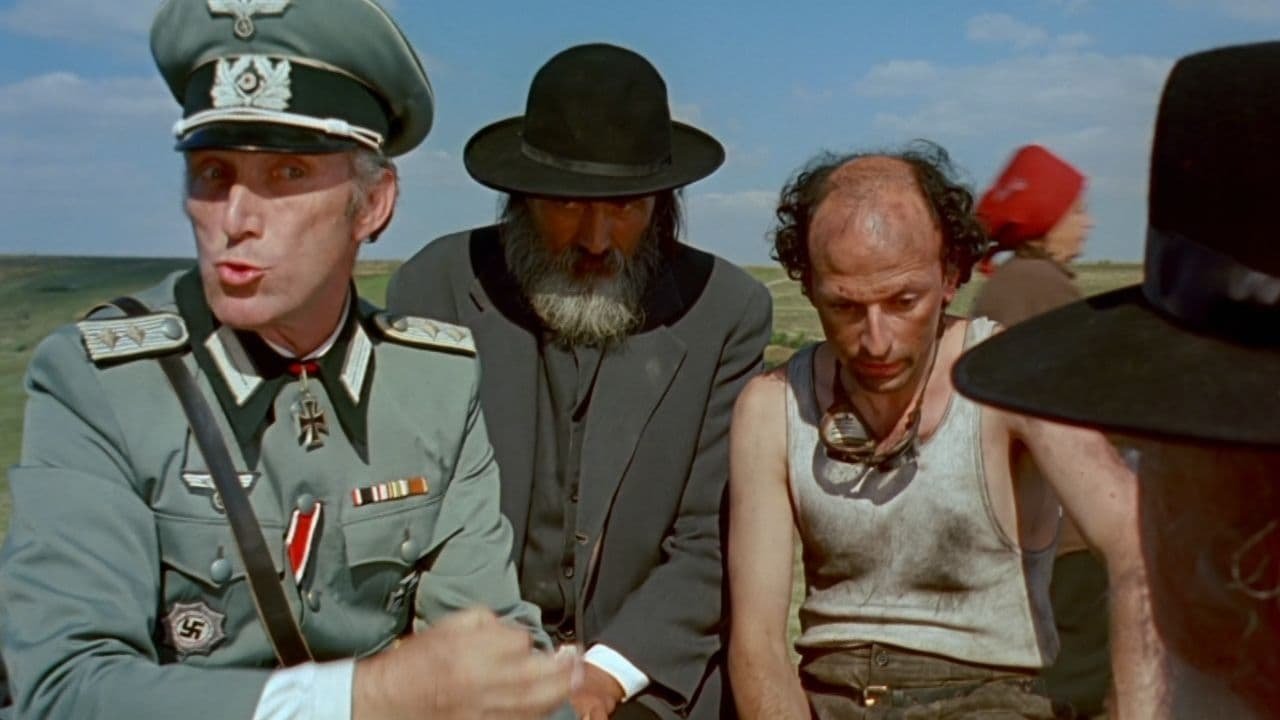
There's a particular kind of magic found in films discovered slightly off the beaten path in the video store days – maybe not on the main 'New Releases' wall, but nestled in the 'Foreign Films' or 'Drama' sections, its slightly unusual cover art hinting at something different. Train of Life was often one such discovery. Its concept alone is captivating: an entire community pooling their resources, their skills, their courage, and their fears into one collective act of defiant imagination. The village carpenter becomes the train builder, the intellectual becomes the German language tutor, and the timber merchant Mordechai (Rufus, bringing a wonderful gravitas and weary humanity) is elected the 'Nazi Commander' of their fabricated deportation. Shlomo, the catalyst played with infectious energy and underlying wisdom by Lionel Abelanski, remains the heart of the operation, his initial 'foolish' idea revealing profound insights as their journey unfolds.
Walking the Tightrope
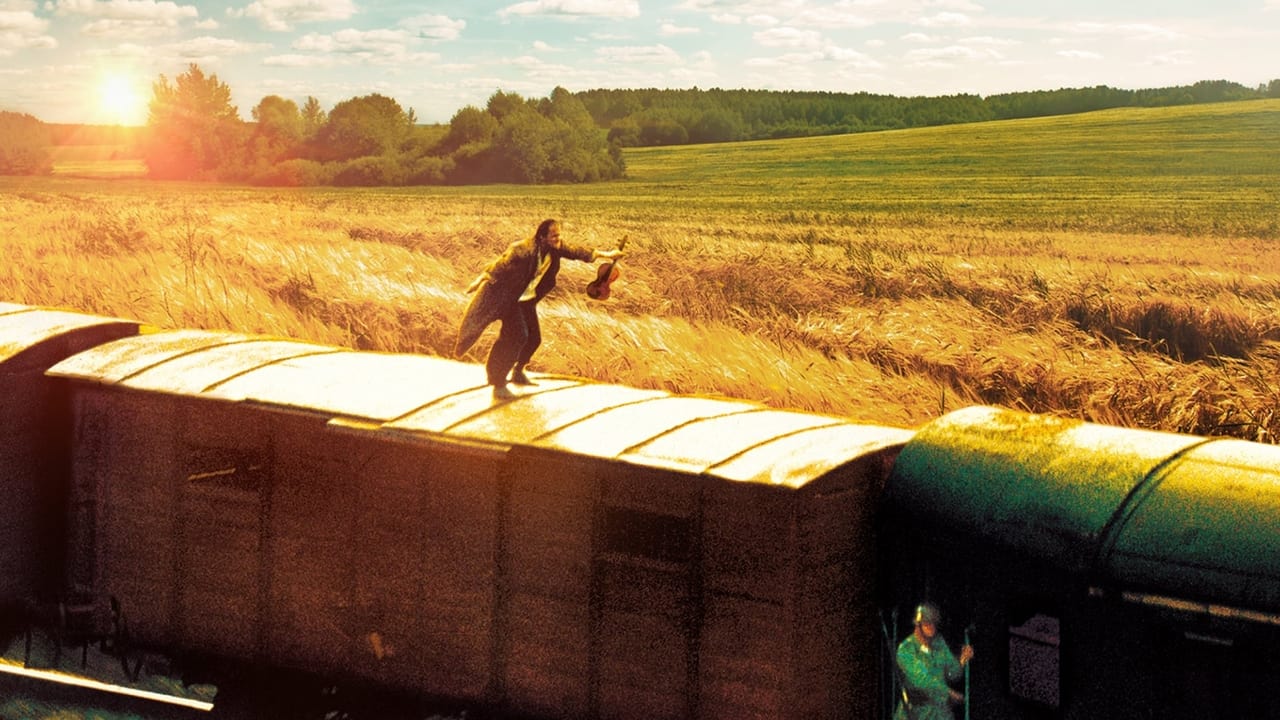
What makes Train of Life so compelling, and perhaps challenging for some, is its masterful tightrope walk between harrowing reality and bursts of surreal, almost fable-like humor. This isn't the broad comedy of some wartime farces; the humor here is born from the absurdity of the situation, the cultural clashes (both real and performed), and the sheer, terrifying nerve of their undertaking. Watching villagers awkwardly learn German phrases, struggle with Nazi uniforms that don't quite fit, or debate Talmudic law while dressed as their oppressors creates moments of undeniable black comedy. Yet, Mihăileanu, drawing inspiration from stories of Jewish resilience and perhaps even echoes of his own father's experiences fleeing persecution, never lets us forget the deadly stakes. The threat is omnipresent, a shadow lengthening beside the train tracks. The laughter often catches in your throat, underscored by the knowledge of what failure means.
Faces of Hope and Fear
The ensemble cast is superb, embodying a community rather than just individuals. Rufus as Mordechai is particularly memorable, his face a canvas displaying the immense burden of his role – the constant fear of discovery warring with the determination to protect his people. Lionel Abelanski's Shlomo is more than just the 'fool'; he represents intuition, hope, and the power of unconventional thinking. And the late, great Clément Harari as the Rabbi provides a moral and spiritual anchor, grappling with the complex ethical questions their deception raises. Do their actions compromise their identity? Is survival justification enough? These aren't easy questions, and the performances give them weight and authenticity. We see not caricatures, but relatable human beings pushed to extraordinary lengths, their interactions fizzing with life, argument, love, and shared terror.
Echoes of History, Whispers of Storytelling
Released the same year as Roberto Benigni’s Life is Beautiful (1997 in Italy, 1998 internationally), Train of Life inevitably drew comparisons. Both films use humor and imagination as coping mechanisms against the horrors of the Holocaust, but their approaches differ significantly. Where Benigni focuses on a father shielding his son through fantasy, Mihăileanu crafts a collective fable, a testament to community spirit and ingenuity. It’s less about shielding innocence and more about actively fighting erasure through an act of audacious storytelling – they literally script their own escape. Shot largely in Romania, the film possesses a distinct visual texture, capturing the landscapes that feel both timeless and perilously close to the front lines. Mihăileanu, who also wrote the script, reportedly spent years developing the story, ensuring its delicate tonal balance felt earned. Its success wasn't just critical acclaim (winning awards like the FIPRESCI Prize at Venice); it resonated deeply with audiences who appreciated its unique blend of hope, humor, and heart in the face of unimaginable darkness.
The End of the Line?
Spoiler Alert! The film's ending is famously ambiguous, a moment that sparks debate and deepens its impact. We are left questioning the nature of storytelling itself, the relationship between memory, history, and the narratives we construct to make sense of trauma. Did the train reach its destination, or is the entire story a comforting fiction spun by Shlomo years later in the very village they sought to escape? This ambiguity doesn't feel like a cheat; rather, it reinforces the film's core themes. In the end, perhaps the journey, the act of collective resistance and imagination, is as important as the destination. What truly matters is the spirit that drove them to build that train in the first place.
Rating: 9/10
Train of Life earns this high mark for its stunning originality, its brave and successful navigation of incredibly sensitive material, and its unforgettable performances. It blends humor, tragedy, and suspense with a deftness rarely seen, creating a fable-like atmosphere grounded in profound human truth. The film doesn’t just tell a story; it explores the very power of story itself as a tool for survival and resistance.
It’s a film that reminds us, especially looking back from our current vantage point, that even in the darkest times, the human capacity for imagination, community, and sheer, improbable hope can feel like the most powerful force of all. It leaves you pondering not just the 'what if' of history, but the 'what now' of the human spirit.