There's a certain kind of quiet that settles over you after watching Alain Corneau's Fort Saganne (1984). It’s not the silence of boredom, but the contemplative hush that follows an immersion in something vast and deeply human, even amidst inhuman landscapes. The sheer scale of the Sahara, captured with breathtaking scope by cinematographer Bruno Nuytten, isn't just a backdrop; it feels like a character in itself – immense, unforgiving, mirroring the boundless ambition and perhaps the ultimate isolation of its central figure. Seeing this on VHS back in the day, often in a slightly truncated version from its original three-hour cut, felt like handling something substantial, a weighty European answer to Hollywood epics, demanding patience and attention.
A Soldier's Relentless Ascent
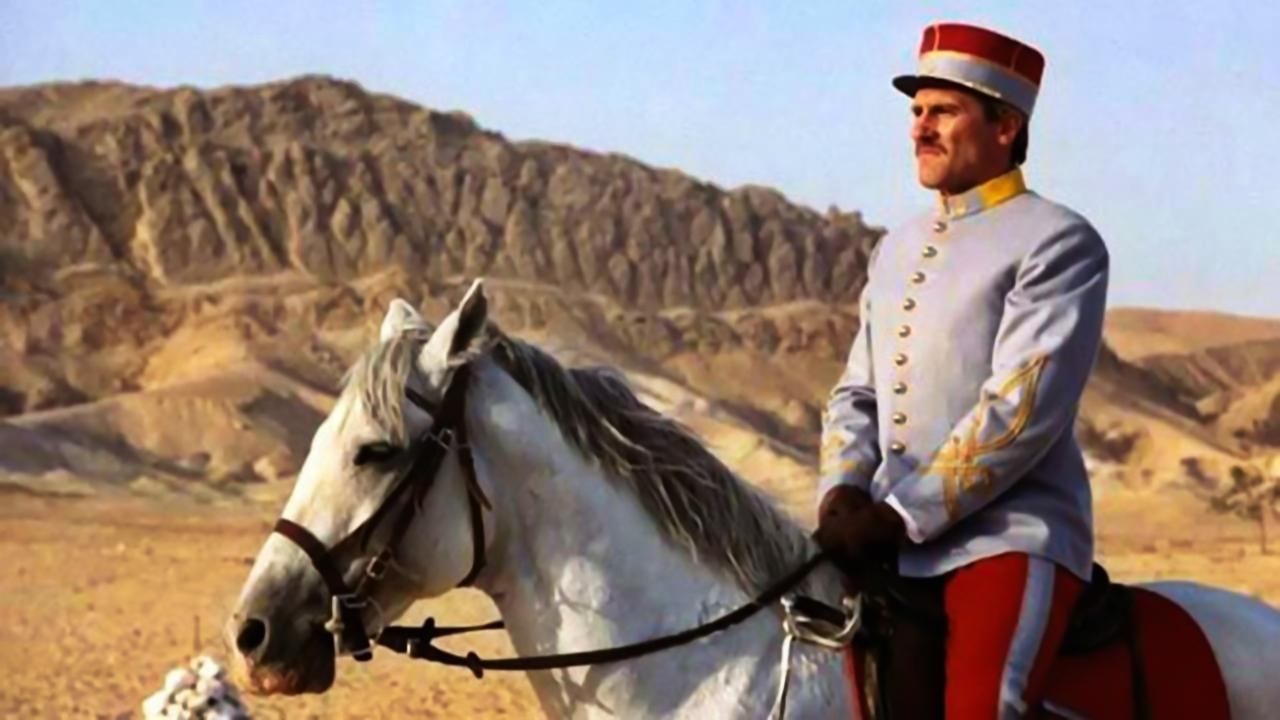
At its heart, Fort Saganne is the story of Charles Saganne, played with smoldering intensity by a Gérard Depardieu then nearing the height of his considerable powers. He’s a man born of peasant stock, driven by an almost desperate need to carve out a place for himself, to achieve glory and recognition within the rigid hierarchy of the French army in colonial North Africa, circa 1911. Depardieu embodies Saganne's physicality – the strength needed to survive the desert – but more crucially, he conveys the burning internal fire, the relentless push against his humble origins. We see the pride, the flashes of arrogance, but also the vulnerability beneath the uniform. It’s a performance that anchors the film's grand scope, making the historical sweep deeply personal. You understand why he pushes so hard, even as you question the cost.
Painting on a Canvas of Sand and Sky
You can feel the ambition radiating from Fort Saganne. Reportedly the most expensive French film ever made at the time (a budget around 80 million Francs, a hefty sum back then!), every centime feels present on screen. Corneau, perhaps better known to some for thrillers like Série Noire (1979), handles the epic scale with confidence. The sequences depicting military campaigns against Saharan insurgents are impressive, favouring gritty realism over flashy heroics. The logistics of filming in the harsh Mauritanian desert must have been staggering, a challenge that pays off in the film's undeniable authenticity. The heat practically shimmers off the dunes, the sense of isolation is palpable. This wasn't CGI fakery; this was sweat, sand, and cinematic will. It’s based on the acclaimed novel by Louis Gardel, and that literary weight gives the narrative a certain gravitas, a sense of exploring complex historical and personal currents.
Whispers of Doubt in the Desert Wind
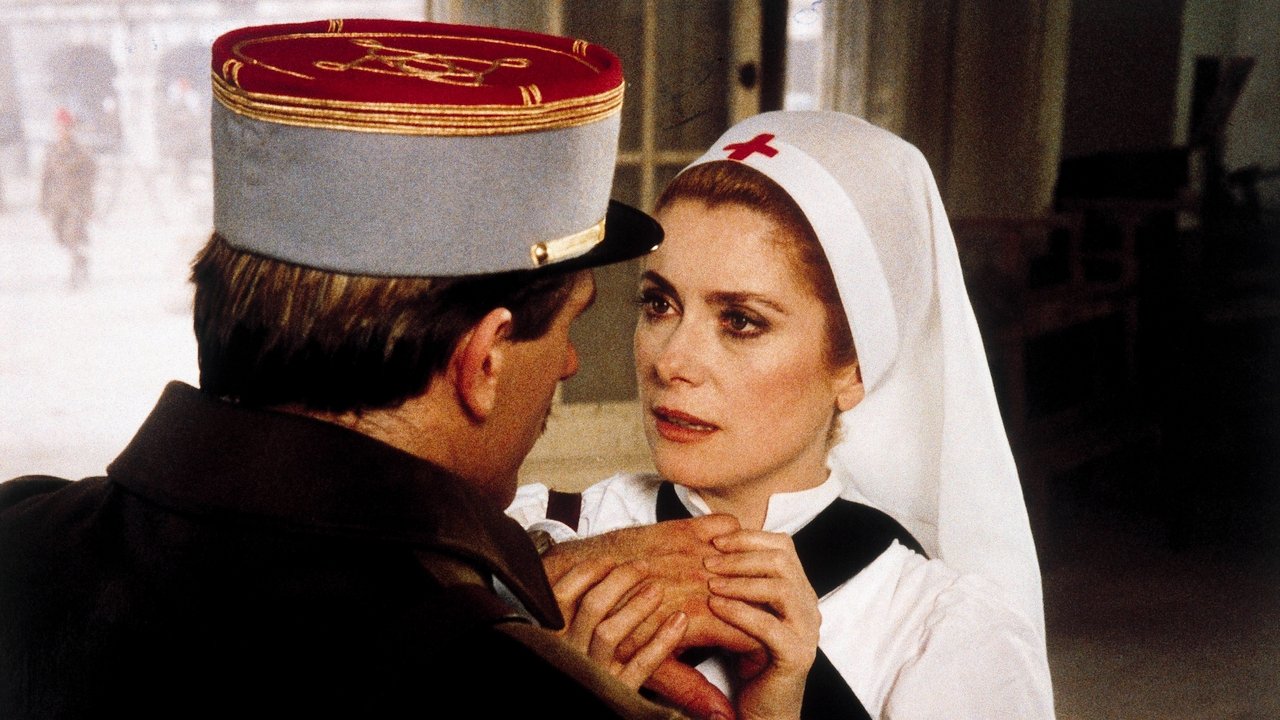
Beyond the spectacle, the film quietly probes themes that resonate still. Saganne’s quest for honour runs parallel to the French colonial project itself – a pursuit fraught with moral complexities. The film doesn't offer easy answers about the rightness or wrongness of France's presence there, but focuses more on the individual experiences within that larger machine. We see the camaraderie among soldiers, the respect Saganne earns from his men and his thoughtful superior, Colonel Dubreuilh (a wonderfully subtle performance by the great Philippe Noiret). But we also see the waste, the cultural clashes, and the foreshadowing of the greater conflict looming back in Europe – World War I. Catherine Deneuve appears in a relatively brief but pivotal role as a journalist who represents a different world, a sophisticated allure from back home that contrasts sharply with Saganne's desert existence, highlighting the life he’s both pursuing and perhaps sacrificing. Doesn't this tension between duty, ambition, and personal connection feel timeless?
A Grand, Sometimes Ponderous, Journey
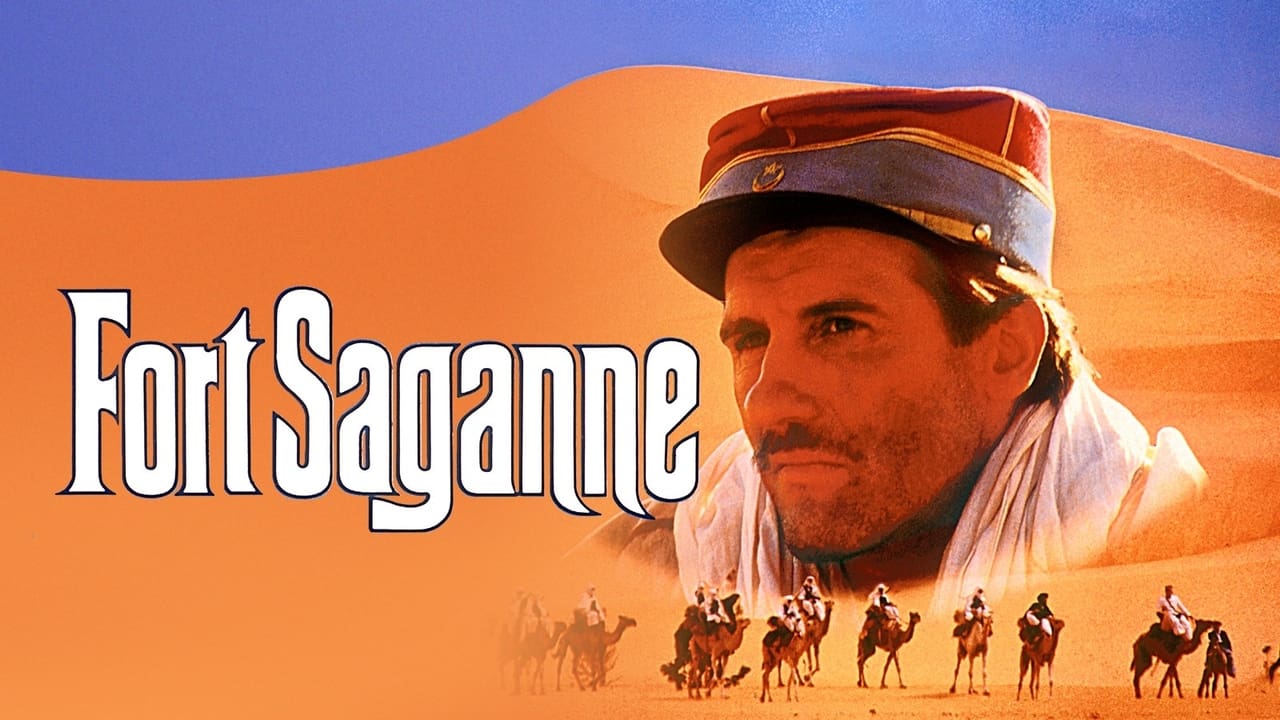
Fort Saganne isn't a film that rushes. Its pacing is deliberate, mirroring the long treks across the desert and the slow passage of time before the Great War erupts. This measured approach allows for immersion but might test the patience of viewers accustomed to faster-paced narratives. Sometimes, the sheer scale can feel like it overshadows the intimate emotional beats. It’s a film you admire for its craft, its visual splendour, and Depardieu's towering performance, perhaps more than you connect with it on a raw, emotional level moment-to-moment. Yet, its seriousness, its refusal to simplify history or human motivation, is precisely what makes it linger. I remember finding the tape on the rental shelf, the cover art hinting at adventure but the sheer length promising something more substantial. It felt like committing to an experience.
Rating: 8/10
Fort Saganne earns its high marks for its stunning visual scope, Depardieu's commanding central performance, and its thoughtful, ambitious attempt to grapple with complex themes of honour, colonialism, and personal sacrifice on an epic scale. The sheer craft involved in bringing this Saharan world to life is undeniable, capturing both the beauty and brutality of the landscape and the era. While its deliberate pacing and occasional emotional distance might prevent it from achieving perfect universal appeal, its ambition and execution are deeply impressive.
It remains a powerful piece of French cinema, a grand, slightly melancholic echo from the VHS era – a reminder of a time when epics felt truly earned, built from sand, sweat, and celluloid dreams. What stays with you isn't just the action, but the vast silence of the desert and the solitary figure striving within it.