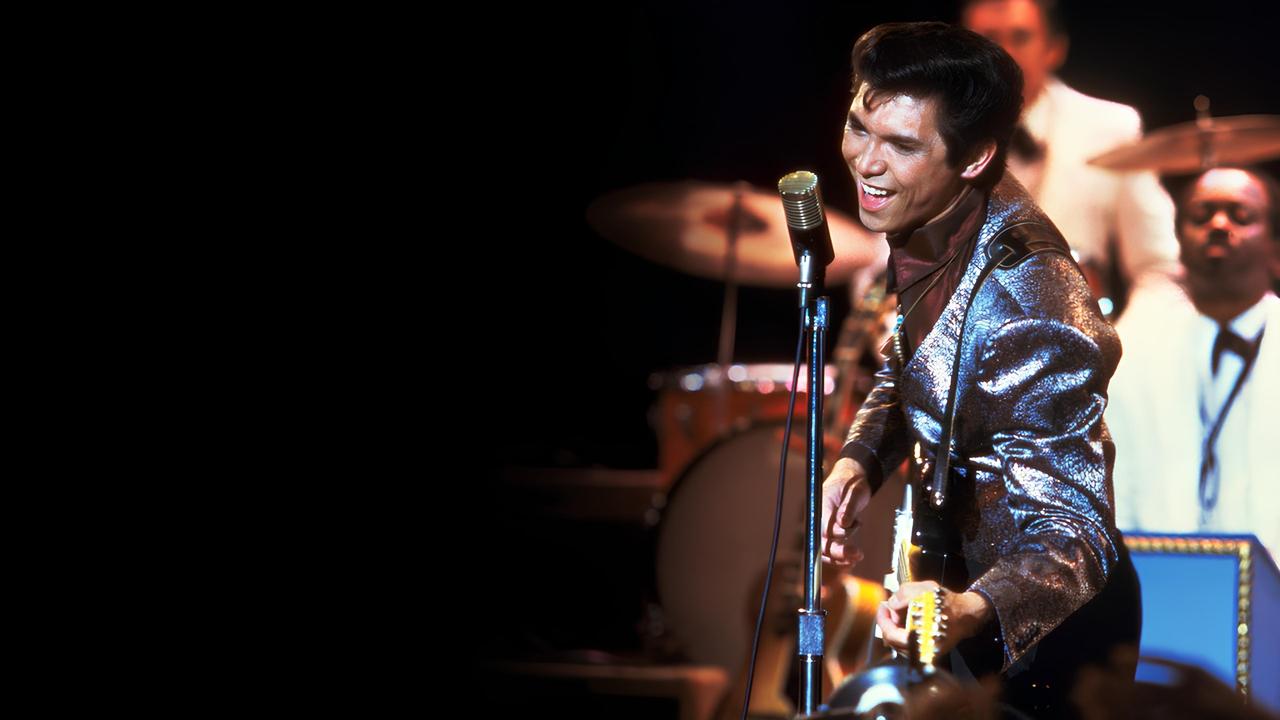
It arrives like a jolt, doesn't it? That unmistakable guitar riff – the opening bars of "La Bamba" – instantly conjuring images of sun-drenched California optimism, teenage dreams taking flight, and a rhythm that feels baked into the very soul of rock and roll. But Luis Valdez's 1987 biopic, La Bamba, is so much more than just a jukebox musical draped over a life story. Watching it again after all these years, pulling that worn VHS sleeve from the shelf in my mind, reminds me how profoundly it captured not just the meteoric rise of Ritchie Valens, but the complex, sometimes turbulent heart of family, ambition, and the bittersweet taste of achieving the impossible dream just before it slips away.
More Than Just the Music
The film charts the tragically short, incandescent journey of Ricardo Valenzuela, a Mexican-American teenager from Pacoima, California, who, as Ritchie Valens, rocketed to stardom in the late 1950s with hits like "Come On, Let's Go," "Donna," and the electrifying Spanish-language folk song reimagined as a rock anthem, "La Bamba." We see his discovery, his whirlwind romance with Donna Ludwig (Danielle von Zerneck), and his rapid ascent in the music world. But Valdez wisely understood that the power of Valens' story wasn't just in the chart-toppers; it was deeply intertwined with his roots, particularly his relationship with his troubled but fiercely loyal half-brother, Bob Morales.
A Tale of Two Brothers
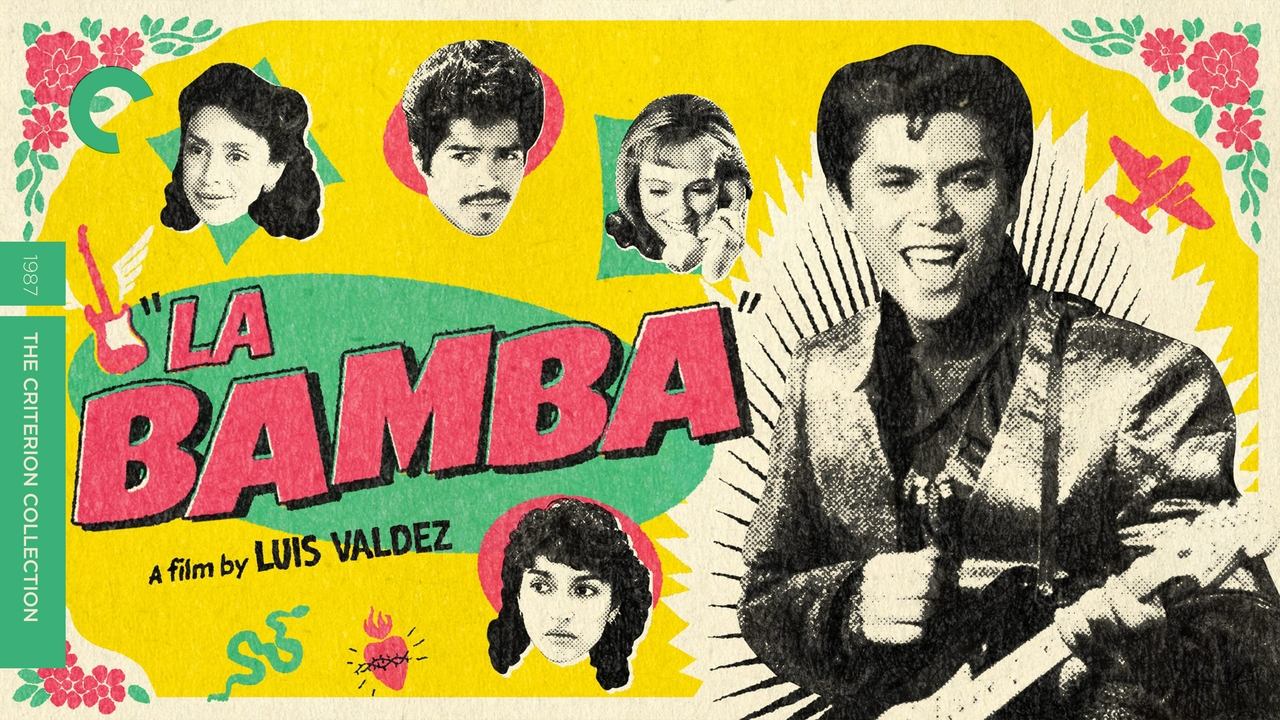
This central dynamic is where La Bamba truly finds its emotional core. Lou Diamond Phillips, in a career-defining performance that pulsed with infectious energy and youthful charisma, became Ritchie Valens. He embodied the singer's shy charm, his burning ambition, and the vulnerability beneath the leather jacket. Phillips reportedly learned to sing and play guitar for the role, and while the incredible vocals were actually provided by David Hidalgo of Los Lobos (who, along with his bandmates, recreated Valens' music with uncanny accuracy for the film), Phillips’ commitment sells every strum, every heartfelt lyric. You believe in his talent, his dreams, and the sheer joy he finds in the music.
Contrast this with Esai Morales as Bob. It's a performance crackling with resentment, envy, and a raw, wounded pride, yet underscored by a complex, undeniable brotherly love. Morales initially auditioned for the role of Ritchie but was perhaps deemed too intense; casting him as Bob proved to be a stroke of genius. Their scenes together are electric, fraught with the tension between Ritchie’s soaring success and Bob’s earthbound struggles, mirroring the opportunities and limitations faced by working-class Chicano youth in that era. Watching them navigate jealousy, loyalty, and shared history adds a layer of grounded realism that elevates La Bamba beyond simple hagiography. What does it say about brotherhood when one sibling's dream taking flight casts such a long shadow over the other? It’s a question the film poses with sensitivity and power. Anchoring them both is Rosanna DeSoto as their mother, Connie, a portrait of resilience and unwavering maternal love.
Capturing Lightning in a Bottle
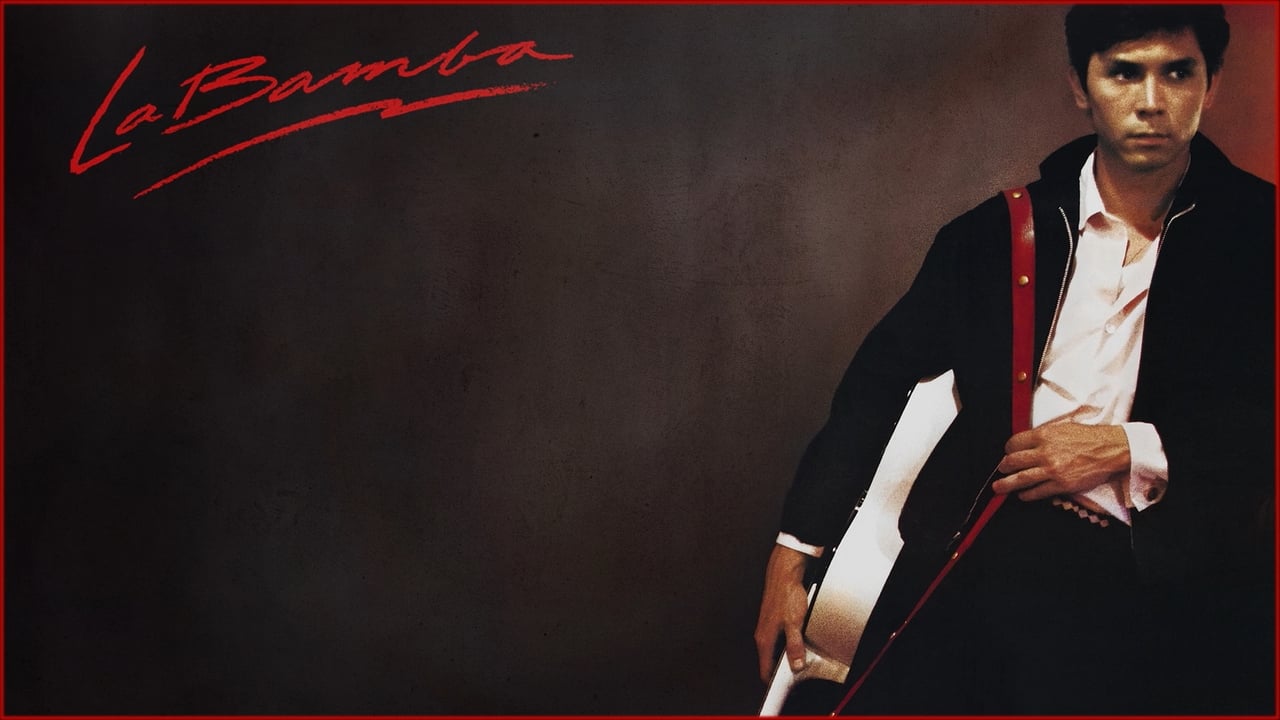
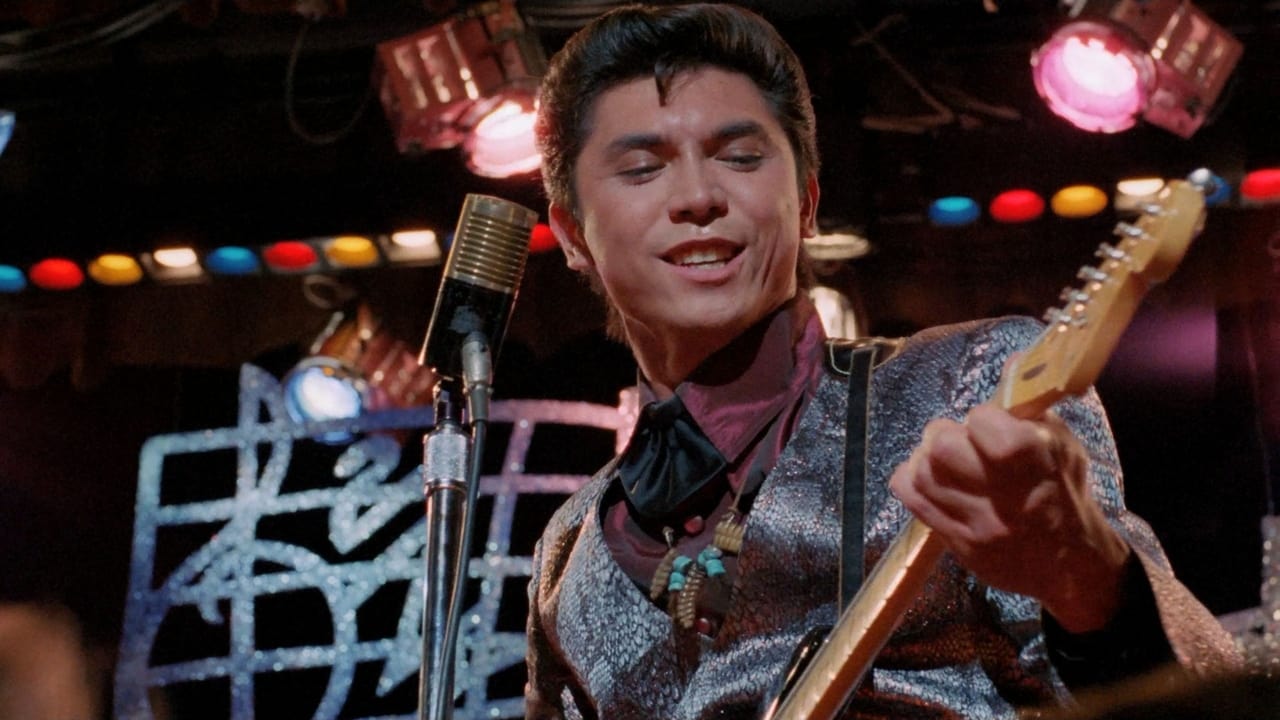
Director Luis Valdez, a pioneering figure in Chicano theater and film (known for Zoot Suit), brought a specific cultural perspective and authenticity to the project. The Valenzuela family was heavily involved, ensuring a layer of truth beneath the Hollywood sheen. Valdez masterfully balances the vibrant musical sequences – bursting with the color and energy of the late 50s – with the quieter, more intimate family drama. The film doesn't shy away from the darker elements – Bob's alcoholism, the anxieties Ritchie faced breaking into a predominantly white music industry, and the chilling foreshadowing of the fateful plane crash.
One fascinating tidbit often shared is how the film's success ($54.2 million domestic gross against a modest $6.5 million budget – that's like making nearly $150 million today!) reignited interest in Ritchie Valens' music decades after his death. The soundtrack album itself was a massive hit, spending weeks at number one. It felt like the whole world rediscovered Valens through this film, ensuring his legacy endured beyond that tragic "Day the Music Died." Remember hearing those Los Lobos covers pouring out of every radio that summer? It was inescapable, a testament to the film's cultural impact.
The Enduring Echo
Watching La Bamba on VHS back in the day felt significant. It wasn't just another teen movie or rock biopic; it had a weight, a sense of telling an important, perhaps overlooked, American story. It showcased Chicano culture with pride and vibrancy at a time when such representation was rare in mainstream Hollywood. The blend of infectious joy in the music and the inevitable heartbreak of the ending created a uniquely poignant experience. Doesn't that bittersweet quality linger most powerfully?
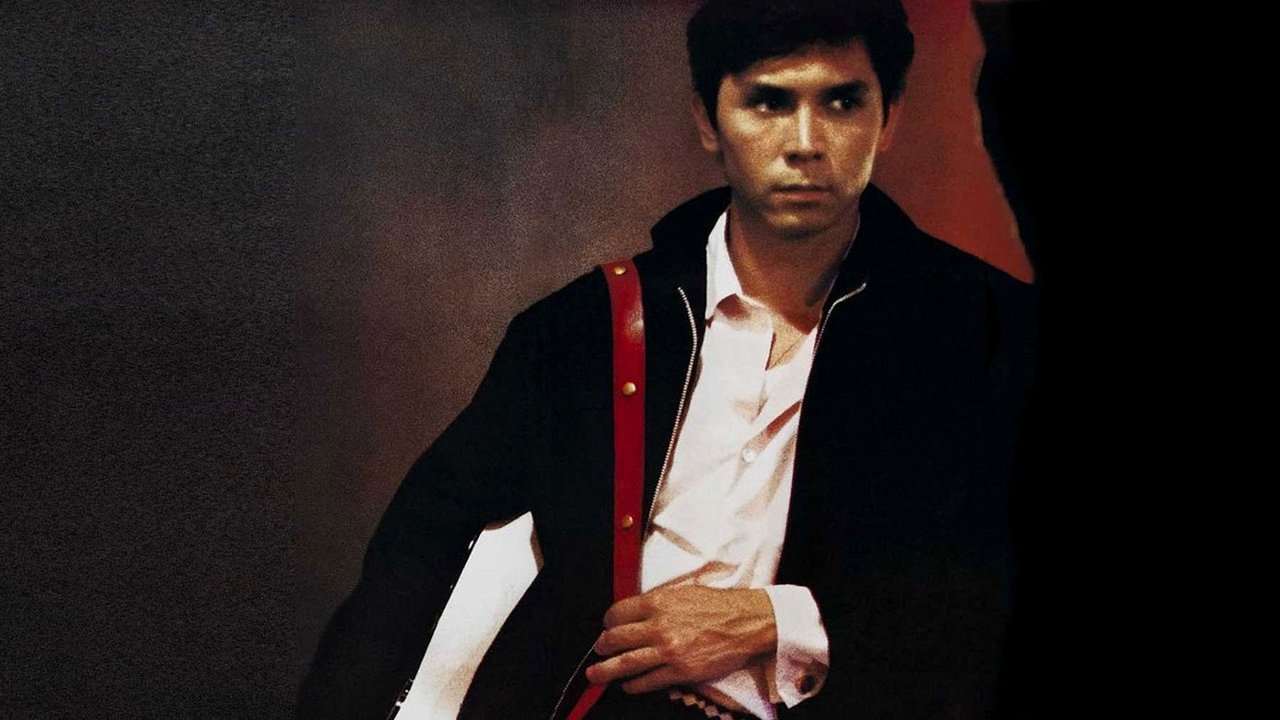
The film isn't perfect; some dramatic beats might feel familiar to the biopic genre. But its strengths – the powerhouse performances, the incredible music, the authentic portrayal of family and cultural identity, and the sheer heart poured into it – far outweigh any minor quibbles. It captured lightning in a bottle, celebrating a talent extinguished far too soon while telling a deeply human story that resonates across generations.
Rating: 9/10
This rating reflects the film's outstanding performances, particularly from Phillips and Morales, its culturally significant impact, the brilliance of the musical recreations by Los Lobos, and its ability to deliver a powerful emotional punch that still lands decades later. La Bamba remains a standout biopic from the era, a vibrant tribute that ensures Ritchie Valens' music, and his story, continue to echo. It leaves you not just with catchy tunes in your head, but with a profound sense of potential tragically unrealized, yet somehow, immortally celebrated.