Here we go, another dive into the stacks at VHS Heaven. Remember those courtroom thrillers from the 80s? The ones that felt grounded, gritty, maybe filmed under perpetual fluorescent light or the grey skies of a D.C. winter? Slipping the tape for Suspect (1987) into the VCR again brings that whole mood rushing back – a certain kind of serious, character-driven tension that feels distinctly of its time, yet still manages to grip you. It wasn’t just about the whodunit; it was about the people caught in the gears of the justice system.
A Chill Wind Through Washington
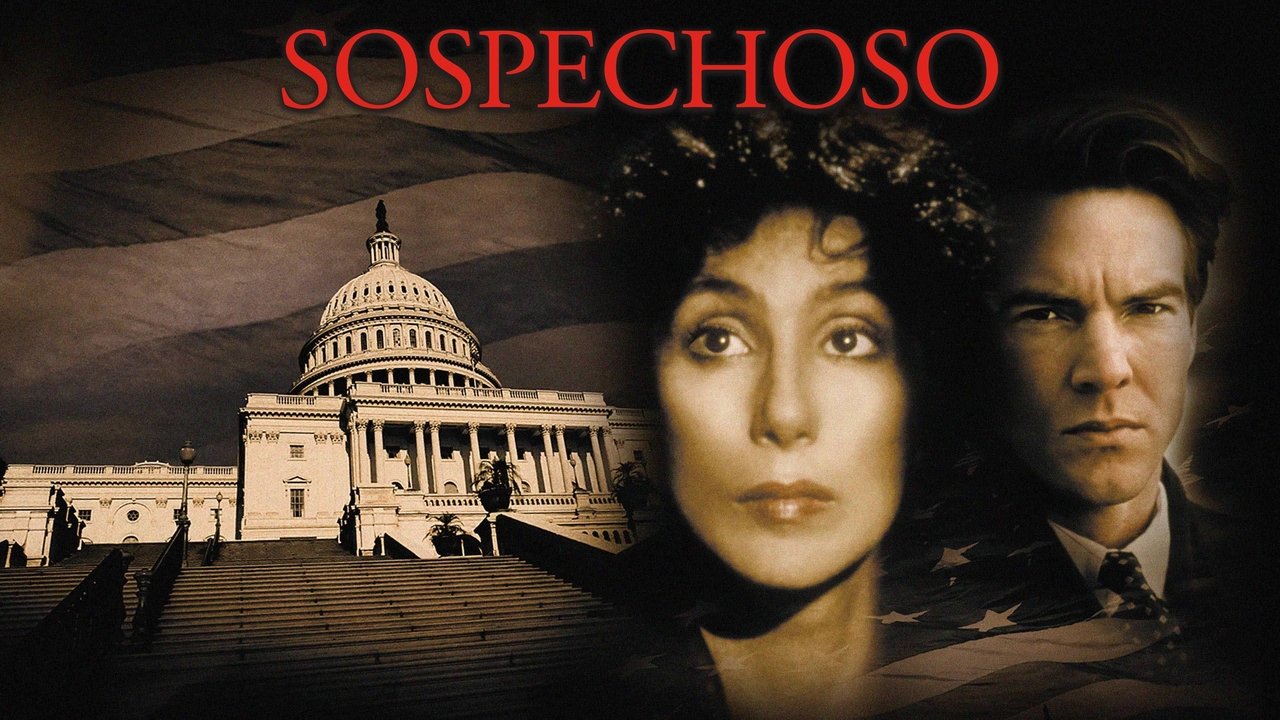
What immediately strikes you about Suspect is its atmosphere. Director Peter Yates, a man who knew how to frame both blistering action like Bullitt (1968) and intimate character studies like Breaking Away (1979), paints a Washington D.C. that feels cold, imposing, and weary. The story begins grimly: a Supreme Court Justice's secretary is found murdered, and near the scene, police apprehend Carl Wayne Anderson (Liam Neeson), a homeless, deaf-mute Vietnam veteran. The evidence seems damning, the system ready to process another piece of human detritus. Enter Kathleen Riley (Cher), an overworked, disillusioned public defender assigned to this seemingly open-and-shut case. She’s expected to go through the motions, but something about Anderson’s haunted eyes, something about the convenient narrative, sparks a flicker of defiance in her.
Unlikely Allies, Unexpected Depths
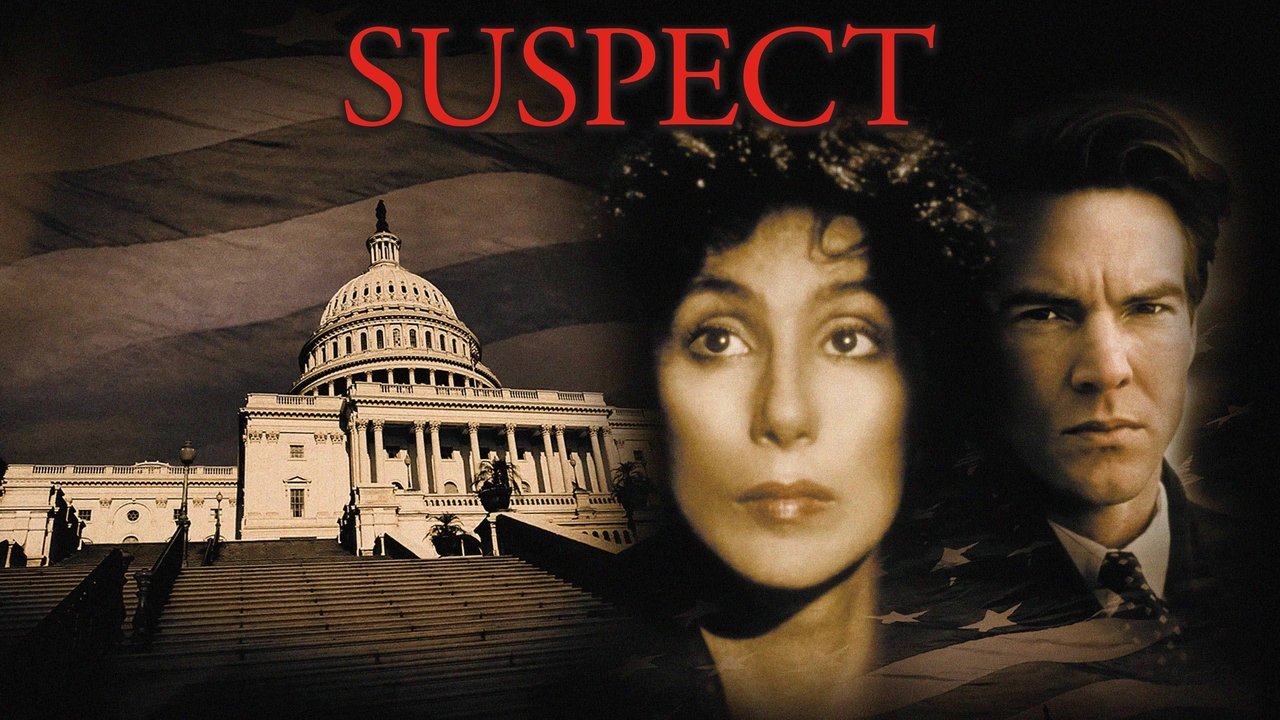
This isn't just Kathleen's fight, though. The film throws a curveball by involving Eddie Sanger (Dennis Quaid), a slick agriculture lobbyist serving jury duty on the case. Initially seeing it as an unwelcome interruption, Sanger, against all rules and reason, starts feeding Kathleen information from inside the jury box, drawn into the mystery and perhaps Kathleen herself. It’s a pairing that could easily feel contrived, but Cher and Quaid generate a sparky, believable chemistry born of shared clandestine purpose rather than overt romance.
Cher, riding high on critical acclaim from Mask (1985) and just before her Oscar win for Moonstruck (which also came out in 1987 – what a year!), delivers a performance of weary integrity. She sheds the glamour, reportedly insisting on minimal makeup, embodying Kathleen’s exhaustion and determination. You feel the weight of the system on her shoulders, the countless hopeless cases that came before this one. Dennis Quaid, fresh off his charismatic turn in The Big Easy (1987), brings his trademark charm but laces it with a growing sense of conscience that makes Sanger more than just a plot device. His transition from cynical operator to invested participant is compelling.
But it's Liam Neeson, in a role years before Schindler's List (1993) or his later action hero persona solidified, who leaves an indelible mark. Playing the deaf-mute Anderson, Neeson relies entirely on physicality and expression. His preparation reportedly included spending time observing and interacting with deaf individuals, and it shows. There’s a raw terror and vulnerability in his eyes, a man utterly lost and powerless within a system that cannot hear or understand him. It’s a performance of immense power and subtlety, hinting at the formidable dramatic talent that would soon make him a household name.

More Than Just a Courtroom Drama
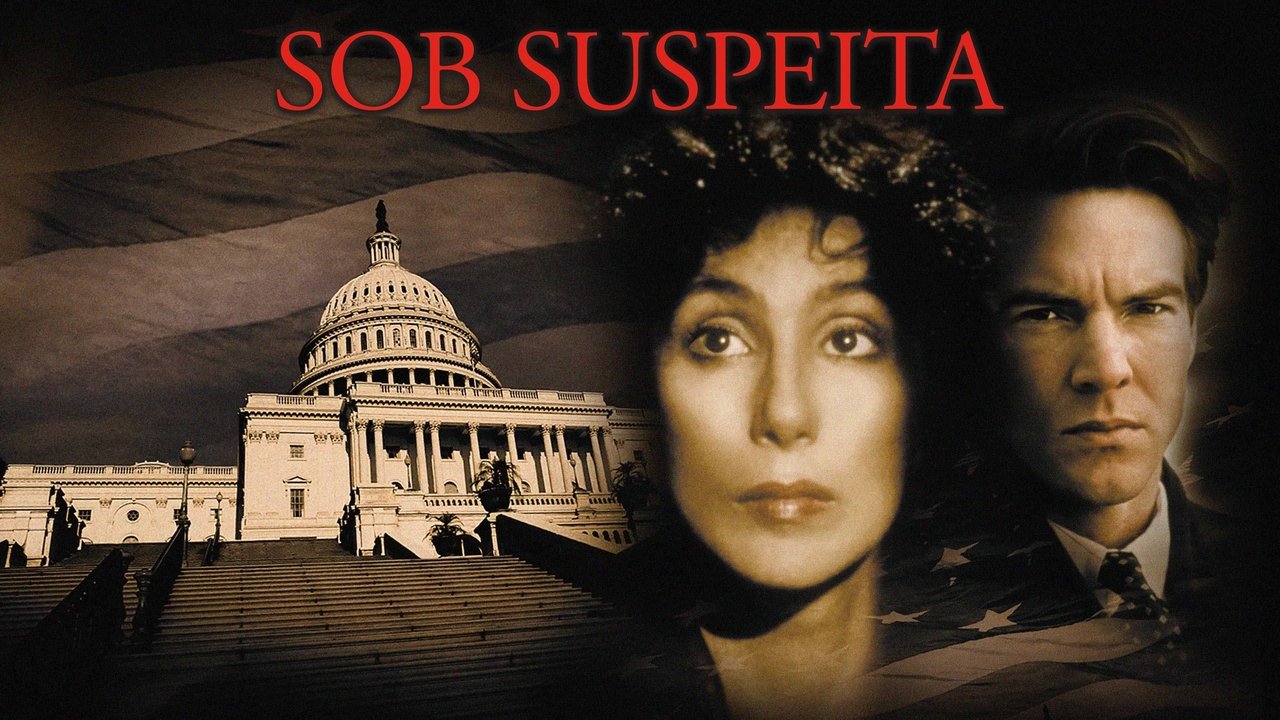
Written by Eric Roth (who would later pen Forrest Gump and The Insider), Suspect digs deeper than many legal thrillers of the era. Roth apparently based Neeson's character partly on a homeless veteran he knew, lending a layer of authenticity to the portrayal. The script cleverly uses the courtroom not just for legal maneuvering, but as a pressure cooker for secrets and hidden connections. Yates builds the suspense methodically, focusing on procedural details and the slow uncovering of buried truths. He makes excellent use of the D.C. locations, grounding the sometimes labyrinthine plot in a tangible reality. You feel the chill of the Potomac, the imposing marble of the government buildings.
While perhaps not a box office smash (grossing around $18.8 million domestically on a reported $16 million budget), Suspect garnered respectable reviews and found a solid life on VHS. For many of us, finding this on the rental shelf promised a smart, engaging thriller, and it usually delivered. It wasn't flashy, relying on performance and plot over explosions. Remember settling in, the VCR humming, ready for that slow burn?
The film isn't without its minor creaks – Sanger's ability to conduct his parallel investigation while sequestered pushes credulity a bit, and the final twist, while effective for some, might feel a touch convenient to others upon reflection. (Spoiler Alert: Discussing the specifics of the ending would betray the film's central mystery, but its reliance on a fairly classic thriller trope might divide viewers today). Yet, these are small quibbles in what remains a tightly constructed and exceptionally well-acted thriller.
The Verdict
Suspect holds up remarkably well as a piece of intelligent adult filmmaking from the 80s. It offers compelling performances, particularly from Neeson in a challenging early role, a thick, satisfying atmosphere, and a mystery that keeps you guessing. It explores themes of justice, prejudice, and the humanity often lost within bureaucratic systems – questions that resonate just as much today. It’s a reminder of a time when thrillers often relied more on character and suspense than sheer spectacle.
Rating: 8/10 - A thoroughly engaging and well-crafted legal thriller elevated by outstanding performances and palpable atmosphere. It earns its twists and delivers a satisfying, thought-provoking experience that sticks with you long after the tape ejects. What does it say about our systems when the truth depends so heavily on individuals willing to break the rules?