It arrives not with the crash of explosions or the familiar synth pulse of so many tapes from its time, but with the weight of centuries, carried on the Sahel wind. To slide Yeelen (1987) into the VCR, perhaps discovered not in the brightly lit aisles of Blockbuster but tucked away in a specialty store or caught flickering on a late-night broadcast, was to encounter something utterly distinct. This wasn't just another movie; it felt like accessing a different stream of consciousness, a cinematic language rooted in myth and the stark, breathtaking beauty of the Malian landscape.
A Journey Through Light and Shadow
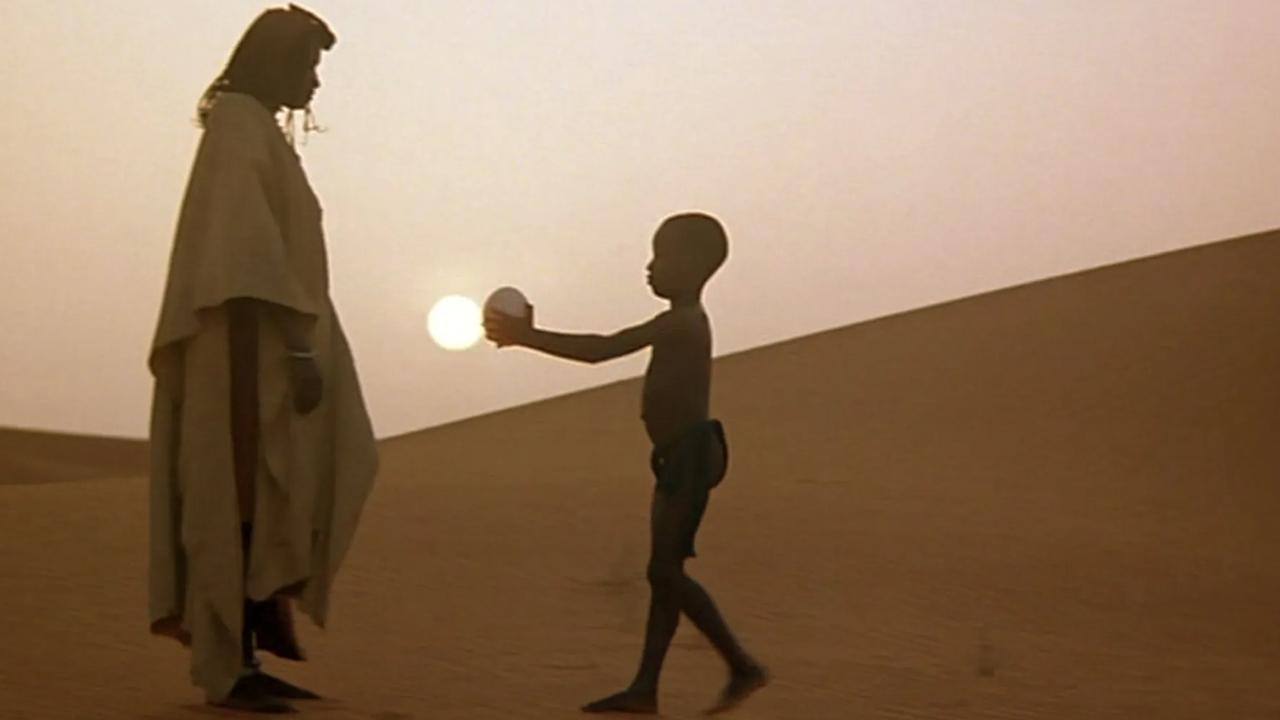
Directed with visionary patience by Souleymane Cissé, Yeelen (meaning "brightness" or "light" in Bambara) unfolds like an ancient parable brought to life. We follow Nianankoro (Issiaka Kane), a young man initiated into the secret knowledge of the Komo society, who finds himself hunted by his own father, Soma (Niamanto Sanogo), a powerful sorcerer who fears his son will usurp him. Nianankoro’s journey becomes an odyssey across Mali, seeking aid from his uncle and ultimately confronting the dangerous legacy passed down through his bloodline. The plot, while charting this mythic conflict, feels less driven by conventional narrative beats and more by ritual, landscape, and elemental forces.
Where Landscape Breathes
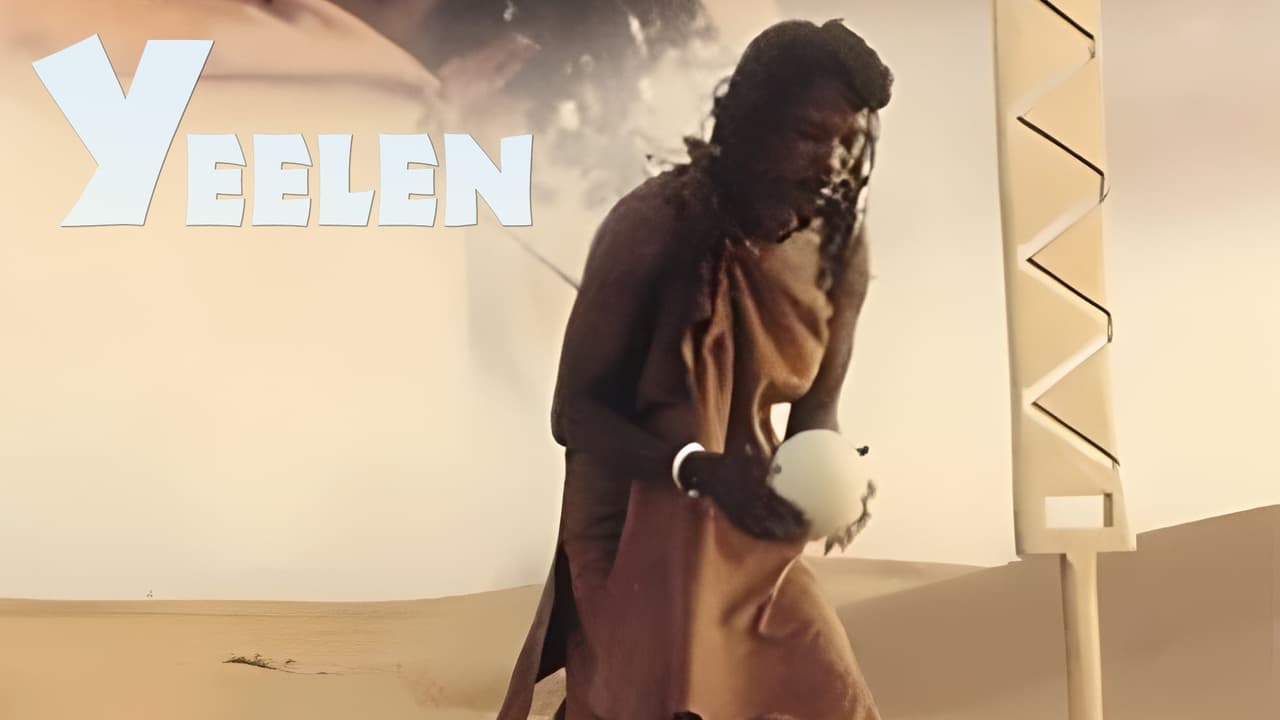
What strikes you immediately, even on a fuzzy CRT back in the day, is the film's staggering visual power. Cissé and his cinematographers capture the plains, rivers, and cliffs of Mali not just as backdrops, but as living entities, characters in their own right. The sun bleaches the earth, dust devils dance with unseen energy, and light itself – the very essence of "Yeelen" – becomes a tangible force, both illuminating and blinding. There's a patience to the camera work, allowing shots to breathe, inviting contemplation rather than demanding attention. This visual language feels worlds away from the quick-cutting styles prevalent in the late 80s, demanding a different kind of viewing, a willingness to sink into its rhythms.
Performances Carved from Myth
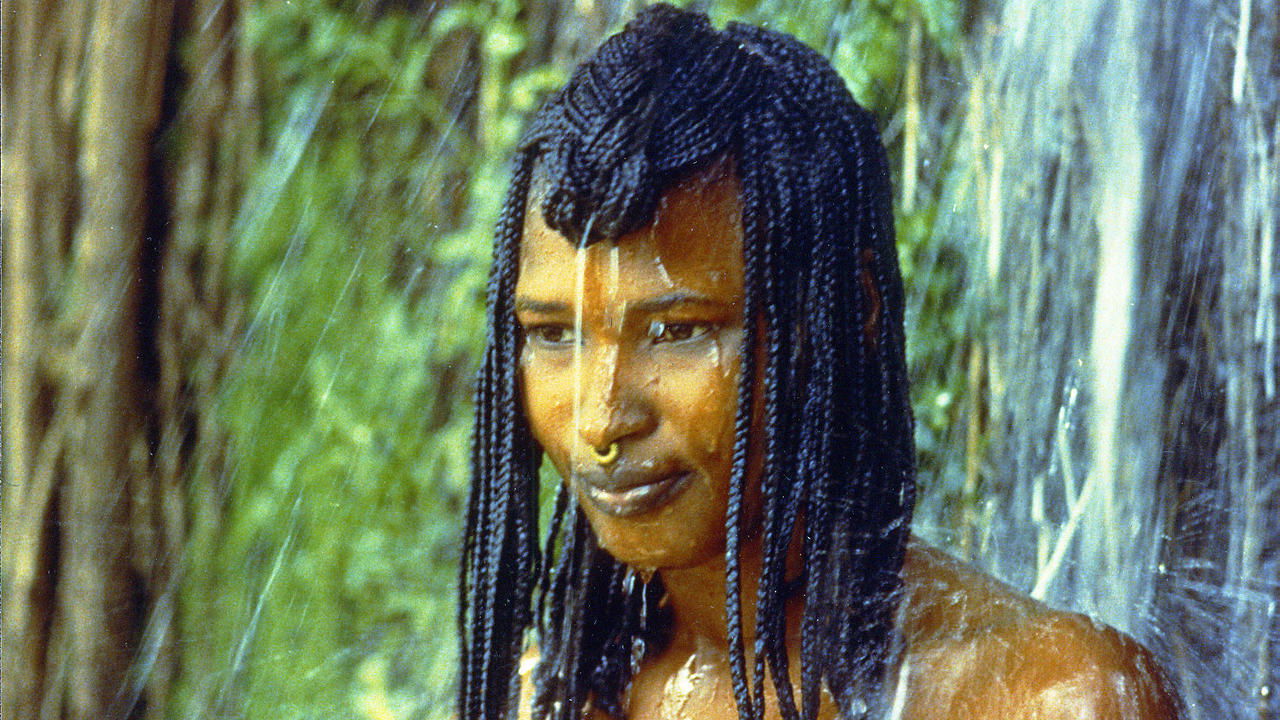
The acting in Yeelen possesses a unique quality, less about internalized psychological realism and more about embodying archetypes. Issiaka Kane carries Nianankoro's burden with a quiet dignity, his journey etched onto his face. Niamanto Sanogo as the jealous father, Soma, is terrifying not through overt villainy, but through a kind of elemental Gnostic power – his command over destructive forces feels chillingly real. And Aoua Sangare as Attou, the young Fulani queen who aids Nianankoro, brings a serene grace to her role. Their performances feel less like 'acting' in the Western sense and more like participation in a sacred rite, their movements and expressions conveying volumes beyond dialogue.
Magic Woven into Reality
The depiction of magic here is unlike anything in mainstream fantasy. There are no elaborate special effects, no CGI spectacles. Instead, Cissé presents supernatural power as an inherent part of this world. When Soma calls down fire or manipulates wooden totems, it’s achieved through suggestion, clever practical effects (often involving startlingly simple but effective techniques like colored powders or manipulations of light), and the sheer conviction of the filmmaking. It feels ancient, primal, deeply tied to the earth and the spirit world. It’s a reminder that cinematic magic doesn’t require massive budgets, but vision and belief.
Retro Fun Facts: A Landmark Achievement
Finding Yeelen on VHS wasn't always easy, often requiring a hunt through the import or world cinema sections. Its journey to the screen was itself an act of determination by Cissé. Filming in remote locations across Mali presented immense logistical challenges. Yet, this dedication paid off spectacularly when Yeelen became the first African film to win the prestigious Jury Prize at the 1987 Cannes Film Festival (shared with Shinji Sōmai's Hikaru Onna), a watershed moment bringing unprecedented international attention to cinema from the continent. Made for a relatively modest budget (around $1.5 million USD, which would be roughly $4 million today), its impact far outweighed its cost. Kino Video eventually gave it a VHS release in the US, allowing dedicated cinephiles to finally experience its power at home. Its success helped pave the way for other African filmmakers on the global stage.
Enduring Resonance
Watching Yeelen again now, perhaps on a restored print rather than a worn-out tape, its power hasn't diminished. If anything, its uniqueness feels even more profound. It asks questions about the weight of tradition, the burden of knowledge, the cyclical nature of conflict between generations, and humanity's relationship with the unseen forces that shape our world. Doesn't the struggle between father and son, rooted in fear and power, echo through countless stories across cultures and time? What lingers is the film’s hypnotic beauty, its quiet confidence, and the feeling of having witnessed something truly essential.
Rating: 9/10
This score reflects Yeelen's status as a cinematic masterpiece – visually breathtaking, culturally profound, and narratively unique. Its deliberate pacing and non-Western storytelling might require adjustment for some, but its artistic achievement is undeniable. It stands as a landmark not just of African cinema, but of world cinema, offering an experience unlike almost anything else produced in the 80s.
Yeelen remains a potent reminder of cinema's power to transport us, not just to other places, but to other ways of seeing and understanding the world – a true treasure unearthed from the era of tape hiss and tracking adjustments.