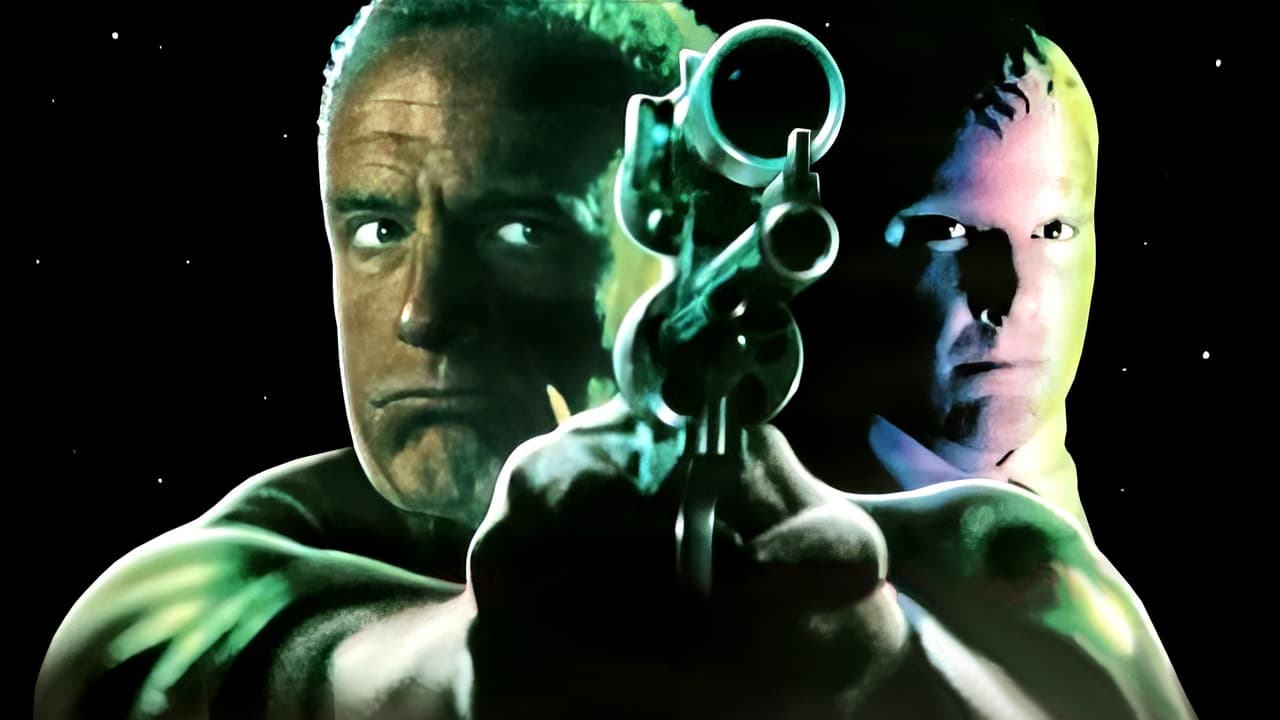
The glow from the screen casts long shadows, painting the room in the cool blues and gritty neons of near-future Los Angeles. It’s 1991 out there, but feels older, dirtier. And hovering above it all, unseen but deeply felt, is the hulking memory of the spaceship that landed three years prior, disgorging 300,000 refugees from the planet Tencton. They call them Newcomers. Slags. That’s the disquieting backdrop for Alien Nation (1988), a film that arrived on VHS shelves feeling less like pure sci-fi escapism and more like a raw nerve tapped in the guise of a buddy cop movie.
Welcome to the Melting Pot
The premise, conceived by writer Rockne S. O'Bannon (who would later give us the cult classic Farscape), is potent: integrate an alien race, biologically distinct and culturally baffling, into the already simmering cauldron of urban America. The genius lies in grounding the fantastic. These aren't gleaming superbeings; they're refugees, crammed into slums, working menial jobs, facing prejudice at every turn. The film doesn't shy away from the ugliness of that integration. The graffiti, the slurs, the casual suspicion – it feels disturbingly familiar, an allegory for racism and xenophobia that hits just as hard today, maybe even harder. Director Graham Baker doesn't opt for sleek futurism; his LA is lived-in, grimy, perpetually damp, a perfect noir landscape onto which the alien element feels almost grafted, unsettlingly other.
An Unlikely Partnership
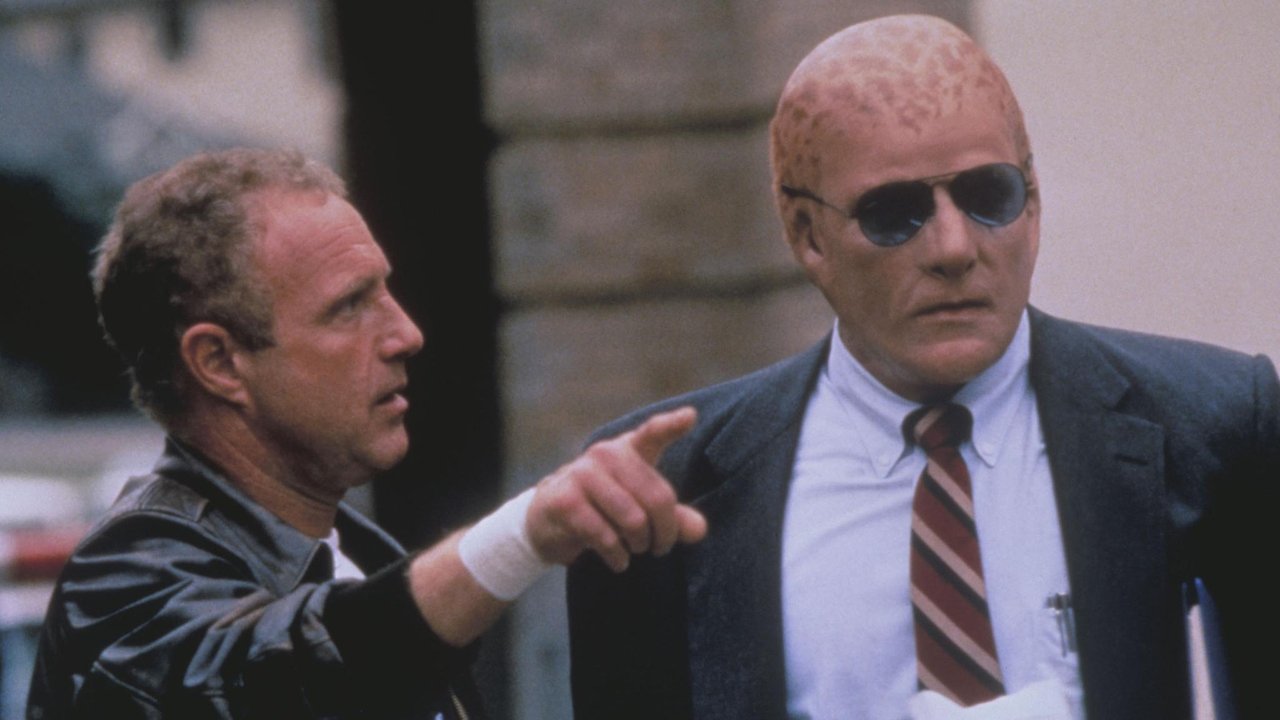
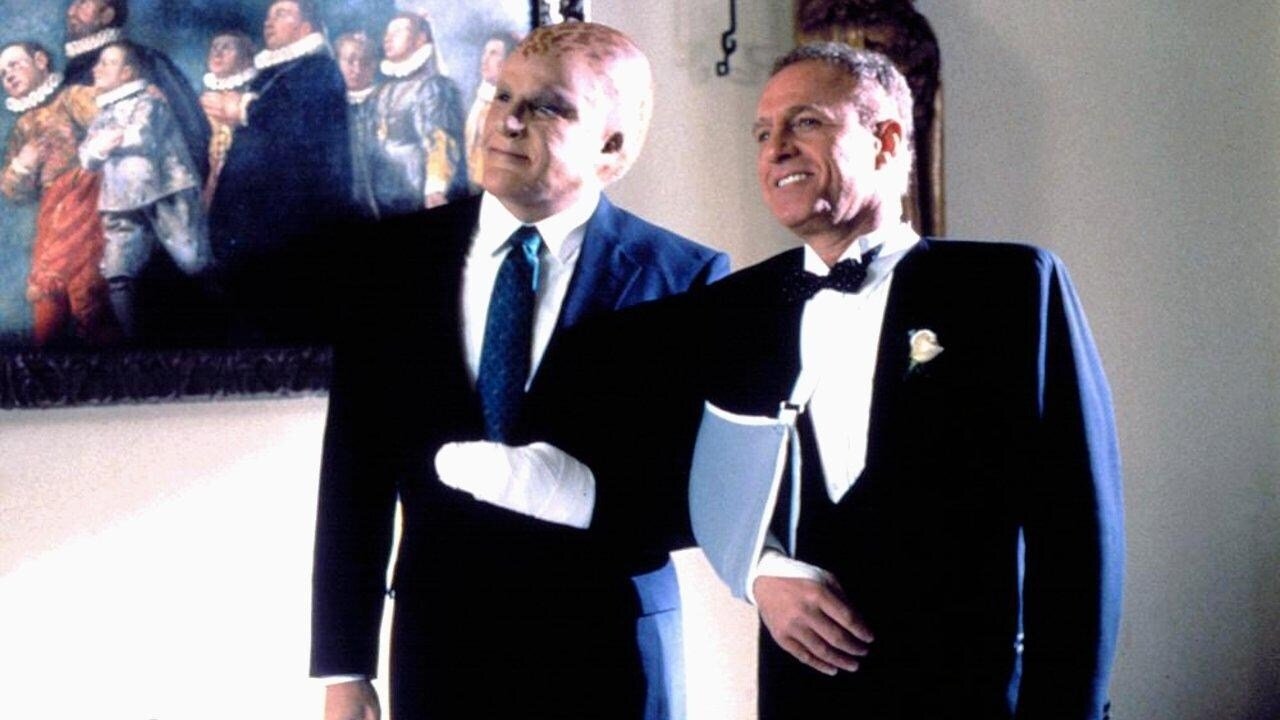
At the heart of this uneasy world is the partnership between Matthew Sykes (James Caan) and Sam Francisco (Mandy Patinkin). Caan, an actor who practically embodies world-weary cynicism, is perfect as Sykes, a veteran detective nursing personal tragedy and a deep-seated mistrust of the Newcomers. He’s a relic, clinging to the past in a city irrevocably changed. Paired with him is Francisco – George, as Sykes initially insists on calling him – the first Newcomer detective. Mandy Patinkin, known then perhaps more for musicals or dramas like Yentl (1983), is revelatory. Buried under Rick Baker's incredible (and Oscar-winning) practical makeup effects – the spotted, bald craniums, the subtle facial musculature – Patinkin creates a character defined by earnestness, intelligence, and a quiet dignity constantly tested by human hostility.
The physical demands on Patinkin were immense; the heavy prosthetics took hours to apply, and the custom contact lenses severely limited his vision. He reportedly channelled this sensory deprivation into Francisco's observant, slightly detached mannerisms, giving the character an authentic alien quality beyond just the makeup. It’s this central relationship, the slow thaw between the prejudiced human cop and the diligent alien trying to fit in, that elevates Alien Nation beyond a simple genre exercise. Their chemistry crackles with friction before slowly sparking into grudging respect and genuine camaraderie. Doesn't that gradual shift still feel earned, even compelling?
More Than Skin Deep
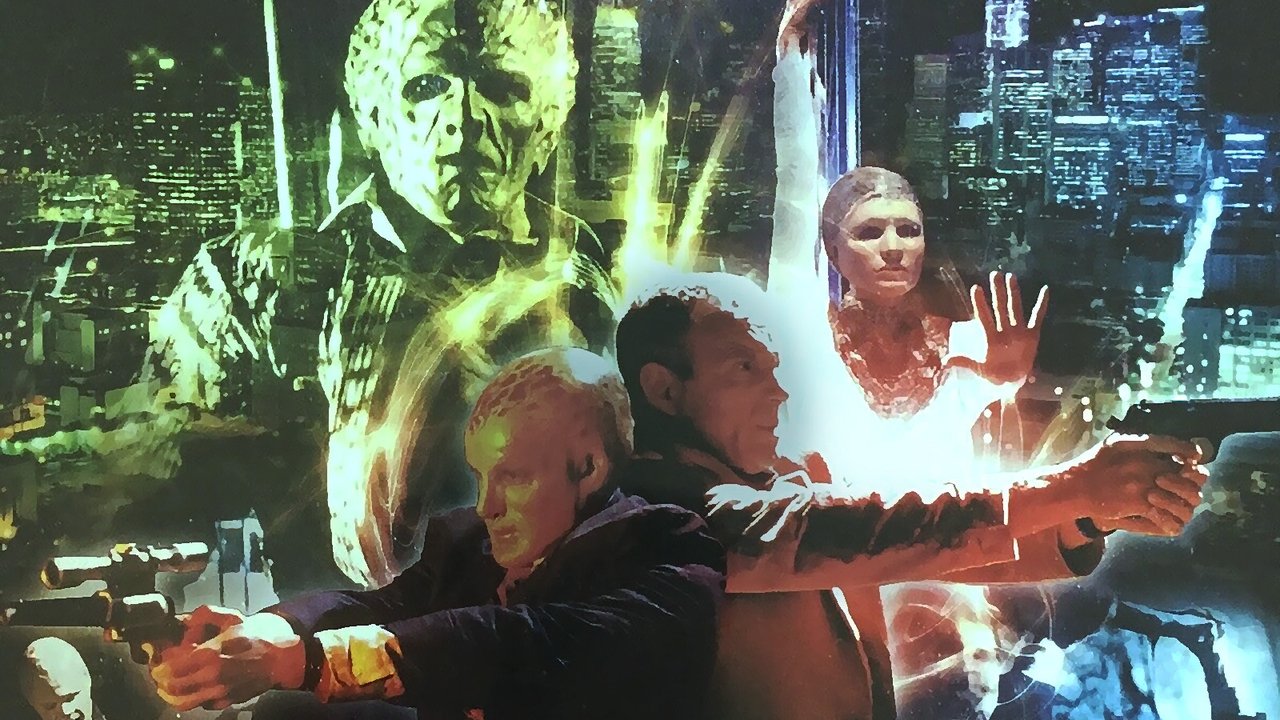
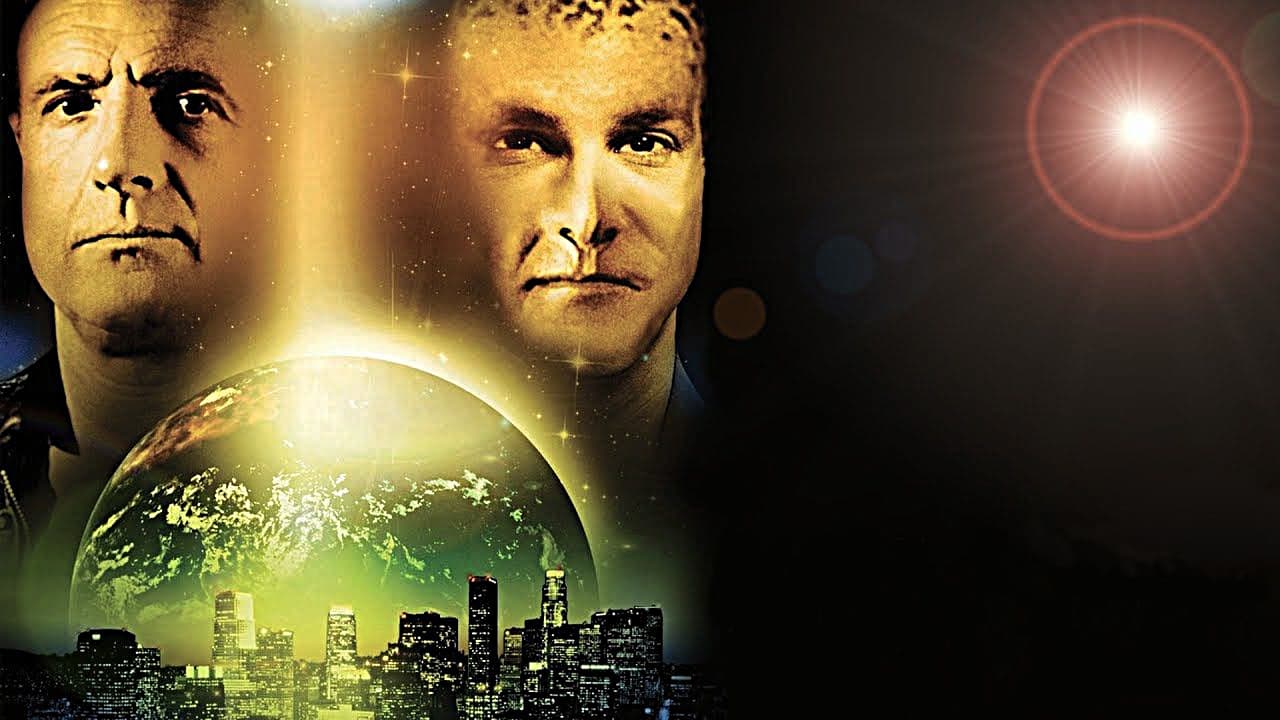
The Newcomers themselves are fascinatingly realized. Their biology – two hearts, high intelligence, getting intoxicated on sour milk, fatally vulnerable to saltwater – isn't just window dressing. It’s woven into the plot and the themes. The sour milk addiction becomes a societal scourge, mirroring human drug epidemics. The saltwater vulnerability provides moments of genuine peril and visceral body horror. These details, coupled with glimpses of their unique culture (their complex names, their reverence for family), make the Tenctonese feel like a truly distinct people, not just humans with bumpy heads. Stan Winston's studio contributed some early designs, but it was Rick Baker's team that brought the final look so vividly to life, a high point of 80s practical effects work that still holds up remarkably well.
The central plot revolves around a dangerous new drug circulating within the Newcomer community, linked to the powerful and enigmatic William Harcourt, played with chilling reserve by Terence Stamp. While the investigation follows some familiar beats of the 80s cop thriller – shootouts, car chases, a conspiracy reaching high places – it's filtered through the unique sci-fi lens. The stakes feel different when one partner might dissolve in seawater or the key witness only gets drunk on spoiled dairy. The film cost a fairly lean $16 million and pulled in around $32 million domestically – not a blockbuster smash, but respectable enough to cement its cult status and, significantly, spawn a beloved (though short-lived) television series and several TV movies that continued the story.
A Relic That Resonates
Watching Alien Nation today, the late-80s vibe is palpable – the synth-heavy score by David Mansfield, the slightly clunky tech, Caan's wonderfully dated leather jacket. Yet, its core concerns feel remarkably current. The exploration of prejudice, assimilation, cultural misunderstanding, and societal division remains sharply relevant. O'Bannon's original script was reportedly even darker and more focused on the social commentary before the studio pushed for more conventional action elements, but enough of that thoughtful core survives to give the film weight. It manages that tricky balance: delivering the requisite thrills of its genre while offering something genuinely thought-provoking beneath the surface. It’s a film that remembers the grit under the gloss, the tension humming beneath the buddy-comedy banter.
VHS Heaven Rating: 7/10
Alien Nation isn't perfect. The central mystery plot occasionally leans on well-worn tropes, and the pacing sometimes prioritizes action over deeper exploration. However, its strengths are considerable: Caan and Patinkin's superb performances and chemistry, the outstanding practical makeup effects, the intelligently crafted alien culture, and its still-potent social allegory. It successfully blends gritty noir, sci-fi world-building, and buddy-cop dynamics into a uniquely memorable package. It earns its 7 for being a smart, well-crafted, and atmospheric piece of 80s sci-fi that dared to be about something more than just aliens and shootouts.
It’s a film that might have gathered dust on the rental shelf next to flashier titles, but picking up that worn VHS box promised something different – a glimpse into a future that felt unnervingly close to our own present. And isn't that the kind of sci-fi that truly sticks with you?