What happens when the watcher becomes entangled, not by proximity, but by the sheer force of observation? This question beats at the strange, hypnotic heart of Stephan Elliott's 1999 thriller, Eye of the Beholder. It’s a film that arrived near the cusp of a new millennium, carrying a certain late-90s visual gloss but wrapping it around a core of old-school noirish obsession. Pulling this tape from the shelf back then, perhaps drawn by the familiar faces of Ewan McGregor and Ashley Judd, felt like settling in for a stylish mystery. What unfolded, however, was something far more fragmented, melancholic, and, depending on your cinematic palate, either frustratingly opaque or hauntingly beautiful.
A World Through a Distorted Lens
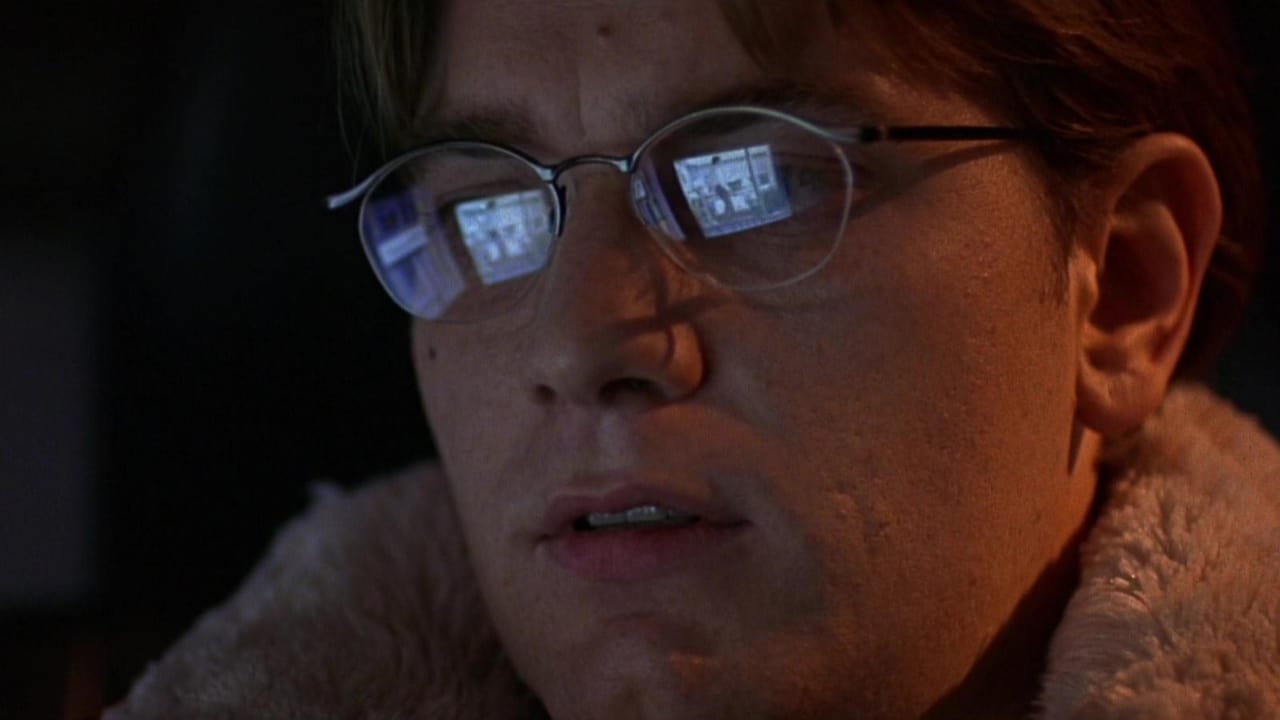
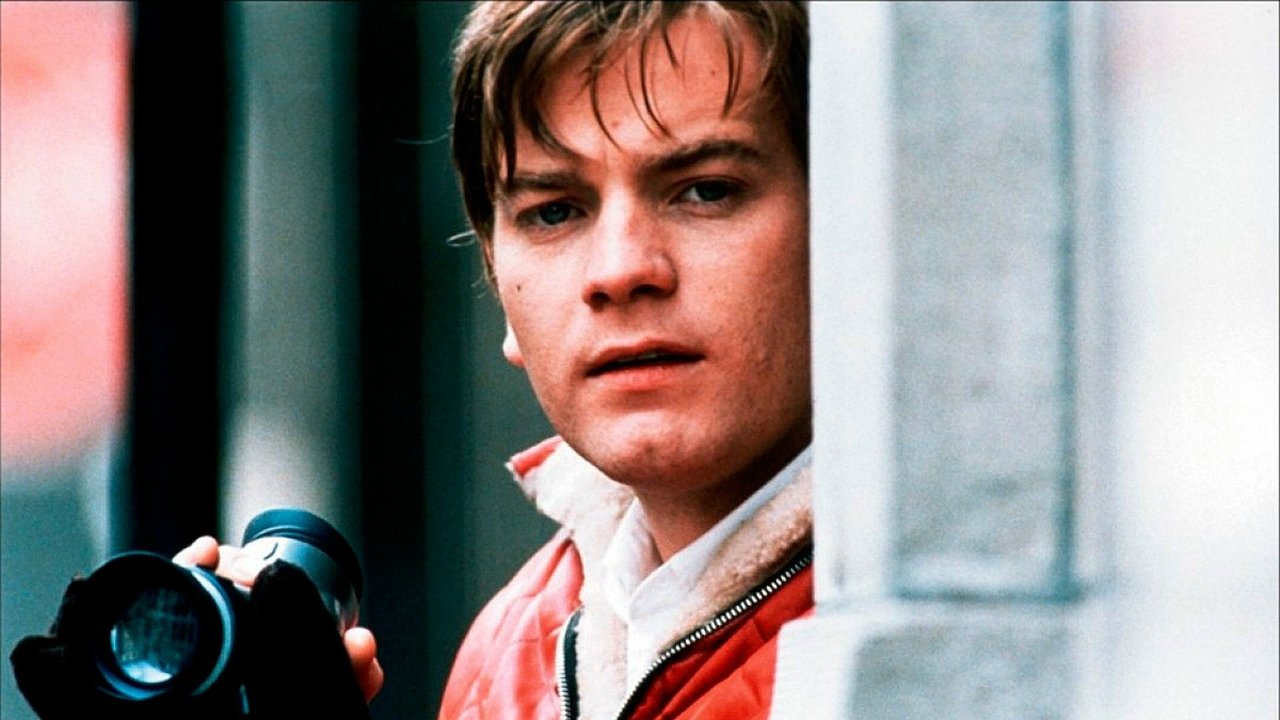
Coming off the flamboyant, sun-drenched success of The Adventures of Priscilla, Queen of the Desert (1994), director Stephan Elliott took a sharp left turn into shadow with Eye of the Beholder. This wasn't just a change in genre; it felt like stepping into an entirely different cinematic universe. Based on Marc Behm’s 1980 novel (previously adapted into the well-regarded 1983 French film Mortelle Randonnée), Elliott’s version plunges us into the world of Stephen Wilson (McGregor), known only as "The Eye," a British intelligence agent haunted by visions of his estranged daughter. His job involves sophisticated surveillance, but when assigned to track Joanna Eris (Judd), a woman suspected of blackmail, his professional detachment evaporates. He watches her commit murder, yet instead of reporting her, he becomes her unseen, obsessive guardian angel, following her across America as she adopts new identities and leaves a trail of bodies.
The film's visual language is immediately striking. Cinematographer Guy Dufaux crafts a world seen through screens, distorted reflections, and the cold lens of technology. The constant cuts to The Eye's high-tech equipment, juxtaposed with his increasingly fragile mental state and the phantom image of his daughter, create a palpable sense of fractured reality. This stylistic commitment is arguably the film’s greatest strength and, for some, its most significant weakness. It’s a film that feels like surveillance – detached, voyeuristic, yet intensely focused.
Ghosts in the Machine
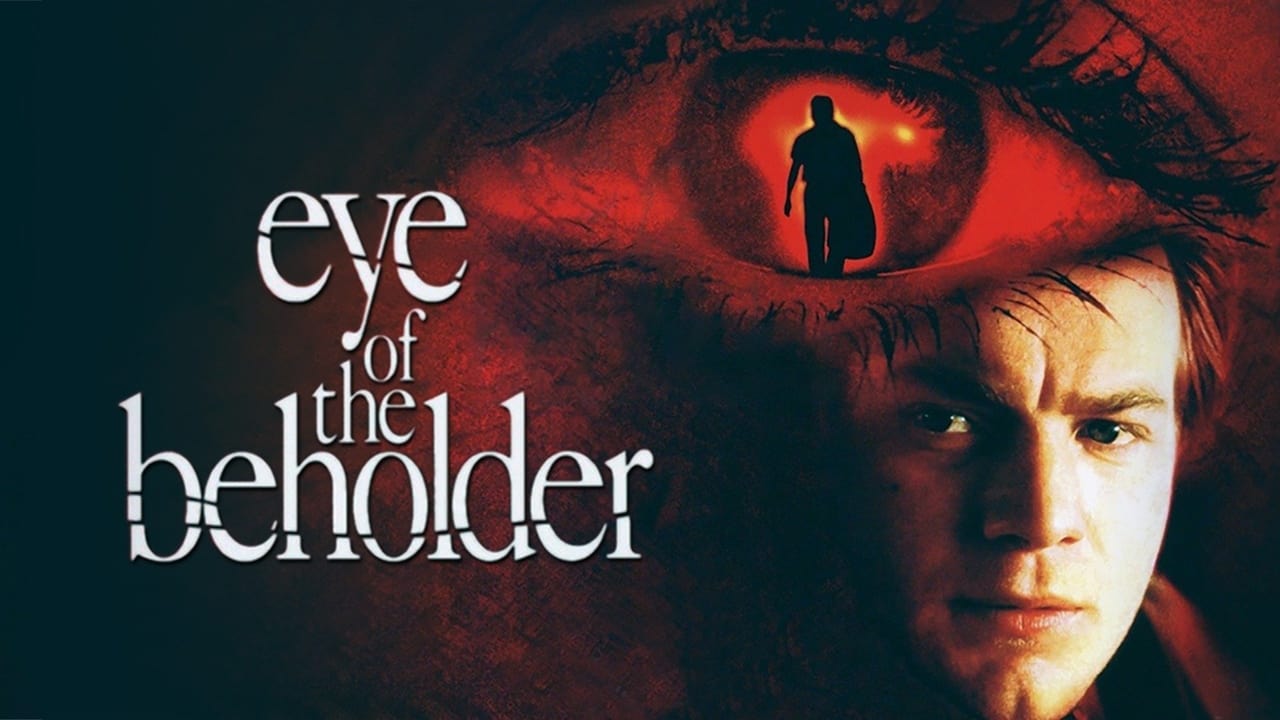
Ewan McGregor, then riding high from Trainspotting (1996) and on the verge of global Star Wars fame, brings a compelling vulnerability to The Eye. His performance is largely reactive, conveyed through watchful eyes and subtle shifts in expression. He embodies a profound loneliness, a man so disconnected from his own life that he grafts himself onto another's, however dangerous. His obsession isn't born of malice but of a desperate, misplaced need for connection, seeing in Joanna perhaps a reflection of the daughter he lost, or simply a puzzle he needs to solve to anchor his own drifting existence.
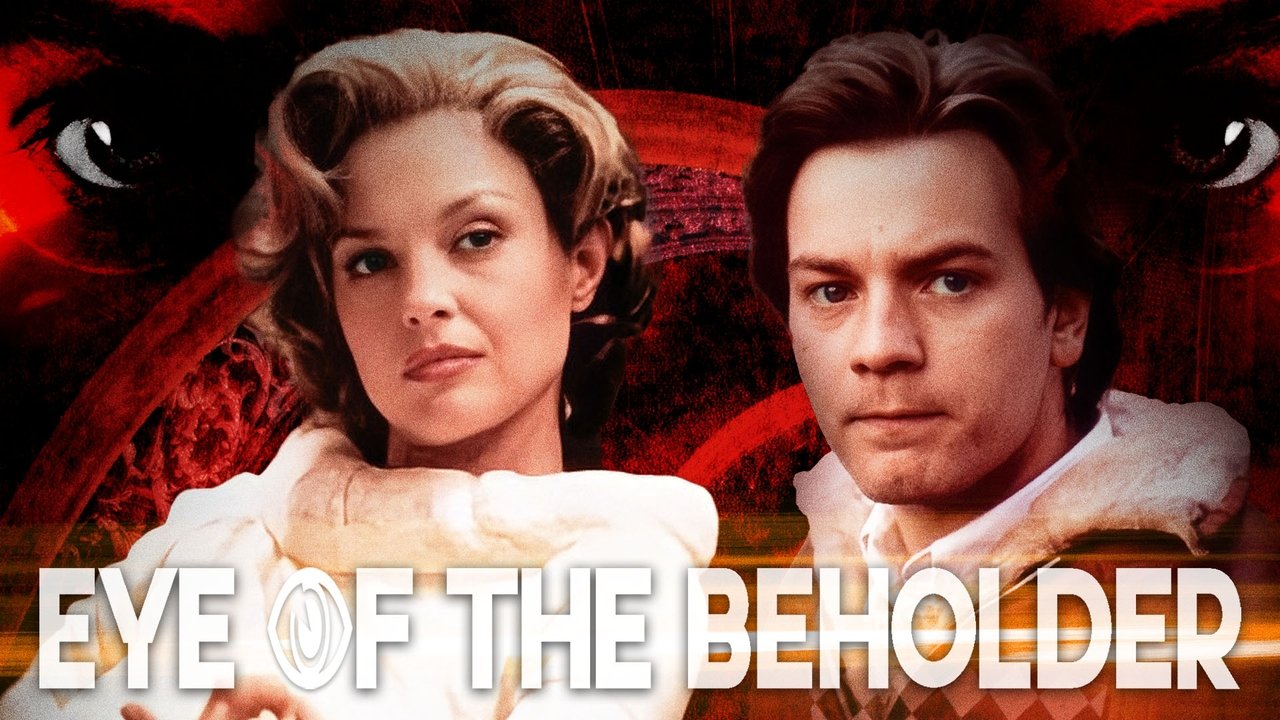
Ashley Judd, cementing her status as a go-to for complex 90s thriller roles after Kiss the Girls (1997), is equally enigmatic as Joanna. She’s a chameleon, shifting personas with unnerving ease, yet beneath the wigs and calculated seductions, Judd allows glimpses of a deep-seated trauma that fuels her deadly actions. Is she merely a femme fatale, or something more tragic? The film keeps us guessing, mirroring The Eye's own uncertainty. The supporting cast, including Patrick Bergin as Joanna's blind former lover and mentor, adds layers to the mystery, though the narrative focus remains tightly clamped on the central duo's bizarre, remote relationship.
Ambition, Style, and Studio Shadows
Eye of the Beholder is undeniably ambitious. It attempts to blend high-tech espionage thrills with psychological drama and neo-noir fatalism. Its globe-trotting nature, moving from DC to New York, Pittsburgh, Chicago, San Francisco, and even Alaska, adds to the sense of a relentless, rootless pursuit. However, this ambition sometimes clashes with narrative coherence. The plot can feel disjointed, the motivations occasionally murky, leaving the viewer adrift in its stylistic haze.
It’s perhaps telling that stories emerged of friction between Stephan Elliott and the studio during post-production. One wonders what his original, untampered vision might have looked like. Could a different cut have clarified some of the ambiguities or strengthened the thematic resonance? As it stands, the film often prioritizes mood and visual pyrotechnics over straightforward storytelling. While some critics at the time dismissed it as style over substance – and it certainly didn't set the box office alight, earning only about $16.5 million in the US against a reported $35 million budget – there’s an argument to be made that the style is part of the substance, reflecting The Eye's fractured perception and the deceptive surfaces of Joanna's life.
Remember the clunky-cool tech? The Eye's van full of monitors and recording devices felt cutting-edge back then, a far cry from today's ubiquitous surveillance but perfectly capturing that late-90s vision of espionage. It's a snapshot of technology on the cusp, much like the film itself feels caught between classic noir and something newer, stranger.
The Lingering Gaze
Does Eye of the Beholder fully succeed? Perhaps not entirely. Its narrative threads can fray, and its relentless stylization might alienate viewers seeking a more conventional thriller. Yet, there's an undeniable pull to its melancholic atmosphere and the haunting performances of its leads. It asks uncomfortable questions about loneliness, the ethics of observation, and whether we can ever truly know another person, especially when viewed through the distorting lens of our own needs and losses. What stays with you isn't necessarily the plot's intricacies, but the feeling – that sense of watching and being watched, of connections missed and lives lived in parallel isolation. It’s a film that, much like a half-remembered dream encountered on a worn VHS tape, leaves a distinct, albeit unsettling, impression.
Rating: 6/10
Justification: The film earns points for its undeniable visual style, atmospheric mood, and committed performances from McGregor and Judd. Elliott's ambition is palpable. However, it loses points for a sometimes convoluted and emotionally detached narrative that struggles under the weight of its own stylization, potentially stemming from reported post-production issues. It's a fascinating, flawed piece that doesn't fully deliver on its potential but remains memorable for its unique approach.
Final Thought: A moody, visually arresting artifact of late-90s cinema, Eye of the Beholder might be a case where the journey of watching is more compelling, or at least more intriguing, than the destination itself.