"Feed me..." The whisper starts it all. Not a plea, but a chilling, ancient command echoing from somewhere deep inside. It’s the kind of sound that burrows under your skin, the sort of parasitic intimacy that defined some of the most genuinely disturbing video nasties lurking on the rental shelves back in the day. 1990’s Baby Blood (also known sometimes by the more lurid, less effective title The Evil Within) doesn't just suggest body horror; it throws you headfirst into a waking nightmare fueled by primal urges and dripping viscera. This isn't cozy nostalgia; it's a raw nerve exposed.
### A Different Kind of Morning Sickness
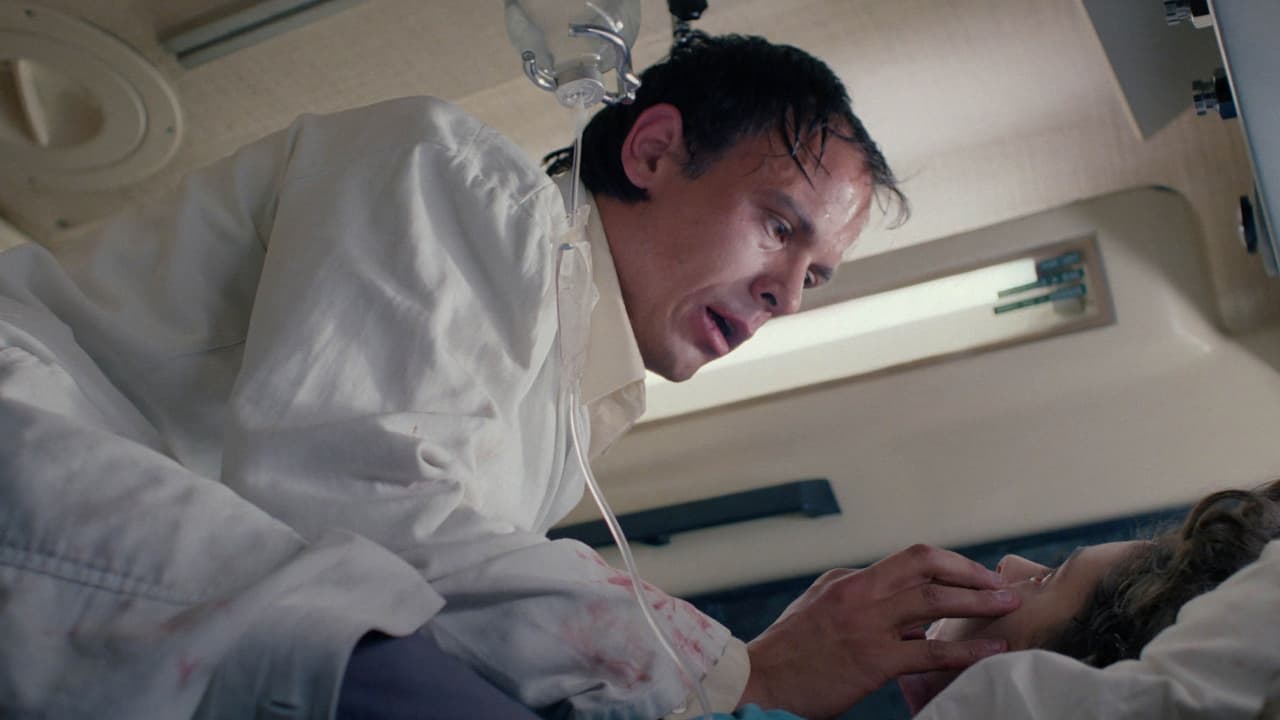
Forget the gentle glow of impending motherhood. For Yanka (Emmanuelle Escourrou), a performer trapped in an abusive relationship within a decaying travelling circus, pregnancy arrives not with joy, but with a slithering, intelligent entity taking root in her womb. This creature, claiming to be the last of its kind, possesses a voice – insidious, demanding, and promising power in exchange for sustenance. Its preferred meal? Fresh, human blood. What follows is Yanka's desperate, horrifying journey from unwilling host to reluctant predator, driven by the parasite's insatiable hunger through the grimy underbelly of France. Director Alain Robak, who also co-wrote the screenplay with Serge Cukier, crafts a narrative that is relentless in its bleakness, offering little comfort and zero compromise.
### The Unholy Host
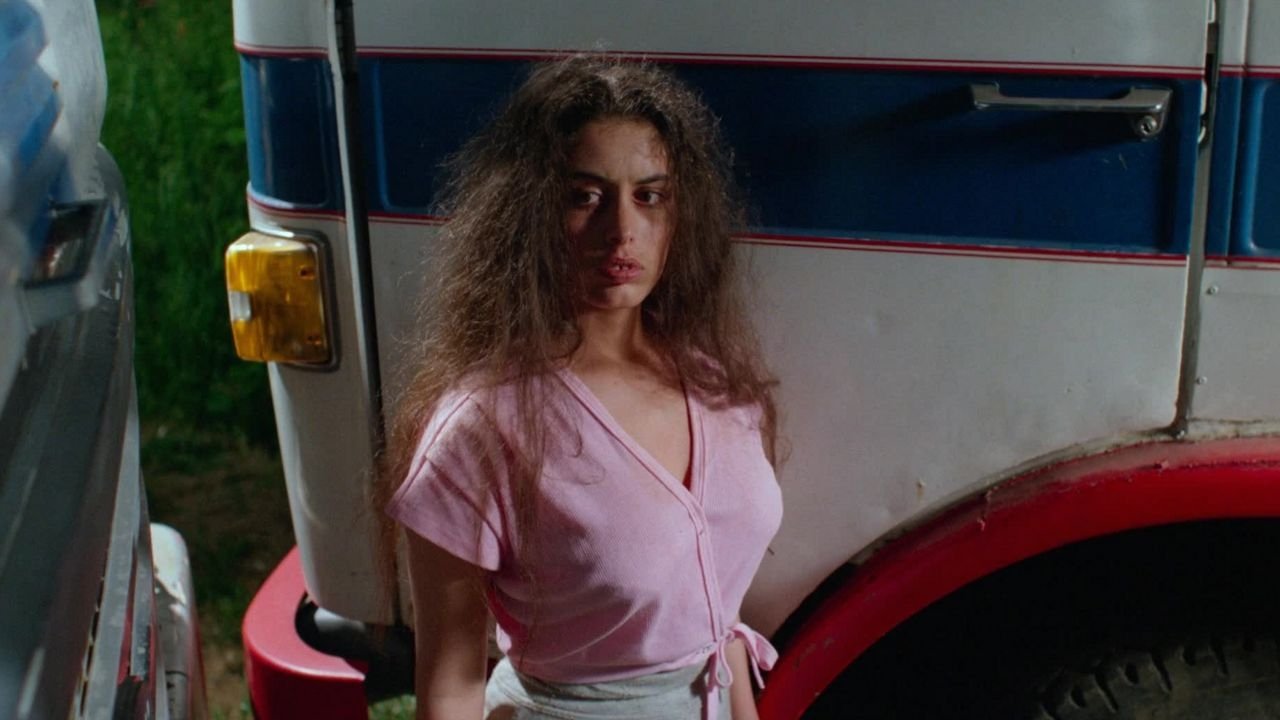
The film hangs heavy on the shoulders of Emmanuelle Escourrou, and she delivers a performance of astonishing commitment. Yanka is not a traditional horror heroine; she's abused, desperate, and ultimately morally ambiguous. Escourrou portrays the physical toll and psychological fracturing with harrowing conviction. You see the terror, the revulsion, but also the moments where the parasite's promised strength offers a sliver of agency she's never known. It’s a demanding role, oscillating between victimhood and monstrousness, and she navigates it fearlessly. It's hard not to feel a degree of twisted sympathy for her plight, even as the body count rises. Doesn't that complex portrayal elevate Baby Blood beyond mere schlock?
### Grime, Gore, and Practical Panache
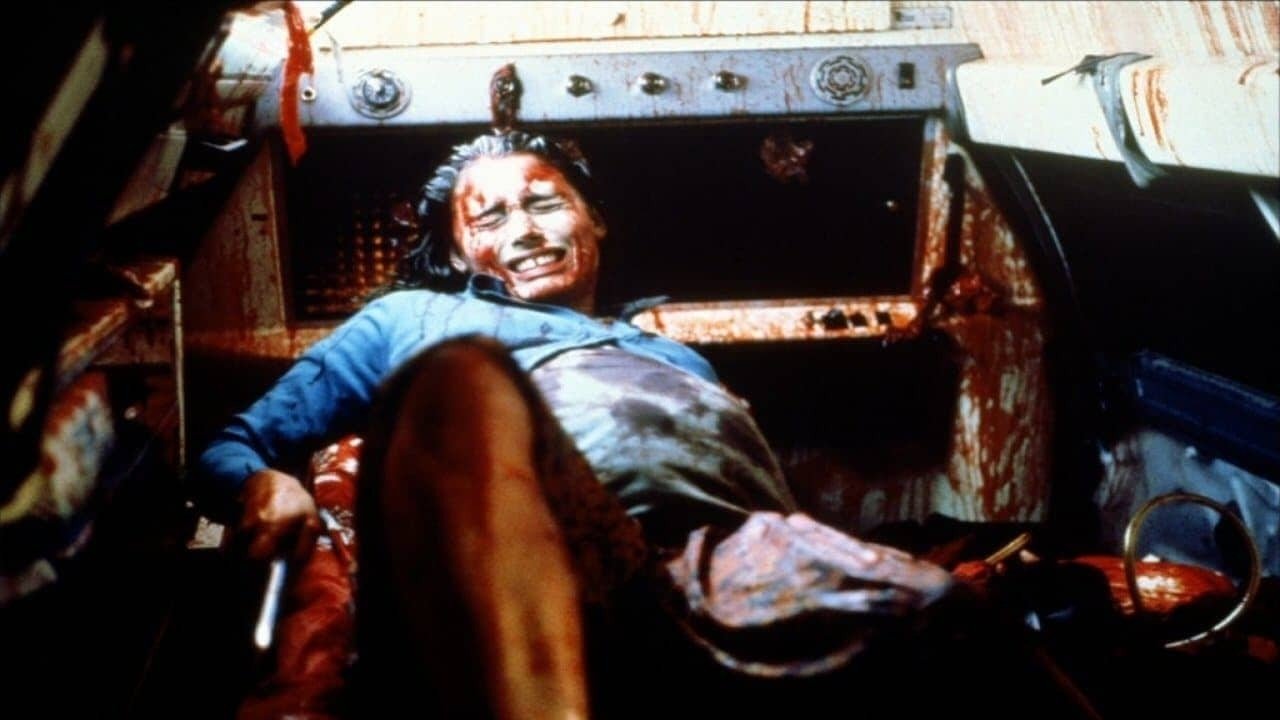
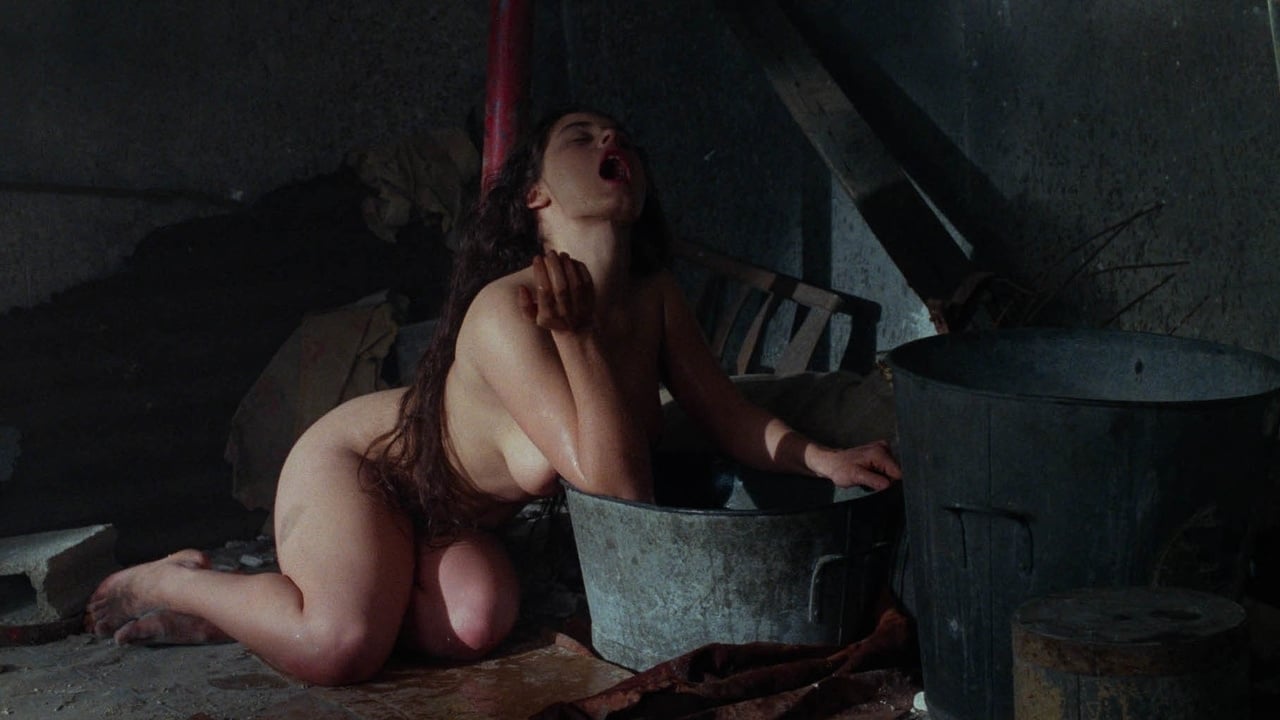
Forget slick CGI; this is the glorious era of latex and Karo syrup. The practical effects, while perhaps showing their seams by modern standards, retain a potent, stomach-churning quality. The creature itself, glimpsed fleetingly, is a triumph of grotesque design – pulsating, embryonic, vaguely reptilian. Robak doesn't shy away from the gore, depicting the feedings with a graphic intensity that likely sent many unprepared renters scrambling for the eject button. I distinctly remember the buzz around this tape in the more adventurous video stores – whispered warnings about its content that only made it more tantalizing. The film's aesthetic mirrors its subject matter: cheap, gritty, and unsettlingly real. Shot on what looks like a shoestring budget (reportedly around $1 million, a modest sum even then), the film uses its limitations to enhance the sense of urban decay and moral squalor. The cold, unforgiving streets and sterile hospital corridors feel just as hostile as the creature Yanka carries.
### Whispers from the Womb (and Hollywood)
One of the most fascinating bits of trivia surrounding Baby Blood involves its English dub. That chilling, manipulative voice of the parasite? Provided by none other than a pre-Dracula, pre-Commissioner Gordon Gary Oldman. Knowing that adds another layer of unsettling charisma to the creature's demands. It's a small footnote in his vast career, but a perfect example of how unexpected talents sometimes lend their voices to the strangest corners of cult cinema. Apparently, the filmmakers initially struggled to find the right tone for the creature in post-production, making Oldman's contribution particularly impactful for its international release. The film itself stirred controversy, facing censorship issues in some territories due to its graphic violence and disturbing themes, cementing its underground reputation.
### Legacy of the Leech
While perhaps not as widely known as some of its contemporaries, Baby Blood feels like a significant precursor to the wave of New French Extremity that would shock audiences a decade later. Its unflinching depiction of bodily violation, grim social commentary, and nihilistic tone certainly share DNA with films like Trouble Every Day (2001) or Inside (2007). It’s a raw, uncompromising piece of work that pushes boundaries and dares the viewer not to look away. Its influence might be subtle, but for fans of transgressive horror, its importance is clear. Alain Robak revisited this world nearly two decades later with the sequel Lady Blood (2008), bringing Yanka's story to a perhaps unnecessary, but still curious, continuation well outside our beloved VHS era.
Rating: 7.5/10
This score reflects Baby Blood's undeniable power as a piece of extreme body horror and its cult status, anchored by a fearless central performance and memorably grotesque practical effects. It's undeniably rough around the edges, the pacing occasionally flags, and its unrelenting bleakness makes it a challenging watch. However, its raw energy, audacious concept, and the sheer visceral impact it delivers – especially considering its era and budget – earn it significant points. It's not a film for casual viewing, but for seasoned horror aficionados looking for something genuinely disturbing from the vaults, it remains potent.
Baby Blood is a primal scream captured on videotape, a grimy artifact from a time when horror felt genuinely dangerous. Does it still shock today? Absolutely. It reminds us that sometimes, the most terrifying monsters are the ones we carry inside.