It starts so innocently, doesn't it? A flickering image on a small screen, the whir of a projector. For Filip Mosz, the purchase of an 8mm movie camera is simply a way to capture the miracle of his newborn daughter, a personal archive against the relentless march of time. But as Krzysztof Kieślowski's quietly devastating 1979 film Camera Buff (original Polish title: Amator) unfolds, that simple purchase becomes a catalyst, revealing the complex, often perilous relationship between the observer and the observed, between art and life itself. This isn't a film you stumble upon lightly, even back in the heyday of overflowing video store shelves; finding it often felt like uncovering a hidden, profound truth nestled between the action flicks and comedies.
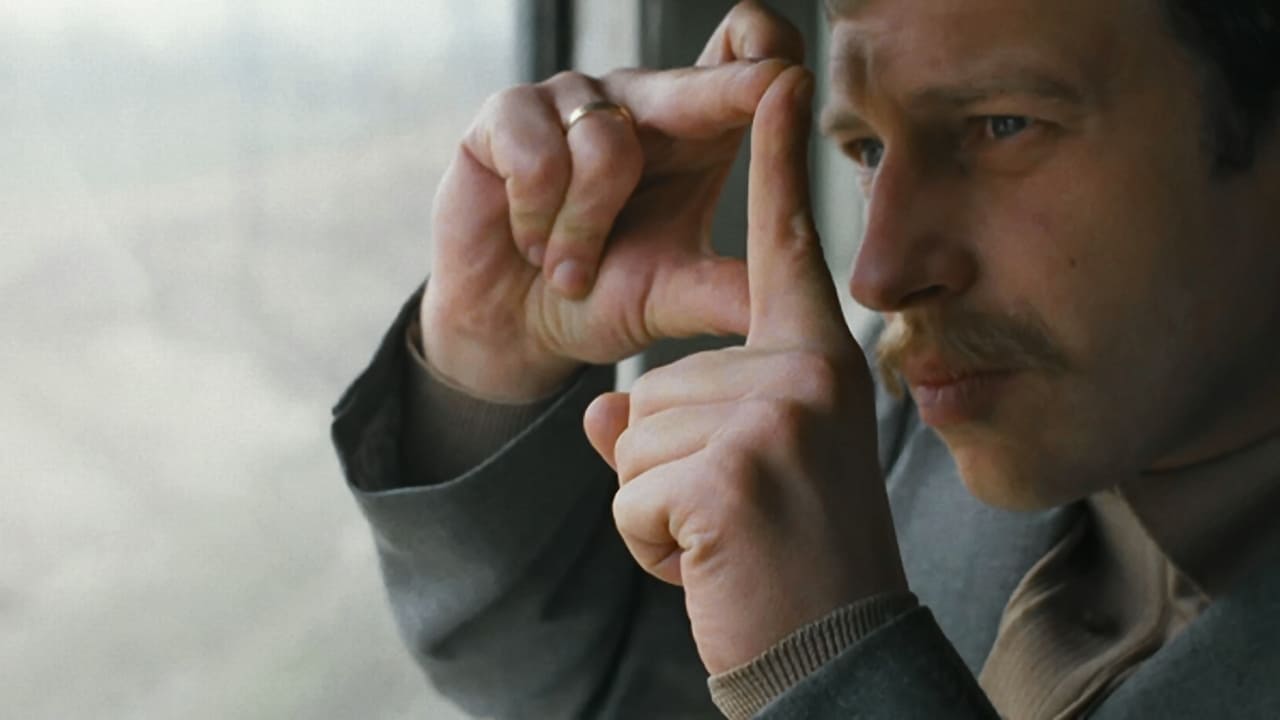
### An Obsession Takes Focus
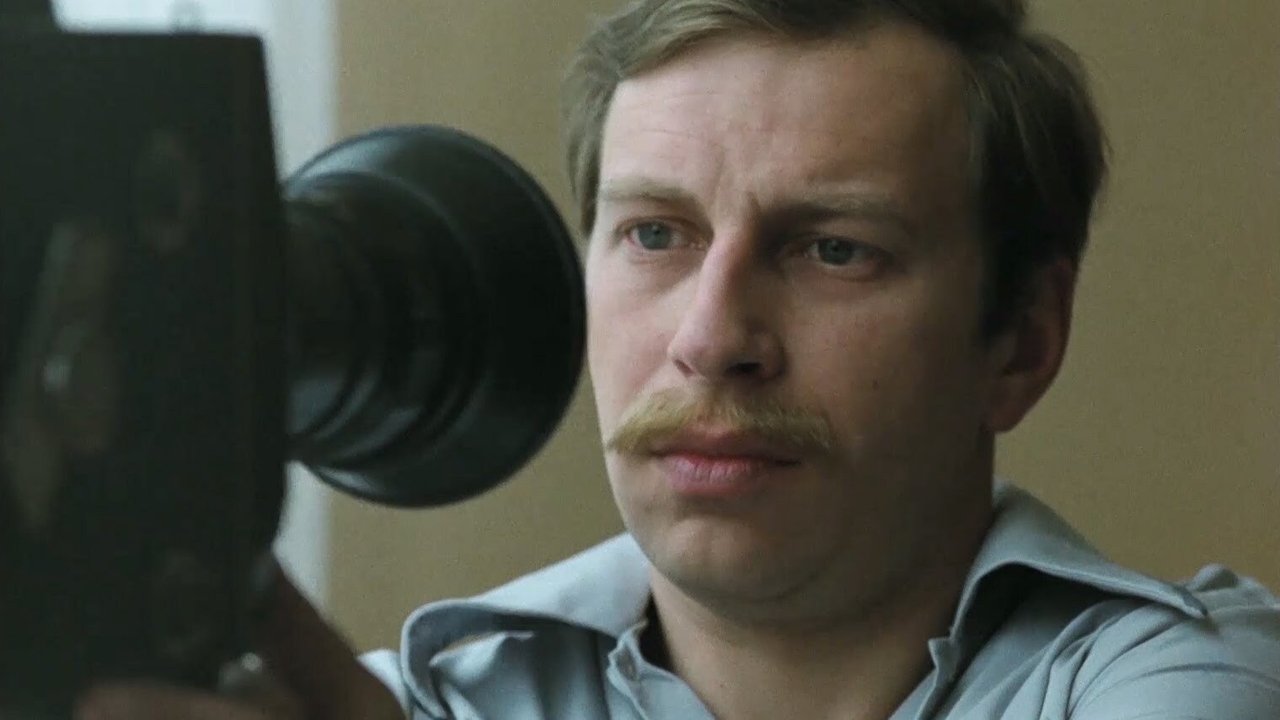
At the heart of Camera Buff is a performance of extraordinary nuance by Jerzy Stuhr, an actor who would become a frequent and vital collaborator with Kieślowski (perhaps best known to Western audiences for Dekalog X and Three Colors: White). Stuhr is Filip. We see the initial, almost childlike glee as he discovers the camera's power, the pride when his clumsy early efforts filming factory life win unexpected local acclaim. He starts as an 'amateur' in the truest sense – driven by love and enthusiasm. But Stuhr masterfully charts the subtle shift, the way the hobby metastasizes into an obsession. His eyes, initially wide with wonder, gain a focused intensity, then later, a haunted awareness. The camera becomes an extension of his being, but also a barrier, pushing away the very life he initially sought to document, most poignantly his increasingly estranged wife, Irka (Malgorzata Zabkowska), and the daughter whose arrival sparked it all.
### Kieślowski's Reflective Eye
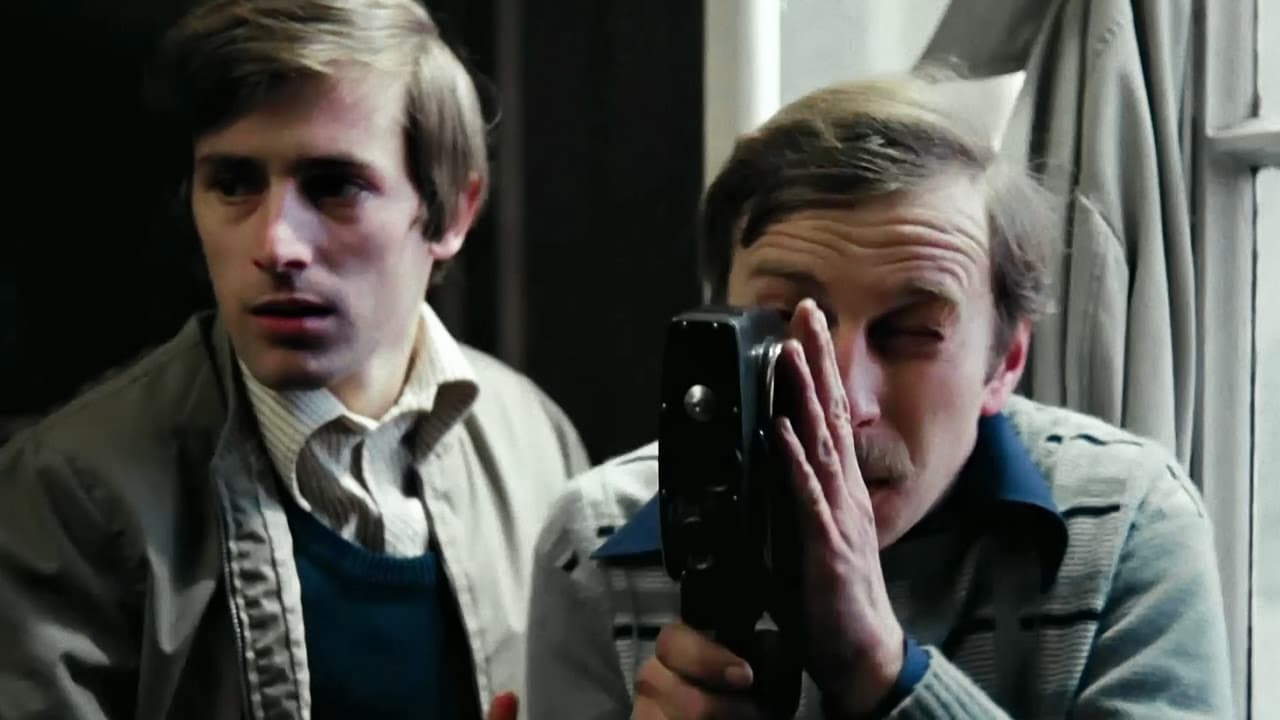
This film feels intensely personal for Krzysztof Kieślowski, who began his own career in documentary filmmaking before transitioning to narrative features. You can feel that documentary sensibility woven into the fabric of Camera Buff. There's an observational patience, a focus on the small details of life in late 1970s Poland – the drab interiors, the bureaucratic machinations at the factory where Filip works, the subtle pressures of conformity under the communist regime. Kieślowski isn't heavy-handed with political commentary; instead, it emerges organically from Filip's experiences. His lens captures not just pigeons and committee meetings, but uncomfortable truths, accidental critiques that ripple outwards, creating consequences he never intended. It’s a cornerstone film of the Polish "Cinema of Moral Anxiety," a movement grappling with the ethical compromises and existential questions faced by individuals within a restrictive society. Watching it now, knowing the masterpieces Kieślowski would later create (Dekalog, the Three Colors trilogy), Camera Buff feels like a vital key, unlocking the themes of chance, consequence, and moral responsibility that would define his work.
### The Power and Peril of the Recorded Image
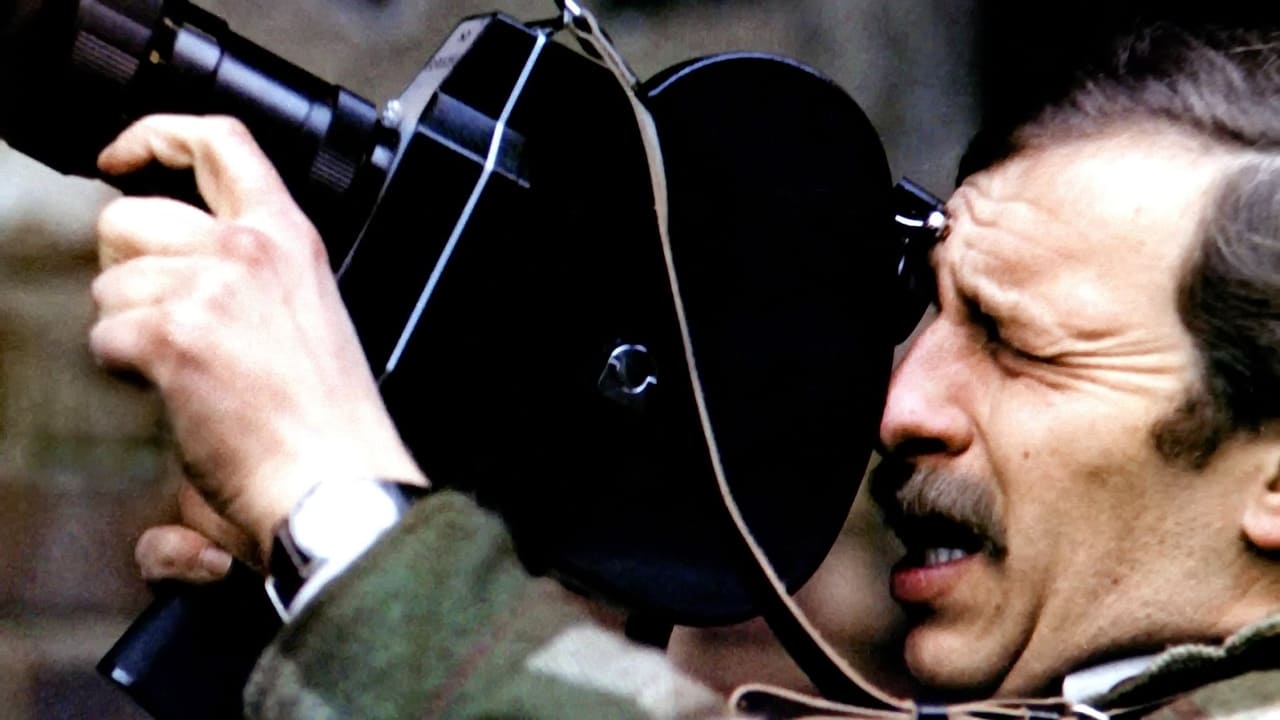
What truly elevates Camera Buff beyond a simple character study is its profound meditation on the nature of filmmaking itself. Filip's camera grants him power – the power to select, to frame, to reveal. His footage of a shady construction deal, intended merely as background, inadvertently exposes corruption, making him both a local hero and a target. He films a man with dwarfism, initially out of pity and fascination, leading to unforeseen professional repercussions for the man. The camera captures moments of beauty and intimacy, but it also intrudes, distorts, and ultimately, can destroy. Kieślowski forces us to confront uncomfortable questions: What is the responsibility of the person behind the lens? Does the act of recording change the reality being recorded? In an era before the ubiquity of smartphones, Filip’s journey feels both specific to its time – the clunky gear, the preciousness of film stock – and startlingly prescient. Doesn't his struggle resonate even more powerfully today, when almost everyone carries a camera in their pocket?
### Behind the Frames
Interestingly, the film itself faced its own struggles with Polish censors, mirroring the challenges Filip encounters within the narrative. Kieślowski had to navigate carefully to ensure his subtle critique wasn't entirely excised. The film's success, including winning the prestigious Grand Prix at the 11th Moscow International Film Festival, ironically brought Kieślowski himself more attention, echoing Filip's own journey from amateur to recognized figure. Jerzy Stuhr has spoken about how deeply he connected with the character, drawing on the universal anxieties of balancing artistic passion with personal obligations. The specific model of 8mm camera used wasn't just a prop; it was symbolic of the accessible technology that could suddenly give an ordinary person the power to create, to document, to disrupt. It’s these layers of reality and fiction blending that give Camera Buff such enduring depth.
Camera Buff isn't a film filled with grand pronouncements or easy answers. Its power lies in its quiet intensity, its meticulous observation, and the profound empathy it generates for Filip, even as his obsession consumes him. It’s a film that stays with you, prompting reflection long after the credits roll – or, perhaps more fittingly for its era, long after the VCR clicks off and the tape is rewound. It explores the intoxicating allure of creation and the sobering weight of its consequences.
Rating: 9/10
Justification: Propelled by a masterful central performance from Jerzy Stuhr and Krzysztof Kieślowski's insightful, deeply humane direction, Camera Buff is a profound exploration of art, responsibility, and the human cost of obsession. Its themes remain startlingly relevant, and its place as a key work in both Kieślowski's filmography and Polish cinema is undeniable. The film's quiet power and moral complexity earn it a high rating.
Final Thought: In the end, Filip turns the camera on himself, a final, devastating act of self-awareness. It leaves us pondering: how often do we, captivated by the images we capture or consume, forget to examine the person holding the camera?