It begins, often, with a feeling rather than a distinct memory – the vastness of the sky, the rush of wind across open plains, the silhouette of a lone rider against a dramatic horizon. Edward Zwick's Legends of the Fall (1994) wasn't just a movie; it felt like an artifact unearthed, a sprawling, almost impossibly romanticized history of a family bound and broken by love, war, and the untamable forces within themselves and the world around them. Watching it again, decades after pulling that hefty VHS tape from the rental shelf, is to be swept up once more, but also to notice the currents beneath the epic surface.
Beneath the Big Sky
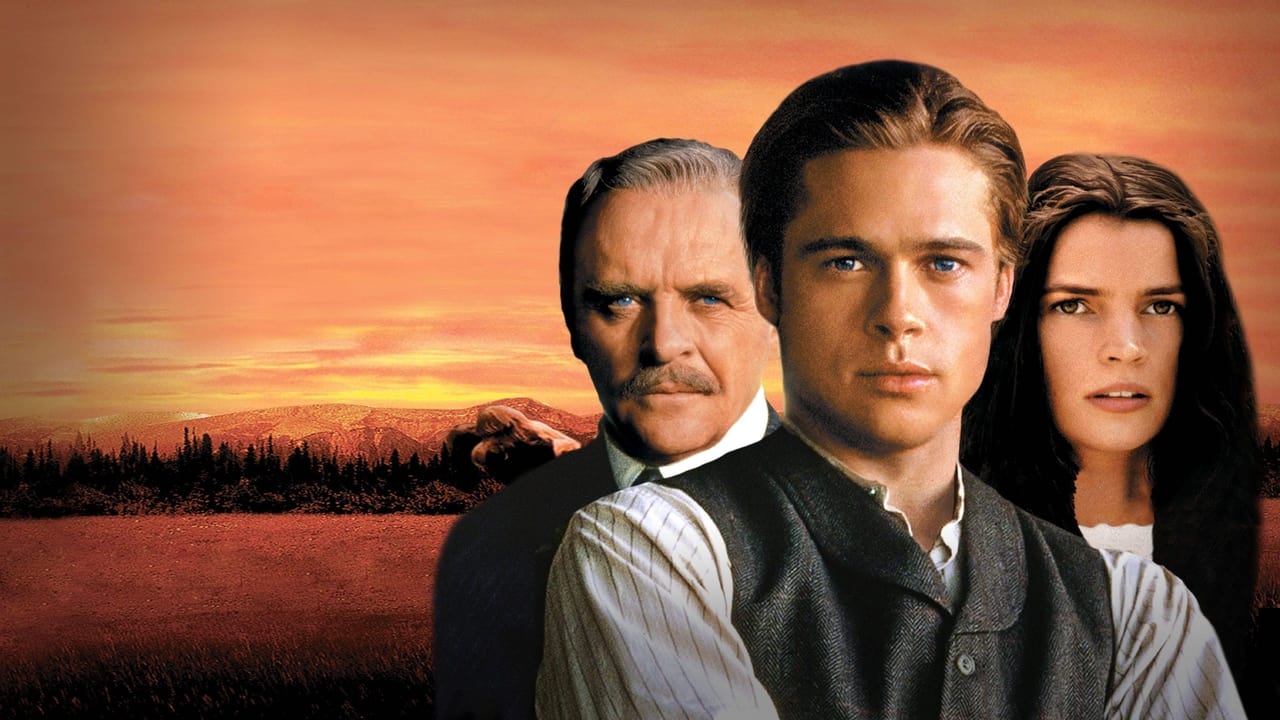
Based on Jim Harrison's potent novella, the film plunges us into the lives of the Ludlows in early 20th-century Montana. Colonel William Ludlow (Anthony Hopkins, radiating weary authority), disillusioned with the government's treatment of Native Americans, raises his three distinct sons far from the corrupting influence of cities. There's the responsible Alfred (Aidan Quinn), the idealistic Samuel (Henry Thomas, forever etched in our minds from E.T. the Extra-Terrestrial), and the magnetic, restless Tristan (Brad Pitt). Their rugged Eden is irrevocably altered by two arrivals: the onset of World War I and Samuel's fiancée, Susannah Fincannon (Julia Ormond). What unfolds is less a straightforward narrative and more a generational saga painted with broad, sometimes tumultuous strokes.
The Gravity of Tristan

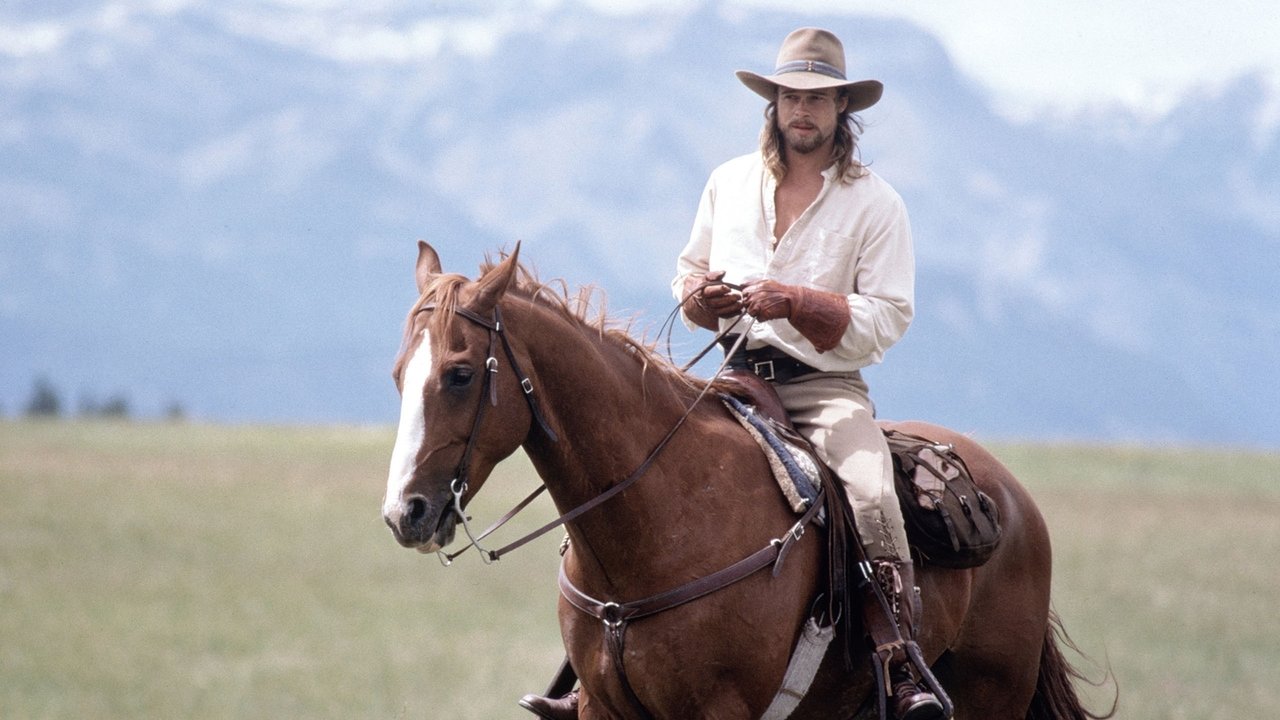
Let's be honest, for many renting this back in the day, the magnetic pull was Brad Pitt. And Legends of the Fall is arguably the film that cemented his transition from rising star to full-blown screen icon. His Tristan is all raw nerve, golden mane, and brooding intensity – a man more comfortable with the wilderness and the Cree traditions taught by One Stab (Gordon Tootoosis) than with drawing rooms or societal expectations. It’s a performance of physicality and quiet torment. Interestingly, Pitt himself reportedly wrestled with the role's emotional demands, feeling the weight of Tristan's profound grief and almost turning down the part. He clashed at times with Zwick, pushing for a rawer portrayal. You feel that struggle, that intensity, translating directly onto the screen – it's what makes Tristan captivating, even when his actions border on the self-destructive. Does his wild spirit excuse the pain he causes, or is it the very source of his tragic allure? The film leaves that question hanging, suspended in the Montana air.
A Canvas Worthy of Legend
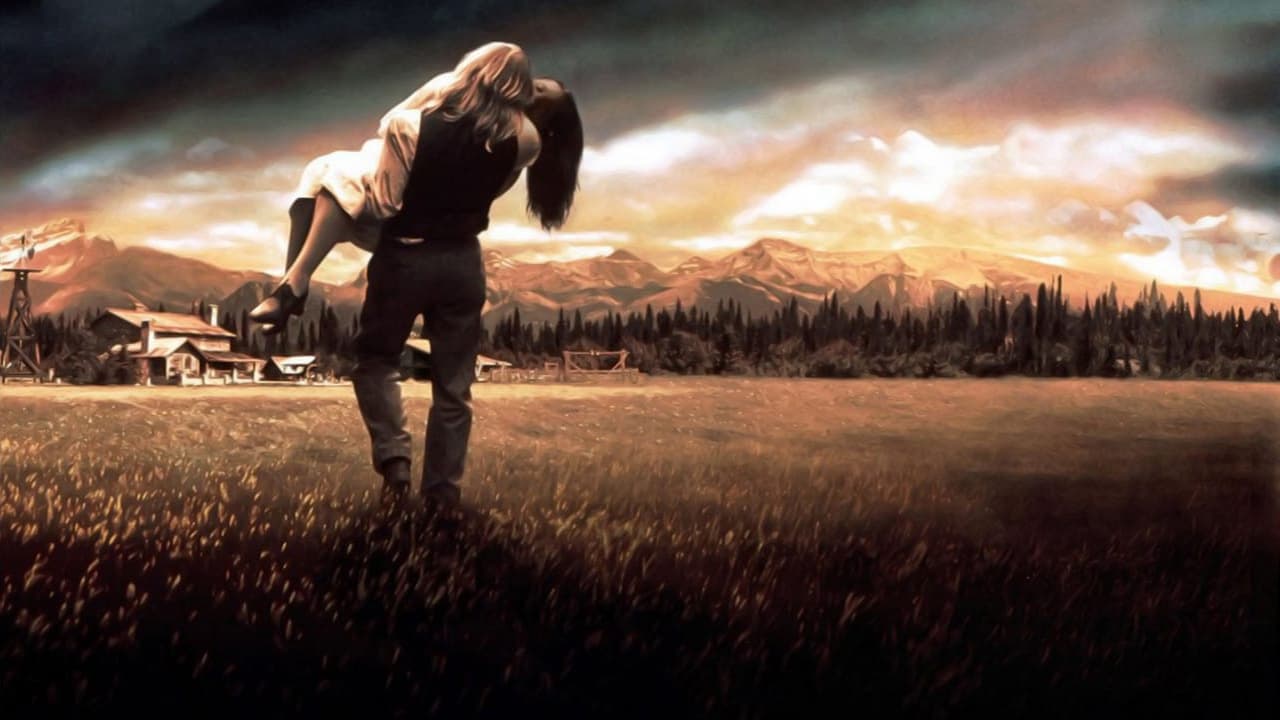
You simply cannot discuss this film without acknowledging the breathtaking visuals. John Toll deservedly won the Academy Award for Best Cinematography, and it’s easy to see why. Shot primarily on location in the stunning landscapes of Alberta and British Columbia, Canada (standing in magnificently for Montana), the film possesses a painterly quality. Every frame feels composed, imbued with the grandeur and harsh beauty of the environment. The wilderness isn't just a backdrop; it's a character, shaping the Ludlows, mirroring their passions and turmoil. Remember those scenes with the bear? Tristan's almost mystical connection to the creature was brought to life using a combination of the legendary trained bear Bart (who we also saw in The Bear and The Edge) and clever animatronics – a touch of practical effects magic that grounds the film's more mythical elements. The masterful score by the late, great James Horner swells and sighs alongside the visuals, amplifying the operatic scope of the story. It’s a score that became almost as iconic as the film itself, instantly evoking those windswept plains.
Echoes of Melodrama, Power of Performance
While the cinematography and Pitt's performance are undeniable highlights, the narrative itself sometimes walks a fine line. Its ambition is vast, spanning decades, encompassing war, prohibition, love triangles (or perhaps, more accurately, a quadrangle centered on Susannah), betrayal, and profound loss. At times, the sheer weight of events can feel overwhelming, tipping towards melodrama. Characters make sweeping, life-altering decisions driven by passions that can feel larger-than-life, occasionally straining credulity. Yet, the conviction of the cast largely carries it through. Anthony Hopkins, even when portraying the Colonel post-stroke with limited dialogue, commands the screen with fierce, heartbroken dignity. Aidan Quinn provides the necessary grounding as the dutiful, resentful Alfred, a stark contrast to Tristan's fire. And Julia Ormond, tasked with being the emotional nexus around which the brothers orbit, conveys Susannah's complex journey of love, grief, and weary endurance.
The Feel of the Tape, The Weight of Time
Rewatching Legends of the Fall now feels different. The earnestness, the grand romantic gestures, the sheer epic nature of it feel distinctly of the mid-90s – a time when sprawling historical dramas could still command multiplexes and hefty budgets (around $30 million, which it more than earned back, grossing over $160 million worldwide). Initial critical reactions were somewhat divided – some praised its scope and beauty, others found it overwrought – but audiences embraced it wholeheartedly. It tapped into something elemental, a longing for grand narratives and untamed spirits. Holding that VHS box, maybe even a two-tape set depending on the release, felt like holding a promise of hours of sweeping emotion. Does it feel a bit much sometimes? Perhaps. But isn't there something captivating about its refusal to be small, its insistence on reaching for the mythic?
Rating: 8/10
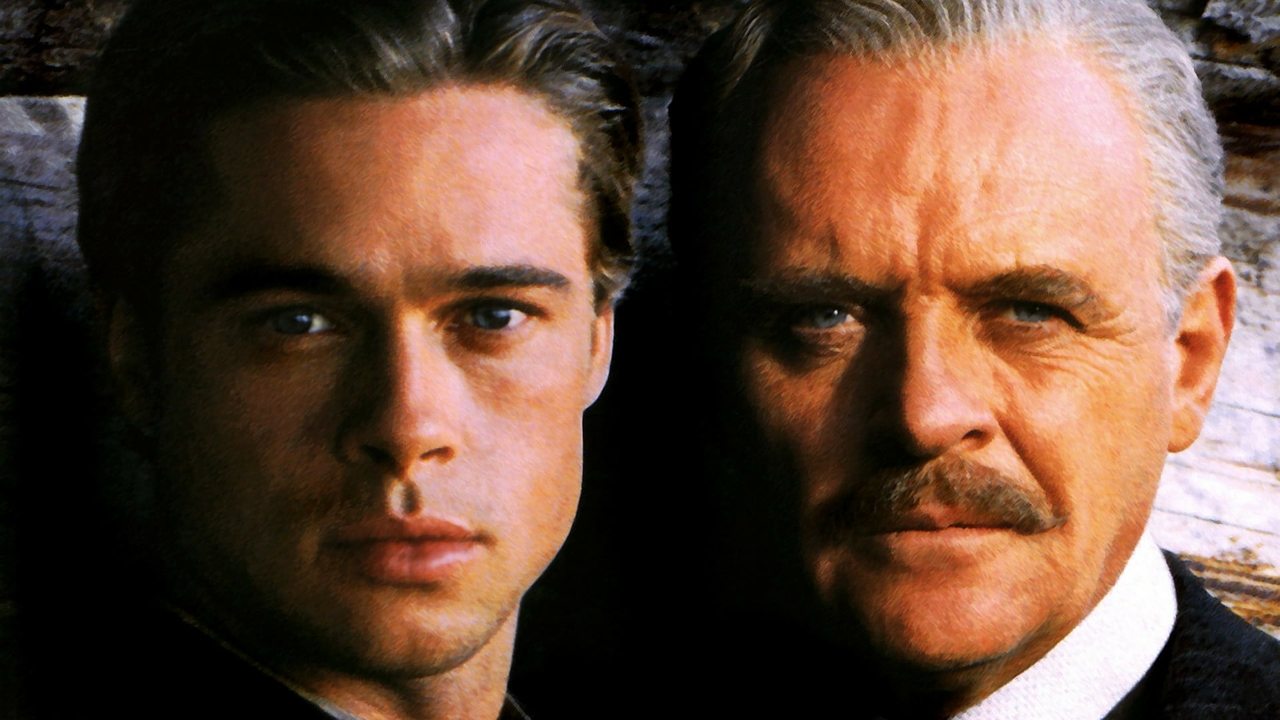
This rating reflects the film's undeniable power, largely fueled by its stunning cinematography, James Horner's unforgettable score, and career-defining performances, especially from Pitt and Hopkins. The sheer visual poetry and emotional ambition earn it high marks. The deduction comes from the narrative occasionally buckling under its own weight, sometimes leaning into melodrama where a touch more restraint might have deepened the impact further.
Legends of the Fall remains a potent piece of 90s cinema – beautiful, flawed, and unapologetically epic. It’s a film that aimed for the heart with grand, operatic gestures, and more often than not, hit its mark, leaving images and emotions that linger long after the credits, like the echo of hoofbeats fading across the plains. What stays with you most? Perhaps it’s the haunting beauty, or maybe the enduring question of whether some souls are simply too wild to ever truly be tamed.