It arrives not with a scream, but with a suffocating silence. A memory seared into the minds of anyone who unwittingly pressed 'Play' on Fire in the Sky back in '93, expecting maybe Close Encounters, and getting something far more… invasive. The film doesn't just depict an alien abduction; it drags you, struggling, into the cold, sterile terror of the unknown, leaving a residue of unease that lingers like static cling long after the tape spools to its end.

Beyond the Beam
Based on the purportedly true account of logger Travis Walton's 1975 disappearance in the Apache-Sitgreaves National Forests of Arizona, the film wisely spends much of its runtime not on the titular fire in the sky, but on the smoldering wreckage left in its wake. We meet Walton (D. B. Sweeney, earnest and perhaps tragically naive) and his crewmates – a tight-knit group of working-class guys just trying to make a living. Robert Patrick (already chillingly familiar from Terminator 2: Judgment Day (1991)) is Mike Rogers, the crew boss and Walton's best friend, whose world unravels when he has to report the impossible: Travis vanished after approaching a UFO. Director Robert Lieberman grounds the extraordinary event in the utterly ordinary – the suspicion of the local sheriff (a solid James Garner), the disbelief and hostility of the townsfolk, the invasive polygraph tests, and the corrosive effect of doubt and fear on the remaining loggers, particularly Craig Sheffer's guilt-ridden Allan Dallis. This deliberate pacing builds a different kind of tension – psychological, terrestrial, and deeply human.
Truth, Lies, and Polygraphs
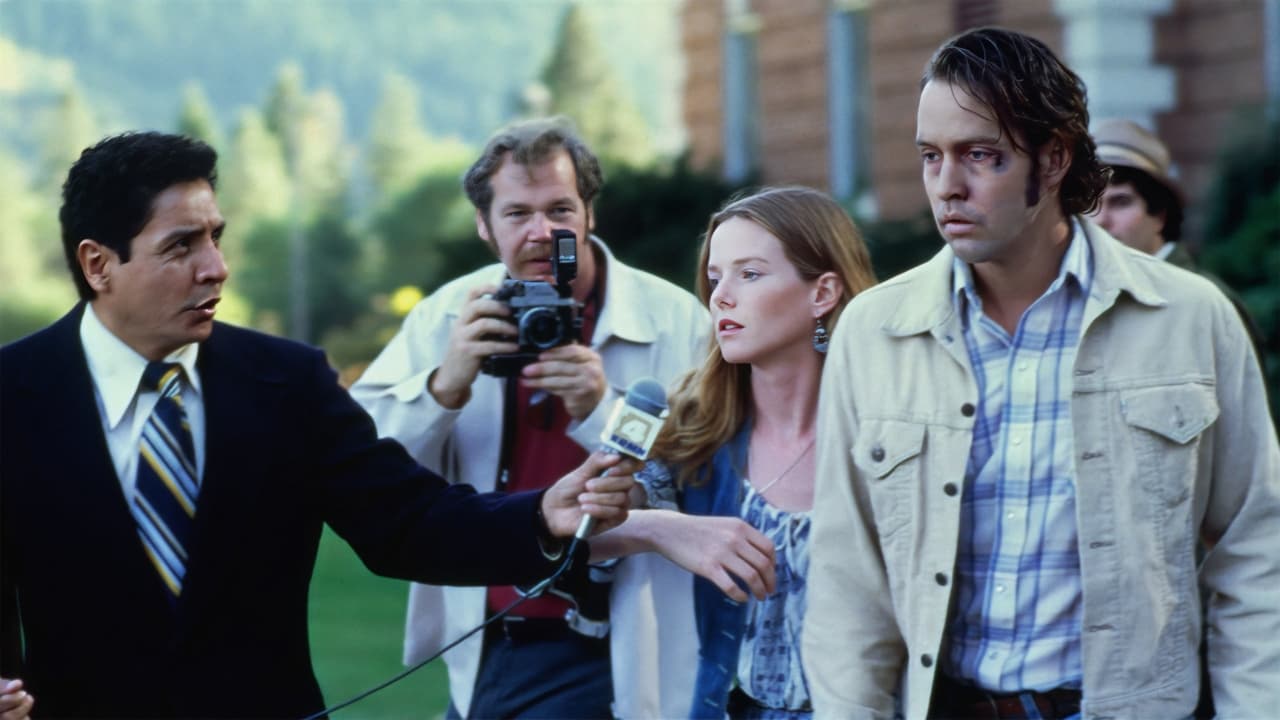
The script, penned by Tracy Tormé (who also brought us the underrated Strange Invaders (1983)) based on Travis Walton's own book The Walton Experience, walks a fine line. It presents the loggers' story, their failed polygraphs (except one), and the ensuing media circus with a degree of ambiguity. Were they lying? Covering up an accident? Or telling an unbelievable truth? This focus on the human fallout, the shattered lives and reputations, gives the film a weight that elevates it beyond simple creature-feature territory. Interestingly, while the film adapts Walton's account, the most infamous sequence – the abduction itself – was largely a terrifying embellishment by the filmmakers, a point Walton himself has noted. He found the cinematic version horrifying, but significantly different from his own hazy, less overtly monstrous recollections. The filmmakers apparently knew that the real terror for audiences lay in the visceral unknown.
That Scene…
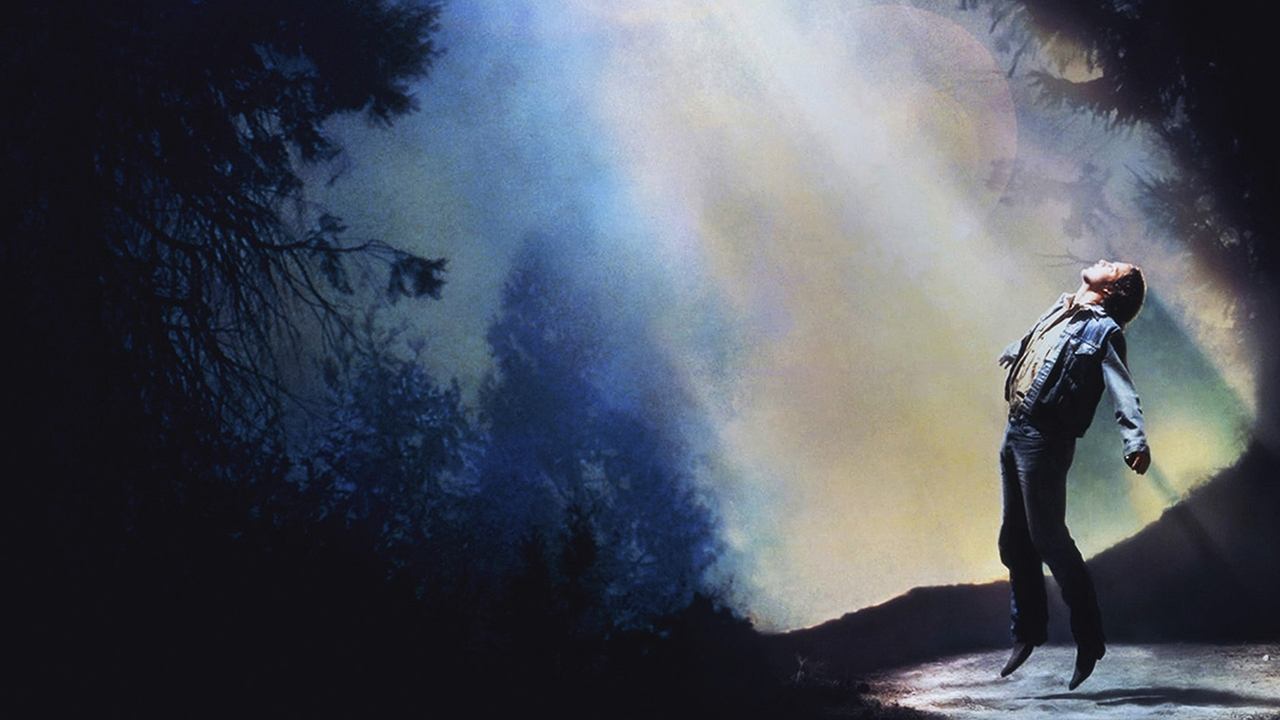
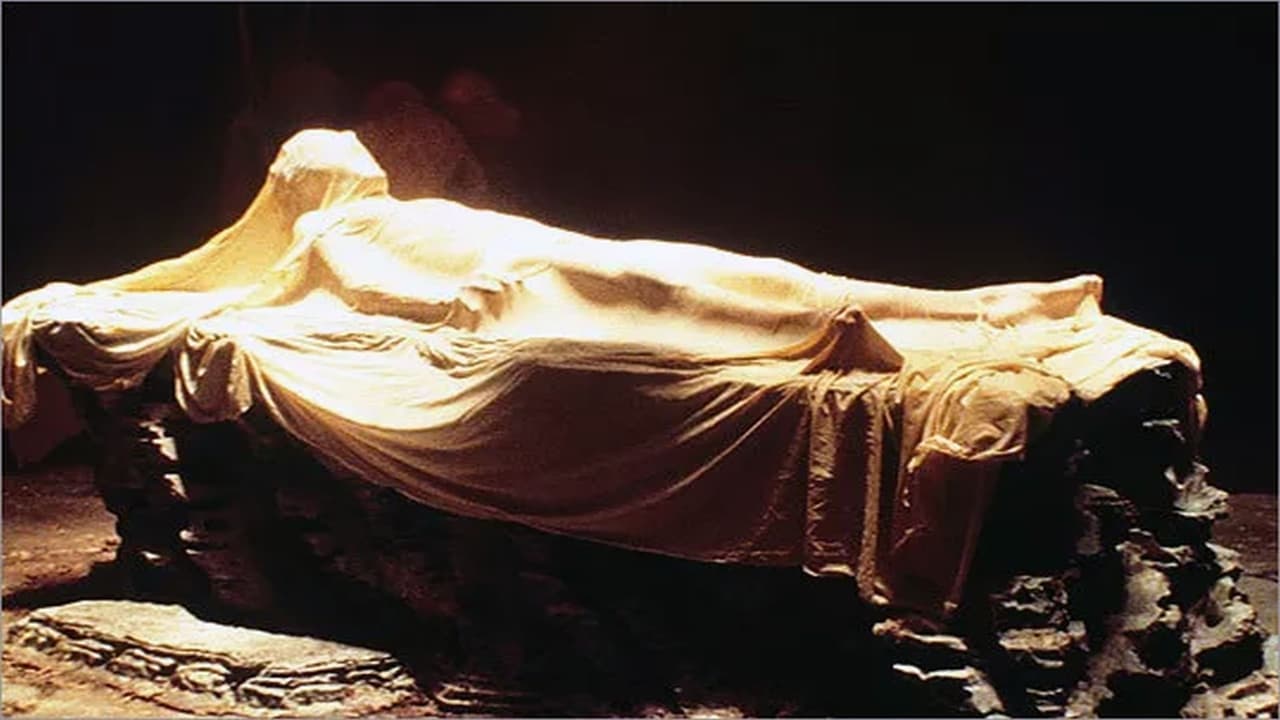
And then, it happens. Spoiler Alert! (Though, let’s be honest, if you’re reading VHS Heaven, you probably know the scene). When Walton finally flashes back to his time aboard the craft, the film shifts gears abruptly and terrifyingly. Gone is the grounded drama; we are plunged into a biomechanical nightmare. Forget benevolent Greys or wondrous lights. What Lieberman and the wizards at Industrial Light & Magic (yes, that ILM, taking a sharp detour from Spielbergian wonder) conjure up is pure body horror. The practical effects here are astonishingly effective, even today. The claustrophobic, organic-looking ship interior, the sickly pallor of the aliens, the horrifyingly tangible medical examination… It’s the stuff of deeply ingrained nightmares. The syrupy membrane trapping Walton, the probes, the infamous eye sequence – it's designed for maximum discomfort, a violation both physical and psychological. Reportedly, securing a PG-13 rating from the MPAA required some trims, which makes you shudder thinking about what might have been left on the cutting room floor. Doesn’t that sequence still feel uniquely disturbing, even after decades of CGI monsters? I distinctly remember renting this from the local video store, probably nestled innocently between action flicks, and being utterly unprepared for the sheer gut-punch horror of those final reels. It wasn't just scary; it felt wrong.

Atmosphere of Dread
Beyond the standout abduction sequence, the film benefits from strong atmospheric work. Mark Isham's score is often mournful and melancholic, reflecting the human drama, but it shifts effectively into dissonant dread when required. The cinematography captures the imposing beauty and isolation of the forest setting, making the intrusion of the otherworldly feel even more jarring. Robert Patrick delivers a particularly strong performance, conveying the immense burden of responsibility and disbelief his character carries. It’s a study in contained panic and simmering frustration. While D. B. Sweeney has the more physically demanding role, Patrick anchors the emotional core of the film's first two acts.
Legacy in the Static
Fire in the Sky wasn't a massive box office hit (grossing just under $20 million on a $15 million budget), but its impact far exceeded its ticket sales, particularly within the VHS rental market. It became that alien abduction movie – the one people whispered about, the one with that scene. It remains a potent piece of 90s sci-fi horror, notable for its commitment to the human story preceding the extraterrestrial terror, and for delivering one of the most genuinely upsetting depictions of alien contact ever put to film. It dared to suggest that meeting wasn't wondrous, but violating.
VHS Heaven Rating: 8/10
The score reflects the film's powerful blend of grounded human drama and visceral, unforgettable horror. While the pacing might feel slow for some in the middle section as it focuses on the investigation, this build-up is crucial for the ultimate impact. The performances are solid, the practical effects are nightmarish masterpieces, and that sequence remains burned into cinematic memory. It’s a film that understands that the most terrifying unknown isn’t just out there in the stars, but also in the suspicion and doubt right here on Earth.
For anyone who remembers the weight of that VHS tape in their hand, wondering if the 'true story' tag was real, Fire in the Sky remains a chilling reminder of how effectively cinema can tap into our deepest fears of the unknown and the unseen. It’s more than just a movie; it’s a shared, unsettling memory from the flickering light of the CRT screen.