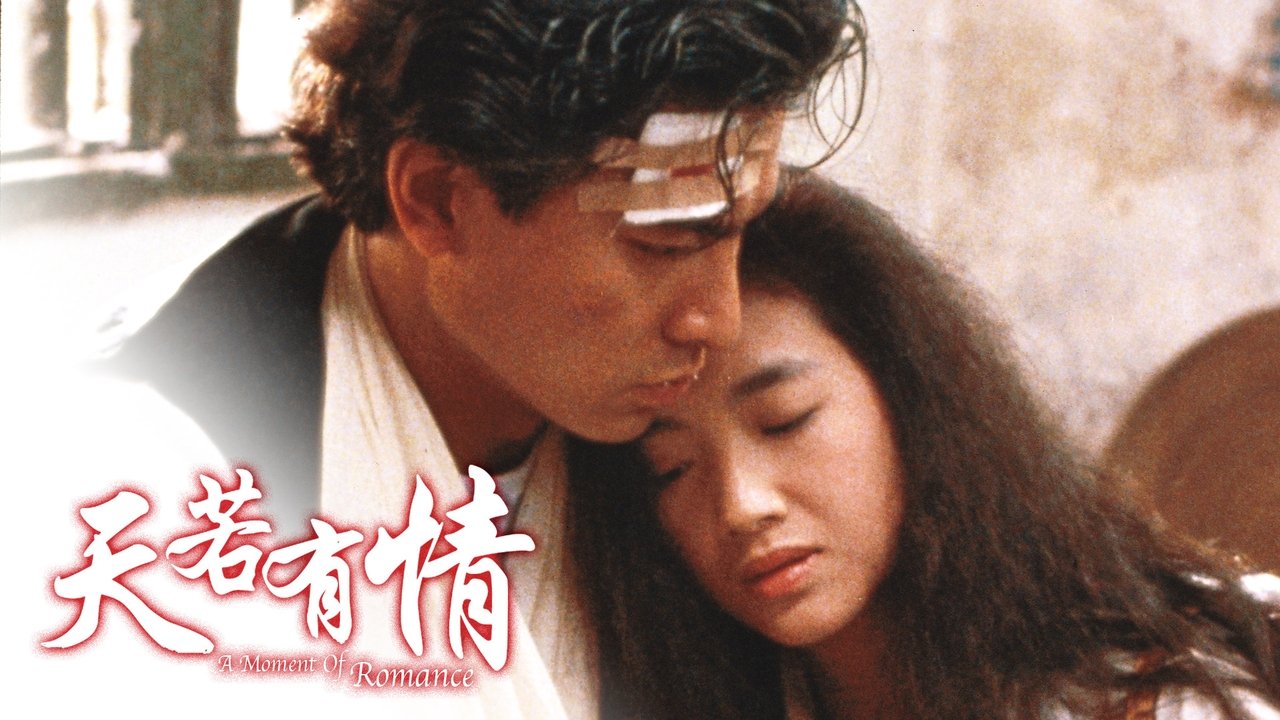
Okay, settle in. Let's talk about a film that arrived like a lightning strike in 1990, leaving an indelible mark on Hong Kong cinema and countless teenage hearts across Asia: A Moment of Romance (Tin Yuek Yau Ching / 天若有情). It’s one of those titles whispered with reverence among fans of the era, a potent cocktail of outlaw cool, youthful romance, and heart-wrenching tragedy that felt ripped straight from the rain-slicked streets it depicted.
### Love in the Crossfire
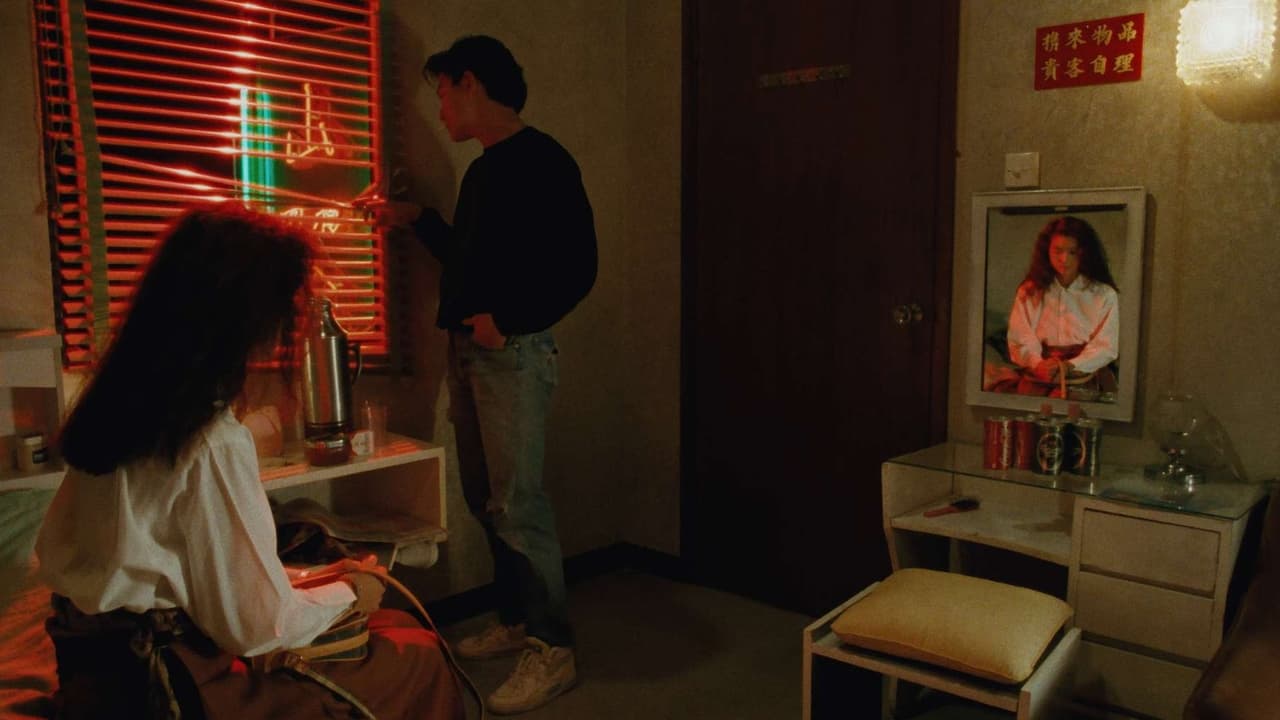
What truly sets A Moment of Romance apart, especially revisiting it now, is its fearless blend of genres. On one hand, it’s a gritty Triad gangster flick, full of brotherhood, betrayal, and brutal bursts of violence. On the other, it's an almost operatic romance, the story of a reckless young getaway driver, Wah Dee, and the innocent, wealthy young woman, Jojo, he takes hostage during a botched jewellery heist. It’s a premise that could easily buckle under its own weight, yet director Benny Chan, in his feature debut (under the watchful eye of producer Johnnie To, a name synonymous with quality HK crime thrillers like Election), navigates this tightrope with surprising confidence. The film doesn't shy away from the ugliness of Wah Dee's world, nor does it dilute the purity of the connection that forms between him and Jojo.
### Stars Aligning
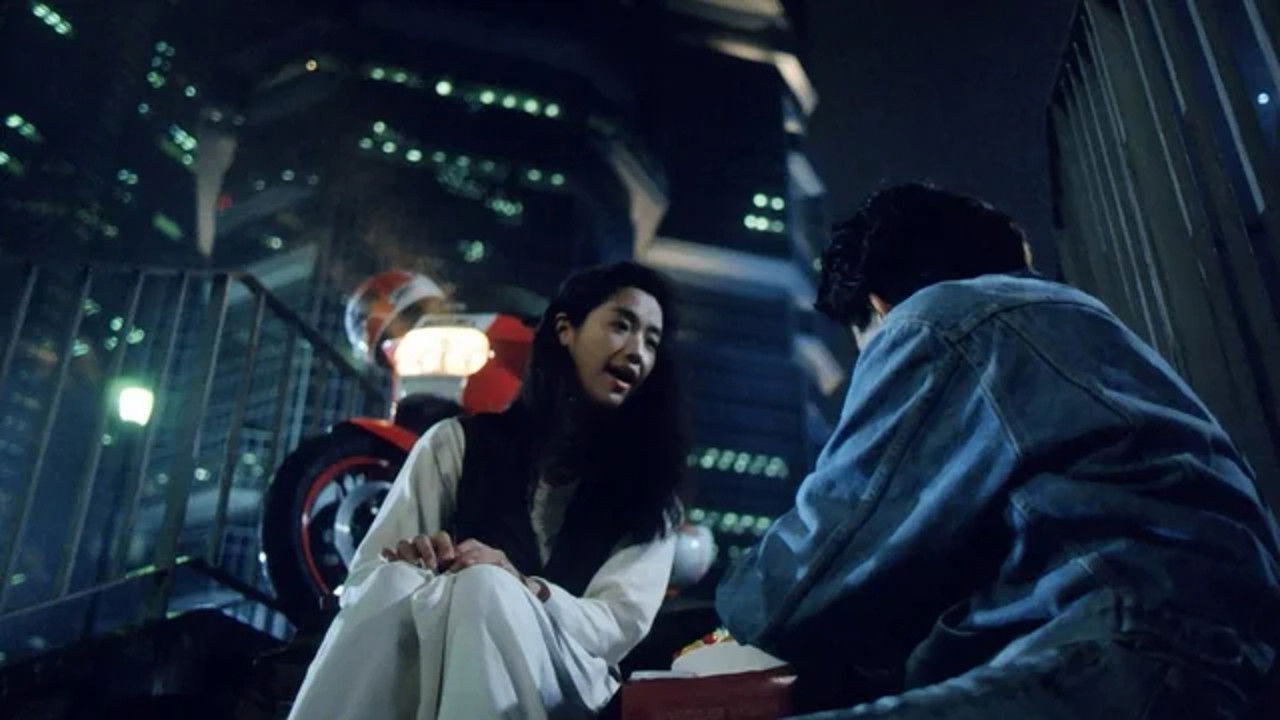
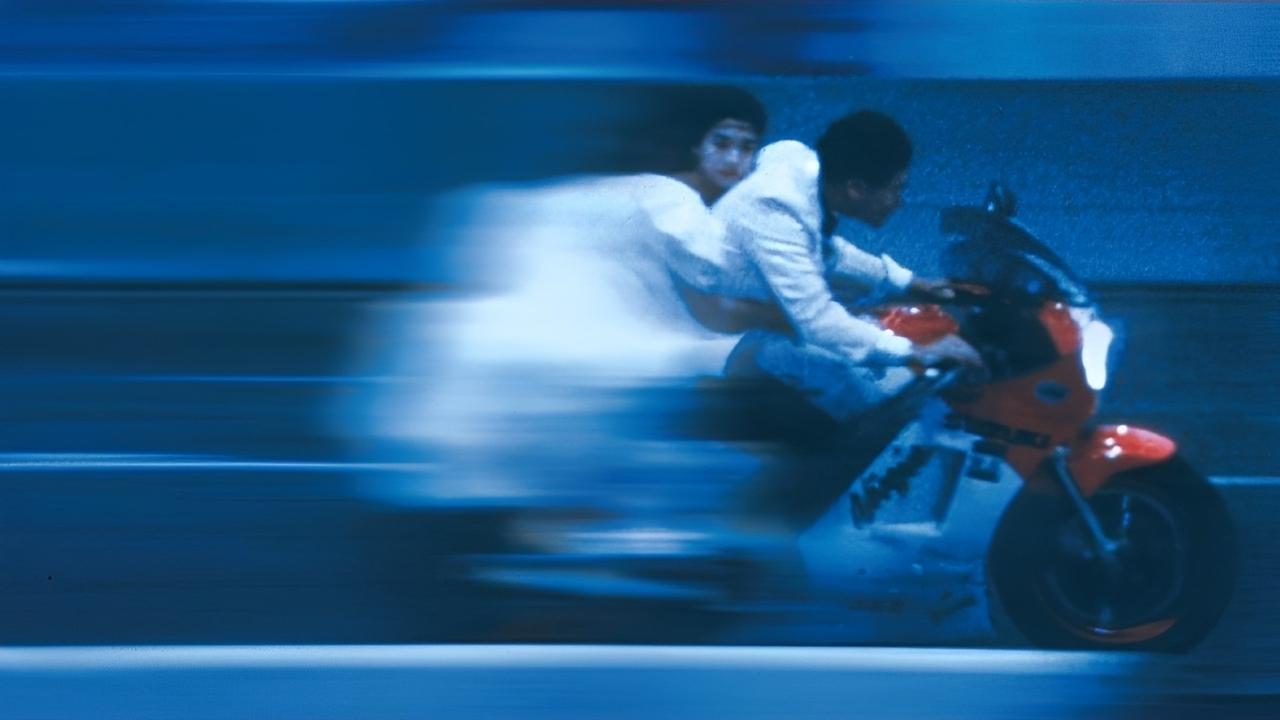
Central to the film's enduring power are the performances. Andy Lau, already a burgeoning Cantopop king and actor, delivers a career-defining turn as Wah Dee. He embodies the archetype of the tortured bad boy – effortlessly cool on his Suzuki RG500, fiercely loyal to his friends, yet carrying a simmering vulnerability beneath the denim jacket and cigarette smoke. It's easy to see why this role cemented his superstar status. Lau reportedly performed many of his own motorcycle stunts, adding a layer of raw authenticity to the action sequences – particularly the unforgettable image of him riding, nose bleeding profusely, with Jojo clinging desperately behind him. That wasn't just movie magic; it felt real, dangerous.
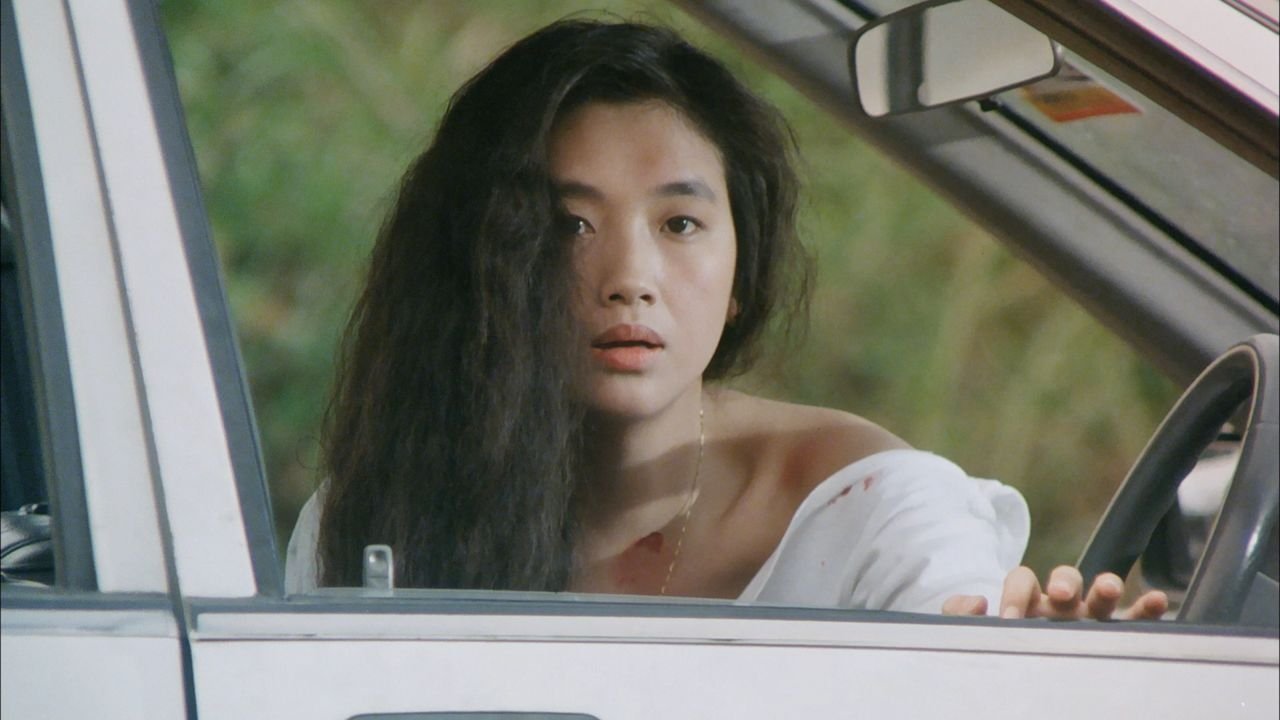
Equally crucial is Jacklyn Wu as Jojo Huen. Plucked from relative obscurity – she was still a student when cast, reportedly chosen by To from a pile of photographs – Wu brings an essential freshness and naivety to the role. Her wide-eyed innocence provides the perfect counterpoint to Lau's world-weariness. Their chemistry isn't about witty banter; it’s conveyed through stolen glances, tentative touches, and the shared understanding of two souls from different worlds finding solace in each other amidst chaos. It’s her debut, and it’s astonishingly effective, grounding the film's high emotions.
### The Price of Loyalty
But A Moment of Romance isn't just a two-hander. The supporting cast adds vital texture, most notably Ng Man-tat as Rambo, Wah Dee's loyal but bumbling sidekick. Ng, a familiar face often seen alongside Stephen Chow in countless comedies, delivers a performance here that transcends simple comic relief. His portrayal of unwavering devotion, often misplaced and ultimately tragic, earned him a well-deserved Best Supporting Actor award at the Hong Kong Film Awards. He provides the film's fragile, beating heart, a reminder of the human cost within the gangster narrative. His character arc is arguably as moving as the central romance.
### Echoes on the Asphalt
Visually and sonically, the film is pure early 90s Hong Kong. Benny Chan captures the city's energy – the neon glow reflecting off wet tarmac, the claustrophobic alleyways, the sudden shifts from frantic action to quiet intimacy. And then there's the music. Oh, the music. Beyond the effective score, the theme songs – particularly Shirley Yuen's Cantonese ballad "Tin Yuek Yau Ching" – became instant anthems, inextricably linked to the film's emotional climax. Hearing those opening notes even now can trigger a Pavlovian knot in the stomach for anyone who remembers seeing this back in the day. It's a perfect example of how a soundtrack can elevate a film from memorable to iconic. I remember renting this from a local video store, the slightly worn cover art promising exactly the kind of high-stakes drama that felt so vital then. The film delivered, leaving a lasting impression that went beyond simple entertainment.
Retro Fun Facts: The film's massive success (reportedly costing around HK$10 million and grossing over HK$32 million locally, a huge return) spawned two sequels: A Moment of Romance II (1993), also starring Andy Lau (though unrelated story-wise), and A Moment of Romance III (1996), directed by Johnnie To himself. While the sequels have their moments, neither quite recaptured the raw lightning-in-a-bottle magic of the original. The film's impact was felt across Asia; its Korean release even featured different, equally iconic theme music due to rights issues, cementing its legacy there too.
### Lasting Resonance
Does A Moment of Romance hold up? Absolutely. While certain elements feel distinctly of their time – the fashion, the specific brand of Triad honour – the core emotional narrative remains powerful. It taps into universal themes of forbidden love, societal barriers, and the desperate search for connection in a harsh world. The blend of visceral action and aching romance might feel jarring to modern sensibilities accustomed to more neatly defined genres, but that friction is precisely what gives the film its unique energy. It dared to be both brutal and beautiful, a trait common in the best Hong Kong cinema of the era.
---
Rating: 8.5/10
Justification: A Moment of Romance earns its high score through its iconic performances, particularly Lau's star-making turn and Wu's affecting debut, Ng Man-tat's award-winning support, its masterful blending of brutal action and heartfelt romance, Benny Chan's confident direction, and its undeniable cultural impact. While some elements are dated, its emotional core remains potent and its key sequences unforgettable. It's a cornerstone of 90s Hong Kong cinema.
Final Thought: It's more than just a movie; it's a mood, a feeling – the roar of a motorcycle engine fading into a melancholic ballad, a snapshot of youthful rebellion and doomed love that still resonates long after the VCR has clicked off.