The fluorescent hum of the supermarket feels wrong, somehow brittle. Then, chaos erupts – a sudden, shocking burst of violence under those sterile lights. A rookie cop, Megan Turner, makes a split-second decision, the weight of her newly issued firearm feeling impossibly heavy in her hand. That opening salvo of 1990's Blue Steel doesn't just kick off the plot; it slams the viewer into a state of heightened alert, a nervous energy that director Kathryn Bigelow masterfully sustains for the next 102 minutes. This wasn't just another cop thriller pulled from the new release shelf; this felt different, colder, and carried a distinct, unsettling charge.
The Badge and the Burden
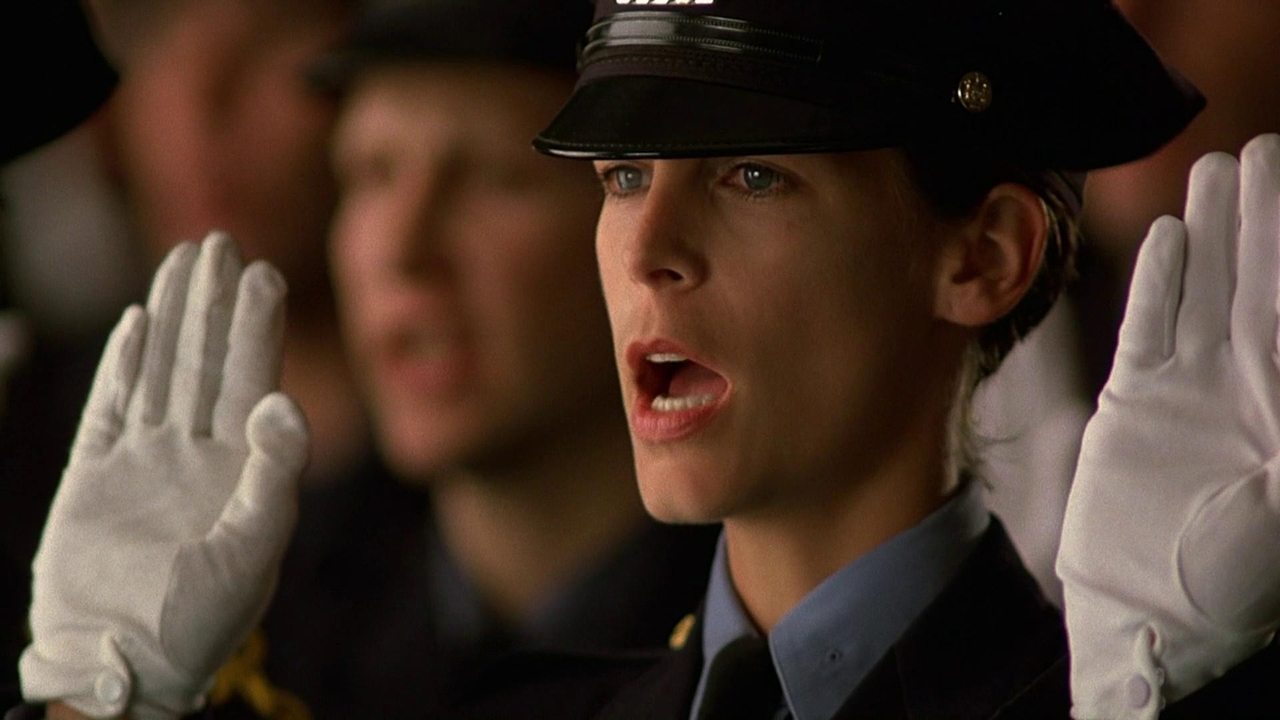
At the heart of the storm is Jamie Lee Curtis as Megan Turner. Fresh out of the academy and desperate to prove herself in the aggressively masculine world of the NYPD, Turner is immediately plunged into a nightmare. Curtis, already horror royalty thanks to Halloween (1978) but pushing into more complex roles, embodies Megan's vulnerability and fierce determination perfectly. She's not a superhero; she’s profoundly affected by the violence she witnesses and perpetrates, carrying the trauma like a physical weight. The film doesn't shy away from the institutional skepticism she faces, the doubt cast upon her actions simply because she’s a woman in uniform. I distinctly remember renting this, the stark blue and black cover hinting at something tougher than Curtis's usual fare, and feeling the palpable tension radiating from her performance even through the fuzzy tracking lines on my old CRT.
A Wall Street Wolf in Sheep's Clothing
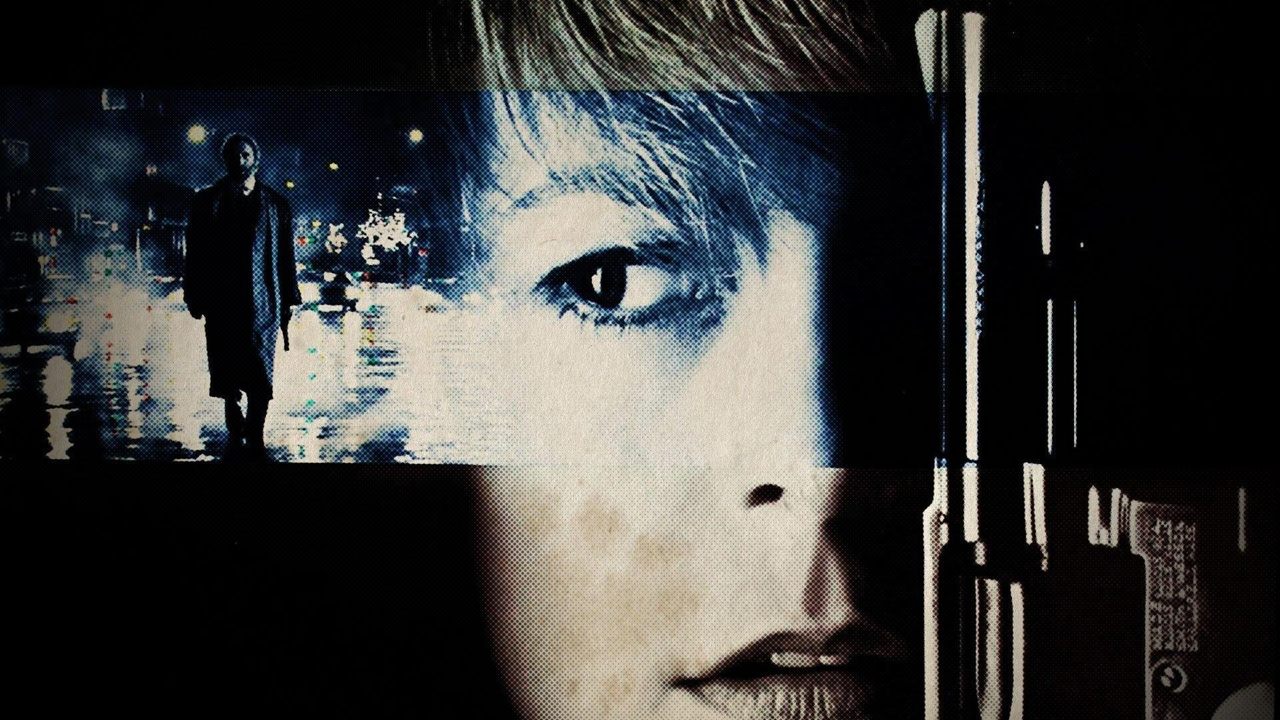
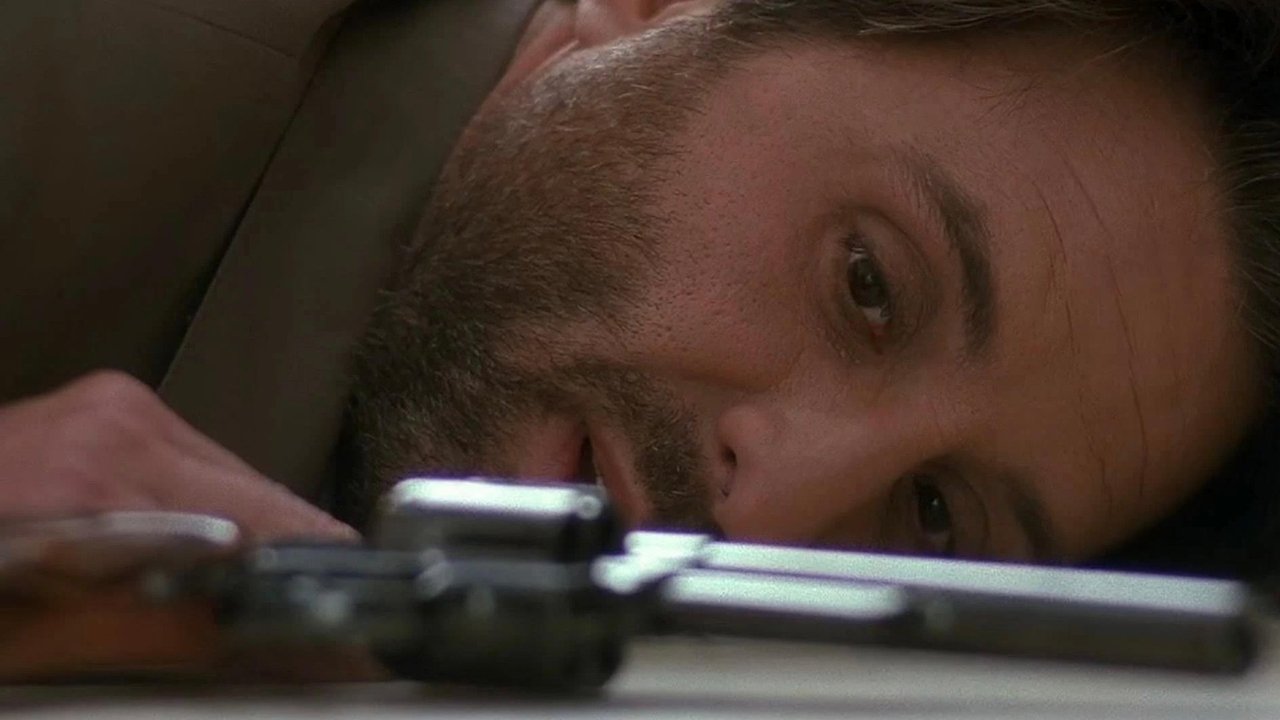
The architect of Turner's spiral is Eugene Hunt, played with bone-chilling precision by the late, great Ron Silver. Witnessing the supermarket shooting, Hunt, a charismatic commodities trader, pocket's the robber's discarded weapon. But Hunt isn't just an opportunist; he’s a psychopath ignited. Silver crafts a villain who is terrifyingly plausible – intelligent, successful, charming on the surface, but seething with a terrifying emptiness beneath. His obsession with Megan, sparked by that initial act of violence and fixated on her service weapon, builds from unnerving flirtation to outright psychotic stalking. There’s a disturbing psycho-sexual undercurrent to his fixation, the gun becoming a potent symbol of power and perversion. It’s a performance that stays with you, that unsettling smile and the deadness in his eyes. Doesn't that kind of grounded, yet utterly monstrous, villain feel particularly chilling even now?
Bigelow's Concrete Jungle
Even in this earlier work, Kathryn Bigelow’s signature style is evident. Co-writing with Eric Red (with whom she’d previously conjured the gothic horror of Near Dark in 1987), she directs Blue Steel with a muscular kineticism. The action, when it comes, is brutal, impactful, and devoid of gloss. She uses the landscape of New York City not just as a backdrop, but as a character – imposing, indifferent, a labyrinth of rainy streets and shadowy corners that amplify Megan's isolation. The score, pulsing and percussive, further ratchets up the paranoia. You feel the grit, the damp chill of the city seeping into the film's very fabric. Filmed on a budget of around $10 million (roughly $23 million today), it didn't exactly set the box office alight, grossing only about $8.2 million domestically. Perhaps its bleak tone and complex gender politics were a tougher sell in 1990, but its visual confidence is undeniable.
The Grip Tightens
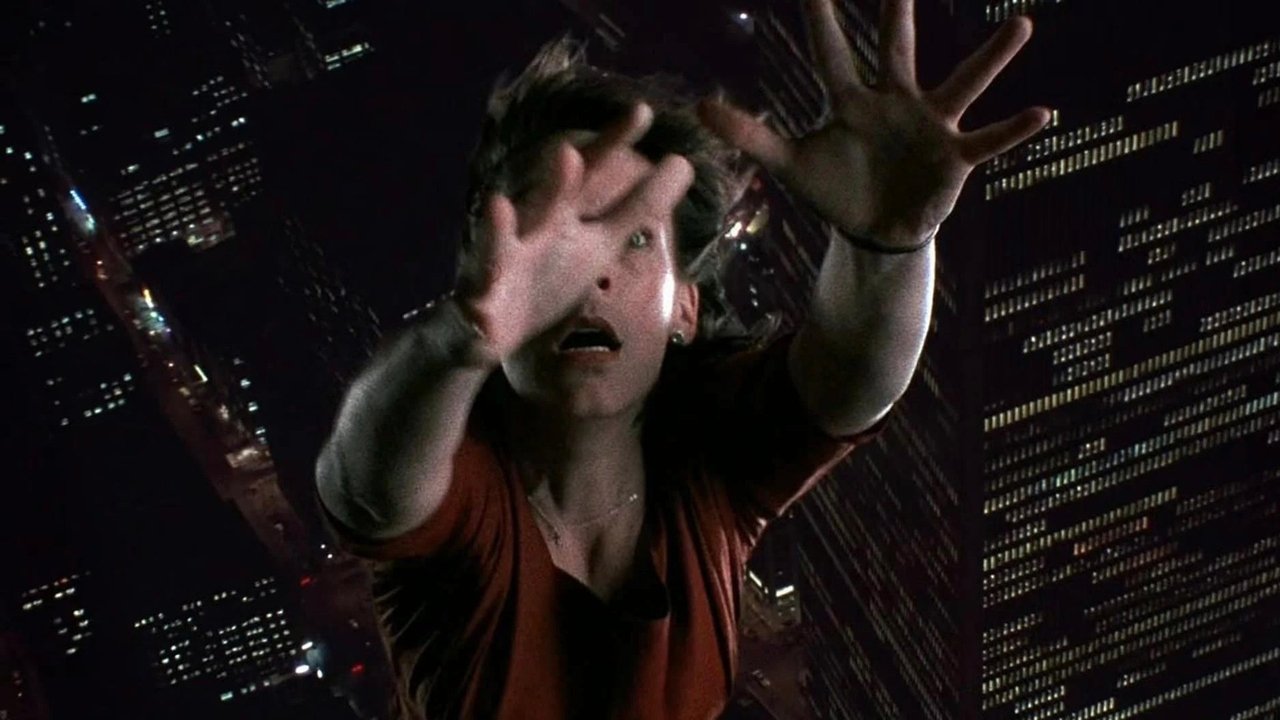
As Hunt's obsession escalates, carving names into bullets and leaving a trail of bodies linked to Megan, the film becomes a taut exercise in suspense. Bigelow excels at creating sequences of unbearable tension – Megan searching her apartment, knowing he might be there; the claustrophobic encounters where Hunt toys with her, protected by his veneer of respectability. Curtis reportedly threw herself into the role's physicality, adding to the realism of Megan's struggle. There's a rawness here, a sense that the danger is real and immediate. The film cleverly plays with the power dynamics, showing how easily Hunt manipulates situations, leveraging his status against Megan's precarious position as a rookie under investigation, suspended even, after the initial shooting. It's a harrowing depiction of gaslighting turned deadly. We also see Clancy Brown (Highlander), dependable as ever, as Detective Nick Mann, initially skeptical but gradually becoming Megan's ally, adding another layer to the departmental politics.
Echoes in the Steel
Blue Steel might have some plot beats that feel familiar to the genre now, and perhaps a few moments that stretch credulity, but its power lies in its atmosphere, its committed performances, and Bigelow's uncompromising direction. It’s a film that explores themes of identity, fetishism, and the psychological toll of violence with a seriousness often lacking in standard thrillers. It remains a potent example of a female filmmaker tackling a traditionally male genre, bringing a unique perspective to the anxieties of urban life and the burdens of authority. It didn't spawn sequels, but its influence can be felt in the wave of psychological thrillers that followed in the 90s, and it stands as a crucial early marker in Bigelow's journey towards becoming one of contemporary cinema's most vital directors (Point Break, Strange Days, The Hurt Locker).

Rating: 8/10
This score reflects Blue Steel's strengths: Jamie Lee Curtis's compelling lead performance, Ron Silver's truly unnerving villain, Kathryn Bigelow's taut direction and atmospheric control, and its unflinching, often bleak tone. It avoids a higher score due to some familiar genre tropes and moments where the plot mechanics feel slightly strained. However, the film’s intensity and psychological depth more than compensate, creating a genuinely gripping experience.
For fans of gritty 90s thrillers, Blue Steel remains a standout – a cold, sharp piece of filmmaking that still holds a chilling power, like the metallic gleam of its title implies. It’s a reminder of a time when thrillers weren't afraid to get under your skin and stay there long after the tape finished whirring.